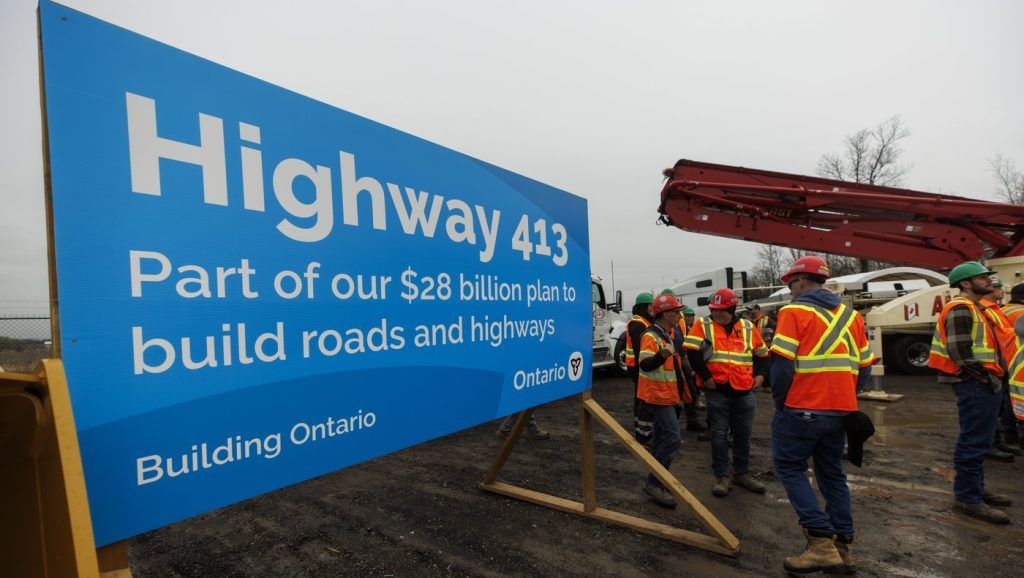
Ontario accelerates Highway 413 construction with major procurement notice amid ongoing debate
The Ford government has issued one of Ontario's largest infrastructure procurements for the eastern section of Highway 413, advancing the controversial GTA project while promising reduced congestion and economic benefits.
The Ontario government has taken its most substantial step yet toward building Highway 413, issuing a sweeping notice of procurement to design and construct the eastern third of the controversial highway along with the Highway 427 extension. Transportation Minister Prabmeet Sarkaria framed this move as critical infrastructure development that will create jobs and stimulate economic growth while addressing chronic traffic congestion across the Greater Toronto Area.
Procurement scope and project details
The newly announced procurement covers approximately 17 kilometers of the planned 52-kilometer Highway 413 corridor, specifically the stretch from Highway 400 to west of The Gore Road. This represents the first major construction segment of a highway that will eventually arc across the northwestern GTA from Vaughan to Milton. The province has simultaneously initiated contracting for the central section, including a strategically important 9.1-kilometer extension of Highway 410 that will connect multiple major routes. When completed, this network will provide new transportation options for communities across Halton, Peel and York Regions while improving access to employment centers and industrial zones.
The procurement package also includes the 8-kilometer Highway 427 Extension running north from Major Mackenzie Drive to the Highway 413 interchange. Provincial officials describe this as one of the most complex infrastructure procurements in Ontario's history, combining multiple major projects under coordinated contracting processes. The formal request for proposals containing detailed technical specifications will be issued later this fall, with contract awards anticipated by 2027 following an extensive evaluation period.
Economic and transportation impacts
Transportation Minister Prabmeet Sarkaria emphasized the dual economic and mobility benefits of the project, stating it will support more than 6,000 jobs annually during construction while contributing over $1 billion to Ontario's GDP. The highway's design includes 11 strategically placed interchanges intended to optimize connections between growing suburban communities and major employment areas. Provincial modeling suggests the completed route could handle up to 300,000 vehicles daily, with some trips seeing travel time reductions of 30 minutes compared to existing congested routes like Highway 401.
This forms the centerpiece of Ontario's broader $31-billion investment in highway and bridge infrastructure that also includes the Bradford Bypass and Garden City Skyway twin bridge projects. Minister Sarkaria stated the government is prioritizing these investments despite economic uncertainties and trade tensions, arguing they will strengthen Ontario's long-term competitiveness. The highway's routing through the northwestern GTA reflects both current transportation patterns and anticipated growth in communities like Brampton, Caledon and Vaughan over coming decades.
Environmental and political challenges
Highway 413 has remained one of Ontario's most contentious infrastructure proposals since its revival under the Ford government. Environmental organizations have raised persistent concerns about its potential impacts on the Greenbelt, prime agricultural lands, and habitat for species at risk. These concerns previously triggered a jurisdictional clash with the federal government over environmental assessment requirements, creating significant uncertainty about the project's future.
A 2024 agreement with Ottawa resolved this impasse by allowing the project to proceed under provincial environmental standards rather than a full federal impact assessment. This compromise removed a major obstacle but did not eliminate criticism from environmental advocates and some municipal leaders. The project continues to face legal and political opposition from groups arguing it represents outdated transportation planning that will exacerbate sprawl and undermine climate commitments. The government maintains it has incorporated extensive environmental mitigation measures while addressing legitimate congestion challenges facing the region.
Implementation timeline and next steps
The procurement process will unfold through multiple phases, beginning with the request for proposals for the eastern section later this fall. This structured approach allows different segments of the massive infrastructure project to advance simultaneously while managing the complex logistics of construction across multiple municipalities. Current planning indicates contract awards for the eastern section will occur in 2027, though this remains subject to bid evaluations, market conditions and potential legal challenges.
Provincial officials have already initiated preparatory work including environmental studies, utility relocations and detailed roadway design for other sections. This suggests an intent to maintain project momentum despite its complexity and scale. While initial construction was previously projected to begin in 2025, the government has not released updated cost estimates or completion timelines, reflecting the uncertainties inherent in megaprojects of this nature.
Regional development implications
Highway 413's advancement signals the provincial government's continued prioritization of highway expansion as a solution to GTA congestion, despite calls for greater investment in transit and densification. The project will inevitably influence patterns of employment, residential development and commercial activity across the northwestern GTA for decades to come. Municipalities along the corridor have already begun adjusting their official plans in anticipation of the new transportation link and its potential to unlock development opportunities.
Proponents argue the highway will better connect growing suburban communities to employment centers while providing critical redundancy for overburdened east-west routes. Critics counter that the project may simply redistribute rather than reduce congestion while encouraging low-density development patterns inconsistent with provincial climate goals. The procurement milestone suggests the government remains confident in overcoming remaining obstacles, though opposition may intensify as construction approaches and detailed environmental mitigation plans become public.
Broader infrastructure context
This procurement places Highway 413 among Canada's most significant current infrastructure projects, testing Ontario's capacity to deliver complex transportation megaprojects amid labor shortages, inflationary pressures and evolving environmental standards. Its progress contrasts with recent struggles on other major infrastructure initiatives across the country, potentially serving as an important political demonstration of the government's ability to execute on signature promises.
The highway's ultimate impact will extend beyond transportation metrics to influence regional competitiveness, municipal finances and quality of life across the GTA. As the procurement process advances, attention will focus on how the province balances construction efficiency with environmental protection, cost control and meaningful community consultation - challenges that have derailed or delayed similar projects elsewhere. The Ford government appears to be betting that visible progress on the ground will gradually overcome persistent skepticism about the highway's necessity and design, though the debate seems certain to continue through the construction period and beyond.
Future considerations
As Ontario moves forward with Highway 413, several key questions remain unresolved. The final cost estimate and financing plan have not been disclosed, raising questions about fiscal impacts amid other pressing infrastructure needs. The project's relationship to broader regional transportation planning, including connections to GO Transit services and other public transportation investments, remains unclear. Additionally, the long-term environmental monitoring and mitigation commitments tied to the federal-provincial agreement have yet to be fully detailed.
The highway's advancement also occurs against the backdrop of changing work and travel patterns post-pandemic, with some experts questioning whether traditional traffic modeling remains valid. These uncertainties suggest that while the procurement milestone represents significant progress, the full implications of Highway 413 for the GTA's transportation network and development patterns may take years or decades to fully materialize.