Canada's Last Captive Whales Leave Marineland in Historic Transfer to U.S. and Spanish Aquariums
Marineland has completed the world's largest marine mammal relocation, ending whale captivity in Canada as 34 animals begin new lives abroad following a 2019 federal ban.
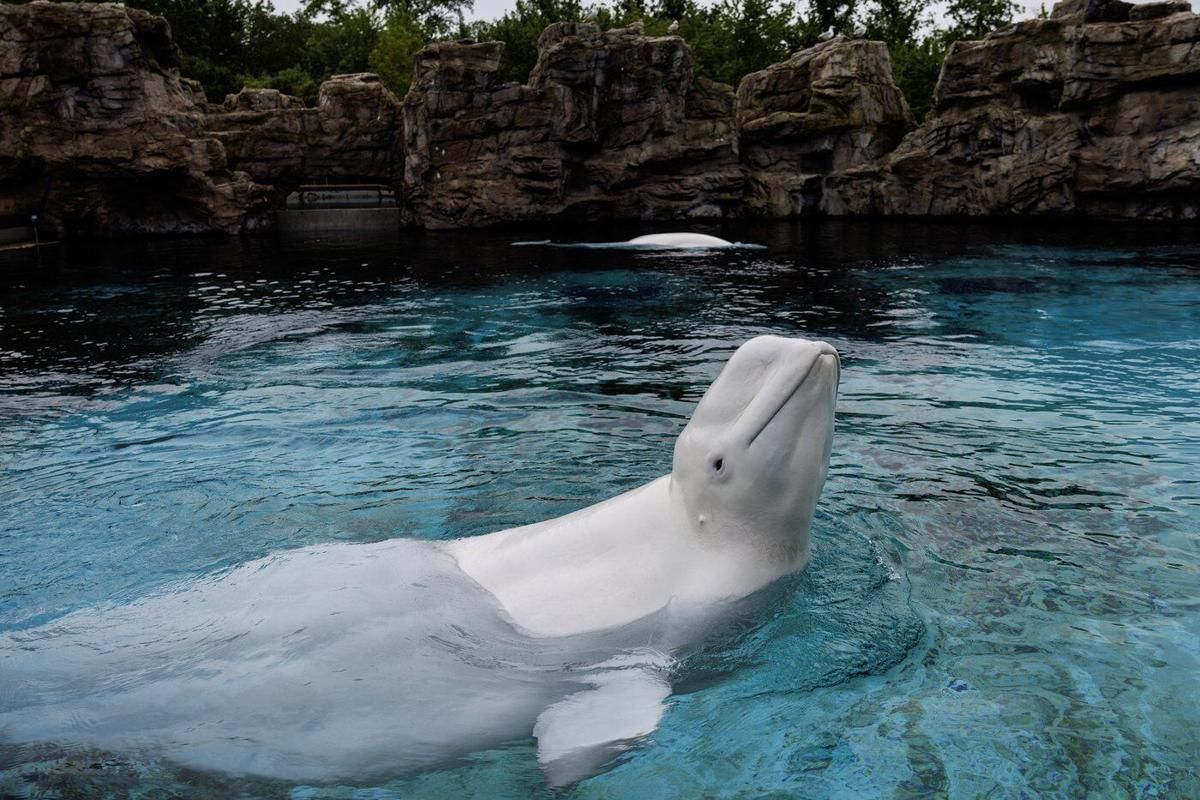
The era of whale captivity in Canada has officially ended with the completion of Marineland's unprecedented transfer of its remaining marine mammals to international facilities. This week marked the conclusion of a multi-week operation that saw 30 belugas and four dolphins relocated from the Niagara Falls attraction to aquariums in the United States and Spain, representing the largest collective movement of captive whales in history. The final transfer of Tofino, a 1,500-kilogram beluga, symbolized the closing chapter of Canada's 60-year history with marine mammal captivity that began with the tragic 1964 display of Moby Doll, a harpooned orca that survived just 88 days in Vancouver.
The Emotional Toll on Caretakers
The historic transfer carried profound emotional weight for the trainers who had dedicated years to caring for these animals. Taylor-Lee Dell formed an especially close bond with a beluga named Odin over five years of daily interaction. During the transfer process, she cradled Odin's head as the crane lifted him from Friendship Cove, an experience she described as heartbreaking.
"I tried to say goodbye and tried to tell him I love him and comfort him,"Dell said while fighting back tears. She articulated the depth of the human-animal relationships formed at Marineland, comparing the separation to losing family members. Many trainers now face not only the grief of separation but also unemployment in a specialized field that no longer exists in Canada due to the 2019 captivity ban. Dell emphasized that despite growing public opposition to captivity, the whales received genuine love and care from their human companions.
Logistical Challenges of the Relocation
Executing the massive transfer required meticulous coordination and physical effort. Teams of 12 workers worked together to carefully guide each beluga into specialized slings before crane operators lifted the massive mammals into transport tanks. Park advisor Andrew Burns revealed the operation occurred against daunting odds, with Marineland having exhausted both time and financial resources.
"We were out of money, out of time,"Burns stated, adding that the whales would have faced euthanasia without successful relocation. The animals were distributed to five accredited facilities: Shedd Aquarium in Chicago, SeaWorld locations in San Diego and San Antonio, Georgia Aquarium in Atlanta, and Oceanogràfic València in Spain. This international solution became necessary after Canada's 2019 Ending the Captivity of Whales and Dolphins Act prohibited keeping these animals at Marineland while also banning breeding and performances that had sustained the park's operations.
The Decline of Marineland
The park's downfall began with the 2018 death of founder John Holer, who had built Marineland into Canada's most popular amusement park through his vision combining marine mammal shows with thrill rides. His widow Marie Holer inherited the struggling business just before the COVID-19 pandemic devastated the tourism industry. After failing to recover post-pandemic, Marie put the park up for sale in early 2024 before her own passing that September. Government documents reveal the challenging conditions during this period, with one killer whale, one dolphin and 19 belugas dying at Marineland since 2019. A 2021 provincial investigation temporarily declared all marine mammals in distress due to water quality issues, though officials later determined these problems didn't directly cause deaths. The park invested millions in water system repairs while attributing some animal deaths to the constraints imposed by the 2019 federal law.
Controversial International Negotiations
Before the current relocation, Marineland pursued a controversial plan to transfer its belugas to Chimelong Ocean Kingdom in China, the only facility worldwide capable of accommodating the park's unprecedented collection. The 2025 proposal collapsed when Fisheries Minister Joanne Thompson blocked the export, citing China's weaker animal welfare standards regarding breeding and performances. This rejection prompted Marineland to threaten euthanasia unless receiving federal emergency funding, creating a crisis that ultimately led to the current U.S.-led rescue effort. The relocation carried inherent risks, tragically realized when Peekachu, a 23-year-old beluga transferred to Shedd Aquarium, died from severe dehydration weeks after arrival. This loss underscored the physiological challenges of moving aging marine mammals between facilities.
Staff Perspectives on the Transition
Former Marineland employees expressed complex emotions about the transfers. Kristy Burgess, who was fired in February 2025 after advocating for beluga Eos (later euthanized for health reasons), described mixed feelings about the outcome. While relieved the animals escaped euthanasia threats, she mourned their departure from Canada. Debbie Silva, who left the park in 2021, offered critical perspective on the legislative process.
"Nobody stopped to think about what would happen with the ones that we did have in human care,"Silva observed, highlighting the lack of transition planning when the captivity ban was implemented. Both former trainers ultimately approved of the whales' new high-standard facilities while acknowledging the difficult human and animal costs of this industry transition.
Historical Context of Marine Mammal Captivity
The story of Marineland reflects broader cultural shifts in attitudes toward animal entertainment. Founder John Holer's 1961 vision near Horseshoe Falls combined his circus inspirations with marine mammal displays that once drew massive crowds. The park's decline paralleled growing ethical concerns exemplified by former trainer Phil Demers' 2012 whistleblowing about animal welfare issues. Demers symbolically witnessed the final transports this week, marking the conclusion of an industry that once thrived but became ethically untenable. This transformation mirrors global trends questioning marine mammal captivity while acknowledging the complex legacy of such attractions in fostering public interest in marine life.
Ongoing Transition Challenges
While the whale transfer represents a watershed moment, Marineland's transition continues with hundreds of deer still requiring relocation before any property sale can proceed. The park has already moved its bison herd, penguins, and a dozen bears to a Colorado sanctuary earlier this year. These ongoing efforts demonstrate the extensive logistical challenges of responsibly winding down a major animal attraction. The situation also prompts reflection on the future of remaining marine parks worldwide as societies increasingly prioritize animal welfare in entertainment contexts. The Marineland story serves as both a cautionary tale and potential model for managing the complex transition away from marine mammal captivity.
Broader Implications for Animal Welfare Policy
The Marineland case study offers important lessons for animal welfare legislation and implementation. While the 2019 ban represented significant ethical progress, the subsequent challenges highlight the need for comprehensive transition planning when implementing such major policy changes. The near-crisis situation that developed - with threats of euthanasia and last-minute international rescues - suggests future animal welfare legislation should include provisions and funding for humane transitions. This experience may inform ongoing global debates about captive wildlife as other jurisdictions consider similar restrictions, emphasizing the importance of pairing ethical principles with practical implementation strategies.