Health Canada recalls generic acetaminophen tablets over contamination risk
A Toronto pharmaceutical company is recalling one lot of its generic pain reliever due to potential contamination with industrial chemicals that could harm the digestive system if ingested.
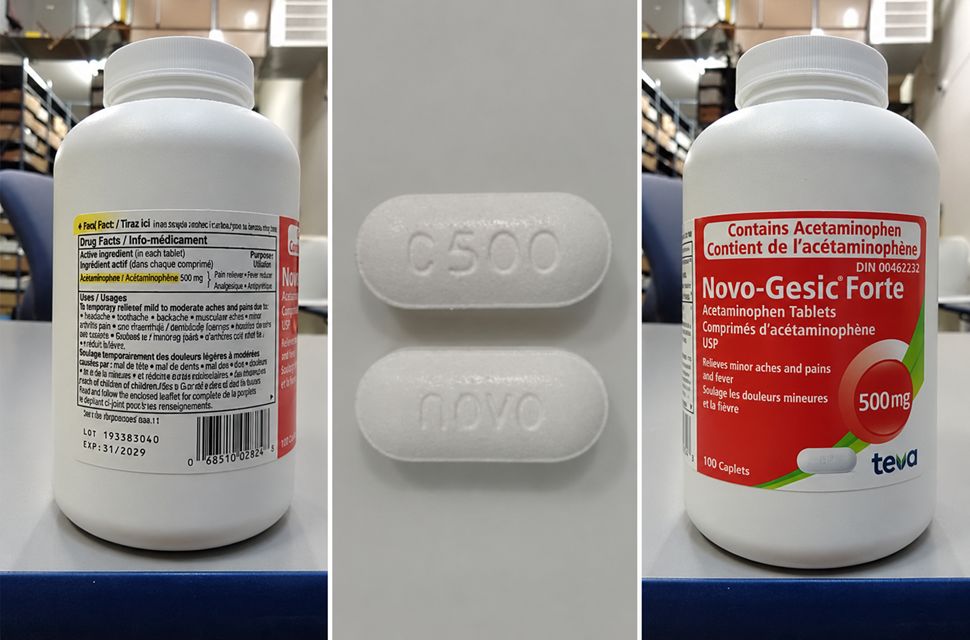
Health Canada has issued a formal recall notice for a specific lot of generic acetaminophen tablets manufactured by Teva Canada Limited, a Toronto-based pharmaceutical company. The recall stems from the potential presence of industrial-grade phenolic resin or epoxy materials in the medication, substances not meant for human consumption. These tablets were marketed under the brand name Novo-Gesic Forte with a 500 mg dosage strength.
Product distribution and identification challenges
The affected product was distributed to Canadian pharmacies in large 1,000-count bottles, though patients would have received smaller quantities dispensed in pharmacy packaging. Health Canada's advisory did not specify the exact lot number being recalled or provide visual identifiers of the product. This lack of specific identifying information has led to consumer concerns about how to determine if their medication is part of the recalled batch. Some social media comments questioned whether certain generic acetaminophen products, such as Walmart's 500mg red tablets, might be affected.
Contamination details and manufacturing concerns
The phenolic resin and epoxy materials detected pose particular concern because they are commonly used in industrial applications like adhesives and coatings, not pharmaceutical manufacturing. Health Canada has not disclosed how these substances may have entered the medication supply chain. The agency's notice did not specify whether the contamination would be visible to consumers. Some online commentators criticized domestic pharmaceutical production capabilities, with one remarking "Canadians can't make anything" and suggesting imports might be safer.
READ MORE: Health Canada recalls 10,000+ Galanz retro refrigerators due to fire and electrical hazards
READ MORE: Blue Jays' Vladimir Guerrero Jr. apologizes for contract comments amid career-worst season
Potential health impacts and medical advice
Health Canada has warned that ingestion of tablets containing these industrial materials could lead to internal injuries. "If ingested, these materials may cause injury to the digestive system," the agency stated in its public notice. While no injuries have been reported to date, the precautionary recall aims to prevent potential harm. The advisory recommends that patients who may have consumed the contaminated product and experience health concerns should consult their healthcare provider.
Consumer instructions and pharmacy procedures
Canadians in possession of the affected medication should immediately stop using the product and return it to their dispensing pharmacy. Health Canada emphasized that pharmacies should provide replacements and ensure proper disposal of the recalled tablets. The agency noted that because the medication was repackaged by pharmacies from bulk containers, consumers might need assistance from pharmacists to determine if their specific supply is part of the recalled lot. Some consumers have requested clearer identification methods and images of the product packaging.
Regulatory oversight and company response
Teva Canada Limited, the manufacturer and distributor, has voluntarily initiated the recall process. As a subsidiary of international pharmaceutical giant Teva, the Canadian branch maintains customer service channels to field questions about the recall. Health Canada maintains active oversight of the situation, stating it will "monitor the recall and the company's preventative and corrective actions." The federal regulator pledged to take additional measures if further safety issues emerge from ongoing investigations. Some social media users speculated about potential legal action, with one comment mentioning "a class action lawsuit against the company."
Reporting mechanisms and consumer communication
Health Canada operates a formal reporting system where consumers can document any adverse effects or quality complaints related to pharmaceuticals. This mechanism helps regulators identify potential health impacts and broader quality control issues across the pharmaceutical industry. Patients can also contact Teva Canada directly through its customer care department for specific guidance about product returns and replacements. The company has not disclosed how many bottles from the affected lot entered the Canadian market or which regions received distribution. Some readers criticized media coverage for not including direct links to official sources or product images.
Broader implications for drug safety
This recall highlights systemic challenges in pharmaceutical quality control, particularly for generic medications that account for most prescriptions filled in Canada. The incident raises questions about manufacturing safeguards and supply chain transparency, especially when pharmacies repackage bulk medications. Some consumers have expressed frustration about difficulties identifying affected products, suggesting room for improvement in recall communication methods. The case may prompt discussions about enhancing traceability in pharmaceutical distribution to enable faster identification of compromised products during safety alerts.
Regulatory framework and public health protection
Health Canada's involvement in promoting the manufacturer's recall demonstrates the collaborative approach between regulators and companies when addressing potential public health risks. The agency's advisory stated: "Health Canada is monitoring the recall and the company's preventative and corrective actions. If additional safety concerns arise, Health Canada will take appropriate action and inform Canadians as needed." This recall follows established protocols for addressing potential medication safety issues, though some consumers questioned why the headline emphasized Health Canada's role when the company initiated the recall.