Peel paramedics launch medical drone pilot project to deliver life-saving supplies in emergencies
Peel Regional Paramedic Services is testing drones to deliver emergency medical supplies like defibrillators and naloxone to patients before ambulances arrive in a groundbreaking pilot project based in Bolton.
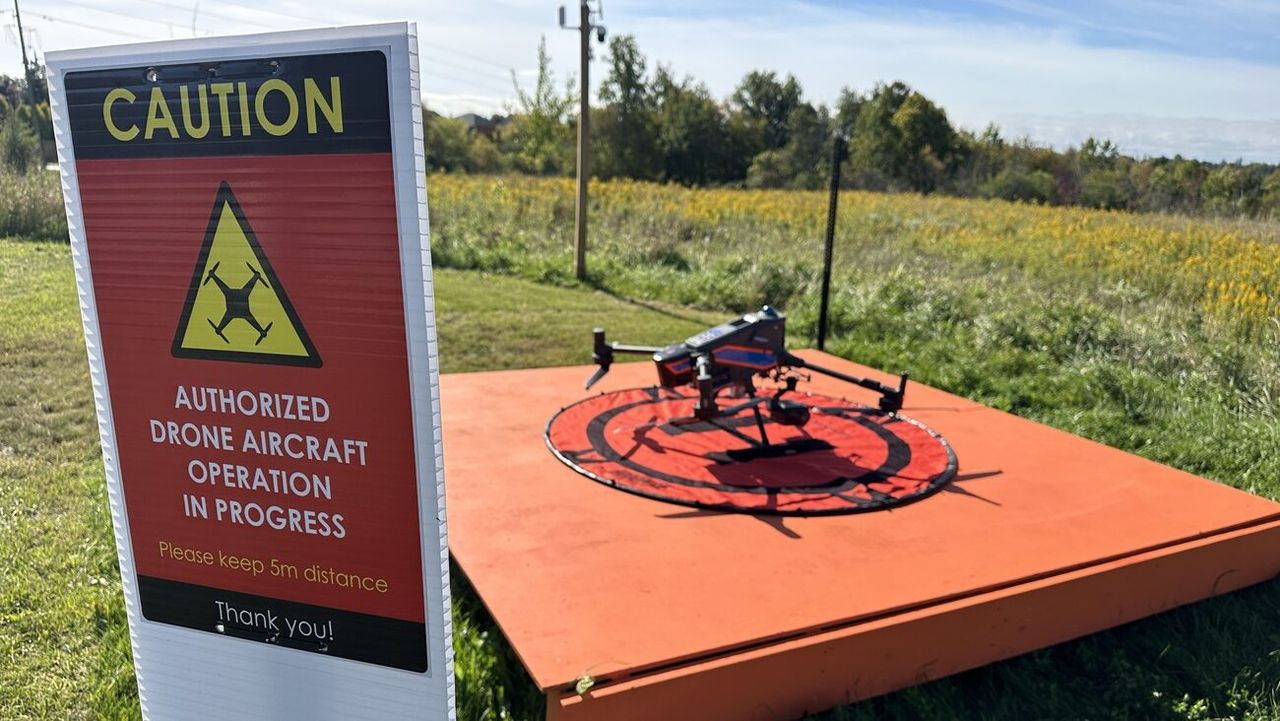
Peel Regional Paramedic Services has launched an innovative medical drone response pilot project that could transform emergency care delivery in Caledon, Brampton and Mississauga. The program, which began operating in Bolton this week, represents a significant technological leap in pre-hospital care by deploying unmanned aircraft to deliver critical medical supplies to emergency scenes ahead of ambulance arrivals.
How the drone emergency response system operates
The drone operations center is based at a combined paramedic and fire station near Highway 50, strategically positioned to serve a four-kilometre radius. When a qualifying 911 call comes in, specially trained paramedic personnel can dispatch the drone loaded with carefully selected medical equipment. The payload includes automated external defibrillators for cardiac arrests, epinephrine auto-injectors for anaphylactic reactions, naloxone kits for opioid overdoses, and trauma supplies to control severe bleeding.
Paul Snobelen, a community programs specialist with Peel Paramedics, explained the carefully designed deployment protocol: "We've got a boundary setup that is Transport Canada-approved. We file a flight plan saying in this area, we are going to respond to 911 calls." This regulatory compliance ensures safe integration with other air traffic while allowing rapid emergency response.
READ MORE: North York Collision Sends One to Hospital Amid Busy Day for Toronto Emergency Services
READ MORE: Pentagon Implements Mandatory Testosterone Testing for Male Troops Over 30
The delivery process and coordination
Once airborne, the drone follows a pre-plotted course to the emergency location at speeds up to 100 km/h, though operators typically maintain a safer cruising speed of 40 km/h. Upon arrival, the system identifies a safe drop zone, hovers approximately 10 feet above ground, and releases a specially designed medical supply bag. The entire operation is coordinated through real-time communication between drone operators and 911 dispatchers.
Snobelen detailed the critical handoff process: "It is up to Snobelen or another drone operator to radio to 911 dispatchers to advise the package has been dropped. The 911 call taker will tell the resident where the package is and to bring it to the patient, and that's when instructions will be given over the phone or through a Facetime connection." This smooth integration with existing emergency systems ensures bystanders can provide immediate care while awaiting paramedic arrival.
Time-critical advantages of drone delivery
Preliminary operational data demonstrates the drone's potential to revolutionize emergency response times. The aircraft typically reaches patients three to eight minutes faster than ground ambulances, a potentially life-saving difference for time-sensitive medical emergencies. "Minutes matter in this scenario, so the sooner we have an intervention the better the outcome can be," Snobelen emphasized, highlighting the clinical significance of these reduced response intervals.
The drone's ability to bypass common ground response obstacles provides a distinct advantage. "We don't compete with traffic, we don't compete with red lights and geography isn't an issue for us," Snobelen noted. While weather conditions like poor visibility and strong winds can affect operations, the system maintains functionality in many inclement conditions that might slow traditional emergency vehicles.
Program funding and technological innovation
The $250,000 pilot project represents a significant investment in emergency medical innovation. Alison Crossby, the community programs unit commander, explained that these funds cover all required equipment, specialized software, comprehensive training programs, and initial operating costs. Sunnybrook Health Sciences Centre contributed grant and research money to support the initiative, recognizing its potential to improve patient outcomes.
Crossby positioned the program within broader healthcare trends: "This is the future of technology. It's the future of innovation. It's the future of healthcare, and we have seen the need to do this type of activity for several years." The project builds on growing recognition that technological solutions can enhance traditional emergency response systems without replacing them.
Clinical impact and performance metrics
The program focuses on medical emergencies where minutes dramatically affect outcomes. Crossby explained the critical time factor: "Minutes really do matter in a cardiac arrest or in a life-saving emergency; It can be the difference between somebody recovering and having full cognitive capacity afterwards or not leaving the hospital afterwards." For cardiac arrests specifically, every minute without intervention reduces survival chances by 7-10%, making the drone's time savings clinically significant.
The service has set an ambitious operational goal of responding to 50 percent of targeted emergency calls during the pilot phase. Performance data will be meticulously collected and analyzed to evaluate the system's effectiveness. When asked about success criteria, Crossby offered a straightforward response: "Saving a life, it's as simple as that."
Future considerations and program evaluation
The pilot project includes plans for continued operation through winter months, with appropriate maintenance protocols to ensure drone reliability in colder conditions. A comprehensive review process will examine all collected data to determine the program's future. Crossby noted that it remains unclear when the final evaluation report will be completed and presented for consideration of potential expansion or modification.
The service will assess multiple performance indicators including response time improvements, delivery success rates, equipment utilization patterns, and most importantly, clinical outcomes for patients receiving drone-delivered interventions. This data-driven approach ensures any decisions about continuing or expanding the program will be grounded in empirical evidence.
Broader implications for emergency medical services
This pilot project represents a potential paradigm shift in emergency medical response strategies. By leveraging drone technology to bridge the critical gap between emergency recognition and professional intervention, the program addresses fundamental limitations of traditional ambulance-based systems. The approach proves particularly relevant for urban areas with traffic congestion and rural regions with geographical challenges that delay conventional emergency responses.
If successful, the Bolton pilot could serve as a model for similar initiatives across Canada and internationally, potentially transforming how communities approach time-sensitive medical emergencies. The project exemplifies how technological innovation can enhance existing healthcare infrastructure to improve patient outcomes without requiring complete system overhauls.