MPs divided over AI use in House of Commons as study reveals 20% of speeches may be machine-generated
A new report showing potential AI-generated content in Canadian parliamentary debates has sparked a sharp divide among MPs about responsible use of the technology, with some embracing it as a research tool while others reject it for legislative discourse.
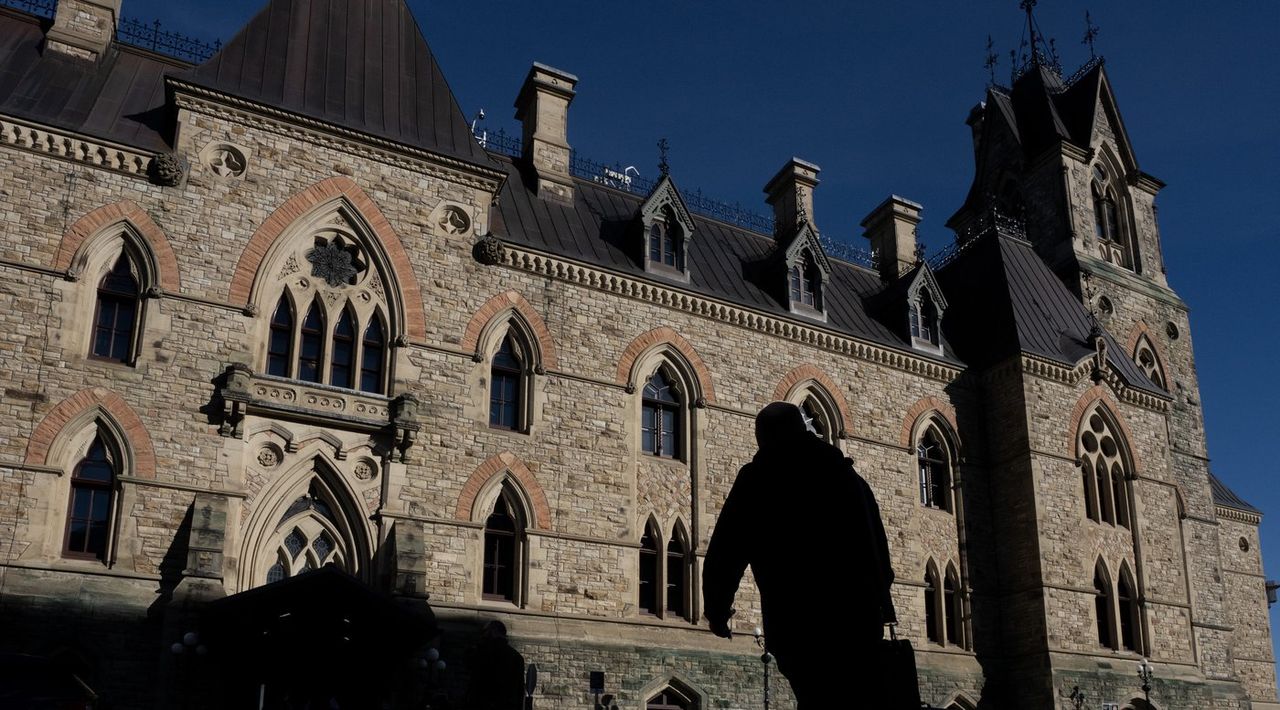
The revelation that artificial intelligence may be drafting a significant portion of speeches in Canada's House of Commons has ignited a heated debate among lawmakers about the appropriate role of technology in parliamentary democracy. A recent analysis by The Economist found approximately 20% of statements made by Members of Parliament in late 2025 showed characteristics of AI generation when examined through detection software, placing Canada among the highest adopters of the technology in comparable legislatures worldwide.
Study methodology and findings
The Economist's research team conducted a systematic review of parliamentary records from Canada, the United Kingdom, Australia, New Zealand and the United States. Focusing on entries in Hansard - the official verbatim record of House proceedings - analysts examined speeches exceeding 100 words using the AI detection tool Pangram. This approach allowed for consistent cross-national comparison of potential AI influence on legislative discourse.
Canada emerged with the second-highest rate of suspected AI-generated content among the five nations studied. The 20% figure represents a substantial minority of parliamentary speechmaking that may originate from machine learning models rather than direct human authorship. While AI detection technology remains imperfect and produces some false positives, the scale of these findings suggests significant AI adoption among Canadian legislators.
READ MORE: Canadian oil profits soar 68 percent while capital spending lags, Deloitte reports
READ MORE: Alison Bechdel, Alice Oseman among authors in award-winning graphic novels list
MP reactions reveal deep divisions
Conservative MP Sandra Cobena acknowledged widespread AI use among her colleagues, describing it as "a great research tool" that requires careful application. Her party currently lacks formal guidelines governing AI-generated speeches, but she emphasized an expectation of responsible use. Fellow Conservative Luc Berthold confirmed using AI for research purposes but noted its limitations in capturing the emotional expression important to his Quebec constituents.
Liberal MP Greg Fergus presented a stark contrast, declaring himself "an analog man" unfamiliar with AI technology. He questioned its appropriateness for legislative debate, stating "I don't think it's useful" for creative engagement on lawmaking. Prime Minister Justin Trudeau's office separately confirmed neither he nor his staff employ AI to craft statements for House proceedings.
Emerging ethical questions
The debate among MPs reveals nuanced perspectives on appropriate AI use in parliamentary work. Liberal MP Ben Carr distinguished between wholesale speech generation, which he called "somewhat problematic," and more limited applications like organizing thoughts. Conservative MP Scott Reid described a practical instance where he consulted AI during question period to quickly reference parliamentary procedure when facing disruptive heckling from across the aisle.
The Green Party emphasized individual member autonomy in deciding whether to use AI tools, while noting leader Elizabeth May's personal avoidance of the technology. The New Democrats are developing formal policies on AI usage in consultation with parliamentary staff unions, suggesting political parties may soon implement clearer guidelines for their members.
International context and implications
Canada's apparent position as a relatively high adopter of AI-assisted speechwriting among peer democracies coincides with global legislative efforts to address the technology's rapid advancement. Several European parliaments have begun implementing disclosure requirements for AI-generated content in official proceedings, while U.S. congressional committees have held extensive hearings examining the political implications of generative AI systems.
The lack of transparency mechanisms in Canada's House of Commons raises questions about whether constituents should know when their representatives' words originate from machine learning models rather than direct human thought. Unlike requirements for declaring conflicts of interest or lobbying contacts, no rules currently mandate disclosure of AI assistance in crafting parliamentary statements.
The future of AI in governance
As language models grow increasingly sophisticated, distinguishing between human and machine authorship becomes more challenging - and potentially more consequential for democratic accountability. The central concern extends beyond who writes speeches to whether AI use enhances or diminishes genuine representation. Tools that help MPs synthesize complex information could strengthen governance, while overreliance might erode authentic connection between legislators and constituents.
The Canadian Parliament now faces the complex challenge confronting many democratic institutions: how to adopt technological advancements that improve efficiency and information processing without compromising the human judgment and personal connection at the heart of representative government. The current debate among MPs suggests this conversation is only beginning, with positions ranging from enthusiastic adoption to outright rejection of AI's role in legislative discourse.
Technical and procedural considerations
The practical implementation of AI tools in parliamentary work raises several technical questions. Conservative MP Luc Berthold's observation about AI's difficulty capturing emotional expression for Quebec constituents highlights limitations in cultural and linguistic nuance. Similarly, Liberal MP Ben Carr's distinction between using AI for research versus complete speechwriting suggests varying levels of comfort with the technology's applications.
Procedurally, Conservative MP Scott Reid's use of AI to quickly reference Standing Orders during a heated question period demonstrates how the technology could assist with real-time parliamentary operations. However, without clear guidelines or disclosure requirements, such uses remain ad hoc and potentially inconsistent across parties and individual members.
Looking forward
The emergence of AI in Canada's parliamentary debates reflects broader societal tensions about technology's role in human communication and decision-making processes. As the New Democrats' development of an AI usage policy indicates, political parties may begin establishing more formal frameworks to govern these tools' application in legislative work.
The conversation extends beyond mere speechwriting to fundamental questions about representation, authenticity and technological augmentation in democratic governance. With AI capabilities advancing rapidly and detection methods struggling to keep pace, Canada's Parliament may need to address these questions sooner rather than later to maintain public trust in its proceedings.