Sudden closure of ILAC leaves international students stranded, families out thousands in tuition
The abrupt bankruptcy shutdown of the International Language Academy of Canada has left international students like 17-year-old Nikita Emelinov scrambling for alternatives while facing devastating financial losses, with families unable to recover tuition payments or secure immediate education options.
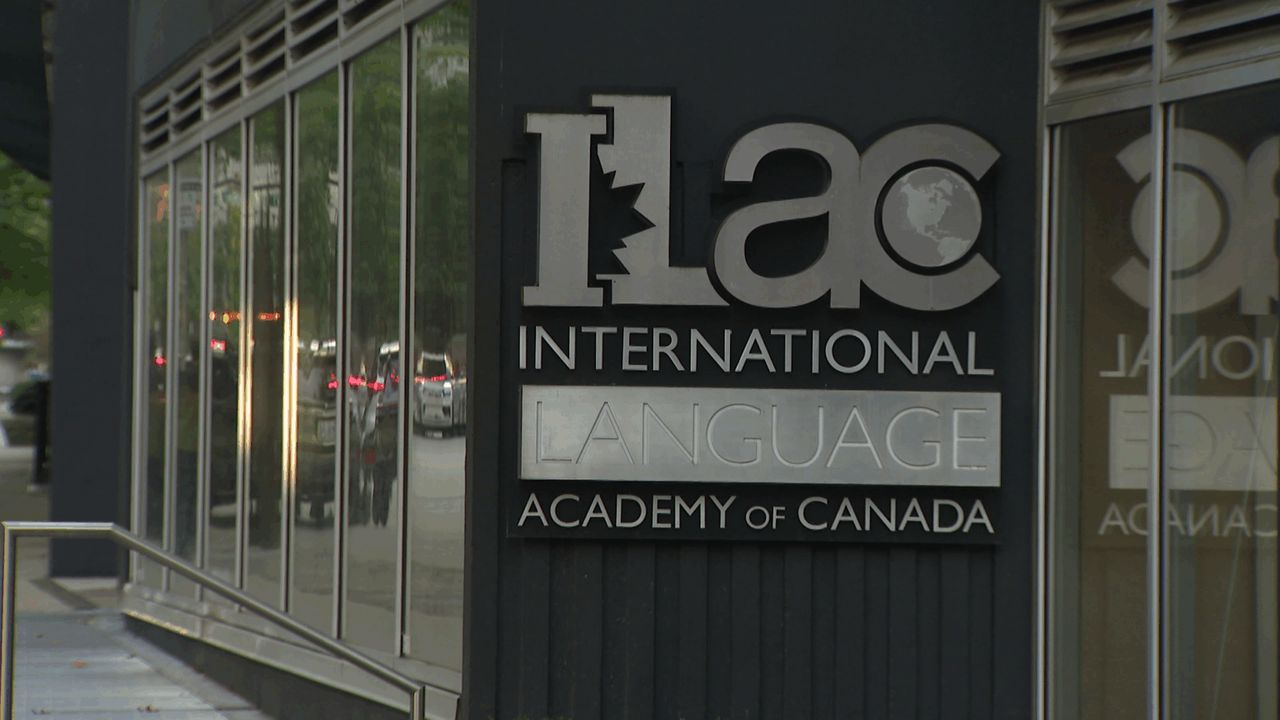
The sudden bankruptcy closure of the International Language Academy of Canada (ILAC) has created an educational and financial crisis for hundreds of international students across Canada. The private language school, which operated multiple campuses nationwide, ceased operations without warning on September 18, leaving students and their families struggling to find alternatives while facing significant financial losses.
Russian student's educational journey disrupted
Nikita Emelinov, a 17-year-old student from Russia, represents one of the most affected cases from ILAC's sudden closure. Having moved to Canada last year specifically to attend ILAC, Emelinov had just returned to begin Grade 11 when the school announced its immediate shutdown via email. Emelinov arrived in Canada with no English language skills and relied heavily on ILAC's specialized programs to develop his language proficiency. His goal was to complete his education in Canada and eventually attend college to become an automotive mechanic.
"My feeling was so sad. And actually, I don't know what it will be tomorrow, what I'm doing. I need to go to another school,"Emelinov told CityNews, capturing the profound uncertainty facing students after the closure.
Financial devastation for international families
The financial impact on Emelinov's family has been catastrophic. His sister Anna explained that their parents in Russia spent nearly a decade's worth of savings - equivalent to about ten years of Russian salaries - to pay for his education at ILAC. With the school's bankruptcy proceedings underway and no refunds currently available, the family finds itself unable to enroll Nikita in another private institution. Anna, who also attended ILAC when she first immigrated to Canada more than four years ago, described feeling deeply betrayed by the school's abrupt closure.
"We had so much trust to it. I was studying there I know a lot of friends and teachers who were also connected to that school but now they just left us with nothing,"she said, expressing the emotional toll on former students.
READ MORE: Canada loses 68,300 jobs in September, erasing all gains for the year
READ MORE: CIBC's prime rate holds at 4.45% as mortgage borrowers weigh options
Immigration policy shifts contribute to institutional collapse
ILAC's leadership cited federal restrictions on international students as a significant factor in the school's financial difficulties. In a statement to CityNews, the CEO explained
"Limits on international students means fewer people can access the education and opportunities we were built to provide."This reflects broader changes in Canadian immigration policy, where the government has been systematically reducing study permit approvals to alleviate housing shortages and infrastructure pressures. Official government data shows a dramatic reduction in study permits issued, dropping from nearly 300,000 in 2024 to under 115,000 in 2025, with further reductions anticipated this year.
Structural barriers to continuing education
For international students like Emelinov who lack permanent residency status, the closure creates nearly insurmountable barriers to continuing their education in Canada. Without access to public schools and unable to afford alternative private institutions due to their lost tuition payments, many students find themselves in legal and educational limbo. Emelinov's sister Anna has temporarily assumed financial responsibility for her brother while they desperately seek solutions through immigration agents and community networks.
"I wish they could just help us to find a new school, either private or public, enrol him there and give him an opportunity to study,"she pleaded, underscoring the urgent need for transitional support systems.
Broader implications for Canada's international education sector
The collapse of ILAC exposes critical vulnerabilities in Canada's international education system, particularly regarding private institutions that depend almost exclusively on foreign student tuition. These schools often serve as crucial gateways for newcomers to develop language skills and adapt to Canadian society before transitioning to mainstream education. Anna emphasized the unique value these programs provide:
"What they were doing for international students was a great opportunity for everybody. It's just really sad."The sudden closure raises serious questions about oversight mechanisms and student protections in the private education sector.
Complete breakdown in communication
Affected students and families report receiving no direct communication from ILAC about potential refunds, assistance with transferring credits, or accessing academic records since the closure announcement. KPMG Canada, appointed as trustee for the bankruptcy proceedings, has established an email contact for financial inquiries, but this offers little immediate help for students needing to continue their education. CityNews attempted to contact both ILAC and the Ontario government for updates on the closure process, safeguards for students, and assistance accessing records and refunds, but received no responses by their deadline.
Systemic failures in student protections
This situation reveals alarming gaps in Canada's safeguards for international students attending private institutions. Unlike public schools with more stable funding structures, private schools operate as businesses vulnerable to market fluctuations and sudden policy changes. The federal government's rapid reduction of study permits, while intended to address housing concerns, has created unintended consequences for educational institutions and the students who depend on them. The lack of contingency planning for such closures leaves international students particularly exposed to financial and academic disruption without recourse.
The human cost of institutional failure
Beyond the financial losses, the closure has created profound personal challenges for students like Emelinov who invested not just money but their futures in ILAC's programs. Anna described her brother's predicament:
"He could spend time studying, learning English better, supporting his future career."Instead, he faces indefinite interruption to his education. The family's situation highlights how institutional failures can derail carefully planned immigration and education pathways, with potentially lifelong consequences.
Pathways forward for affected students
As Canada continues adjusting its immigration and international education policies, the ILAC closure demonstrates the urgent need for comprehensive protections for students' financial investments and educational continuity. Potential solutions could include tuition protection funds, mandatory contingency plans for private institutions, improved communication protocols during closures, and transitional support services. The case also underscores the importance of diversifying international students' options beyond private institutions to ensure more stable educational pathways in Canada.