Experts advise worker on handling stress leave and future job prospects
Career coaches offer guidance on taking medical leave for burnout and how to address it with current and potential employers.
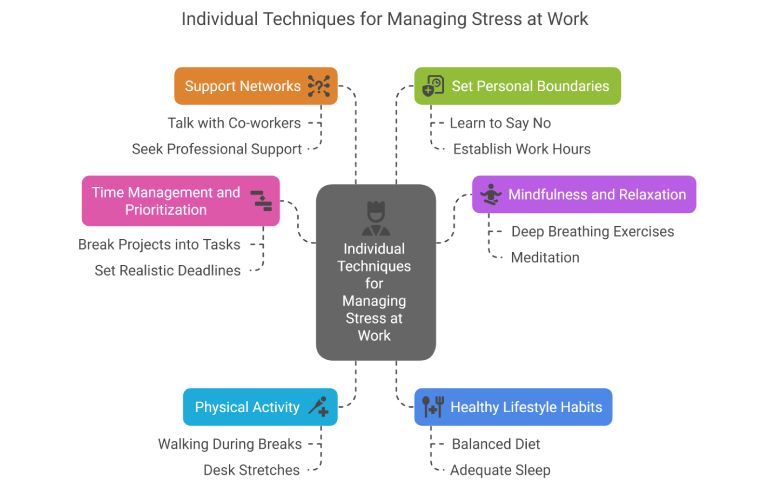
A worker approved for a two-month stress leave is seeking advice on how to protect their career prospects while prioritizing their health.
Jenny Chen, CEO of Catalais Consulting Ltd. in Ottawa, and career coach Luki Danukarjanto of Focus Inspired in Toronto responded to the query in The Globe and Mail's Nine to Five column.
"Take the leave. I say that not only as someone who advises organizations on workplace culture, but as someone who has experienced burnout myself," said Chen.
READ MORE: Unifor to hold strike vote for 9,000 Stellantis workers in Canada
READ MORE: CSIS overhauls hiring to meet operational needs amid recruitment challenges
Chen described her own experience with burnout, which led to a seizure at age 38.
She advised the worker to use the time away to determine if the burnout stems from work in general or their specific workplace environment.
"If the workload, culture or relationship with your manager contributed significantly to your burnout, leave may help you recover, but returning to exactly the same environment may prolong the problem," Chen said.
For future job searches, both experts said there is no obligation to disclose medical details about the leave.
"If the leave comes up at all, you can simply say you took an approved leave for health or personal reasons and are ready for your next opportunity," Chen advised.
Danukarjanto suggested keeping explanations simple and positive if asked why you are leaving a role.
"Something like, 'I’m always looking for growth and this role lined up with where I want to go.' It’s positive and consider making it true. You don’t owe anyone a detailed report of a difficult work relationship," Danukarjanto said.
He also warned against speaking negatively about a former employer in an interview.
Regarding promotions at a current company, Danukarjanto said the worker should assess their manager's support during the leave process.
He recommended having a calm, consistent narrative for co-workers if questions arise.
"Something like, 'I had some things going on and needed time to deal with them properly. I’m ready now to take on this promotion.' Share it confidently. No details are needed," Danukarjanto said.
Chen emphasized that taking leave should not negate an employee's prior accomplishments.
"Taking leave doesn’t erase the body of work that came before it. A two-month leave should not become a two-year apology," Chen said.
She added that employers who support leave on paper but penalize employees for taking it should examine their workplace culture.
Danukarjanto encouraged the worker to seek support from a therapist or coach during their time off.
He said the goal is to address the root causes of stress so they do not carry into the next job.
The experts' advice was published in response to a question submitted to the Nine to Five column.
With files from The Globe and Mail