Trump reverses course on Bombardier as trade war backlash threatens Republicans
The reversal comes as polls show Americans rejecting tariff policies and early Democratic voting outpaces Republicans in key states.
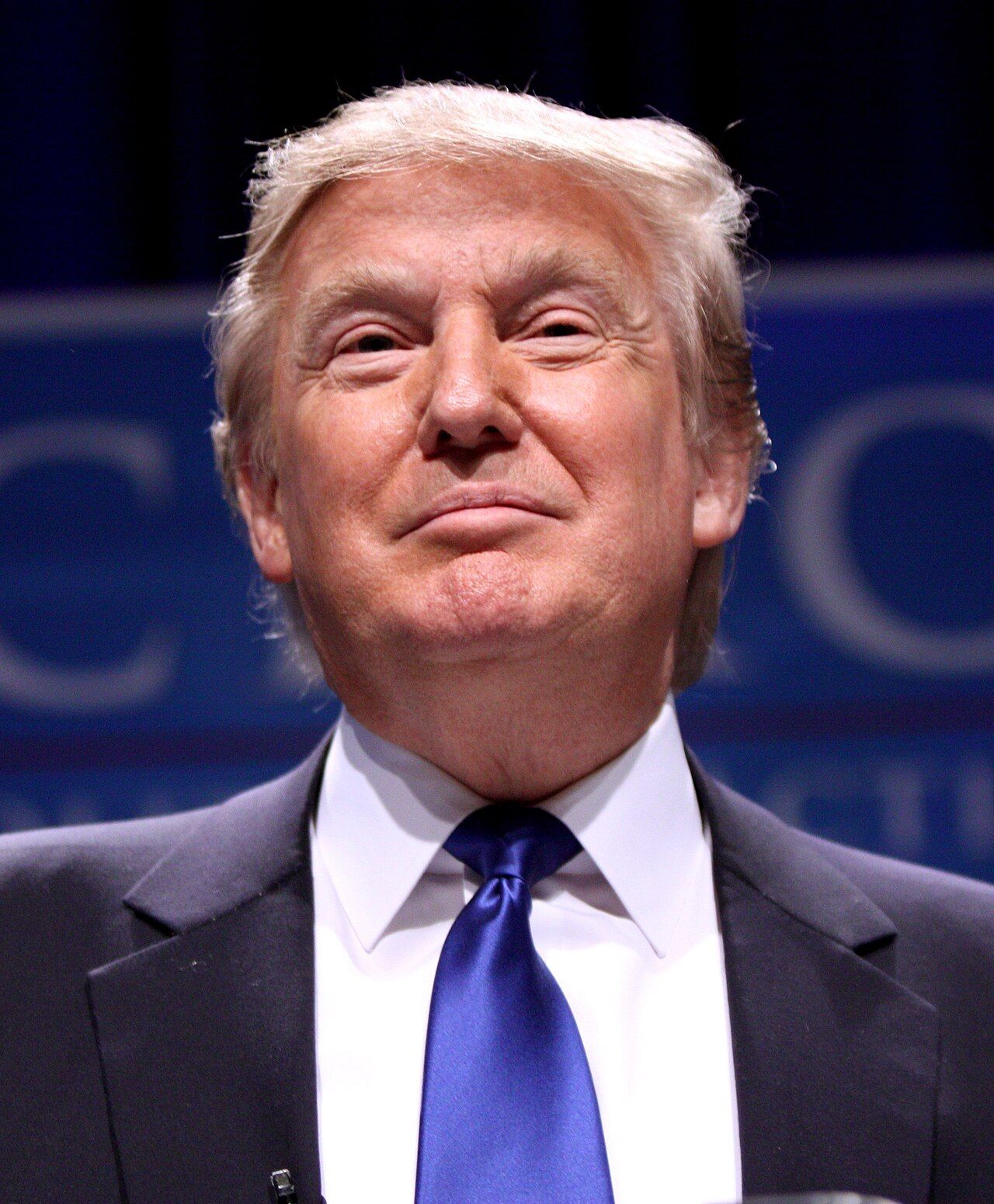
WASHINGTON · U.S. President Donald Trump has reversed a recent position that would have prohibited Canadian contractor Bombardier from doing business in the United States. The change comes with less than two weeks until the midterm elections, as polls indicate widespread American rejection of his administration's trade and tariff policies. U.S. Ambassador to Canada Pete Hoekstra also softened the White House stance, stating "we’re not in a trade war." Early voting is underway across the country, with Democratic turnout outpacing Republican totals in several key states. New polling shows public disapproval of Trump's tariff policies stands at a negative 33 points.
The trade conflict with Canada has alienated voters and cross-border businesses. Bombardier, which became a target as tensions escalated, employs 1,500 people at its plant in Wichita, Kansas. The company recently announced a US$50 million investment in the state, an initiative that seemed uncertain under the previous hostile climate. With those Kansas jobs now in question due to the president's earlier threats, voters in the traditionally conservative state are reconsidering their support. Rising tariffs, job uncertainty and voter anxiety are contributing to an electoral backlash.
The trade dispute is imposing significant costs on American households, according to analysis from the Yale Budget Lab. The average family is paying about US$1,000 more per year due to higher prices. This burden varies dramatically by region, hitting border states particularly hard. In Michigan, a crucial state for both parties because of its automotive supply chains, the additional cost per household can reach US$5,600. Canada's retaliatory tariffs have also impacted major export states like Ohio, affecting more than US$3 billion in goods and putting Democrats in a competitive position for gubernatorial and Senate races there.
READ MORE: Trump's tariff strategy faces political and economic headwinds ahead of midterms
READ MORE: U.S. importer sues Trump administration over tariffs on Canadian goods
Prime Minister Mark Carney said he and Trump recently discussed trade, the Iran war and the Middle East. Canada-U.S. Trade Minister Dominic LeBlanc suggested a trade deal before the midterms is possible, citing the political pressure on the White House from polls showing an increasingly hostile electorate. Sources say LeBlanc believes anything could happen regarding an agreement before next month's U.S. elections. Ottawa now sees the president's vulnerable political position as creating a potential, though narrow, opening for a deal.
Trump has repeatedly made derogatory and incorrect claims about Canada, and Ambassador Hoekstra has often inflamed tensions. These sustained hostilities have contributed to financial strain for many Americans. With the election approaching, voters are sending a message that they reject the costly trade war and attacks on Canadian sovereignty. The president appears to be grudgingly following the will of his constituents, a notable shift for a politician known for his stubbornness. Trump has reversed course before, but this time the hope is that the White House maintains its new trajectory.
With files from BNN Bloomberg