U.S. importer sues Trump administration over tariffs on Canadian goods
The lawsuit argues the president overstepped his authority by using a 1930s trade law that had never been invoked before.
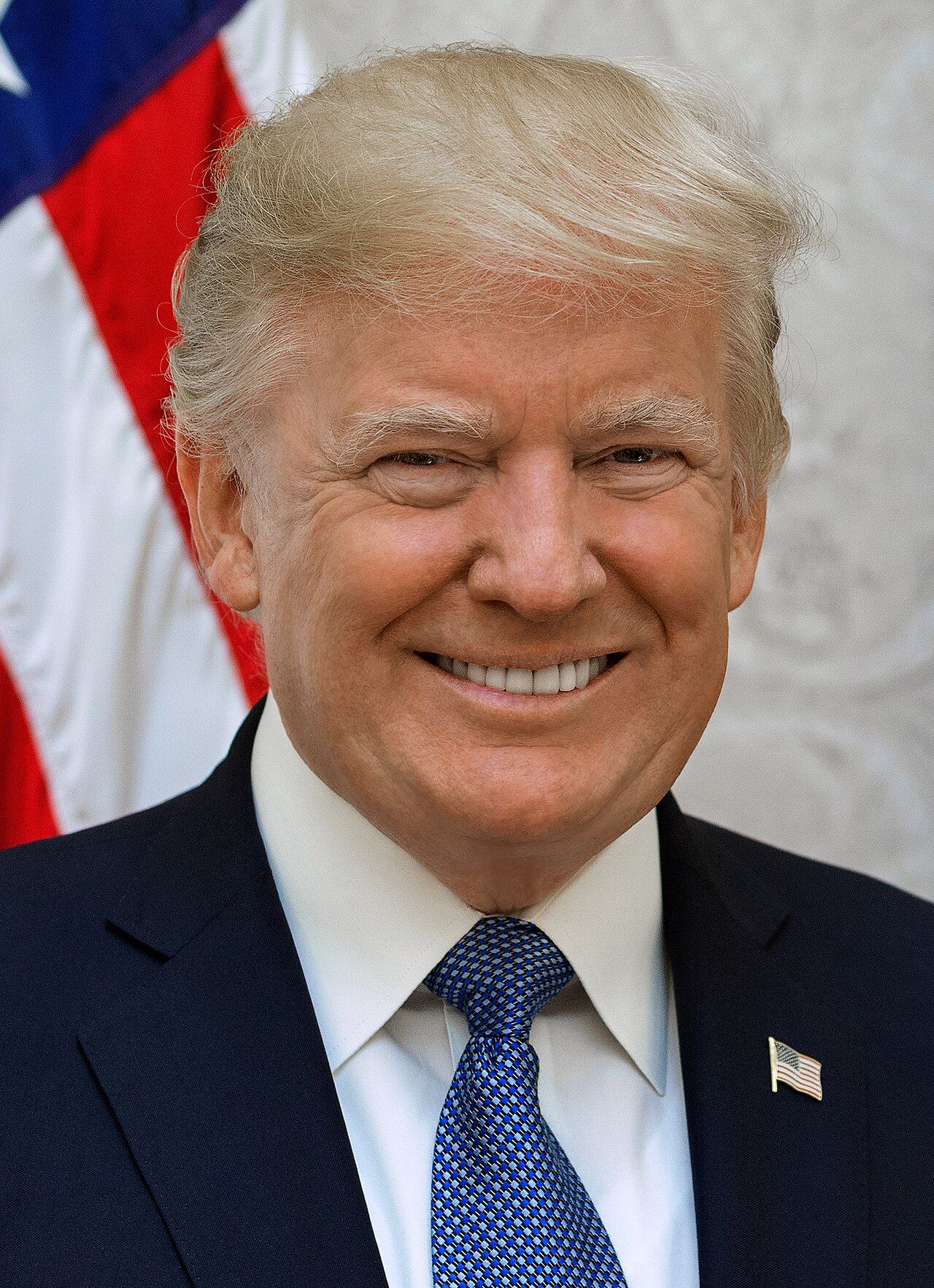
A U.S. food importer has filed a lawsuit challenging President Donald Trump's tariffs targeting Canadian goods. The lawsuit was filed Tuesday in the United States Court of International Trade by the non-profit Liberty Justice Center on behalf of New Jersey-based Gellert Global Group. It argues Trump's use of a Depression-era trade statute exceeds his presidential power. The case seeks to have the tariffs declared unlawful and to order a refund of duties paid.
The lawsuit targets Section 338 of the Tariff Act of 1930, which Trump used in August to impose 50 per cent tariffs on some US$20-billion worth of Canadian goods after trade talks broke down. The same statute was used the following month to ban the import of other Canadian goods, including motorcycles and some alcohol and dairy products. This marks the first time the 96-year-old law has been used, setting up its first legal test. "Using the Section 338, which is, in my opinion, a dormant statute from 1930 that has never been used before, just said to us that this is wrong and we should do something about it," Liberty Justice Center CEO Sara Albrecht said in an interview. In a news release, she added, "No president should have the power to pull a dormant statute off the shelf and use it to impose sweeping tariffs or import bans without the limits Congress required."
The White House has said Section 338 empowers the president to impose tariffs when a country puts U.S. exporters at a disadvantage relative to exporters in other countries, even though the law has never been used for that purpose. U.S. officials have said the duties are a response to provincial bans on U.S. liquor, Canada's supply managed dairy system and quotas on certain U.S. vehicles. The lawsuit counters that the cited Canadian policies do not justify the sweeping tariffs. It notes two of the measures, auto quotas and liquor bans, were actually a response to Trump's own earlier tariff measures. It also argues Canada's dairy supply management involves policies agreed to under the Canada-U.S.-Mexico Agreement, which was negotiated during Trump's first term and approved by Congress.
READ MORE: Trump tariffs threaten Canadian cheese makers' U.S. success
READ MORE: U.S. midterm results add new dynamic to Canada's trade and budget challenges
Gellert Global Group, a major importer of Canadian cheese, says it has been directly harmed. The company brought in roughly US$71-million worth of Canadian cheese in 2025 and estimates the new tariffs could cost it US$40-million per year. "These tariffs disrupt those relationships overnight and create costs and uncertainty that ripple through the entire supply chain," co-CEO Thomas Gellert said. The lawsuit claims the tariffs hit American businesses on both sides of transactions, citing an example where milk from New York is processed into brie in Canada before being sent back to the U.S.
The legal filing is the latest in a string of challenges to executive powers Trump has used to impose tariffs. The Liberty Justice Center was previously involved in a successful case that led the U.S. Supreme Court in February to rule against Trump's use of the International Economic Emergency Powers Act for tariffs, finding the Constitution gives Congress power over taxes and tariffs. A Trump administration official, speaking on background, said the president's actions will be vigorously defended in court and the lawsuit will not deter his commitment to levelling the playing field. The lawsuit raises concerns that if the duties remain unchecked, any president could use Section 338 to impose tariffs without meaningful congressional control. It does not challenge other U.S. tariffs on Canadian goods imposed under different statutes. Canada has retaliated with its own countertariffs on some $27-billion worth of U.S. goods.
With files from The Canadian Press, CBC News and The Globe and Mail