Filipino-Canadians celebrate historic representation in DreamWorks' 'Forgotten Island'
Toronto's Filipino community embraces groundbreaking animated film featuring Filipino leads and cultural mythology.
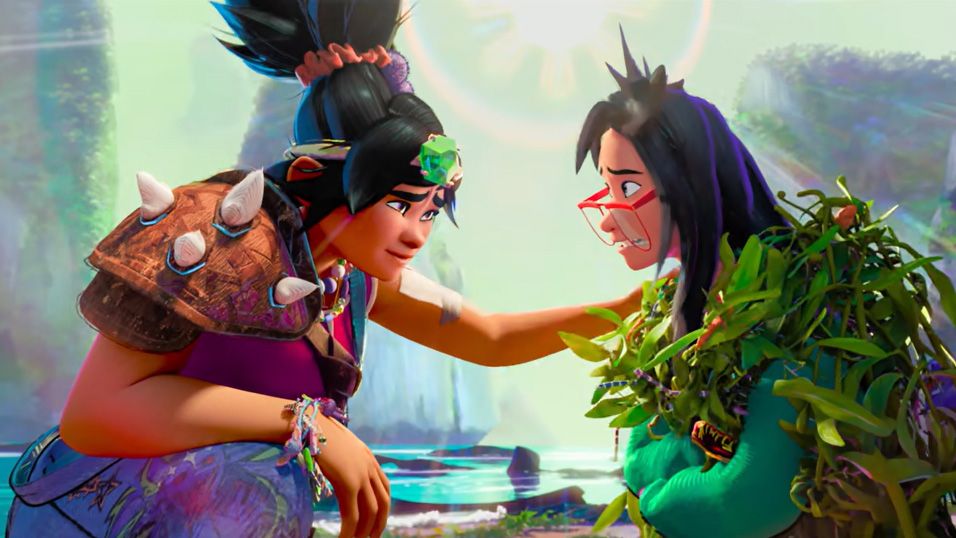
Toronto's Filipino community is celebrating a cultural milestone this week as DreamWorks Animation's new feature film "Forgotten Island" premieres in theaters worldwide. The film marks a significant breakthrough in mainstream media representation, being the first major animated production to prominently feature Filipino culture, mythology, and female lead characters. This momentous occasion has sparked profound emotional reactions among Filipino-Canadians who have long awaited seeing their heritage authentically portrayed on the big screen.
A watershed moment for representation
For Filipino-Canadian Andrea Custodio, attending an advanced screening at Queensway Cinema on Wednesday night was an unexpectedly powerful experience that transcended typical moviegoing. The film's vivid incorporation of Filipino cultural elements - from the symbolic sun imagery to the iconic jeepney vehicles - created a profound sense of recognition for audience members. Custodio told CityNews Toronto, "All the representation and symbols like the sun, jeepney, and all that. I think it's pretty cool that now even non-Filipinos can see that and experience the culture." The Toronto premiere, organized in partnership with Canada-based film enthusiasts' group Sine Institute, became a communal celebration of cultural visibility rather than just another movie screening.
The story behind 'Forgotten Island'
"Forgotten Island" presents a narrative deeply rooted in Philippine geography and mythology. Set against the vibrant backdrop of the Philippines, the film follows the mystical journey of two lifelong best friends, Raissa and Jo, as they embark on a quest to find the mythical island of 'Nakali' - a linguistically clever shortening of the Tagalog word 'nakalimutan' meaning 'forgotten.' The film's creative team made conscious efforts to incorporate authentic elements of Filipino folklore, most notably including 'Aswangs,' the shape-shifting supernatural beings from Philippine mythology that hold significant cultural meaning. Rosary Escano, vice president of Sine Institute, explained how the film meets a growing need among younger generations: "There are many kids from the Filipino community that are interested to learn more about their identity, to really know about mythology, about their history."
READ MORE: Kyle Lowry awarded Key to the City of Toronto for transformative impact on basketball and community
READ MORE: TIFF 2026 Wraps With Star-Studded Parties Across Toronto's Entertainment District
Star-studded Filipino voice cast
The film's commitment to authentic representation extends to its voice cast, which features an impressive roster of Filipino talent both from the Philippines and the diaspora. Filipino actor Liza Soberano brings protagonist Raissa to life with her vocal performance, while Oscar-winning Filipino-American artist H.E.R. lends her voice to Jo. The casting includes internationally renowned Filipina performer Lea Salonga, whose career spans Broadway and Disney animations, alongside Hollywood actors Dave Franco and Jenny Slate, and Filipino-Canadian Manny Jacinto. This deliberate casting choice ensures that Filipino characters are voiced by performers who share their cultural background, adding another layer of authenticity to the production. Escano noted the significance of this approach, saying "The way this film was able to tell that story in a funny, emotional way is something different."
Critical acclaim and community response
Early critical reception suggests the film's appeal extends far beyond cultural specificity. "Forgotten Island" currently holds a perfect 100% score on Rotten Tomatoes from professional critics, indicating strong universal appeal. However, for members of Toronto's Filipino community, the personal and cultural impact outweighs even the most glowing reviews. One visibly moved moviegoer shared their reaction: "I did not expect a movie, an animated movie like that to be that powerful. I cried, I laughed it was so funny." Sine Institute's president Michaelangelo Masangkay recognizes the film's potential for broader acceptance, stating "I think this is going to be embraced beyond the community."
A long-awaited cultural moment
The advanced screening in Toronto represented more than just a promotional event - it served as recognition of how long Filipino audiences have waited for this level of representation in Western animation. For decades, Filipino stories and cultural elements have been largely absent from mainstream animated features, making this release particularly significant. Escano's simple but profound statement - "We felt seen" - encapsulates the emotional weight of this moment for community members who have rarely encountered authentic portrayals of their heritage in popular media. The screening event became a space for collective celebration and recognition of this cultural milestone.
The impact of cultural representation
The significance of "Forgotten Island" extends beyond entertainment into the realm of cultural identity and belonging. For immigrant communities like Toronto's substantial Filipino population, seeing one's cultural identity authentically reflected in mainstream media provides validation and fosters intergenerational cultural transmission. The film's portrayal of Filipino mythology offers younger generations access to traditional knowledge that might otherwise become diluted in diaspora communities. This representation also serves an educational function for non-Filipino audiences, introducing them to aspects of Philippine culture they may have never encountered before. The overwhelmingly positive reception demonstrates how culturally specific stories can achieve universal appeal when crafted with care and authenticity.
Changing the animation landscape
The success of "Forgotten Island" could signal a turning point in how major animation studios approach cultural representation. By proving that stories rooted in specific cultural traditions can resonate with global audiences, the film paves the way for more diverse narratives in mainstream animation. This development holds particular importance for Canada's multicultural communities, who may see increased opportunities for their stories to be told on international platforms. The emotional response from Toronto's Filipino community suggests that such representation fulfills a deep-seated need for cultural recognition that goes beyond mere visibility. As the film opens in theaters worldwide this Friday, it carries with it the potential to redefine industry standards for cultural authenticity in animated storytelling.