Carney open to Alberta immigration deal similar to Quebec accord
The prime minister's comments follow a referendum where a slim majority of Albertans voted for more provincial control over newcomers.
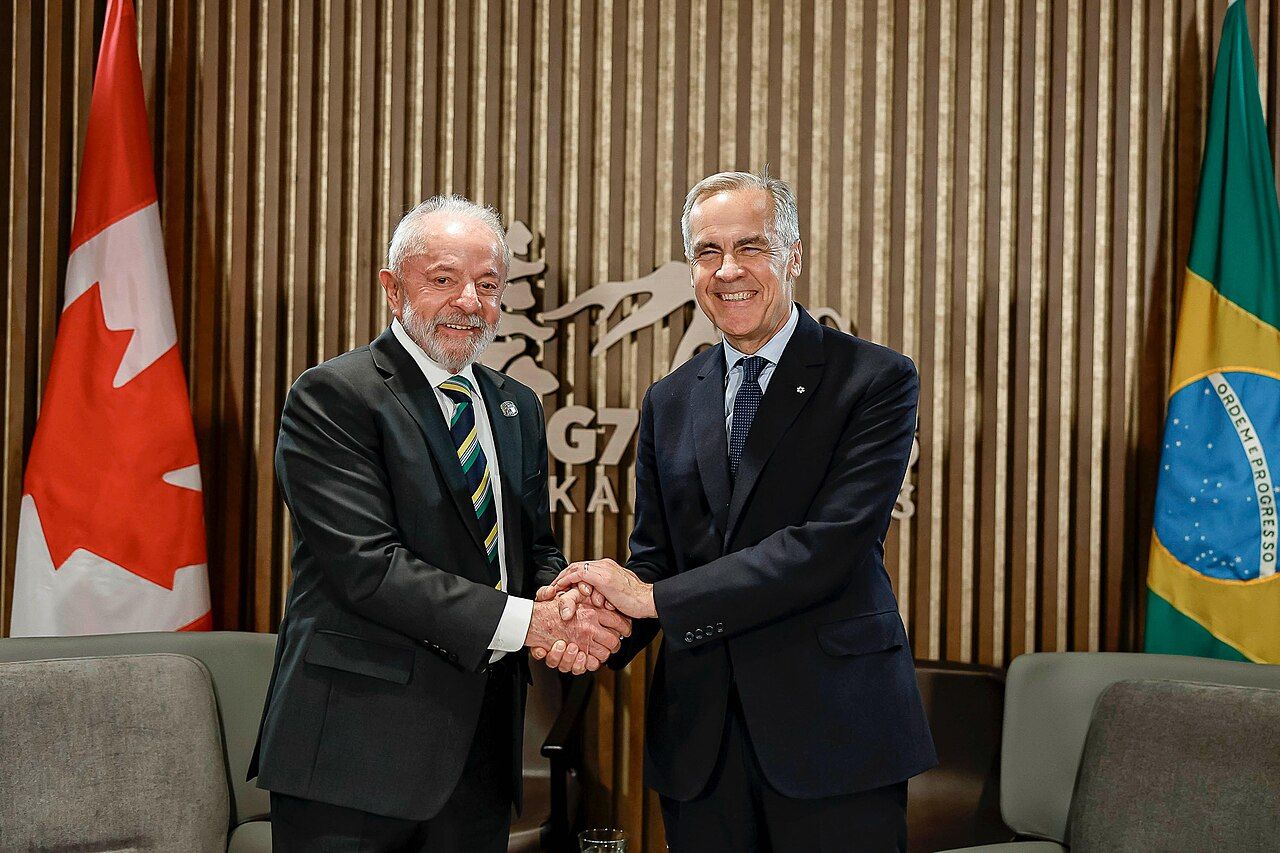
OTTAWA · Prime Minister Mark Carney says his government is open to granting Alberta greater authority over immigration, similar to a decades-old agreement with Quebec. He made the statement to reporters on Parliament Hill on Wednesday after being asked about a potential deal. Carney noted his administration is discussing with all provinces, except Quebec, the possibility of sharing powers over economic immigration. He added that Quebec is distinct due to its culture and language.
The comments follow a provincial referendum where about 53 per cent of Albertans voted in favour of taking more control to reduce immigration to sustainable levels. Premier Danielle Smith said she informed Carney a day earlier that her government is preparing a formal proposal. "We have been looking for some inspiration from Quebec’s 1991 Canada-Quebec accord," Smith told a news conference in Calgary. The 1991 pact gave Quebec the power to set its own targets for economic immigrants.
Carney defended his government's record, stating it has retaken control of immigration and is working with provinces to find the right levels. "We have been having discussions with the provinces’ first ministers around getting immigration, first and foremost, to the right levels," he said. The prime minister said the focus is on pragmatic solutions, not constitutional reform, to effectively distribute economic immigrants across the country. Federal immigration levels are scheduled for an update by next month.
READ MORE: Carney says Canada's future is for Canadians, not foreign tech firms
READ MORE: Mark Carney urged to use symbolic gestures to reshape Canada's path
The current federal plan sets targets of 385,000 permanent resident admissions this year and 370,000 for the next two years. This represents a reduction from earlier ambitions to reach 500,000 annually. Conservative Leader Pierre Poilievre criticized the government's approach, saying the Liberals have lost control of immigration. "Recently, the prime minister went to The New York Times, a foreign newspaper, to tell them that he wants to increase immigration. That too is a mistake," Poilievre said in Calgary on Tuesday.
Poilievre argued provinces should have more say over intake numbers because they deliver services for newcomers. The federal Conservative party also sent a fundraising email this week calling for immigration to be dramatically reduced. Carney had told The New York Times last month his government was considering when to resume a controlled population increase. Immigration Minister Lena Diab did not answer questions from reporters on Wednesday.
Also on Wednesday, Premier Smith explicitly barred separatists from running as candidates for her United Conservative Party. In a video address, she said the UCP is not an independence party and invited those intent on dividing it to join another group. This directive comes after 75 per cent of Albertans voted against triggering a binding vote on independence in the same referendum. Smith said candidates in next year's election must be committed to a strong Alberta within a united Canada.
Prominent independence leader Mitch Sylvestre, who leads a UCP constituency association, criticized the move. "I would have thought it would have been way better to try and unite the people that she already has that are actually going to do the work for her, instead of making everybody even angrier," Sylvestre told the Star. He warned Smith cannot win an election without their support. Smith said internal division over separation is what the opposition NDP wants. Liberal MP Corey Hogan from Calgary questioned the strength of Smith's mandate on immigration, given the slim majority in the referendum. He said the issue requires collaboration and that the referendum was chasing a challenge already being addressed. The UCP's annual general meeting is scheduled for next month in Calgary.
With files from The Canadian Press, BNN Bloomberg and Global News