Crime victims push for expanded mental health support in Ontario after tragic losses
Families affected by violent crime are advocating for improved long-term counseling services, citing gaps in current provincial victim support programs.
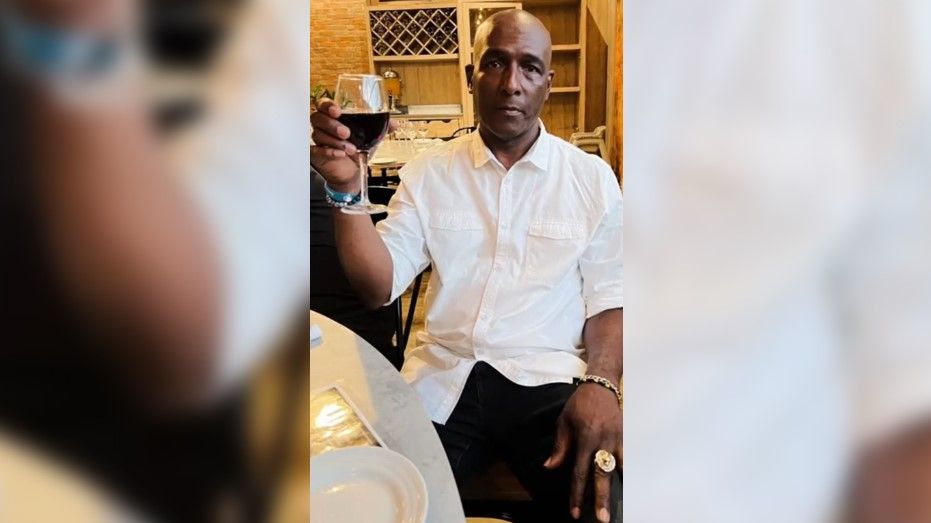
Heather Jones-Parkes remembers every detail of the phone call that shattered her family's life on June 2, 2024. Her husband Delroy "George" Parkes, a 54-year-old father and community member, had been fatally shot outside a North Etobicoke high school while gathering with friends after a soccer match. Police investigators determined the shooting resulted from a gang dispute where assailants "decided just to randomly shoot" when unable to reach their intended rivals, according to Jones-Parkes. More than two years later, she continues grappling with unanswered questions about her husband's final moments while confronting what she describes as systemic shortcomings in Ontario's victim support services.
The limitations of current victim services
While Jones-Parkes received initial counseling through Victim Services Ontario, a publicly funded program offering short-term support to family members of crime victims, she found the assistance insufficient for her long-term recovery needs. The program restricts participants to a limited number of sessions with government-approved counselors. "They give you a few sessions, and it has to be with counselors they provide; you have no choice," she told CityNews Toronto. This structure leaves many families without sustained mental health support as they handle complex grief and trauma that often persists for years. The Ministry of Children, Community and Social Services reports investing more than $62 million annually in victim support programs, including approximately $22 million specifically for the Victim Crisis Assistance Ontario initiative which provides victim-centered and culturally responsive supports. However, victims argue these resources primarily address immediate crisis needs rather than the enduring psychological impacts of violent crime.
A growing coalition demanding change
Through shared tragedy, Jones-Parkes has connected with other crime victims across Ontario, forming a collective voice advocating for policy reforms to mental health support services. Their efforts recently gained traction with Toronto Mayor Olivia Chow, who invited affected families to share their experiences firsthand. Jones-Parkes has also secured upcoming meetings with at least one Ontario MPP to discuss the need for expanded services. She emphasizes that survivors need comprehensive, long-term mental health services rather than financial compensation. "We're not looking for money or cheques," she stressed. "What we need is support to deal with the crime mentally and it's just not there." The coalition seeks to amplify the voices of those directly affected by violent crime in policy discussions about victim services.
READ MORE: Belleville officer injured in synagogue shooting faces 'long, difficult road' to recovery, wife says
READ MORE: Health Canada recalls 10,000+ Galanz retro refrigerators due to fire and electrical hazards
The personal toll of systemic gaps
For Jones-Parkes, the absence of adequate counseling manifests in persistent anguish over unresolved details of her husband's death. She struggles with questions that compound her trauma daily: "Maybe a counsellor could help me with what I am struggling through, like what were my husband's last thoughts? Who was there holding him when he was killed?" These unanswered questions represent common challenges for many victims' families, who often face financial barriers to accessing private therapy after exhausting limited public services. The current system's short-term approach forces survivors to either bear ongoing costs for professional help or cope without specialized support during critical periods of emotional recovery that can span years.
Government response and policy considerations
The Ministry of Children, Community and Social Services maintains that its victim services programs prioritize culturally responsive care, with VCAO offering crisis intervention, safety planning, and referrals to community resources. Officials highlight the $62 million annual investment as evidence of commitment to survivors of crime. However, advocates counter that these services primarily address immediate needs rather than the longitudinal mental health consequences of violent crime. Jones-Parkes' scheduled meetings with provincial representatives signal potential for policy discussions about extending counseling access, increasing session limits, and allowing survivor choice in mental health providers. The current system's restrictions on counselor selection and session duration emerge as particular pain points for families needing specialized, long-term support.
The psychological impact of violent loss
The sudden and violent nature of deaths like George Parkes' creates unique psychological challenges for surviving family members that differ significantly from bereavement following natural causes. Trauma experts note that violent bereavement often leads to more severe and prolonged grief reactions, with many survivors experiencing symptoms meeting criteria for post-traumatic stress disorder. These include intrusive thoughts about the death, hypervigilance, and difficulty processing the loss. Without proper therapeutic intervention tailored to trauma and violent loss, these symptoms can persist for years, affecting mental health, relationships, and daily functioning. The restricted counseling sessions currently offered through victim services often prove inadequate for addressing these complex, long-term psychological needs.
Financial barriers to healing
Many survivors find themselves caught between inadequate public services and unaffordable private therapy options, creating what mental health advocates describe as a treatment gap for trauma victims. The average cost of psychotherapy in Ontario ranges from $100 to $225 per session, putting long-term treatment out of reach for most families without comprehensive extended health benefits. While some workplace insurance plans cover limited sessions, they rarely provide sufficient support for the complex trauma resulting from violent crime. This financial burden adds another layer of stress to families already struggling with loss, with some forced to choose between essential living expenses and needed mental health care. Jones-Parkes articulates this dilemma: "For me personally there is so much more help I need, and I can't afford a therapist."
Community support and peer networks
Beyond formal counseling services, Jones-Parkes and other advocates emphasize the importance of peer support networks for crime victims. Connecting with others who have experienced similar losses can provide validation and understanding that professional services alone may not offer. These informal networks often fill gaps in the formal support system, offering practical advice and emotional solidarity through shared experience. However, survivors note that while valuable, peer support should complement rather than replace professional mental health services. The organic connections formed between crime victims have become an unintended consequence of systemic gaps, with families like Jones-Parkes' turning to each other for support when institutional resources prove inadequate.
Policy recommendations and future directions
The coalition led by Jones-Parkes proposes several specific changes to Ontario's victim support framework based on their lived experiences. These include extending counseling duration beyond the current limited sessions, allowing survivors to choose their own therapists rather than being restricted to government-approved providers, and creating specialized programs for families affected by violent crime. They also advocate for better coordination between victim services and existing mental health programs to ensure continuity of care. Their recommendations emphasize flexibility to accommodate individual needs and the long-term nature of traumatic grief. As these concerns gain political attention through meetings with officials like Mayor Chow, they present an opportunity to reassess how Ontario supports crime victims throughout their healing journey rather than just during initial crisis periods.
The broader implications of victim support
Jones-Parkes' advocacy underscores a critical gap in Ontario's approach to victim support, the failure to recognize violent crime's lasting psychological aftermath and its ripple effects on families and communities. While immediate crisis intervention remains essential, truly serving survivors requires committing to their long-term mental health needs. The current system's limitations force grieving families to either incur substantial therapy costs or face their trauma without professional support, potentially exacerbating conditions like PTSD, depression, and prolonged grief disorder. Addressing these concerns wouldn't just benefit individual families, it could reduce broader public health costs associated with untreated trauma while affirming society's responsibility to those impacted by violence. As Jones-Parkes continues her lobbying efforts while managing her own grief, her story highlights both the human cost of violent crime and the pressing need for systemic changes in how we support its survivors.