Canadian literary prizes rely on publishers to detect AI-generated books amid growing controversy
Major Canadian book awards say they depend on publishers to verify human authorship as AI-generated content sparks debate in the literary world, following a Canadian author's novel being pulled from a French prize over AI allegations.
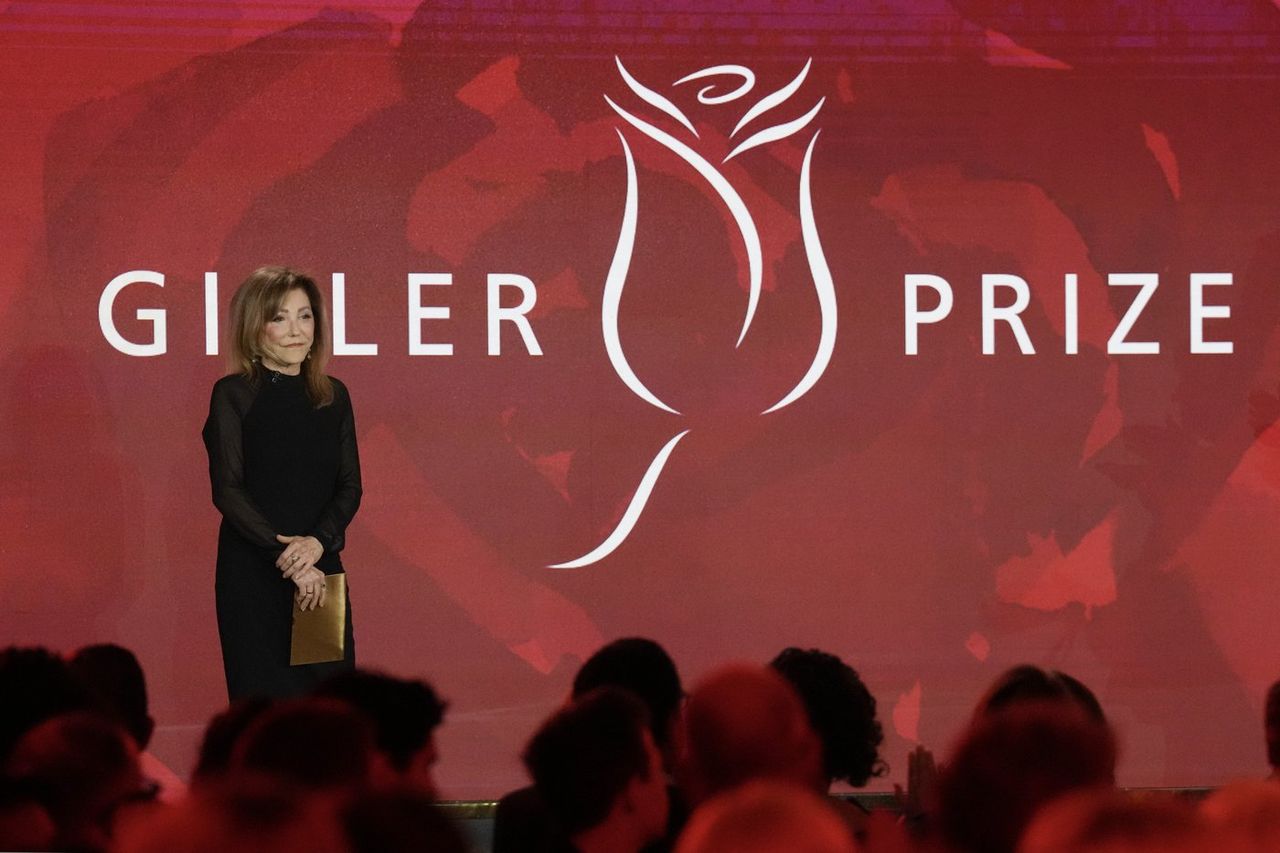
Canada's most prestigious literary awards are grappling with how to address the rising challenge of AI-generated content in book submissions while maintaining trust in the judging process. The Writers' Trust of Canada and Giller Foundation have confirmed they maintain explicit policies prohibiting AI-authored works from consideration, but acknowledge the complex reality that publishers currently serve as the primary gatekeepers in detecting machine-written material.
The publisher verification system
Both organizations require formal assurances from publishers that submitted works are entirely human-authored. David Leonard, executive director of Writers' Trust of Canada, explained their process: "For our major book prizes we rely on attestation from the publishers that the works are human-authored." This system places significant responsibility on publishing houses to thoroughly vet manuscripts before submission. The Giller Foundation's Elana Rabinovitch reinforced this approach, stating "the publishing houses work closely with authors and their work, and would be, I think, the first to ascertain whether any AI tools were used."
This reliance on publishers reflects both practical considerations and the literary community's traditional trust in editorial expertise. Publishers maintain ongoing relationships with authors throughout the writing and editing process, theoretically positioning them to recognize stylistic inconsistencies or other red flags that might suggest AI involvement. However, as Rabinovitch acknowledged, the sophisticated nature of current AI tools creates substantial detection challenges even for experienced professionals.
READ MORE: Goncourt Academy removes novel from prize consideration amid AI, plagiarism claims
READ MORE: Quebec author faces new plagiarism allegations amid AI controversy
Detection methods and limitations
The organizations maintain some technological safeguards but guard these closely to prevent circumvention. Leonard declined to specify what tools Writers' Trust uses to screen for AI content, noting that disclosure could help authors evade detection. Both prizes combine technological analysis with human review, recognizing that neither approach alone provides complete assurance. "Any concerns are reviewed carefully by people, not decided by tools alone," Leonard emphasized about their verification process.
The limitations of current detection methods have become increasingly apparent as AI writing tools advance. While early-generation AI content often contained identifiable patterns or lacked nuanced human expression, newer systems can mimic literary styles with remarkable accuracy. This technological progression forces literary organizations to continually adapt their screening processes while maintaining fairness to authors.
International controversy sparks urgency
The policy discussions gained new urgency following France's Académie Goncourt removing Canadian author Thélyson Orélien's debut novel from consideration for the prestigious Prix Goncourt. The decision came after allegations emerged that "C'était ça ou mourir" ("It was either that or dying") contained AI-generated content, along with separate plagiarism claims regarding the author's previous work. Orélien has denied using artificial intelligence to write the novel but declined further comment when contacted by The Canadian Press, citing health concerns.
This high-profile case represents one of the first major instances where AI authorship allegations have affected a literary prize candidate, highlighting the global nature of the challenge. While Canadian literary organizations were already examining AI policies before this incident, the controversy has accelerated efforts to establish clearer guidelines and verification processes.
Policy development underway
The Canada Council for the Arts, which administers the Governor General's Literary Awards, confirmed it's developing a comprehensive policy to establish "clear expectations" regarding AI in submissions. Caroline Lussier, director of arts promotion for the council, noted the organization was already working on its policy before the French award controversy emerged. The council aims to implement the new guidelines for the next competition cycle, building on its existing framework for AI use in grant applications and funded projects.
This policy development reflects broader concerns within the literary community about maintaining integrity in creative work while acknowledging the growing prevalence of AI tools. The challenge lies in distinguishing between prohibited AI-generated content and acceptable uses of technology that may assist human authors without replacing their creative role.
Current award safeguards in place
The Writers' Trust of Canada, celebrating its 50th anniversary this year, maintains its existing safeguards against AI content as it prepares for its November 10 ceremony. The organization distributes hundreds of thousands in annual prizes across multiple categories including fiction, nonfiction and emerging LGBTQ+ authors. Leonard reiterated their firm position: "Writers' Trust is clear in its guidelines for every prize: Works containing AI-generated text, in whole or in part, are not eligible."
Similarly, the Giller Prize, Canada's richest fiction award at $100,000, upholds its prohibitions ahead of its November 16 presentation. While relying on publisher verification remains central to their process, Rabinovitch stressed that human judgment forms the ultimate safeguard. The prize recognizes the best English-language novel, graphic novel or short story collection by a Canadian writer.
Broader implications for literature
The current debate extends beyond prize administration to fundamental questions about creativity and authorship in the AI era. Literary organizations face the dual challenge of preventing AI-generated submissions while avoiding false accusations that could damage authors' reputations. The Orélien case demonstrates how quickly such allegations can emerge and the significant consequences they carry, underscoring the need for fair, transparent processes to evaluate claims.
As AI capabilities continue advancing, the publishing industry may need to develop more sophisticated verification systems or reconsider traditional concepts of authorship. Some suggest establishing standardized disclosure requirements for AI use in the creative process, while others advocate for technological solutions that could authenticate human authorship. These discussions occur alongside broader conversations about AI's role in creative work, from research and editing assistance to full-scale content generation.
The path forward
The Canadian literary prizes' current approach reflects both practical realities and philosophical positions about human creativity. While publishers remain the first line of defense, the organizations acknowledge this system may need evolution as AI tools become more sophisticated. The Canada Council's forthcoming policy may provide a model for how major awards can balance openness to technological innovation with protection of human creative expression.
As the November award ceremonies approach, the literary community continues watching how these issues develop internationally, recognizing that the challenges posed by AI in literature mirror those emerging across creative fields. The solutions developed today may shape the future of how society values and protects human authorship in an increasingly digital creative landscape.