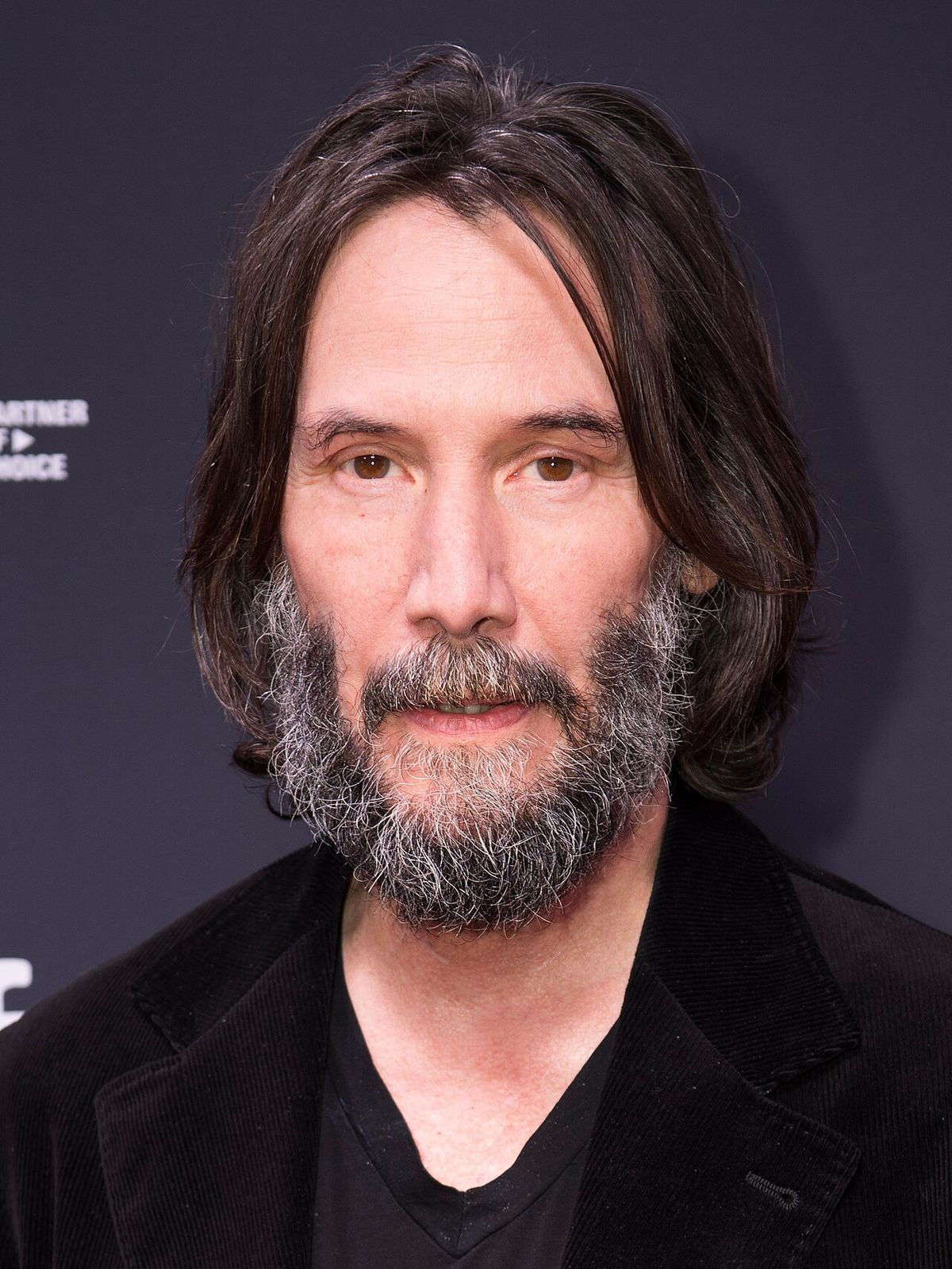
Christopher Plummer
Arthur Christopher Orme Plummer was a Canadian actor whose seven-decade career across stage, film, and television established him as one of the country's most distinguished and internationally recognized performers. A great-grandson of Prime Minister Sir John Abbott, Plummer was celebrated for his commanding presence and classical skill, earning him the rare "Triple Crown of Acting" with an Academy Award, two Tony Awards, and two Primetime Emmy Awards. He remains widely known for his role as Captain Georg von Trapp in the film The Sound of Music . Plummer died on February 5, 2021, in Weston, Connecticut, at the age of 91.
Early Life and Education
Arthur Christopher Orme Plummer was born on December 13, 1929, in Toronto, Ontario, the only child of stockbroker John Orme Plummer and Isabella Mary Abbott. His mother was the granddaughter of Canada's third prime minister, Sir John Abbott, and he was a cousin of pianist Janina Fialkowska. His parents separated shortly after his birth, and he was raised primarily by his mother in the Abbott family home in Senneville, Quebec, on the Island of Montreal. In this environment, Plummer became fluently bilingual in English and French. He initially studied to become a concert pianist as a schoolboy but developed a passion for theatre after watching Laurence Olivier's film Henry V in 1944. He began acting while attending the High School of Montreal and learned the fundamentals of the craft as an apprentice with the Montreal Repertory Theatre, where fellow Montrealer William Shatner also trained. Plummer never attended university, a fact he later said he regretted throughout his life.
His early talent was spotted by Montreal Gazette theatre critic and amateur director Herbert Whittaker during a high school production of Pride and Prejudice in 1946. At age 18, Whittaker cast Plummer as Oedipus in Jean Cocteau's La Machine Infernale at the Montreal Repertory Theatre. This early validation set the stage for his professional debut two years later. Plummer's lineage and upbringing in a bilingual, culturally rich Montreal household provided a unique foundation for his future career, though his path was firmly set by his own early dedication to the performing arts rather than academic pursuits.
Career Beginnings and Stage Breakthrough
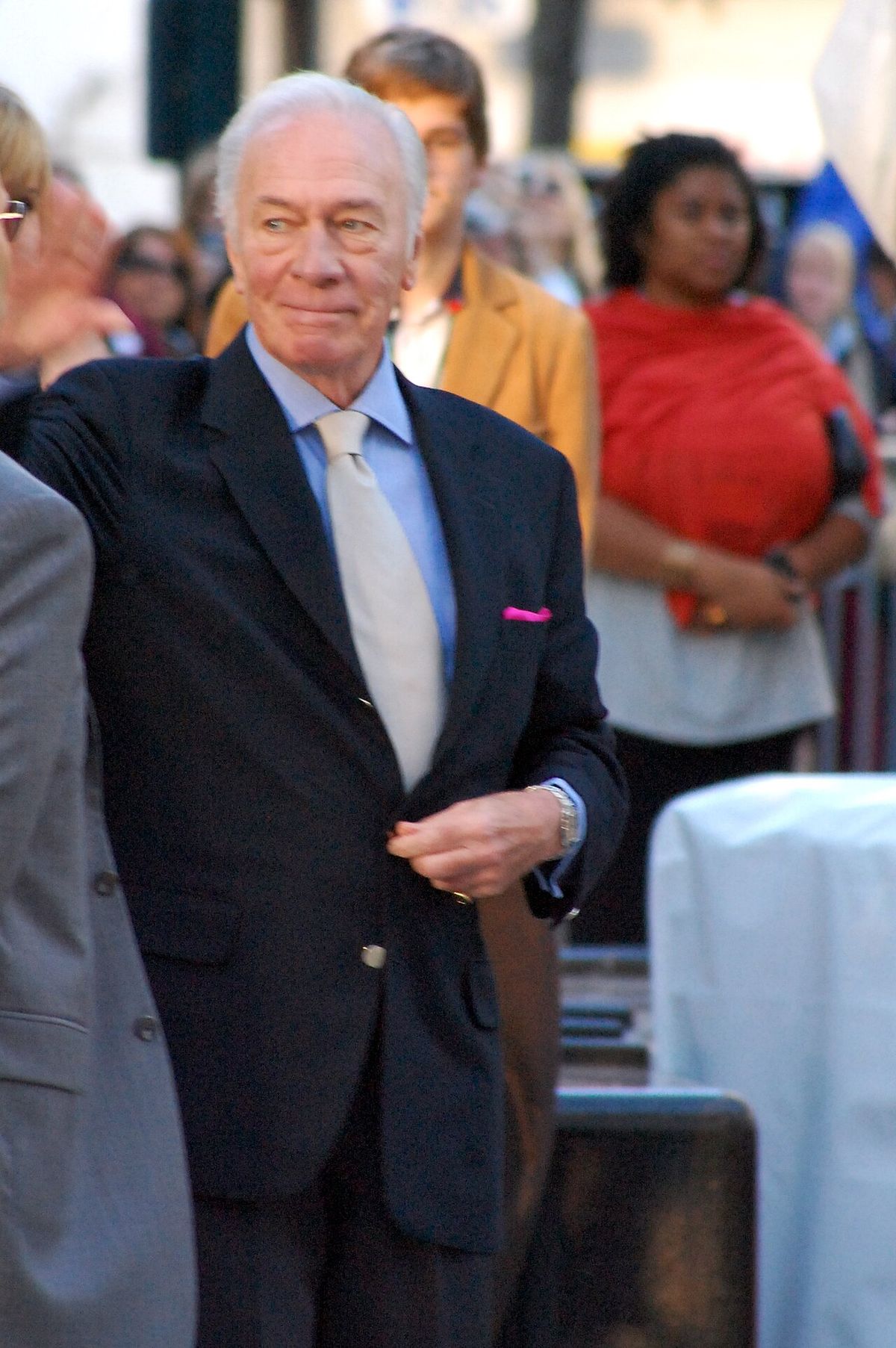
Christopher Plummer made his professional acting debut in September 1948 with Ottawa's Stage Society in The Rivals, followed by a demanding season of repertory theatre. He returned to Montreal to perform as an apprentice artist before his work at the Bermudiana Theatre in Bermuda in 1952 caught the eye of an American producer. This led to his Broadway debut in January 1953 in The Starcross Story, a play that closed on its opening night. His early Broadway career included roles in Home is the Hero (1954) and supporting Broadway legends Katharine Cornell and Tyrone Power in The Dark Is Light Enough (1955). His first major Broadway success came later in 1955, playing opposite Julie Harris in Jean Anouilh's The Lark. Plummer's television career began concurrently with a Canadian Broadcasting Corporation production of Othello in February 1953 and an American debut on Studio One later that year.
Plummer made his debut at the Stratford Shakespeare Festival in 1956, playing the title role in Henry V. He played the title role in Hamlet and Sir Andrew Aguecheek in Twelfth Night at Stratford in 1957. The following year, he played Leontes in The Winter's Tale, Bardolph in Henry IV, Part 1, and Benedick in Much Ado About Nothing. At the Stratford Festival in 1960, he played Philip the Bastard in King John and Mercutio in Romeo and Juliet. In 1962, Plummer played the title roles in both Cyrano de Bergerac and Macbeth, returning in 1967 to play Mark Antony in Antony and Cleopatra.
- 1956: The title role in Henry V, which also performed at the Edinburgh Festival.
- 1957: The title role in Hamlet and Sir Andrew Aguecheek in Twelfth Night.
- 1958: Leontes in The Winter's Tale, Bardolph in Henry IV, Part 1, and Benedick in Much Ado About Nothing.
- 1962: The title roles in Cyrano de Bergerac and Macbeth.
- 1967: Mark Antony in Antony and Cleopatra.
His work expanded internationally in 1961 with the Royal Shakespeare Company in Stratford-upon-Avon, England, where he played Benedick in Much Ado About Nothing and the title role in Richard III. That same year, he made his London debut as King Henry II in Jean Anouilh's Becket, winning the Evening Standard Award for Best Actor. His film career began in 1958 with roles in Stage Struck and the lead in Wind Across the Everglades, followed by a significant part as Commodus in The Fall of the Roman Empire in 1964. He earned his first Tony Award nomination for Best Actor in a Play for his role in Archibald MacLeish's J.B. on Broadway in 1959.
Film Stardom and The Sound of Music
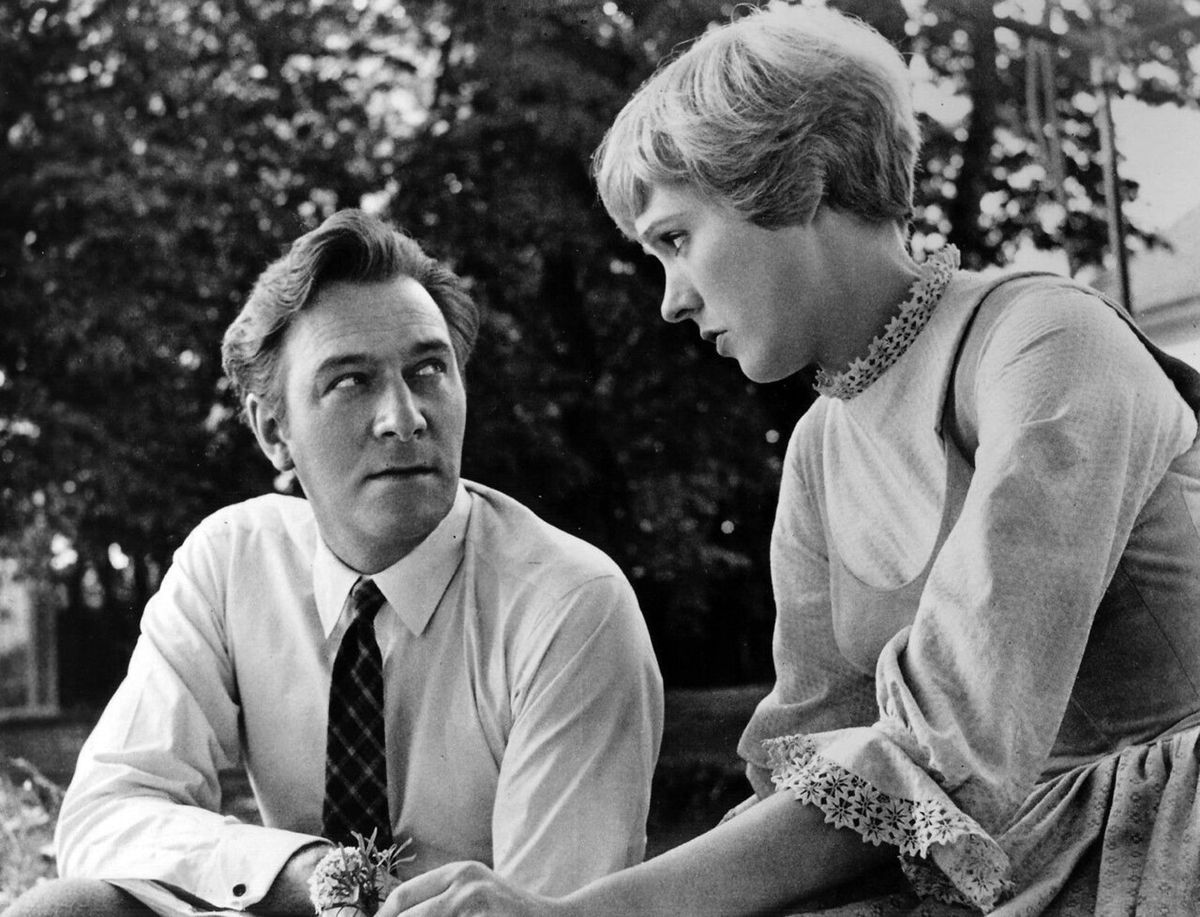
Plummer achieved global fame and became a household name with his portrayal of Captain Georg von Trapp in Robert Wise's musical film The Sound of Music (1965) opposite Julie Andrews. The film was a massive box-office success, winning five Academy Awards including Best Picture. Initially, Plummer was ambivalent about the sentimental role, privately referring to the film with nicknames like "S&M" and later admitting he found the character boring. Over the decades, however, he softened his stance, acknowledged the film's craftsmanship and enduring family appeal, and developed a lifelong friendship with Andrews. He participated in anniversary celebrations, including a cast reunion on The Oprah Winfrey Show in 2010. This role, though not his personal favourite, cemented his place in popular culture and provided a financial foundation that supported his extensive stage work.
Plummer played Field Marshal Erwin Rommel in The Night of the Generals in 1967. He had the title role in Oedipus the King in 1968 and played an Australian in The High Commissioner that same year. Plummer played Squadron Leader Colin Harvey in Battle of Britain in 1969 and the lead in the musical Lock Up Your Daughters that year. He portrayed the Duke of Wellington in Waterloo in 1970. Plummer played Rudyard Kipling in The Man Who Would Be King in 1975. He also appeared in the comedy The Return of the Pink Panther in 1975 and in The Silent Partner in 1978.
- 1966: Played World War Two agent Eddie Chapman in Triple Cross.
- 1967: Portrayed Field Marshal Erwin Rommel in The Night of the Generals.
- 1970: Played the Duke of Wellington in Waterloo.
- 1973: Starred in his first Canadian film, The Pyx.
- 1975: Played Rudyard Kipling in The Man Who Would Be King and appeared in the comedy The Return of the Pink Panther.
- 1979: Portrayed Sherlock Holmes in Murder by Decree.
From June 1971 to January 1972, he appeared at the Royal National Theatre, acting in repertory for the season. The plays he appeared in were Jean Giraudoux's Amphitryon 38, Georg Büchner's Danton's Death, Adrian Mitchell's Tyger, Luigi Pirandello's The Rules of the Game, and Eugene O'Neill's Long Day's Journey into Night. From May to June 1973, he appeared on Broadway as the title character in Cyrano, a musical adaptation of Cyrano de Bergerac. For that performance, Plummer won the Tony Award for Best Actor in a Musical and a Drama Desk Award for Outstanding Performance.
Theatre Dominance and Major Awards
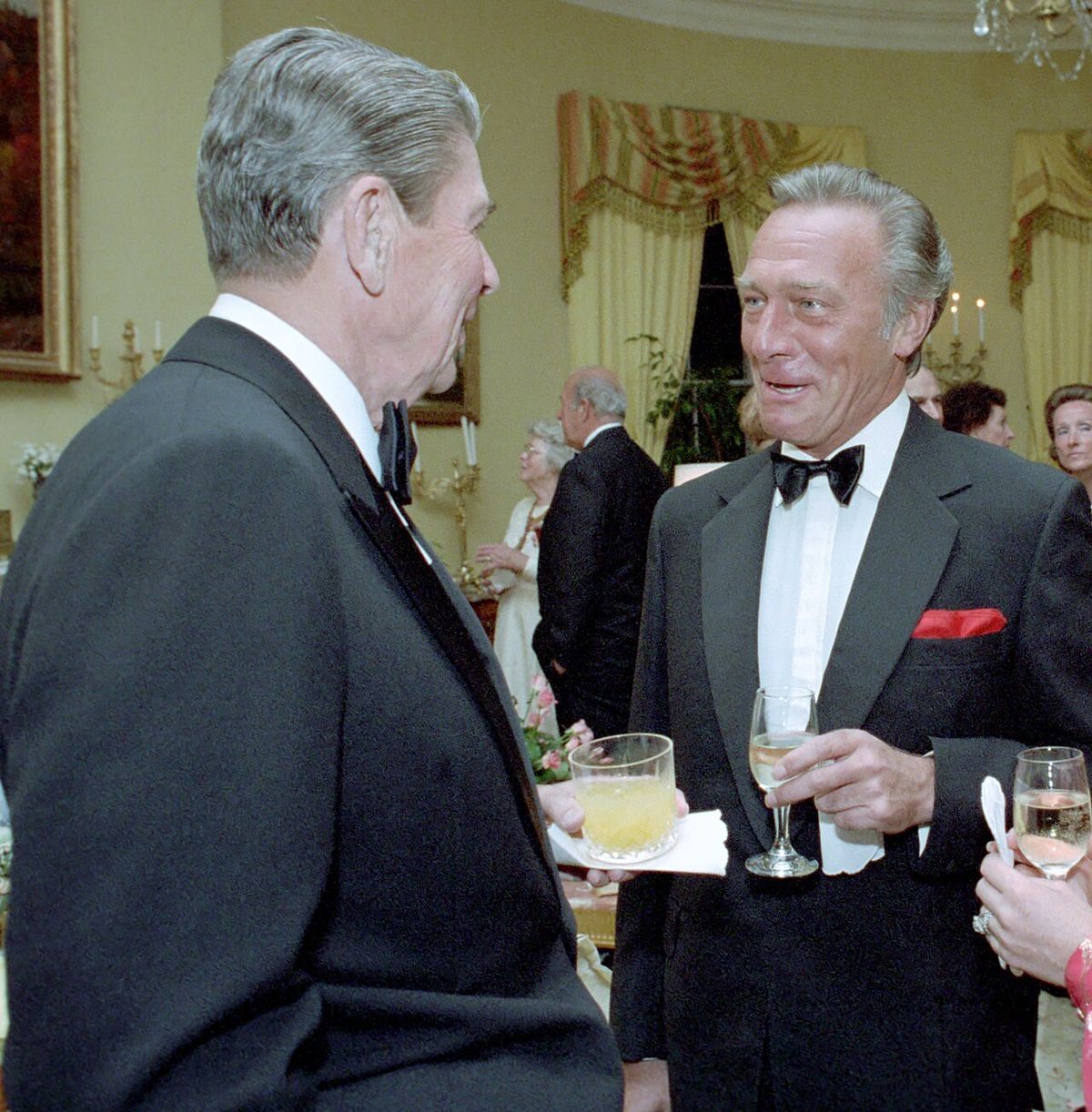
While maintaining a film career, Christopher Plummer's primary artistic home remained the theatre, where he delivered some of his most acclaimed performances. His stage work in the 1970s through the 1990s earned him his highest honours and solidified his reputation as a master classical actor. In 1973, he starred on Broadway in the title role of the musical Cyrano, an adaptation of Edmond Rostand's Cyrano de Bergerac. For this performance, he won his first Tony Award for Best Actor in a Musical in 1974, along with a Drama Desk Award. He returned to Broadway in 1982 playing Iago opposite James Earl Jones's Othello, earning a Tony nomination for Best Actor in a Play. He tackled another Shakespearean title role on Broadway in 1988, playing Macbeth opposite Glenda Jackson.
His crowning theatrical achievement in this era was his portrayal of actor John Barrymore in the one-man play Barrymore. The play debuted on Broadway in 1996 and earned Plummer his second Tony Award for Best Actor in a Play in 1997. The show also had a successful Canadian debut at the Stratford Festival in 1996. Plummer's Tony nominations spanned decades, reflecting his sustained excellence. Beyond Broadway, Plummer returned frequently to the Stratford Festival in Canada, playing Prospero in The Tempest in 2010 and Caesar in Caesar and Cleopatra in 2009, the latter earning him a Gemini Award nomination. His work in London included a season at the National Theatre and a production of The Scarlet Pimpernel in Chichester in 1985.
| Year | Production | Role | Tony Category | Result |
|---|---|---|---|---|
| 1959 | J.B. | The Devil | Best Actor in a Play | Nominated |
| 1974 | Cyrano | Cyrano de Bergerac | Best Actor in a Musical | Won |
| 1982 | Othello | Iago | Best Actor in a Play | Nominated |
| 1994 | No Man's Land | Hirst | Best Actor in a Play | Nominated |
| 1997 | Barrymore | John Barrymore | Best Actor in a Play | Won |
| 2004 | King Lear | King Lear | Best Actor in a Play | Nominated |
| 2007 | Inherit the Wind | Henry Drummond | Best Actor in a Play | Nominated |
Later Film Career and Oscar Recognition
In the latter part of his career, Christopher Plummer experienced a remarkable cinematic renaissance, earning widespread critical acclaim and his first Academy Award. He won the award two years later at age 82 for his role as a man who comes out as gay late in life in Beginners (2011), becoming the oldest actor ever to win an Oscar at that time. He broke his own record by receiving another nomination at age 88 for his last-minute performance as J. Paul Getty in All the Money in the World (2017), making him the oldest acting nominee in Oscar history. These performances highlighted his depth and versatility, moving beyond the aristocratic archetypes of his earlier career.
Throughout the 1990s, 2000s, and 2010s, Plummer remained a prolific and sought-after character actor in major films. He appeared in a wide range of genres, from blockbusters to independent dramas. His notable film roles during this prolific period include the Klingon General Chang in Star Trek VI: The Undiscovered Country (1991), television journalist Mike Wallace in The Insider (1999), a psychiatrist in A Beautiful Mind (2001), and the patriarch in the popular mystery Knives Out (2019). He also provided distinctive voice work, such as the narrator for the Oscar-winning animated short The Man Who Planted Trees (1987) and the villain in Rock-a-Doodle (1991). His final years demonstrated a strong commitment to his craft, with multiple film releases in 2019 alone.
Honours and Legacy
Christopher Plummer's accolades included an Academy Award, two Tony Awards and two Primetime Emmy Awards, making him the only Canadian recipient of the Triple Crown of Acting. He also received a BAFTA Award, a Golden Globe Award and a Screen Actors Guild Award. Plummer received a nomination for a Grammy Award as well. He received his first Tony Award for Best Actor in a Musical for Cyrano in 1974 and his second for Best Actor in a Play for Barrymore in 1997.
- Companion of the Order of Canada, the country's highest civilian honour.
- Induction into Canada's Walk of Fame and the American Theatre Hall of Fame.
- Lifetime achievement awards from the Governor General's Performing Arts Awards, the Canadian Screen Awards, and the National Arts Club of America.
- An Academy Award, two Tony Awards, and two Primetime Emmy Awards, making him the only Canadian to achieve the "Triple Crown of Acting."
- A BAFTA Award, a Golden Globe Award, a Screen Actors Guild Award, and a Genie Award.
Plummer's legacy is that of Canada's most distinguished classical actor, a performer who achieved global fame while maintaining deep roots in Canadian theatre. His career spanned over 100 films and countless stage productions, bringing Shakespearean gravitas and a commanding presence to audiences worldwide. He is remembered not only for his role as Captain von Trapp but for a lifetime of artistic integrity, continual growth, and a deep dedication to the craft of acting. His death on February 5, 2021, marked the loss of a towering figure in the performing arts.
Questions about Christopher Plummer
What was Christopher Plummer's most famous role?
Christopher Plummer is most famously known worldwide for playing Captain Georg von Trapp in the 1965 musical film The Sound of Music opposite Julie Andrews. Although he initially had mixed feelings about the sentimental role, the film's enduring popularity made him a household name. He later came to appreciate its craftsmanship and its place in cinematic history, participating in anniversary celebrations. The role provided a stark contrast to the classical theatre work he was most passionate about but remains his defining pop culture contribution.
How many Tony Awards did Christopher Plummer win?
Christopher Plummer won two Tony Awards during his career. His first was the Tony Award for Best Actor in a Musical in 1974 for his performance as Cyrano de Bergerac in the Broadway musical Cyrano. His second was the Tony Award for Best Actor in a Play in 1997 for his portrayal of actor John Barrymore in the one-man show Barrymore. In total, he received seven Tony Award nominations over his lifetime, with other nominated roles including in J.B., Othello, No Man's Land, King Lear, and Inherit the Wind.
What is the Triple Crown of Acting, and did Plummer achieve it?
The "Triple Crown of Acting" is an unofficial honour signifying that a performer has won competitive Academy Award (film), Tony Award (theatre), and Primetime Emmy Award (television) trophies. Christopher Plummer is the only Canadian actor to have achieved this distinction. He won an Academy Award for Beginners, two Tony Awards for Cyrano and Barrymore, and two Primetime Emmy Awards for his work in The Moneychangers (1977) and for voice work on Madeline (1994). This rare accomplishment confirms his exceptional versatility and success across all major performance platforms.
Did Christopher Plummer perform at the Stratford Festival?
Yes, Christopher Plummer performed extensively at the Stratford Festival. He made his debut there in 1956, playing the title role in Henry V, a production that also performed at the Edinburgh Festival that year. In subsequent years, he took on major Shakespearean roles at Stratford, including Hamlet and Sir Andrew Aguecheek in 1957, and Leontes, Bardolph, and Benedick in 1958. He returned in 1960 to play Philip the Bastard in King John and Mercutio in Romeo and Juliet, and in 1962 he played the title roles in both Cyrano de Bergerac and Macbeth.
Where was Christopher Plummer born and raised?
Christopher Plummer was born in Toronto, Ontario on December 13, 1929. He was raised primarily by his mother in the Abbott family home in Senneville, Quebec, on the western tip of the Island of Montreal. His parents separated shortly after his birth. He was fluent in French in addition to English. Plummer was the only child of John Orme Plummer and Isabella Mary Abbott, who was the granddaughter of Canadian Prime Minister Sir John Abbott.
How did Christopher Plummer begin his professional acting career?
Christopher Plummer made his professional acting debut in September 1948 with Ottawa's Stage Society, performing in 'The Rivals'. He then performed a full season of roles with the company, gaining valuable experience with a new production every two weeks. He later moved to Montreal to work as an apprentice artist at the Montreal Repertory Theatre alongside fellow actor William Shatner. His early career also included roles at the Bermudiana Theatre in Bermuda in 1952, which led to his recruitment by an American producer.
Sources and further reading
- Christopher Plummer (Wikipedia)
- Christopher Plummer (thecanadianencyclopedia.ca)
- Christopher Plummer (1929 to 2021): Our Man in Hollywood (torontoguardian.com)
Checked by the Yadude Books desk. Last updated 2026-10-25.