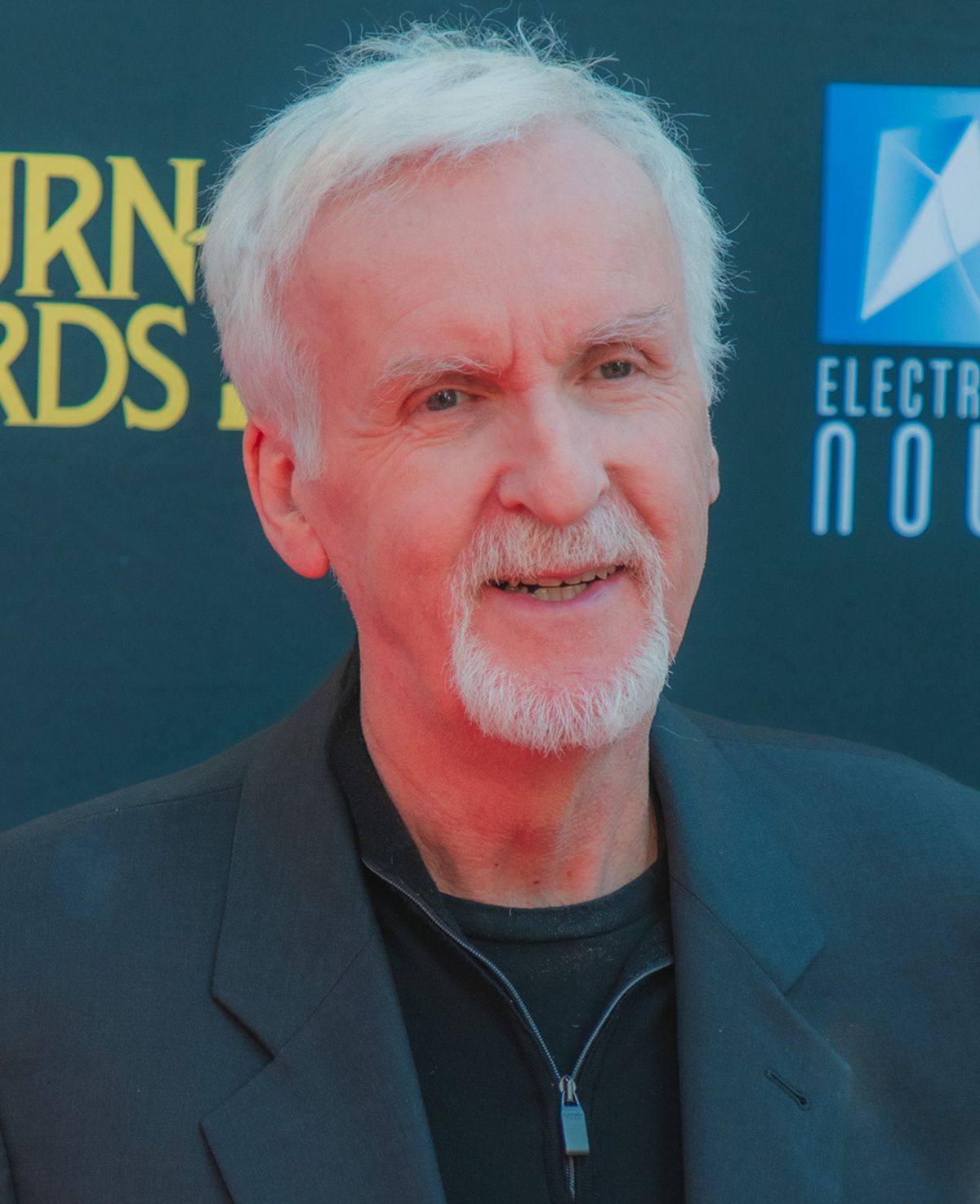
Bob Proctor
Bob Proctor was a Canadian self-help author and entrepreneur best known for his 1984 book You Were Born Rich and his role as a featured teacher in the 2006 film The Secret . His work centred on the law of attraction, a philosophy positing that positive thinking can shape reality and attract success. Proctor's teachings, which blended motivational speaking with concepts from quantum mysticism, garnered a global following and significant commercial success, though they were frequently criticized by medical and scientific experts. As a prominent figure in the New Thought movement, his influence on popular self-help culture made him a notable, if controversial, Canadian personality.
Early Life and Career Beginnings
Bob Proctor described his early years as marked by a poor self-image and limited ambition. After graduating from eighth grade, he briefly enrolled at Danforth Technical School in Toronto but dropped out a few months later following an injury from a bandsaw that severely cut his thumb, an event he recalled decades later. He held a series of manual labour jobs, including work in factories and gas stations, and later served in the Canadian Royal Navy on shore duty, stating he never served on a ship. In the early 1960s, while working for the Toronto Fire Department, a man named Raymond Douglas Stanford shared the book Think and Grow Rich with him, which Proctor credited as a moment that shifted his focus in life. Inspired, he left the fire department and started a cleaning services company as his first enterprise, which he claimed earned him over $100,000 in its first year despite his lack of formal education or prior business experience. This initial success formed the basis for his later career in the personal development industry, where he would repeatedly reference this rags-to-riches story.
Rise to Prominence: You Were Born Rich and The Secret
Proctor's career in the personal development industry advanced after he joined the Nightingale-Conant Organization, where he was mentored by motivational speaker Earl Nightingale. His major breakthrough came in 1984 with the publication of You Were Born Rich by McCrary Publishing. The book, initially rejected by other publishers who deemed it absurd, became a New York Times international bestseller and solidified his reputation. Two decades later, the book attracted the attention of Australian filmmaker Rhonda Byrne, who invited Proctor to be a featured contributor in her 2006 documentary film The Secret. The film's global popularity, which presented the law of attraction to a mass audience, significantly amplified Proctor's fame and reach, introducing his teachings to millions of new followers. His participation linked his name permanently with the modern popularization of the law of attraction, despite the film featuring numerous other teachers and authors.
Core Teachings and the Law of Attraction
Bob Proctor's entire philosophical system was built upon the law of attraction, a concept he described as a fundamental law of the universe. He taught that everything, including thoughts, vibrates at specific frequencies, and that similar vibrations attract each other. Proctor argued that individuals could consciously control their thoughts to manipulate these vibrational frequencies, thereby attracting desired outcomes like wealth, relationships, or success. A central tenet was the concept of the 'paradigm,' which he defined as a mental program or self-image that dictates one's results. He maintained that a negative paradigm would lead to failure even with adequate skill, while cultivating a positive self-image was the critical first step to changing one's life. Proctor extended this principle to macroeconomics, suggesting in 2009 that a global recession was the result of collective negative thinking attracting financial downturn. He contended there was nothing in a person's life they could not change through the application of this law, positioning it as an all-encompassing solution for personal and global problems.
Use of Imagery and Scientific Concepts
Proctor frequently employed scientific and pseudoscientific imagery to lend credibility to his teachings. He used Kirlian photography in his marketing materials, mistakenly claiming it visualized a person's 'energy field' and that the mind and body emit controllable vibrational frequencies. This interpretation conflated the photographic technique, which captures electrical coronal discharges, with unproven metaphysical energy fields. His teachings also drew from quantum mysticism, using terms like 'vibration' and 'frequency' borrowed from quantum mechanics to explain the law of attraction. Experts in physics and medicine consistently criticized this approach, stating it relied on coincidental linguistic similarities rather than genuine scientific connections. No empirical evidence supports the idea that human thought can change bodily vibrations to attract physical objects or alter external events, and no 'energy field' has been found to emit from the body as he suggested. Critics argued this demonstrated either a wilful or accidental misinterpretation of both quantum mechanics and Kirlian photography for commercial purposes, as the concepts cannot be connected without drawing upon coincidental similarities of language.
Business Ventures and the Proctor Gallagher Institute
Beyond his writing and speaking, Proctor built a substantial business empire centred on his teachings. He founded the Proctor Gallagher Institute, an organization dedicated to coaching, seminars, and selling educational products on personal development and the law of attraction. The institute became the primary vehicle for disseminating his programs and maintaining his brand after the success of The Secret. His business model emphasized that investing in one's mindset through his courses was the key to unlocking financial and personal success. The commercial structure of his operations was extensive and included several key components that drove revenue and outreach for decades. His business activities involved:
- High-ticket coaching programs and mastermind groups for entrepreneurs.
- Public seminars and multi-day live events held internationally.
- A vast library of audio programs, video courses, and books for self-study.
- Licensing of his methodologies to other coaches and consultants.
- Corporate training programs and speaking engagements.
- Ongoing marketing of the idea that a positive self-image was critical for obtaining success.
This approach allowed Proctor to monetize his philosophy extensively. He created a lasting corporate entity that continued to operate after his death. The entity maintained the idea his teachings were based on universal laws. Proctor himself contended his teachings were the basic laws of the universe. His business model maintained the idea that a positive self-image was critical for obtaining success.
Reception and Criticism
Proctor's work received a polarized reception, dividing audiences between devoted followers and sceptical experts. His proponents credited him with providing a practical framework for achieving goals and fostering a positive mindset, which contributed to the mainstream popularity of the law of attraction. However, criticism from the medical and scientific communities was pointed and consistent. Medical experts warned that individuals might forgo necessary physical therapies or medical interventions in favour of Proctor's model of positive thinking, potentially endangering their health. Publications like The Wall Street Journal opined in a 2009 article that followers who believed they could simply choose not to participate in a recession were being misled. The core critique centred on the lack of empirical evidence for his claims and the potential for his teachings to encourage magical thinking over reasoned action and professional advice. Experts also stated that quantum mysticism could not be connected to quantum mechanics without drawing upon coincidental similarities of language, fundamentally undermining the scientific pretensions of his work.
Later Life and Death
Bob Proctor remained an active speaker and teacher well into his later years, continuing to lead seminars and develop new content for his institute. He died on February 3, 2022, at the age of 87. A press release issued by the Proctor Gallagher Institute stated that his death was due to natural causes. His passing was noted across the self-help industry, with many tributes highlighting his decades-long influence as a motivational figure. The institute he founded continues to operate, promoting his teachings and materials, thereby sustaining his philosophical and commercial legacy in the personal development field. His death marked the end of a career that began with odd jobs in Toronto and culminated in a global presence as an author and speaker on the law of attraction.
Publications and Media Appearances
Proctor's body of work includes his seminal book and numerous other products developed over nearly four decades. His most successful publication was the 1984 book You Were Born Rich, which became a New York Times international bestseller after other publishers had rejected it. Over his career, he produced an extensive catalogue of audio programs, video courses, and seminar recordings sold through his institute. The following table outlines key milestones in his published and media work, showing the progression from author to multimedia teacher.
| Year | Title/Project | Format/Role | Key Detail |
|---|---|---|---|
| 1984 | You Were Born Rich | Book (Author) | Published by McCrary Publishing. NYT bestseller |
| 2006 | The Secret | Film (Featured Teacher) | Invited by Rhonda Byrne after she read his book |
| Ongoing | Proctor Gallagher Institute Programs | Coaching, Seminars, Courses | Primary business vehicle for his teachings |
These works formed the basis of his teachings. They repeatedly emphasized the principles of the law of attraction and the power of directed thought to attract specific life outcomes. Throughout his material, Proctor aimed to have the reader tap into their inner self. He suggested the reader's inner self controls all that is brought into their life. He stated that a bad self-image, which he called a paradigm, would lead to poor results even among those with adequate knowledge and abilities.
Questions about Bob Proctor
What was Bob Proctor's most famous book?
Bob Proctor's most famous book is You Were Born Rich, published in 1984. It became a New York Times international best seller. Prior to its publication, other publishers rejected it, noting that the book was absurd. The book's success caught the attention of filmmaker Rhonda Byrne, leading to Proctor's participation in the 2006 movie The Secret.
How did Bob Proctor die?
Bob Proctor died on February 3, 2022, at the age of 87. According to a press release from the Proctor Gallagher Institute, his death was attributed to natural causes. He remained active in his teaching and business ventures until his passing, having worked in the self-help field for over fifty years. His death marked the end of a decades-long career as a prominent self-help author and speaker based on his interpretation of the law of attraction.
What is the law of attraction that Bob Proctor taught?
The law of attraction, as taught by Bob Proctor, is the idea that thoughts and feelings emit specific vibrational frequencies that attract corresponding experiences and objects into a person's life. He taught that by controlling one's thoughts and cultivating a positive self-image or 'paradigm,' individuals could attract desired outcomes like wealth and success. Proctor described this as the basic laws of the universe, where similar vibrations attract each other. His interpretation drew criticism from scientists for its lack of empirical basis and its connection to quantum mysticism.
Was Bob Proctor in The Secret movie?
Yes, Bob Proctor was one of the featured teachers in the 2006 self-help film The Secret, directed by Rhonda Byrne. His involvement came after Byrne read his book You Were Born Rich and requested his participation in the project. In the film, he explains concepts related to the law of attraction and vibrational thinking, contributing to its central message. This appearance greatly expanded his public profile and introduced his teachings to a massive global audience, making him synonymous with the film's philosophy for many viewers.
What criticisms did Bob Proctor's teachings face?
Proctor's teachings faced significant criticism from medical and scientific experts. Doctors warned that reliance on positive thinking could lead individuals to avoid necessary medical treatments or physical therapies. Physicists and sceptics argued that his use of terms from quantum mechanics and Kirlian photography was misleading and not based on genuine science, relying on language similarities. Financial commentators, like those in The Wall Street Journal in 2009, also criticized the idea that one could avoid a recession through mindset alone, stating followers were being misled.
What was the Proctor Gallagher Institute?
The Proctor Gallagher Institute was the primary business organization founded by Bob Proctor to promote his teachings on the law of attraction. It offered coaching programs, live seminars, and a wide range of educational products focused on personal development and success. The institute served as the corporate structure for monetizing his philosophy through high-ticket courses, events, and licensed materials. It continues to operate after his death, maintaining and distributing his work and maintaining the idea that a positive self-image is critical for obtaining success.
Sources and further reading
- Bob Proctor (Wikipedia)
- Bob Proctor (penguinrandomhouse.com)
- Self-help guru Bob Proctor lived to teach others to succeed (thestar.com)
- Bob Proctor biography, interesting facts, achievements ... (topresultsacademy.com)
Checked by the Yadude Books desk. Last updated 2026-11-05.