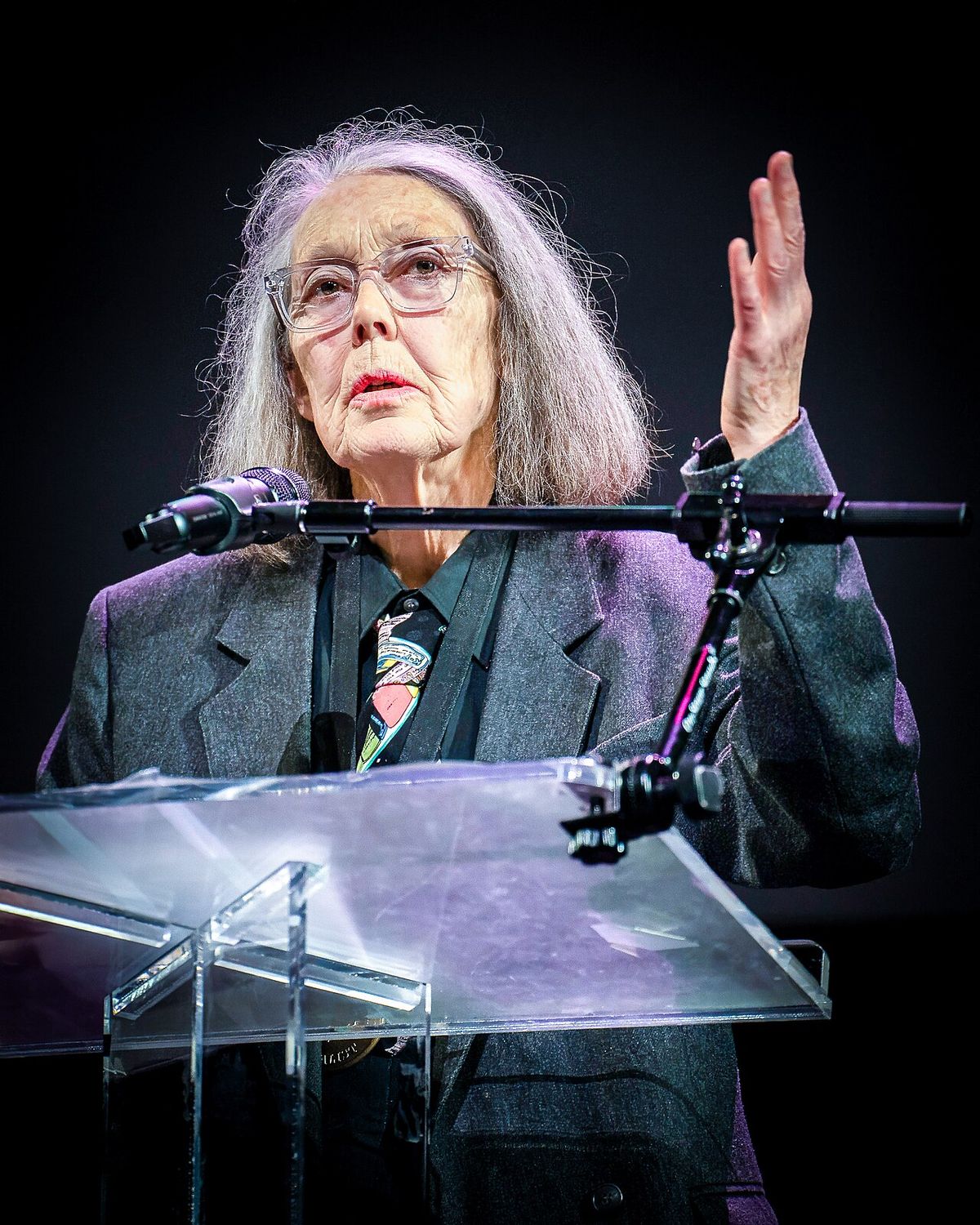
Emma Donoghue
Emma Donoghue is an Irish Canadian novelist, screenwriter, playwright and literary historian whose work has achieved significant international acclaim and holds a prominent place in contemporary Canadian literature. Since moving to Canada in 1998 and becoming a citizen in 2004, her career has been distinguished by a versatile output spanning contemporary and historical fiction, often exploring themes of confinement, identity and relationships under pressure. Her 2010 novel Room, a harrowing story told from the perspective of a five-year-old boy held captive with his mother, became a global bestseller, was shortlisted for the Booker Prize and won the Rogers Writers' Trust Fiction Prize, solidifying her reputation. Donoghue's adaptation of Room for the screen earned her an Academy Award nomination, and her subsequent novels, including The Pull of the Stars and The Wonder, have continued to garner major Canadian literary prize attention.
Early life and academic background
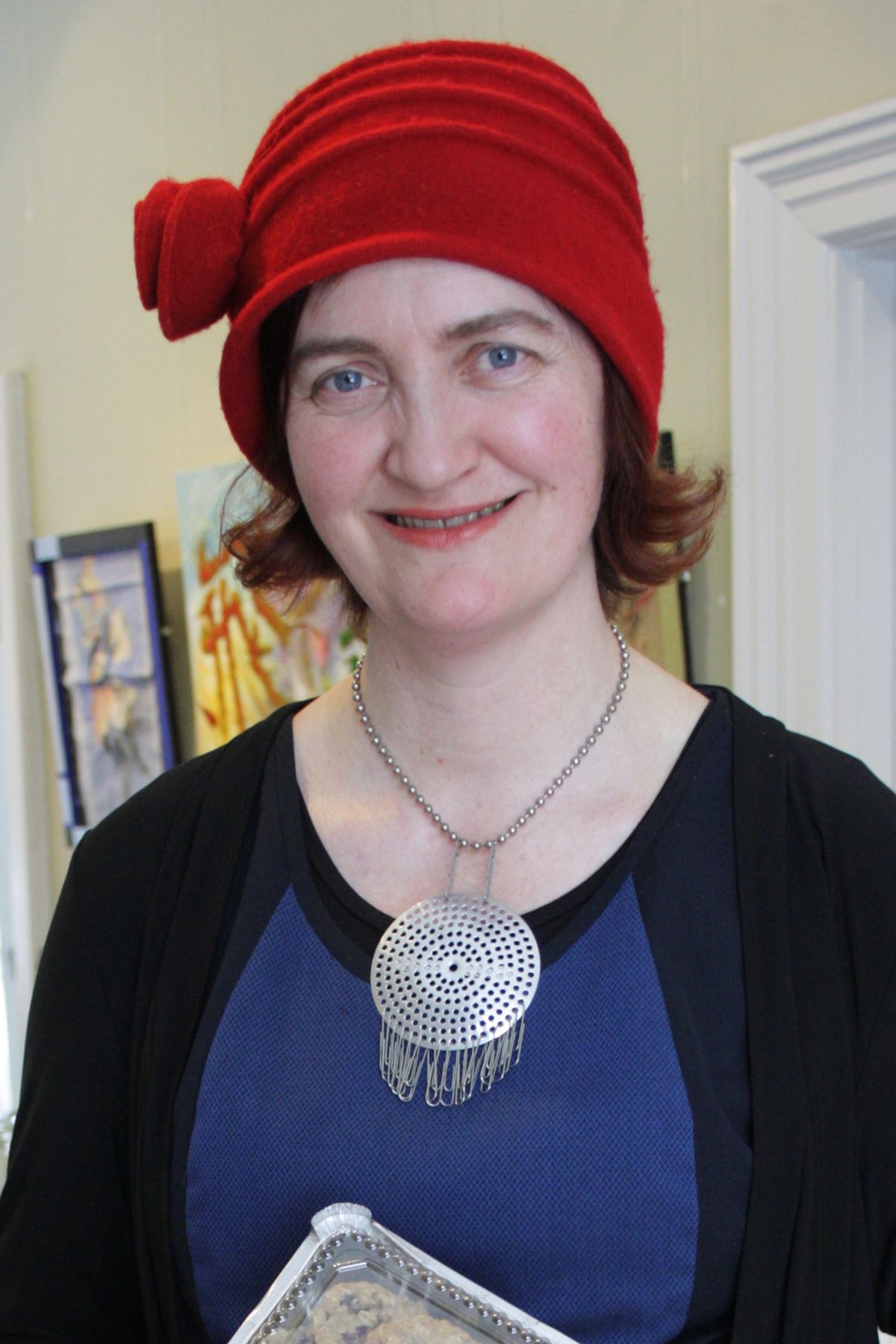
Emma Donoghue was born in Dublin, Ireland in October 1969, the youngest of eight children of academic and literary critic Denis Donoghue and Frances Rutledge. She pursued her higher education with a focus on literature, earning a first-class honours Bachelor of Arts degree in English and French from University College Dublin. She then completed a PhD in English from Girton College, Cambridge, where her thesis examined the theme of friendship between men and women in 18th-century fiction. Her time at Cambridge was formative, including living in a women's co-operative, an experience that later inspired her short story The Welcome. It was also at Cambridge that she met her future wife, Christine Roulston, a Canadian academic who is a professor of French and Women's Studies at the University of Western Ontario. The couple moved permanently to Canada in 1998, and Donoghue became a Canadian citizen in 2004, establishing her home and literary career in London, Ontario, where she lives with Roulston and their two children. Donoghue has cited writers Emily Dickinson, Jeanette Winterson and Alan Garner as important influences on her development, and she describes her approach to writing as aiming to be industrious and unpretentious.
Literary career and major novels
Emma Donoghue's literary career began with contemporary novels exploring lesbian life and identity. Her debut, Stir Fry (1994), is a coming-of-age story about a young Irish woman discovering her sexuality, and it was a finalist for the Lambda Literary Award. This was followed by Hood (1995), which deals with grief and loss following the death of a partner and won the American Library Association's Stonewall Book Award for Literature in 1997. Donoghue then turned to historical fiction with Slammerkin (2000), a novel inspired by an 18th-century newspaper story about a young servant who killed her employer. It won the Ferro-Grumley Award for Lesbian Fiction and was a finalist for the 2001 Irish Literature Prize for Fiction. Her 2007 novel Landing portrays a long-distance relationship between a Canadian curator and an Irish flight attendant, while her 2008 historical novel The Sealed Letter, based on the scandalous 1864 Codrington divorce case, was longlisted for the Scotiabank Giller Prize and won the Lambda Literary Award for Lesbian Fiction.
The international breakthrough came with Room (2010), a novel narrated by a five-year-old boy born into captivity. The book was a finalist for the Booker Prize and the Orange Prize, and it won the Rogers Writers' Trust Fiction Prize and an Irish Book Award. Donoghue adapted it into an acclaimed 2015 film, earning Oscar, Golden Globe and BAFTA nominations for her screenplay, and later adapted it into a play performed at Dublin's Abbey Theatre in 2017. Subsequent historical novels include Frog Music (2014), based on the true story of a murdered 19th-century cross-dressing frog catcher in San Francisco, and The Wonder (2016), about a case of anorexia mirabilis in post-famine Ireland, which was shortlisted for the Giller Prize and adapted by Donoghue for a 2022 Netflix film. Her 2019 novel Akin is a contemporary story with discussions of Second World War events in France, and her 2020 novel The Pull of the Stars, set during the 1918 influenza pandemic in Dublin and featuring the historical figure Dr Kathleen Lynn, was written in 2018 to 2019 and longlisted for the Giller Prize.
Donoghue's more recent work includes Haven (2022), a novel about seventh-century monks on Skellig Michael shortlisted for the 2024 International Dublin Literary Award, and Learned by Heart (2023), exploring the schoolgirl relationship between Anne Lister and Eliza Raine at Miss Hargrave's Manor school, which was shortlisted for the Atwood Gibson Writers' Trust Fiction Prize. Her 2025 novel, The Paris Express, inspired by the 1895 Montparnasse train derailment, was shortlisted for the Giller Prize that same year. She has also written children's literature, notably The Lotterys Plus One (2017) and The Lotterys More or Less (2018), a middle-grade series. Her consistent engagement with historical research and contemporary issues ensures her novels remain a significant part of literary conversations.
Short stories, plays and non-fiction
Beyond her novels, Emma Donoghue has built a substantial body of work in short fiction, drama and literary scholarship. Her short story collections are thematically rich and often rework historical material or fairy tales. Kissing the Witch (1997) offers feminist retellings of thirteen classic fairy tales, including The Tale of the Shoe and The Tale of the Bird, while The Woman Who Gave Birth to Rabbits (2002) contains seventeen stories drawing on obscure historical episodes like Acts of Union and The Last Rabbit. Touchy Subjects (2006) and Astray (2012) continue her exploration of human relationships and key moments, with Astray containing fourteen stories of migration such as The Lost Seed and The Long Way Home. Her 2011 collection Three and a Half Deaths includes four short stories including What the Driver Saw and Sissy.
Her playwriting includes the collection Emma Donoghue: Selected Plays (2015), which features five works like Kissing the Witch, adapted from her stories, and I Know My Own Heart. A new play, The Wind Coming Over the Sea, a romantic musical based on famine-era letters between an Antrim couple, was originally produced by Ontario's Blyth Festival in 2025 and is scheduled for production by Nova Scotia's Two Planks and a Passion Theatre in 2026. Donoghue's academic background is evident in her non-fiction, which centres on lesbian history and literature. Her first published book was the historical study Passions Between Women: British Lesbian Culture 1668 to 1801 (1993). This was followed by the biography We Are Michael Field (1998) about the aunt-niece poet duo, and the critical work Inseparable: Desire Between Women in Literature (2010). She has also edited anthologies such as The Mammoth Book of Lesbian Short Stories (1999) and What Sappho Would Have Said (1997), cementing her role as both a creator and a curator of queer literary traditions.
Awards and honours
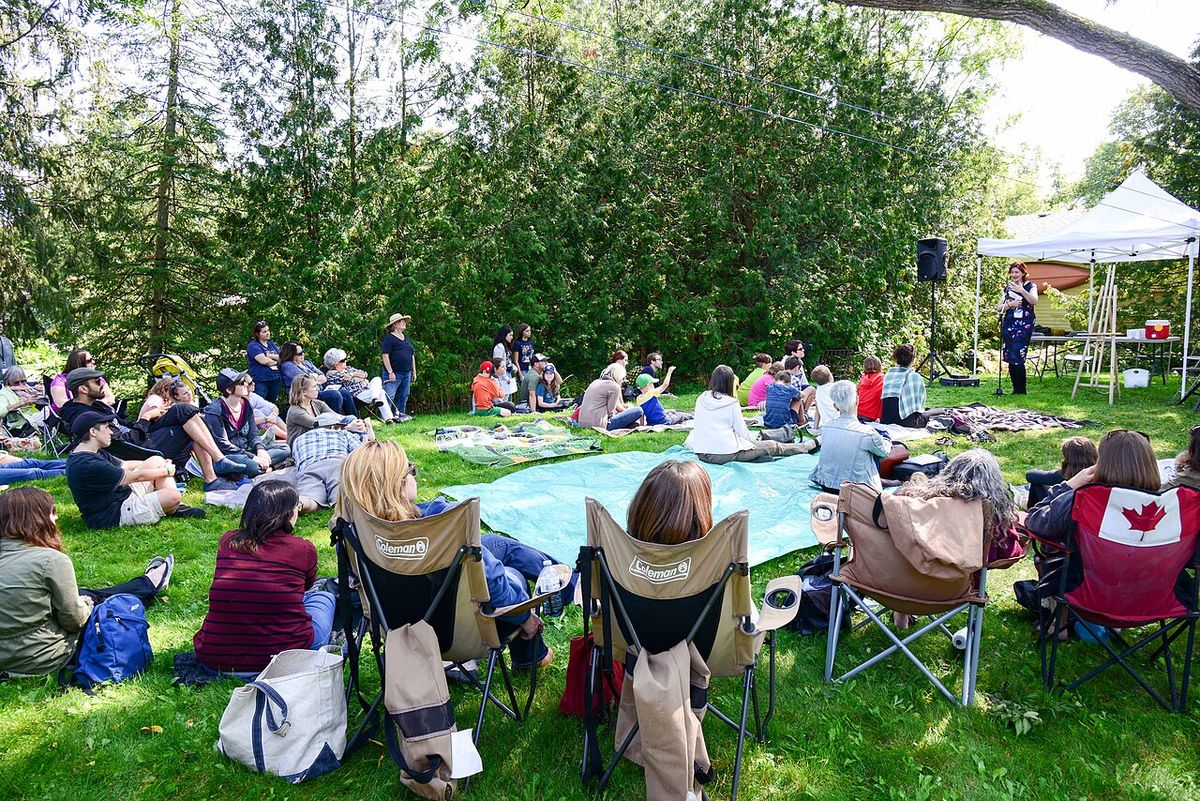
Emma Donoghue's writing has been recognized with numerous awards and prize nominations across Ireland, Canada, the United Kingdom and the United States. Her early novel Hood won the Stonewall Book Award in 1997, and Slammerkin received the Ferro-Grumley Award for Lesbian Fiction in 2002. The publication of Room in 2010 marked a major surge in accolades, including the Rogers Writers' Trust Fiction Prize, an Irish Book Award, and shortlist placements for the Man Booker Prize, the Governor General's Award and the Orange Prize. Her screen adaptation of Room brought nominations for the Academy Award, Golden Globe and BAFTA Award for Best Adapted Screenplay. Later novels have consistently featured in Canadian prize lists, with The Wonder shortlisted for the Giller Prize in 2016, The Pull of the Stars longlisted in 2020, and The Paris Express shortlisted in 2025. In 2025, she received the Alice B Readers Award, given annually to living writers distinguished by consistently well-written works about lesbians. Her novel The Sealed Letter was a joint winner of the 2009 Lambda Literary Award for Lesbian Fiction, and she is a 2011 recipient of the Alex Awards for Room.
- 1997: Stonewall Book Award for Literature for Hood.
- 2002: Ferro-Grumley Award for Lesbian Fiction for Slammerkin.
- 2009: Lambda Literary Award for Lesbian Fiction for The Sealed Letter (joint winner).
- 2010: Rogers Writers' Trust Fiction Prize for Room.
- 2010: Irish Book Award for Room.
- 2011: Alex Awards recipient for Room.
- 2016: Scotiabank Giller Prize shortlist for The Wonder.
- 2020: Scotiabank Giller Prize longlist for The Pull of the Stars.
- 2024: International Dublin Literary Award shortlist for Haven.
- 2025: Alice B Readers Award.
- 2025: Scotiabank Giller Prize shortlist for The Paris Express.
Adaptations for screen and stage
Several of Emma Donoghue's works have been adapted into film and theatre, often with her direct involvement as screenwriter. The first adaptation was the 2001 short film Pluck, directed by Neasa Hardiman and based on her short story of the same name from the Touchy Subjects collection. The most prominent adaptation is the 2015 film Room, directed by Lenny Abrahamson, for which Donoghue wrote the screenplay, translating the novel's unique first-person narration into a visual medium. The film was critically acclaimed and earned Donoghue an Academy Award nomination. She later co-wrote the screenplay for the 2022 Netflix film adaptation of The Wonder with Alice Birch, directed by Sebastián Lelio and starring Florence Pugh. The film received mixed reviews with praise for its direction and performances but some criticism for its screenplay from critics like Peter Bruge of Variety. Donoghue has also adapted her own work for the stage, including a play version of Room performed at Dublin's Abbey Theatre in 2017, and her upcoming screenwriting work includes H Is for Hawk, scheduled for 2025.
Bibliography of novels
Emma Donoghue's published novels demonstrate her range across contemporary settings, historical fiction and children's literature. Her first novel, Stir Fry, was published in 1994. She has published novels consistently over three decades, including works like Slammerkin in 2000 and Room in 2010. Her bibliography includes contemporary novels such as Akin from 2019 and historical fiction like Frog Music from 2014. The following table lists her adult and young adult novels by publication year, showing her consistent publication record and the genres she has explored.
| Year | Title | Genre/Notes |
|---|---|---|
| 1994 | Stir Fry | Contemporary. Lambda Literary Award finalist. |
| 1995 | Hood | Contemporary. Stonewall Book Award winner. |
| 2000 | Slammerkin | Historical fiction. Ferro-Grumley Award winner. |
| 2004 | Life Mask | Historical fiction. |
| 2007 | Landing | Contemporary. Long-distance romance. |
| 2008 | The Sealed Letter | Historical fiction. Giller Prize longlist, Lambda Award winner. |
| 2010 | Room | Contemporary. Booker Prize finalist, Rogers Writers' Trust winner. |
| 2014 | Frog Music | Historical fiction based on true crime. |
| 2016 | The Wonder | Historical fiction. Giller Prize shortlist. |
| 2019 | Akin | Contemporary novel with WWII themes. |
| 2020 | The Pull of the Stars | Historical fiction. Giller Prize longlist. |
| 2022 | Haven | Historical fiction. Set in 7th-century Ireland. |
| 2023 | Learned by Heart | Historical fiction. Atwood Gibson Writers' Trust shortlist. |
| 2025 | The Paris Express | Historical fiction. Giller Prize shortlist. |
In addition to her adult novels, Donoghue authored The Lotterys Plus One (2017) and The Lotterys More or Less (2018), which form a middle-grade children's series. Her prolific output includes historical research for novels like The Sealed Letter, which is based on the 1864 Codrington Affair. Her novel Room is noted for its formal innovation, using a child's voice as its narrative perspective. Her work frequently recovers hidden histories of women and LGBTQ+ individuals, as seen in novels like Hood and Learned by Heart.
Critical reception and themes
Emma Donoghue's work has received widespread critical attention for its stylistic daring, historical depth and emotional resonance. Room was praised for its inventive narration and unflinching look at trauma and survival, while her historical novels like Slammerkin and The Sealed Letter have been commended for their meticulous research and ability to animate forgotten stories. The Wonder generated discussion for its treatment of faith, science and post-famine Ireland, with its film adaptation noted for strong performances but receiving a mixed response to its screenplay. Haven was described in The Guardian as a novel where a flinty kind of hope brightens its satisfying ending, though it was noted as not her most accessible work. Learned by Heart was praised for its portrayal of first love, though some critics felt the detailed depiction of school life overshadowed the central narrative between Anne Lister and Eliza Raine.
Recurring themes in Donoghue's fiction include confinement and escape, the complexities of intimate relationships, the construction of identity and the impact of historical forces on individual lives. Her scholarly work consistently informs her fiction, particularly in her recovery of lesbian histories and experiences from the 18th century to the present. Her move to Canada has also influenced her perspective, with novels like Landing and Akin reflecting transatlantic connections and the experience of building a life in a new country. The critical reception of her work often highlights this blend of rigorous research with compelling narrative, securing her position as a writer of both popular appeal and literary significance.
Questions about Emma Donoghue
Is Emma Donoghue Canadian?
Yes, Emma Donoghue is a Canadian citizen. She was born in Ireland in 1969 and moved permanently to Canada in 1998 after meeting her Canadian wife, Christine Roulston, while studying at Cambridge. Donoghue formally became a Canadian citizen in 2004. She has lived in London, Ontario, for many years and her writing career, including her most famous novels and their adaptations, has flourished within the Canadian literary context, with her novels frequently contending for major national prizes like the Giller Prize and the Governor General's Award.
What is Emma Donoghue's most famous book?
Emma Donoghue's most famous book is undoubtedly Room, published in 2010. The novel, told from the perspective of a five-year-old boy held captive with his mother, became an international bestseller and a critical sensation. It was shortlisted for the Man Booker Prize and the Orange Prize, and it won the Rogers Writers' Trust Fiction Prize and an Irish Book Award. The book's fame was amplified by the 2015 film adaptation, for which Donoghue wrote the Oscar-nominated screenplay, bringing the story to an even wider global audience and sparking discussions about adaptation and voice in fiction.
Did Emma Donoghue win the Booker Prize?
No, Emma Donoghue did not win the Booker Prize. Her novel Room was longlisted and then shortlisted for the Man Booker Prize in 2010, but it did not win the award. The winner that year was The Finkler Question by Howard Jacobson. Despite not winning, the Booker shortlisting was a major factor in establishing Room's international reputation and commercial success, and it remains one of the most recognized achievements of her career, often highlighted in discussions of her work.
What awards has Emma Donoghue won?
Emma Donoghue has won several prestigious literary awards. For Hood, she won the Stonewall Book Award in 1997. Slammerkin won the Ferro-Grumley Award for Lesbian Fiction in 2002. Her novel Room won the Rogers Writers' Trust Fiction Prize and an Irish Book Award in 2010. In 2025, she received the Alice B Readers Award for her body of work about lesbians. Her novels have also been shortlisted or longlisted for many other honours, including the Scotiabank Giller Prize four times, the International Dublin Literary Award and the Atwood Gibson Writers' Trust Fiction Prize.
Was Room based on a true story?
Room was not directly based on one specific true story. The novel is a work of fiction. Donoghue's focus was on the intense bond between mother and child and the child's unique perception of the world. The novel uses an extreme premise to examine themes of resilience, love and the transition to a larger reality.
What is Emma Donoghue's newest book?
As of 2025, Emma Donoghue's newest published novel is The Paris Express. This book was released in 2025 and is a work of historical fiction. It draws inspiration from the real life Montparnasse derailment of 1895 in Paris. The novel was recognized for its literary merit by being shortlisted for the 2025 Giller Prize. This continues Donoghue's pattern of writing acclaimed historical fiction, as seen in earlier works like Slammerkin and The Sealed Letter. Her bibliography shows a consistent output of novels, with The Paris Express being the most recent entry.
Sources and further reading
- Emma Donoghue (Wikipedia)
- Author Emma Donoghue (emmadonoghue.com)
- A guide to Emma Donoghue's books (panmacmillan.com)
Checked by the Yadude Books desk. Last updated 2026-11-04.