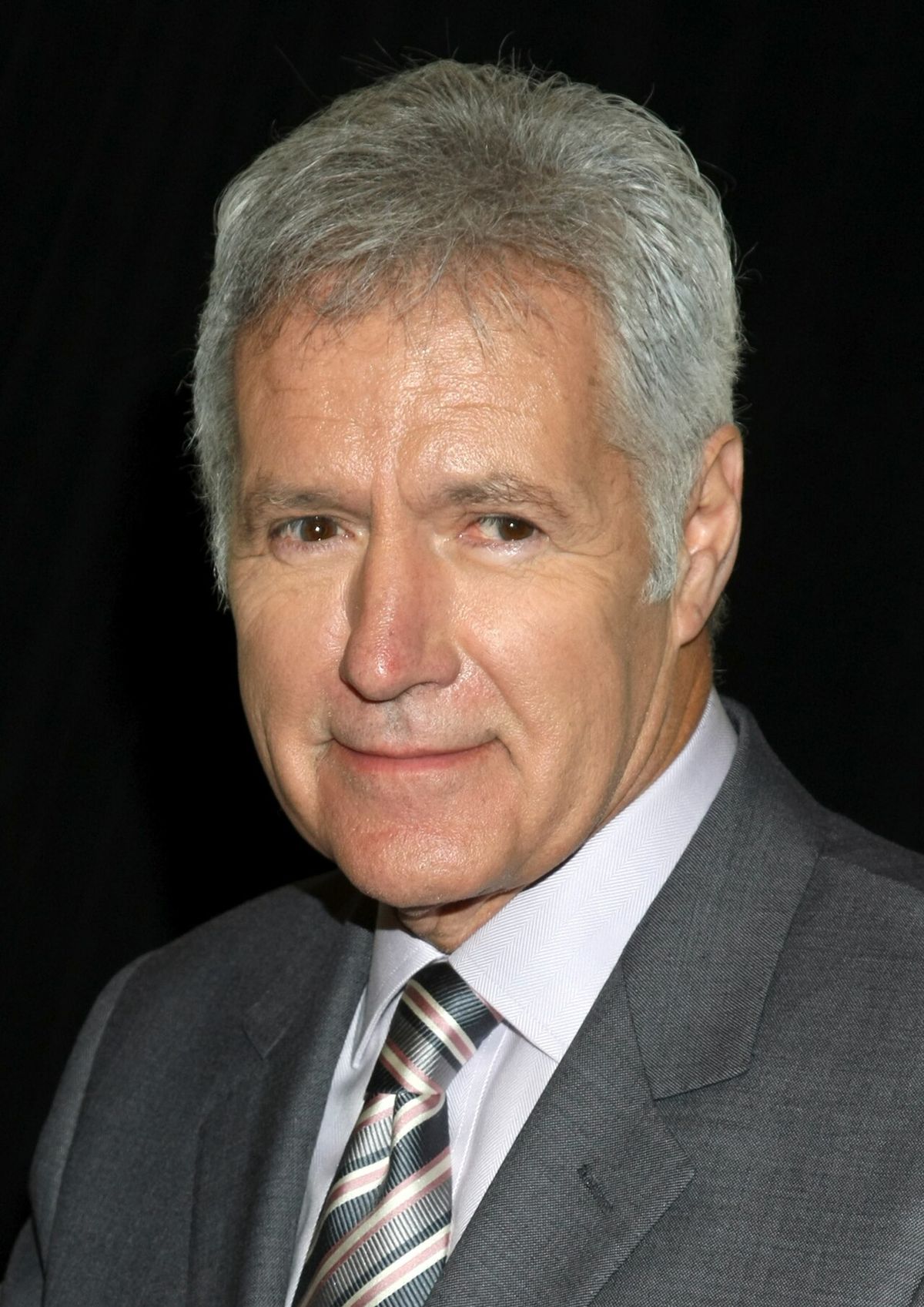
Barry Melrose
Barry James Melrose (July 15, 1956 to September 9, 2026) was a Canadian and American professional ice hockey player, coach, and broadcaster who became one of hockey's most recognizable media personalities. A former NHL defenceman and the head coach who led the Los Angeles Kings to the 1993 Stanley Cup Final, Melrose found his greatest fame as a long time analyst for ESPN. His distinctive style and authoritative voice made him a trusted figure for hockey fans across North America, particularly in the United States where he served as a key ambassador for the sport. Melrose retired from broadcasting in 2023 after a diagnosis of Parkinson's disease and passed away in 2026 at the age of 70.
Early life and playing career
Barry Melrose was born and raised on a farm outside Kelvington, Saskatchewan. He began his junior hockey career as a defenceman with the Weyburn Red Wings in the Saskatchewan Junior Hockey League before moving to the Western Hockey League's Kamloops Chiefs. Selected by both the Montreal Canadiens in the 1976 NHL Amateur Draft and the Cincinnati Stingers in the WHA draft, Melrose began his professional career in the World Hockey Association with the Stingers in 1976. Following the WHA's merger with the NHL, he made his National Hockey League debut with the Winnipeg Jets on October 10, 1979. Melrose split the remainder of his playing career between the Toronto Maple Leafs and Detroit Red Wings organizations, primarily playing in the American Hockey League. Over 300 NHL games, he recorded 10 goals, 23 assists, and 728 penalty minutes, embodying a rugged defensive style.
Coaching success and the 1993 Stanley Cup run
Melrose transitioned directly to coaching upon retiring as a player in 1987. He found immediate success in the Western Hockey League, leading the Medicine Hat Tigers to a Memorial Cup championship in his first season behind the bench. After stints with the Seattle Thunderbirds and the AHL's Adirondack Red Wings, which included a Calder Cup title in 1992, the 35 year old Melrose was hired as head coach of the Los Angeles Kings for the 1992-93 season. He guided a team led by Wayne Gretzky and Luc Robitaille on a remarkable playoff run, reaching the Stanley Cup Final without home ice advantage in any round. The Kings fell to the Montreal Canadiens in five games, marking the franchise's first appearance in the final. Melrose coached the Kings for two more seasons before being fired during the 1994-95 lockout shortened campaign.
Return to coaching with Tampa Bay
After more than a decade as a broadcaster, Melrose returned to the NHL coaching ranks in June 2008 when he was hired by the Tampa Bay Lightning. His tenure with the Lightning was brief, lasting only 16 games into the 2008-09 season. He recorded his first win as a head coach in over 13 years on October 21, 2008, but was dismissed on November 14 with a record of 5 wins, 7 losses, and 4 overtime losses. This stint marked the end of his professional coaching career, and he returned to his broadcasting role at ESPN shortly thereafter in January 2009.
Broadcasting career with ESPN
Barry Melrose first joined ESPN as a guest analyst in 1994 and 1995 before becoming a permanent fixture in the fall of 1995. He served as a colour commentator and studio analyst, often working alongside hosts John Buccigross and the late John Saunders. Melrose became the face of hockey coverage for the network, known for his sharp analysis, bold predictions, and memorable hairstyle. He was the lead studio analyst on the popular program NHL 2Night and called numerous games, including Frozen Four college hockey championships. His role made him a primary ambassador for the sport to American audiences during a period when NHL coverage on national television was less pervasive. He left ESPN briefly to coach Tampa Bay but returned on January 1, 2009, for the Winter Classic broadcast.
Personal life and death
Barry Melrose was the cousin of former NHL players Wendel Clark and Joe Kocur. He met his wife, Cindy, while playing in Cincinnati, and they married in 1978. The couple had two sons and made their home in Glens Falls, New York. Melrose became a United States citizen in March 1998, holding dual citizenship. He was diagnosed with Parkinson's disease, which led to his retirement from broadcasting in 2023. Barry Melrose died on September 9, 2026, at the age of 70 due to complications from Parkinson's disease. His passing was met with an outpouring of tributes from across the hockey world.
Legacy and tributes
Following his death, ESPN and the broader hockey community honoured Melrose's legacy as a player, coach, and broadcaster. During the opening broadcast of the 2026-27 NHL season, ESPN commentators Bob Wischusen and Erik Johnson paid emotional tribute to their former colleague. Wischusen noted the network's collective heart was broken and called Melrose one of a kind, while Johnson recalled idolizing him as a broadcaster. The Western Hockey League and the Adirondack Thunder organization also issued statements mourning his loss. Melrose is remembered as a distinctive and trusted voice who helped grow the game's popularity in the United States through his charismatic and knowledgeable television presence for over a generation.
Questions about Barry Melrose
What was Barry Melrose's most notable achievement as a coach?
Barry Melrose's most notable coaching achievement was leading the Los Angeles Kings to the 1993 Stanley Cup Final in his first season as an NHL head coach. The Kings, without home ice advantage in any playoff round, defeated the Calgary Flames, Vancouver Canucks, and Toronto Maple Leafs to reach the franchise's first ever final. They ultimately lost the series to the Montreal Canadiens in five games. This playoff run, featuring stars like Wayne Gretzky, remains a landmark moment in Kings history and defined Melrose's coaching legacy.
How long did Barry Melrose work for ESPN?
Barry Melrose worked for ESPN for the majority of the period between 1995 and 2023. He first appeared as a guest analyst in 1994 and 1995 before joining permanently in the fall of 1995. He left the network in June 2008 to coach the Tampa Bay Lightning but returned on January 1, 2009, following his dismissal. He then continued as a lead studio analyst and commentator until his retirement in 2023 after being diagnosed with Parkinson's disease. In total, his tenure spanned nearly three decades with breaks for his coaching endeavours.
Why did Barry Melrose retire from broadcasting?
Barry Melrose retired from his broadcasting role at ESPN in 2023 after being diagnosed with Parkinson's disease. The announcement was made by his longtime colleague John Buccigross in October 2023. Melrose stepped away to focus on his health and to spend more time with his family. His retirement marked the end of his prominent career as a television hockey analyst, a role he had held since the mid 1990s and which made him a familiar face to sports fans across North America.
What teams did Barry Melrose play for in the NHL?
During his NHL playing career as a defenceman, Barry Melrose suited up for three teams. He began with the Winnipeg Jets in the 1979-80 season following the WHA merger. He later played for the Toronto Maple Leafs and the Detroit Red Wings. Much of his time with the Maple Leafs and Red Wings organizations was spent with their American Hockey League affiliates. In total, he appeared in 300 regular season NHL games, recording 10 goals and 23 assists while accumulating 728 penalty minutes.
How is Barry Melrose remembered by the hockey community?
The hockey community remembers Barry Melrose as a beloved and prominent figure who served as a key ambassador for the sport, particularly in the United States. Tributes following his death highlighted his unique personality, his kindness to colleagues, and his authoritative yet accessible analysis. ESPN broadcasters honoured him on air as a titan and a legend of hockey broadcasting. He is celebrated for his career as a player, a coach who reached the Stanley Cup Final, and most enduringly, as the distinctive, mullet sporting analyst who brought passion and insight to ESPN's hockey coverage for decades.
Sources: Wikipedia and current public reporting, checked by the Yadude Books desk. Last updated 2026-10-18.