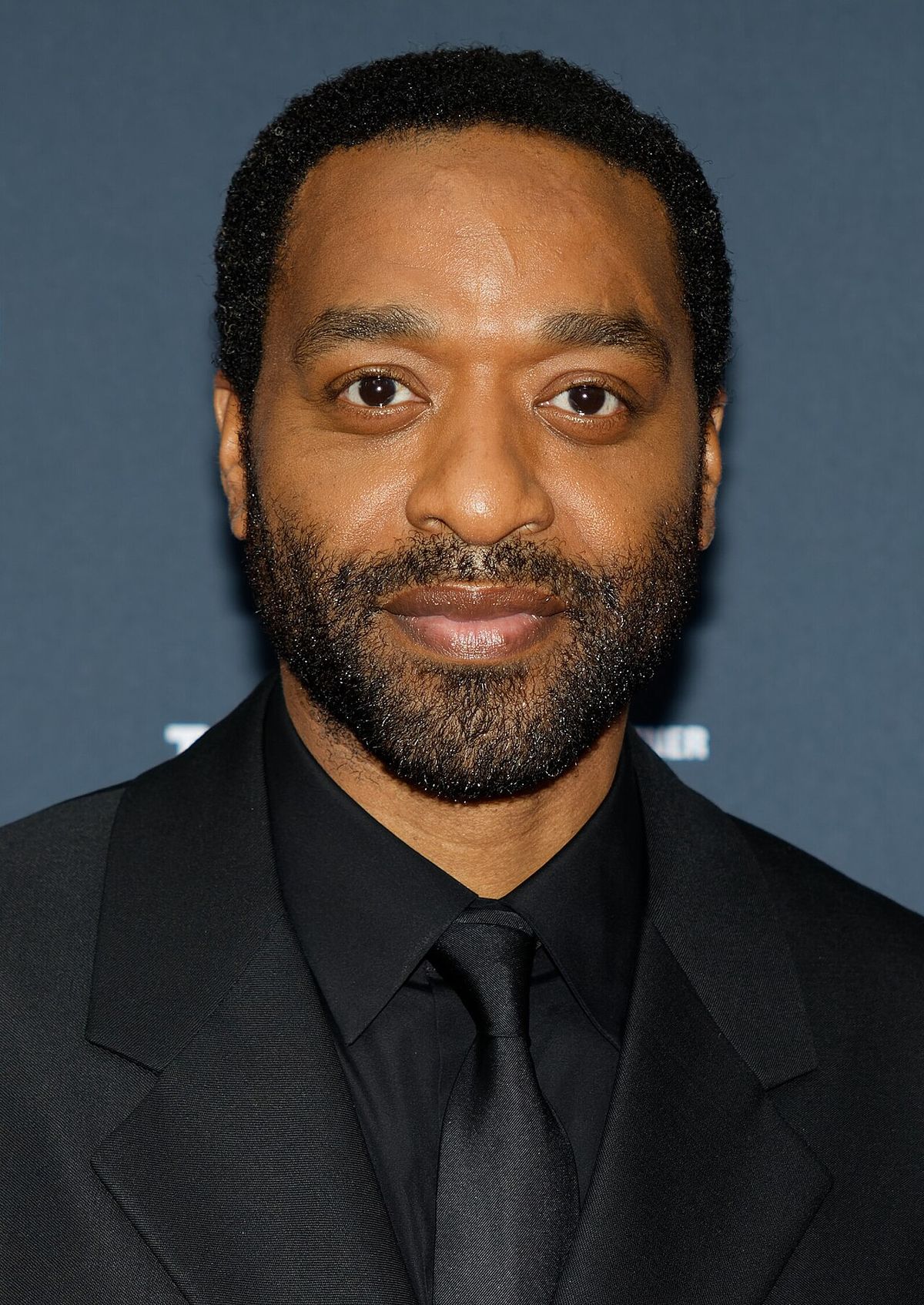
The Incredible Hulk
The Incredible Hulk is a 2008 American superhero film based on the Marvel Comics character, serving as the second feature in the Marvel Cinematic Universe (MCU). Directed by Louis Leterrier and starring Edward Norton as Dr. Bruce Banner, the film reimagines the character's story as a reboot, focusing on Banner's life as a fugitive attempting to cure his monstrous alter ego while being pursued by the military. The film holds significance for Canadian audiences due to its substantial production footprint in Toronto, which served as the primary filming location, and its narrative conclusion set in Bella Coola, British Columbia. Released to moderate commercial success, it is notable for its departure from the 2003 Hulk film and for introducing a version of the character that would later be recast within the expanding MCU.
Production and Development
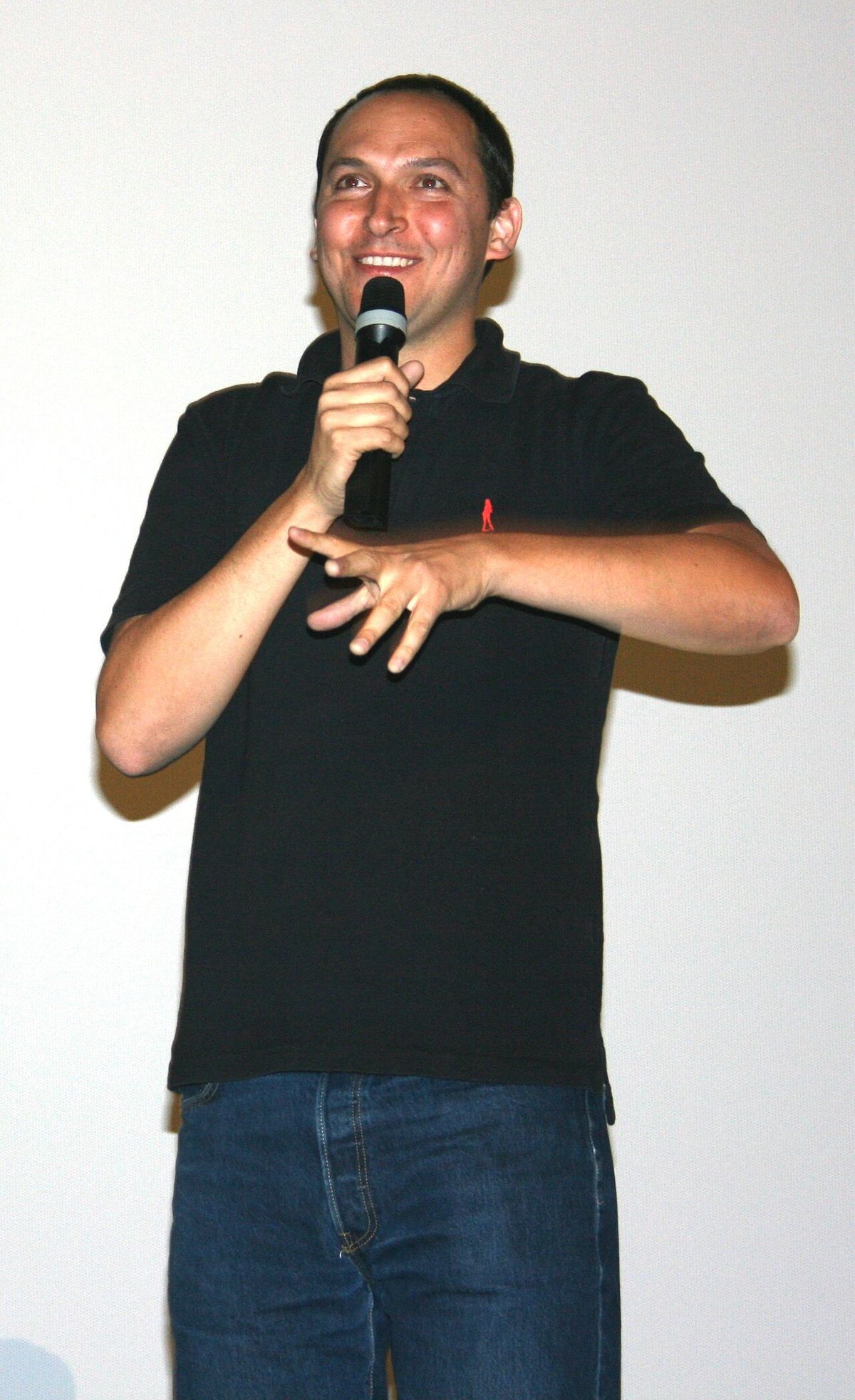
Following the mixed reception of Ang Lee's 2003 film Hulk, Marvel Studios reacquired the film rights to the character, though Universal Pictures retained distribution rights. The studio aimed to create a film that deviated from Lee's introspective style, intending to launch a franchise more aligned with the comic books and the popular 1978 to 1982 television series. Producer Gale Anne Hurd emphasized the goal was to meet audience expectations from those source materials. Director Louis Leterrier was hired after expressing initial interest in directing Iron Man, a project that went to Jon Favreau. Leterrier's primary inspiration was the comic Hulk: Gray by Jeph Loeb and Tim Sale, and he sought to visually replicate specific comic panels within the film. Screenwriter Zak Penn, who had written a draft for the 2003 film, returned to craft a script that was tonally closer to the TV series and Bruce Jones's run on the comics, positioning it as a follow-up but with a distinct identity akin to how Aliens differed from Alien.
In April 2006, Edward Norton entered discussions to portray Bruce Banner, securing a deal that included rewriting the screenplay. Norton delivered a draft within a month of being hired and continued to polish it during principal photography, though he ultimately received no writing credit. His script functioned as a reboot, deliberately distancing the film from its 2003 predecessor while retaining only the basic concept of Banner hiding in South America. Norton was drawn to the project by Leterrier's vision and the classic fugitive narrative associated with the character. Key production details were set by November 2006, with a release date of June 13, 2008, firmly established. The film's development was marked by a conscious decision to avoid a lengthy origin story, with producer Kevin Feige stating the familiar origin would be addressed quickly to focus on new narrative elements.
Filming and Locations
Principal photography for The Incredible Hulk took place from July to November 2007. The production was based extensively in Toronto, Ontario, which stood in for numerous settings including Culver University in Virginia and areas of New York City. This significant Canadian shoot contributed to the local film economy and provided recognizable backdrops for Canadian viewers. Additional filming occurred on location in New York City and Rio de Janeiro, Brazil. The film's conclusion is notably set in Bella Coola, British Columbia, where Bruce Banner is seen attempting to control his transformations, further cementing a Canadian connection within the MCU narrative. The production utilized over 700 visual effects shots, created through a combination of motion capture and computer-generated imagery to realize the Hulk and the Abomination.
The filming process involved elaborate stunt work and motion capture performances. Tim Roth, who played Emil Blonsky, performed motion capture for the Abomination, a process he compared to fringe theatre, and worked with movement coach Terry Notary. Stunt performer Cyril Raffaelli executed some of Blonsky's action sequences. Lou Ferrigno, the original Hulk from the television series, was hired to voice the character, marking his third time portraying the Hulk across different media. Ferrigno also made a cameo appearance as a security guard. The production faced challenges, including disagreements between Edward Norton and Marvel Studios over the final edit of the film, which contributed to Norton not returning for future MCU appearances.
Plot Synopsis
The film opens with an experiment at Culver University, where Dr. Bruce Banner is exposed to gamma radiation while assisting General Thaddeus Ross's secret 'super soldier' program. The accident causes Banner to transform into the Hulk whenever his heart rate rises, leading to destruction and injury. Five years later, Banner is a fugitive working in a bottling factory in Rio de Janeiro, collaborating online with a scientist known as 'Mr. Blue' to find a cure. After a drop of his blood contaminates a soda bottle and makes a consumer ill, General Ross tracks Banner to Brazil and sends a team led by Emil Blonsky to capture him. Banner transforms and defeats the team, after which Blonsky, coveting the Hulk's power, agrees to be injected with a version of the super soldier serum.
Banner returns to Culver University and reunites with his former love, Betty Ross. Their reunion is interrupted by Ross and Blonsky, leading to another Hulk transformation and a battle where Blonsky is severely injured but heals rapidly due to the serum. Banner and Betty flee and meet 'Mr. Blue,' revealed as cellular biologist Dr. Samuel Sterns in New York City. Sterns has developed a potential antidote and has synthesized a large supply from Banner's blood samples. While Banner is taken into custody, Blonsky forces Sterns to inject him with Banner's blood, mutating into the monstrous Abomination. The Abomination rampages through Harlem, prompting Banner to convince Ross to release him. Banner transforms into the Hulk, battles, and defeats the Abomination, sparing his life at Betty's plea. In a post-credits scene, Tony Stark approaches General Ross in a bar to inform him that 'a team is being put together.'
Cast and Characters
The film features an ensemble cast led by Edward Norton as Dr. Bruce Banner, a role he took on due to his fandom of the classic comic and TV series depictions. Norton brought a gravitas to the character, influenced by the Greek myth of Prometheus. Liv Tyler portrays Betty Ross, Banner's love interest, a cellular biologist drawn back into his dangerous world. Tyler was attracted to the human love story within the script. General Thaddeus 'Thunderbolt' Ross is played by William Hurt, who portrayed the character as a driven, Ahab-like figure obsessed with capturing the Hulk. Tim Roth plays the primary antagonist, Emil Blonsky, a Royal Marines Commando whose lust for power transforms him into the Abomination. Roth took the role to please his comic-book fan sons and found the project's darker themes interesting.
Supporting roles include Tim Blake Nelson as Dr. Samuel Sterns, whose exposure to Banner's blood begins his transformation into the comic villain The Leader. Ty Burrell plays psychiatrist Leonard Samson, Betty's boyfriend during Banner's absence. The cast also features several notable cameos and supporting performances, including Lou Ferrigno as a security guard and as the voice of the Hulk, Robert Downey Jr. in an uncredited cameo as Tony Stark, and Stan Lee as a man who drinks the contaminated soda. Paul Soles, voice of Banner in the 1966 animated series, appears as pizzeria owner Stanley Lieber, and Martin Starr plays a college student later retroactively named Roger Harrington in the MCU. This diverse cast helped ground the superhero narrative in recognizable human dynamics and connect it to broader Marvel lore.
- Lou Ferrigno as a security guard and as the voice of the Hulk.
- Robert Downey Jr. in an uncredited cameo as Tony Stark, linking the film to Iron Man.
- Stan Lee as a man who drinks the contaminated soda.
- Paul Soles, voice of Banner in the 1966 animated series, as pizzeria owner Stanley Lieber.
- Martin Starr as a college student, later retroactively named Roger Harrington in the MCU.
- Michael K. Williams as a Harlem bystander, a role written for him by Norton.
Reception and Box Office Performance
The Incredible Hulk premiered at the Gibson Amphitheatre in Universal City, California, on June 8, 2008, and was released wide in the United States on June 13. This performance was an improvement over the 2003 film's final gross but was considered below the soaring heights of other MCU launch titles. Critical reception was mixed but generally more positive than for the previous Hulk film, with reviewers noting its closer adherence to comic book action and the effective pacing of its narrative. The film's integration into the nascent Marvel Cinematic Universe, particularly through the Tony Stark cameo, was widely praised as a smart strategic move.
The film's financial results are summarized in the table below, which breaks down its performance in key markets. Despite discussions of a direct sequel, further Hulk solo films did not materialize, partly due to ongoing distribution rights held by Universal Pictures. The character's future within the MCU shifted to ensemble appearances, with Mark Ruffalo taking over the role of Bruce Banner beginning with 2012's The Avengers . The film's legacy is that of a successful tonal reboot that helped stabilize the character for future MCU integration.
Cultural Impact and Legacy
The Incredible Hulk played a crucial role in the early expansion of the Marvel Cinematic Universe, establishing a template for rebooting a character within a shared continuity. Its direct references to the super soldier program and the post-credits scene with Tony Stark explicitly tied it to the events of Iron Man, actively building the interconnected universe that would define the franchise. The film's use of Toronto as a primary filming location demonstrated the city's capacity to double for American urban centres, a practice that continued in many subsequent MCU productions. For Canadian audiences, the specific mention of Bella Coola, British Columbia, as Banner's refuge provided a rare and explicit geographic link to Canada within the MCU's global narrative.
The recasting of Bruce Banner with Mark Ruffalo after this film became a notable chapter in MCU history, stemming from the reported creative differences between Edward Norton and Marvel Studios. Despite this, several elements from The Incredible Hulk persisted in later films. William Hurt reprised his role as General Ross in multiple MCU installments, including Captain America: Civil War and Avengers: Endgame. Tim Blake Nelson's Samuel Sterns was set up for a potential return as The Leader, a storyline that remained unresolved for over a decade. The film's more action-oriented, fugitive-centric approach to the Hulk character influenced his portrayal in the Avengers series, balancing the creature's power with Banner's scientific intellect and perpetual sense of isolation.
Questions about The Incredible Hulk
Where was The Incredible Hulk filmed in Canada?
The primary filming location for The Incredible Hulk was Toronto, Ontario, where filming took place from July to November 2007. The city served as the backdrop for scenes set at Culver University and for the climactic battle in New York City's Harlem. The film's narrative concludes with Bruce Banner in Bella Coola, British Columbia, where he is seen practicing control over his transformation. The production also included additional filming in New York City and Rio de Janeiro, Brazil.
Why was Edward Norton replaced as the Hulk in the MCU?
Edward Norton did not reprise his role as Bruce Banner after The Incredible Hulk due to various disagreements with Marvel Studios during production, including conflicts over the final edit of the film. Norton had been hired not only to star but also to rewrite the screenplay, though he ultimately received no writing credit. Marvel Studios subsequently recast the role, with Mark Ruffalo taking over as Banner for all subsequent Marvel Cinematic Universe appearances, starting with the 2012 crossover film The Avengers. The notes indicate that Ruffalo was actually director Louis Leterrier's original choice for the role before Norton was cast.
Is The Incredible Hulk a sequel to the 2003 Hulk movie?
No, The Incredible Hulk is not a direct sequel to the 2003 Hulk film. It was deliberately conceived as a reboot to give the character a fresh start within the newly established Marvel Cinematic Universe. Director Louis Leterrier and writer Zak Penn crafted a script that was closer to the classic comic books and the 1978 to 1982 television series, distancing it from the previous film. Edward Norton's script rewrites further positioned it as a reboot to establish its own identity. The film acknowledges the basic origin event but tells a new story, with Leterrier noting the only remaining similarity was Bruce Banner hiding in South America.
Who is the villain in The Incredible Hulk?
The primary villain in The Incredible Hulk is Emil Blonsky, a Russian-born officer in the United Kingdom's Royal Marines Commandos loaned to General Ross, played by Tim Roth. Lusting for the Hulk's power, Blonsky agrees to be injected with a super soldier serum and later with Bruce Banner's blood, which mutates him into a monstrous creature called the Abomination. A secondary villain is set up with Dr. Samuel Sterns, a cellular biologist played by Tim Blake Nelson, who is exposed to Banner's blood and begins mutating into the comic book villain known as The Leader. General Thaddeus Ross also serves as a persistent antagonist throughout the film.
What is the connection between The Incredible Hulk and the wider MCU?
The Incredible Hulk is the second film in the Marvel Cinematic Universe's Phase One. Its central plot involves General Ross's attempts to recreate the World War II era super soldier program, which directly ties to the origins of Captain America. The film concludes with a cameo appearance by Robert Downey Jr. as Tony Stark, who approaches General Ross in a bar and informs him that a team is being put together, teasing the formation of the Avengers. A minor character played by Martin Starr was retroactively named Roger Harrington, linking him to Starr's role in the later Spider Man films within the MCU.
Did Lou Ferrigno appear in The Incredible Hulk?
Yes, Lou Ferrigno, who portrayed the Hulk in the 1978 to 1982 television series, had two distinct roles in The Incredible Hulk. He provided the voice for the computer generated Hulk, delivering lines such as Leave me alone and the well-known Hulk smash. Ferrigno made a cameo appearance in a live action role as a security guard at Culver University, whom Bruce Banner bribes with a pizza. This marked the third time Ferrigno was involved in portraying the Hulk, having also voiced the character in the 1996 to 1997 animated television series.
Sources and further reading
- The Incredible Hulk (Wikipedia)
- The Incredible Hulk (2008) directed by Louis Leterrier (letterboxd.com)
Checked by the Yadude Books desk. Last updated 2026-10-23.