X-Men: The Last Stand
X-Men: The Last Stand is a 2006 superhero film and the third instalment in the original X-Men trilogy, serving as a direct sequel to X2 (2003). Directed by Brett Ratner, the film presents a narrative where the discovery of a 'mutant cure' fractures the mutant community and triggers the catastrophic return of Jean Grey as the Dark Phoenix. As a major Hollywood production with significant Canadian talent, including stars Hugh Jackman and director of photography Dante Spinotti, and extensive filming in Vancouver, the film holds a notable place in Canadian cinematic history. It was a major box office success upon release, grossing approximately $460 million worldwide, though it received a mixed critical reception for its handling of the franchise's complex themes.
Production History and Development
The development of X-Men: The Last Stand was marked by significant behind-the-scenes changes that distinguished it from its predecessors. Bryan Singer, who directed the first two films, departed the project to direct Superman Returns (2006), taking with him several key collaborators including composer John Ottman, editor John Ottman, and writers Dan Harris and Michael Dougherty. This left the sequel without a defined storyline, forcing the studio to start anew. Matthew Vaughn was initially hired as director and contributed to the script, though he received no credit, but he left the production due to personal and professional issues shortly before filming was set to begin. Brett Ratner was subsequently brought on to direct, with a final screenplay credited to Simon Kinberg and Zak Penn. The film's production budget was set at $210 million, making it the most expensive film ever made at the time of its release. Principal photography took place from August 2005 to January 2006, with extensive location work in Vancouver, Canada, which stood in for various settings including San Francisco and the X-Mansion. The production utilized the facilities of Vancouver Film Studios and involved complex visual effects work coordinated across 11 different special effects companies to realize the film's ambitious action sequences and mutant powers.
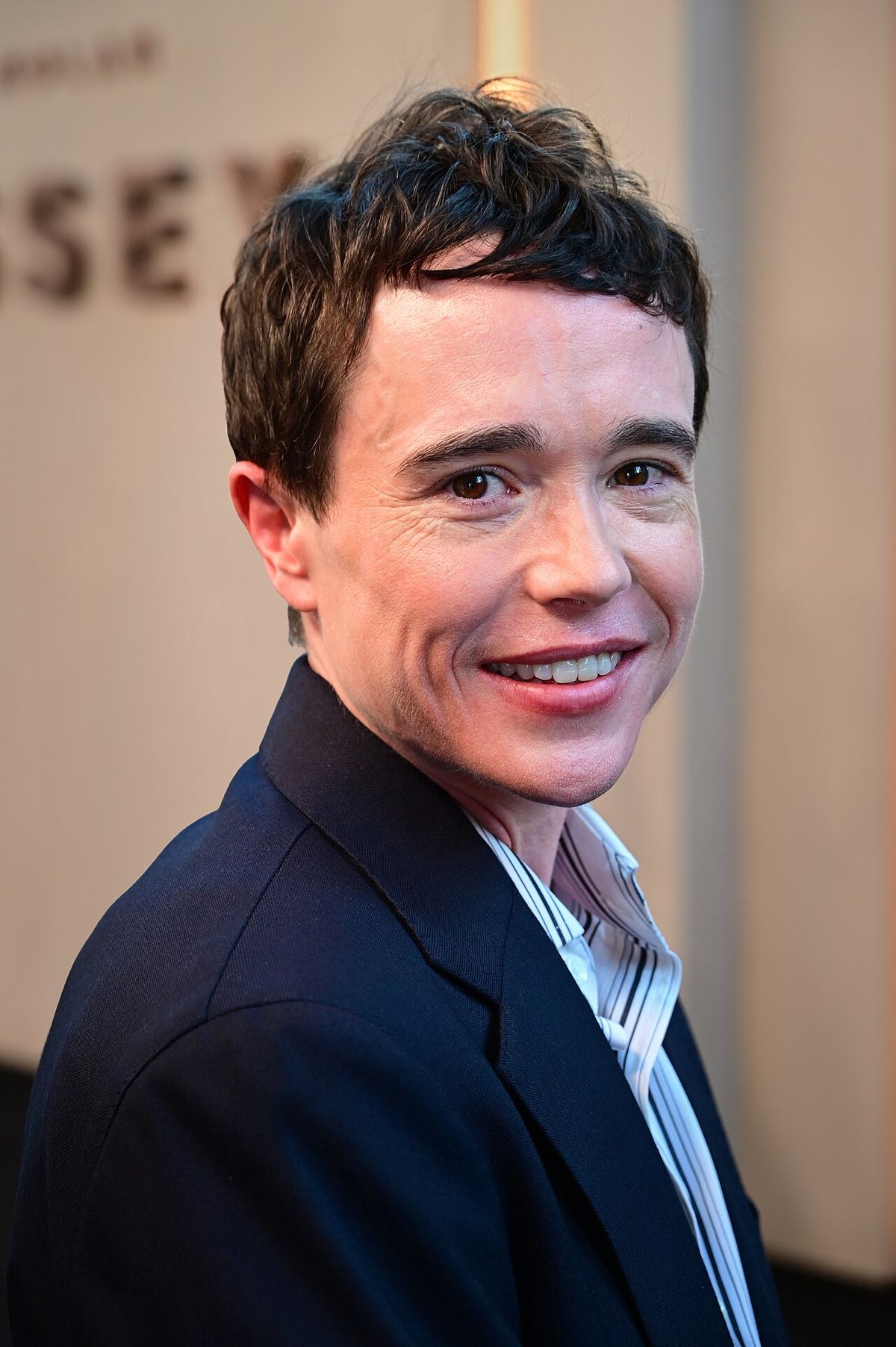
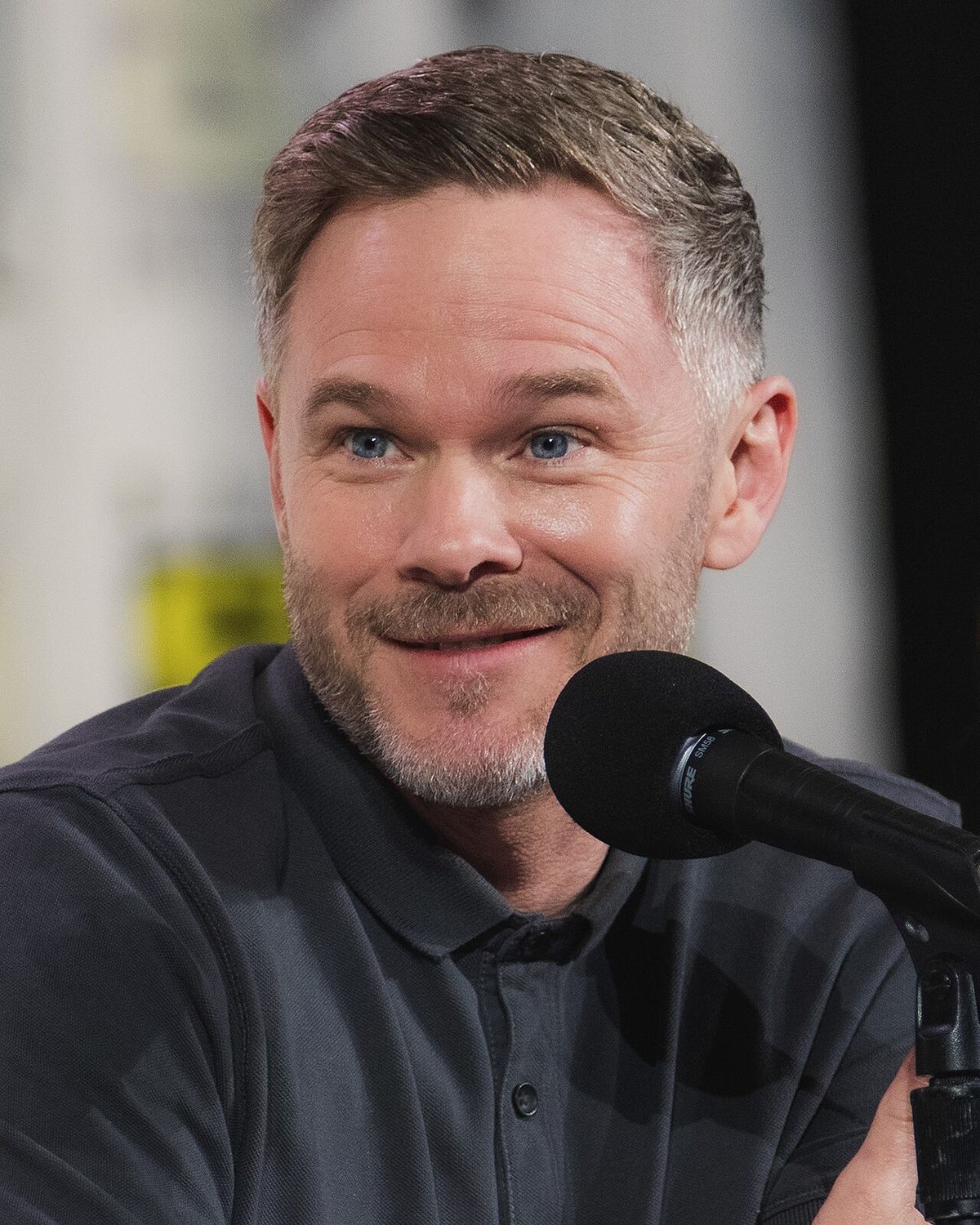
The casting process saw the return of the core ensemble while introducing several new key characters. Kelsey Grammer joined the cast as Dr. Henry McCoy, also known as Beast, a role that required a lengthy daily makeup process of three hours. Elliot Page was cast as Kitty Pryde after impressing Ratner with his performance in Hard Candy (2005), while Maggie Grace was also considered for the role. Vinnie Jones was brought in by the initial director, Matthew Vaughn, to play Juggernaut, a role that demanded a four-hour makeup application. The departure of James Marsden, who played Cyclops, for Superman Returns directly influenced the plot, leading to his character's early demise. Similarly, Shawn Ashmore turned down Bryan Singer's invitation to play Jimmy Olsen in Superman Returns to remain committed to the X-Men franchise as Iceman. The film's narrative combined two major storylines from the X-Men comics: the "Gifted" arc, concerning a mutant cure, and "The Dark Phoenix Saga," focusing on Jean Grey's transformation. The writers described Jean's struggle as an Oedipal drama, with the Phoenix representing a Greek goddess and Jean representing a grounded, Freudian victim.
Plot Synopsis and Narrative Structure
The film opens with a flashback to a young Jean Grey being recruited by Charles Xavier and Erik Lehnsherr for the Xavier School for Gifted Youngsters, which demonstrates her immense but unstable power. In a parallel scene, industrialist Warren Worthington II discovers his son Warren III has feathered wings, a revelation the writers paralleled with a father discovering his son's homosexuality. In the present day, Worthington Labs announces a medical treatment that can suppress the X-gene, effectively 'curing' mutation. This development creates a deep schism within the mutant community. Some, like Rogue who cannot safely touch others, are drawn to the cure, while Magneto reconstitutes his Brotherhood of Mutants to oppose what he sees as a genocidal weapon against mutantkind. The Brotherhood's ranks swell with new recruits like the fiery Pyro, the super-strong Juggernaut, and the duplicating Multiple Man after a prison break orchestrated by Magneto, Callisto, and Pyro.
Meanwhile, Scott Summers, Cyclops, still grieving Jean Grey's apparent death, visits Alkali Lake where she sacrificed herself. Jean miraculously reappears but, under the influence of her dark Phoenix persona, kills him during a kiss. Wolverine and Storm investigate and bring an unconscious Jean back to the X-Mansion. Professor Xavier reveals that he had psychically repressed Jean's immensely powerful and destructive alternate personality, the Phoenix, and that her resurrection has unleashed it. Wolverine is disgusted by this psychic tampering. The Phoenix persona fully emerges, destroys the X-Mansion, and disintegrates Xavier before fleeing with Magneto, who seeks to wield her power. A depowered Mystique, having been abandoned by Magneto after losing her abilities to a cure dart, gives his location to the FBI, though the raid finds only Multiple Man's copies. The conflict culminates in a massive battle on Alcatraz Island, where Magneto's Brotherhood attacks to eliminate the mutant source of the cure, a young boy named Jimmy. The X-Men intervene, leading to several confrontations: Kitty Pryde phases through walls to save Jimmy from Juggernaut, Iceman battles his former friend Pyro, and Beast injects Magneto with the cure, stripping him of his powers. Ultimately, Wolverine, relying on his healing factor and adamantium skeleton, is forced to confront and kill Jean to stop the Phoenix from destroying everything, a heartbreaking act she momentarily welcomes as Jean briefly regains control. In the aftermath, mutant rights are obtained, Storm becomes headmistress of the school, Beast is appointed UN ambassador, and Rogue, having taken the cure, rekindles her relationship with Iceman. A depowered Magneto is seen in a San Francisco park, where a metal chess piece subtly moves, hinting his powers may be returning. A post-credits scene reveals a comatose patient in a hospital bed speaking with Charles Xavier's voice.
Cast and Character Portrayals
The film features a large ensemble cast, blending returning stars with new additions. Hugh Jackman reprises his role as Logan, the Wolverine, a Canadian mutant with enhanced senses, retractable claws, and an accelerated healing factor that allowed for the implantation of his adamantium skeleton. Jackman appreciated the script's evolution of his character into a potential leadership role within the team. Halle Berry returned as Ororo Munroe, Storm, having stated during X2 promotions she would not return unless the character had a role comparable to the comics. Her character's wardrobe was updated by costume designer Judianna Makovsky to include more black clothing to project a tougher, sexier image. Ian McKellen played the militant mutant leader Magneto, with the actor drawing parallels between the fictional 'cure' and real-world prejudices, stating it would be as abhorrent as a pill to cure homosexuality or blackness. McKellen's schedule was accommodated by filming him in England and superimposing him into plates shot in Vancouver.
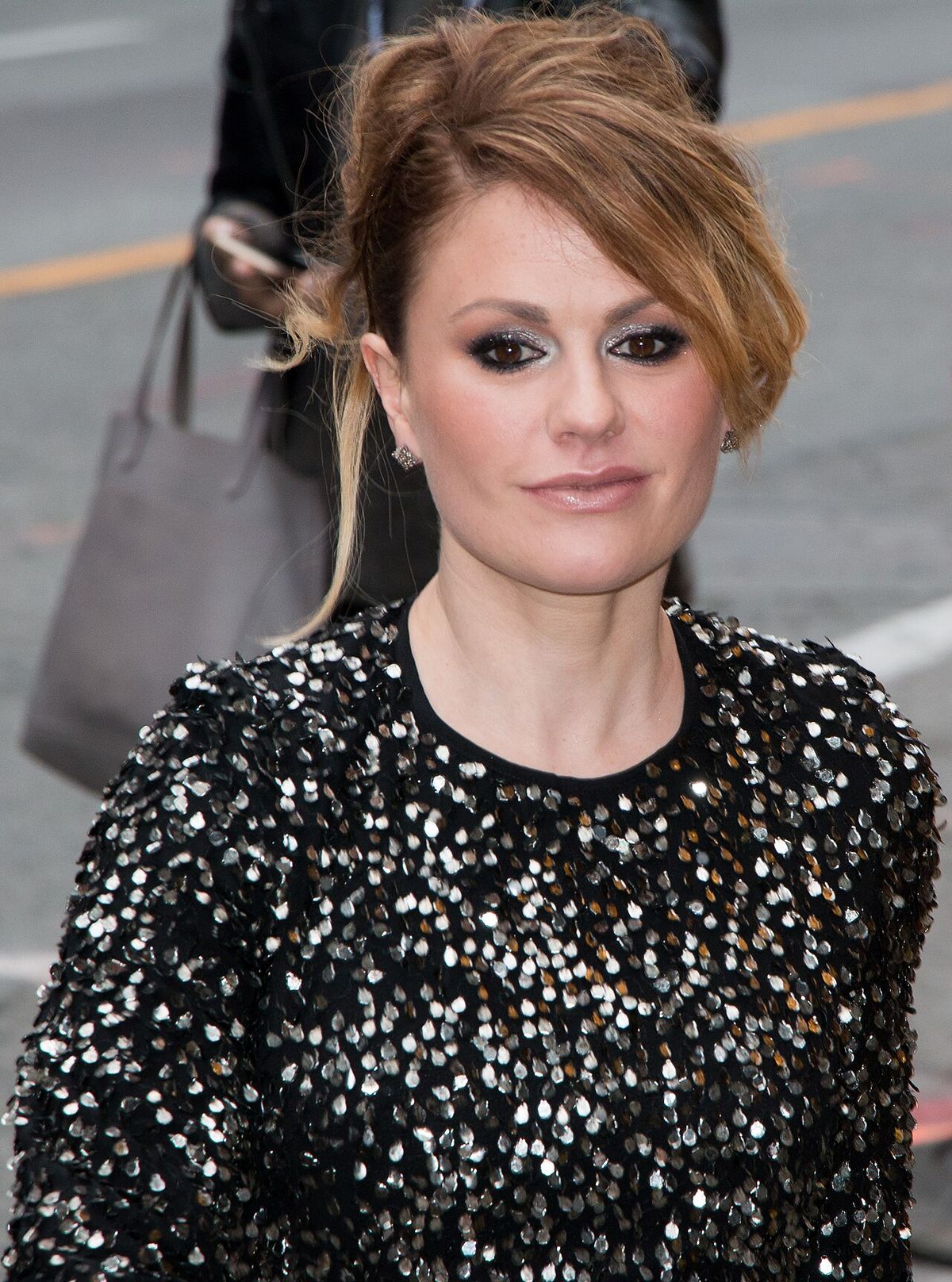
Famke Janssen portrayed the dual role of Jean Grey and the Phoenix, a transformation marked by a darker visual design including red clothing and digital makeup to give her a veined, sinister appearance with black eyes. Anna Paquin's Rogue grappled with the emotional decision of whether to take the cure to have a normal relationship, noting her role had more emotional intensity than physical action. Kelsey Grammer made his debut as the erudite, blue-furred Beast, a role requiring three hours of prosthetic makeup application daily involving latex, a muscle suit, and hand-punched fur. Patrick Stewart played Professor X, whose character meets a shocking end, a plot point the actor was not initially aware of when he signed on. He never met original director Matthew Vaughn, only Brett Ratner. Other key returning cast members included Rebecca Romijn as the shape-shifting Mystique, who described losing her powers as her character's worst nightmare, James Marsden in a brief appearance as Cyclops, Shawn Ashmore as Iceman, and Aaron Stanford as the antagonistic Pyro, who found the role less physically demanding than his previous work on The Hills Have Eyes.
Notable New Cast Members and Characters:- Kelsey Grammer as Dr. Henry "Hank" McCoy / Beast: U.S. Secretary of Mutant Affairs with blue fur and enhanced strength.
- Vinnie Jones as Cain Marko / Juggernaut: A nearly unstoppable strongman mutant recruited from prison.
- Elliot Page as Kitty Pryde: A mutant with the phasing ability, who was initially reluctant to join a Hollywood film.
- Ben Foster as Warren Worthington III / Angel: A mutant with large wings, a role Mike Vogel turned down for Poseidon.
- Daniel Cudmore as Peter Rasputin / Colossus: A mutant who can transform his body into organic steel.
- Dania Ramirez as Callisto: Leader of the Omegas with enhanced senses, a combination of two comic characters.
- Shohreh Aghdashloo as Dr. Kavita Rao: A scientist at Worthington Labs who is killed by Kid Omega.
- Eric Dane as Multiple Man: A mutant who can create duplicates of himself.
The supporting cast included Michael Murphy as Warren Worthington II, the head of Worthington Labs who discovers his son is a mutant. Josef Sommer played the President of the United States, a role the producers chose to make a traditional elder Caucasian man to avoid cliché. Bill Duke appeared as Trask, the head of Homeland Security, a probable relation to the comics' Bolivar Trask. Cayden Boyd played a young Warren Worthington III, also known as Angel, in the film. Haley Ramm portrayed the young Jean Grey in the film's opening sequence. Meiling Melançon also appeared as Psylocke, though her teleportation power differed from the comics.
Themes, Allegory, and Critical Reception
X-Men: The Last Stand explores themes of identity, prejudice, and the cost of normalization, using the concept of a 'mutant cure' as its central allegory. This plotline resonated with several cast members on a personal level. Ian McKellen found a direct parallel to societal attempts to 'cure' homosexuality, stating he found the concept abhorrent. Halle Berry connected it to childhood feelings about changing her racial identity to fit in, calling such ideas nonsense. The writers integrated this with the 'Dark Phoenix' narrative, which deals with power, corruption, and the loss of self, describing Jean's struggle as a schizophrenic conflict between a human victim and a goddess-like destructive force. The film also touches on themes of betrayal and loyalty, illustrated by Magneto's abandonment of a depowered Mystique and the ideological rift between former friends Pyro and Iceman.
Critical reception was mixed and notably less favourable than for the previous two films. A common critique was that the film attempted to juggle too many plotlines and new characters, resulting in a crowded narrative that lacked the character depth and thematic coherence of X2. The handling of major events, such as the deaths of Cyclops and Professor X, was frequently cited as rushed and lacking emotional weight. The departure from Bryan Singer's directorial style was also noted, with some critics finding Brett Ratner's approach more conventional and less nuanced. However, many reviews contained qualified praise for specific elements. The film's extensive visual effects, large-scale action sequences, and certain performances were consistently highlighted. Hugh Jackman's portrayal of Wolverine, Ian McKellen's Magneto, and Kelsey Grammer's scene-stealing turn as Beast received positive notices. The action, including the Alcatraz battle and the Fastball Special move between Colossus and Wolverine, was deemed exciting by many critics. Ultimately, the film was seen as a spectacle-driven conclusion that prioritized mutant action over the series' earlier philosophical depth, satisfying some fans while disappointing others who valued the franchise's allegorical weight.
Box Office Performance and Franchise Context
X-Men: The Last Stand was a major box office success upon its release in May 2006. It premiered in the Out of Competition section at the Cannes Film Festival on May 24, 2006, before opening wide in North America on May 26. The film grossed approximately $460 million worldwide against its $210 million production budget. This total made it the seventh-highest-grossing film of 2006 globally. Within the X-Men film series, it was the highest-grossing entry at the time of its release, a position it held until later films surpassed it. Following the release of Deadpool 2 in 2018, The Last Stand stood as the fourth-highest-grossing film in the broader X-Men franchise. The film's financial performance confirmed the viability of the superhero genre and the X-Men property, paving the way for future instalments and helping to cement the template for large ensemble superhero films. The film's conclusion did not mark the end of the X-Men film series. Instead, 20th Century Fox initiated a soft reboot with X-Men: First Class in 2011, which explored the early years of Charles Xavier and Erik Lehnsherr. The original trilogy, however, remains a foundational part of the modern superhero film era.
Production Design, Makeup, and Visual Effects
The production of X-Men: The Last Stand involved extensive and innovative work in makeup, costume design, and visual effects to bring its large cast of mutants to life. The makeup department faced significant challenges, most notably with Kelsey Grammer's Beast, which required a three-hour application process involving latex prosthetics, a hand-punched fur suit, and a muscle suit, plus painting his eye area and lips blue. Vinnie Jones's Juggernaut also required a four-hour makeup process, including a prosthetic chin, a muscle suit, and the character's bullet-shaped helmet, designed to be recognisable without being excessively over the top. For Famke Janssen's Phoenix, digital makeup was used to darken her complexion and create a network of visible veins, visually signalling the character's corruption and turning her eyes black. Costume designer Judianna Makovsky updated the looks of several characters, giving Storm a more modern haircut and a wardrobe dominated by black leather to appear tougher and sexier, and dressing the Phoenix in flowing red everyday fabrics to contrast with the X-Men's uniforms.
The visual effects scope was massive, with work distributed across 11 different companies, a necessity for the film's ambitious action-driven narrative. Key sequences relied heavily on CGI, including the telekinetic destruction of the Grey family home, the large-scale battle on Alcatraz Island with its military forces and dozens of mutants, and the manifestation of various powers like Storm's weather control and Iceman's ice constructs. Ben Foster's Angel required a combination of practical and digital effects. Static wing models with a 15-foot wingspan and 5-foot height were glued to the actor's back for stationary shots, while computer-generated wings were used for all flight sequences. Daniel Cudmore's Colossus wore a foam latex muscle suit covered with chrome-plated plastic for his metallic form, with digital augmentation used to enhance facial expressions, and a fully digital double was created for the 'Fastball Special' stunt where he throws Wolverine at Magneto. The film's effects work was central to realising its spectacle, creating a visually dense conclusion to the trilogy that emphasized scale and power above all else.
Cultural Impact and Legacy
X-Men: The Last Stand occupies a complex position in the legacy of the superhero film genre and the X-Men franchise specifically. As the conclusion to the original trilogy that helped revive mainstream interest in comic book adaptations, it demonstrated the massive commercial potential of big-budget, effects-driven superhero team-ups. Its box office success, becoming the highest-grossing X-Men film at the time, provided a clear signal to studios to invest further in the genre. The film's production, with its $210 million budget and multi-studio effects pipeline, also represented a shift towards the larger-scale, more expensive blockbuster model that would become standard for later superhero films. Its mixed critical reception, however, highlighted the challenges of balancing character-driven storytelling with expansive ensemble casts and multiple plotlines, a lesson that subsequent franchise entries would grapple with.
This retroactive continuity change confirmed the film's status as a divisive chapter. Despite this, the film introduced several characters and moments that remain memorable, such as Kelsey Grammer's acclaimed portrayal of Beast, the Fastball Special, and the visual representation of the Phoenix. The allegory of the mutant cure, and the cast's personal connections to it, ensured the film retained the franchise's thematic concern with prejudice, even if its execution was debated. As a Canadian production hub effort, its extensive use of Vancouver locations and facilities further cemented the city's role as a major centre for Hollywood filmmaking.
Questions about X-Men: The Last Stand
Who directed X-Men: The Last Stand?
Brett Ratner directed X-Men: The Last Stand. He was brought on to the project after the original director, Matthew Vaughn, left due to personal and professional reasons. This followed the departure of Bryan Singer, who directed the first two films, to work on Superman Returns. Ratner's hiring occurred shortly before the start of principal photography in August 2005.
Why was Cyclops killed off so early in the film?
The character of Cyclops, played by James Marsden, was killed early in the film due to the actor's scheduling conflict. Marsden had committed to a starring role in Bryan Singer's Superman Returns, which was filming concurrently. This necessitated a reduced role for Cyclops, leading the writers to have his character die shortly after Jean Grey's return. Marsden himself saw no problem with the smaller role, acknowledging Wolverine was the franchise's standpoint character.
What is the 'mutant cure' in the movie and what does it represent?
The mutant cure is an inoculation developed by Worthington Labs to suppress the X gene that gives mutants their abilities. It causes serious repercussions among mutants and humans, with some mutants like Rogue considering it while others like Magneto oppose it. Magneto warns the cure will be weaponized to exterminate the mutant race. Actors Ian McKellen and Halle Berry both drew parallels between the cure and real world prejudices against homosexuality and racial identity.
Where was X-Men: The Last Stand filmed and what was the budget?
Principal photography for X-Men: The Last Stand took place from August 2005 to January 2006, with extensive filming in Vancouver, Canada. Locations in and around Vancouver, including Vancouver Film Studios, were used to depict settings such as the X-Mansion, San Francisco streets, and the Alcatraz Island sequence. Some filming also occurred in England to accommodate Ian McKellen's schedule for The Da Vinci Code and theatre work. The film had a production budget of $210 million, making it the most expensive film ever made at the time of its release.
Is X-Men: The Last Stand considered canon after later films?
The series was rebooted in 2011 with the release of X Men First Class. The original X Men trilogy, which includes The Last Stand, is a distinct narrative. The film is the third installment in the X Men film series and the final film in the original X Men trilogy. Its specific events were altered by the time travel narrative in a later film, creating a new timeline.
How does the film adapt the Dark Phoenix Saga from the comics?
The film adapts the Dark Phoenix Saga by incorporating Jean Grey's resurrection and transformation into the Phoenix, a dark alternate personality with godlike destructive potential. This plot is combined with a separate story about a mutant cure. In the film, Professor Xavier reveals he had telepathically repressed the Phoenix force within Jean since her childhood. After her return, the Phoenix persona emerges, causing Jean to kill Cyclops and later disintegrate Professor Xavier. The storyline culminates during the battle on Alcatraz, where Wolverine, using his healing factor, is forced to fatally stab Jean to stop her from destroying everything, mirroring the tragic conclusion of the comic arc.
Sources: Wikipedia and current public reporting, checked by the Yadude Books desk. Last updated 2026-10-24.