David Foster
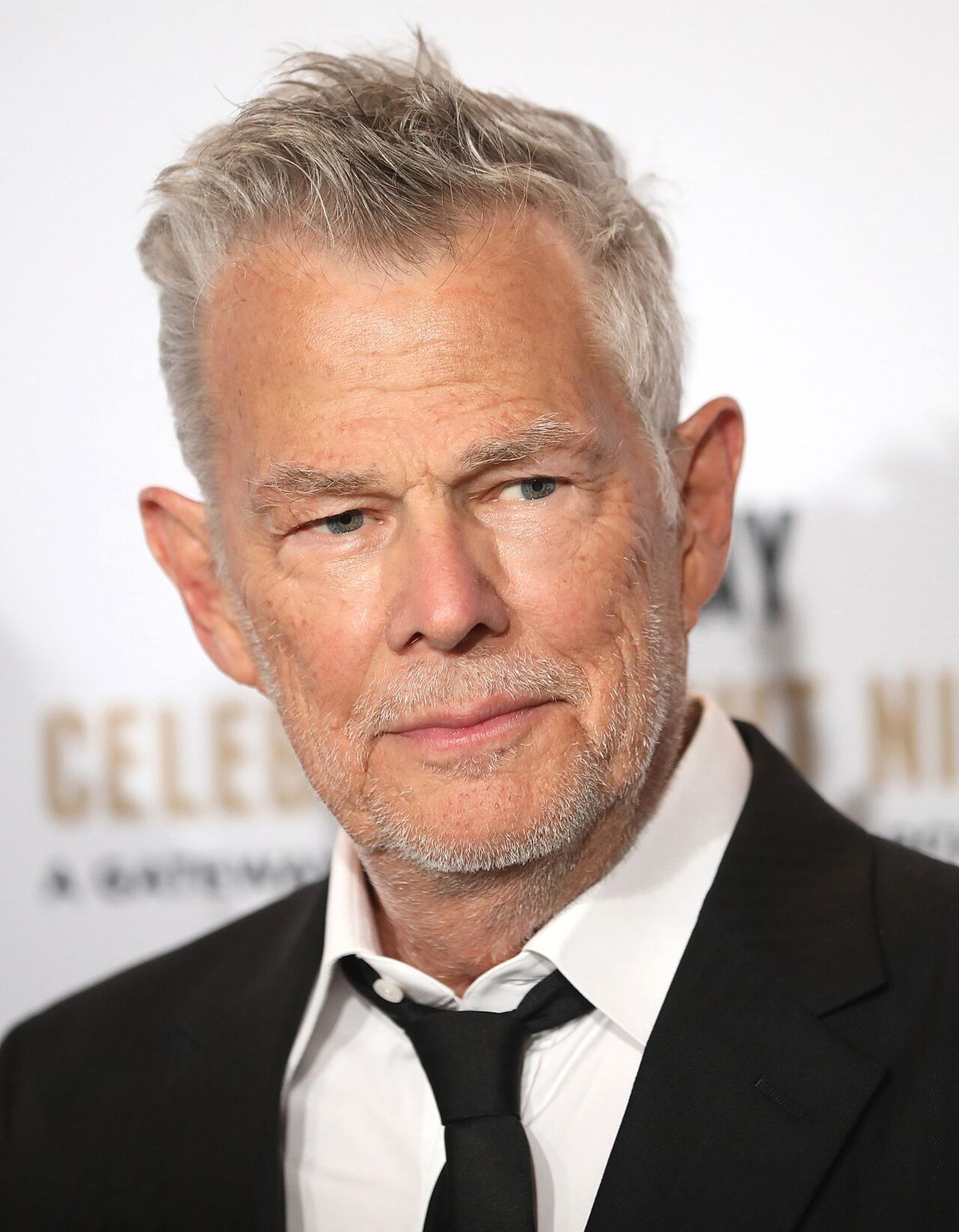
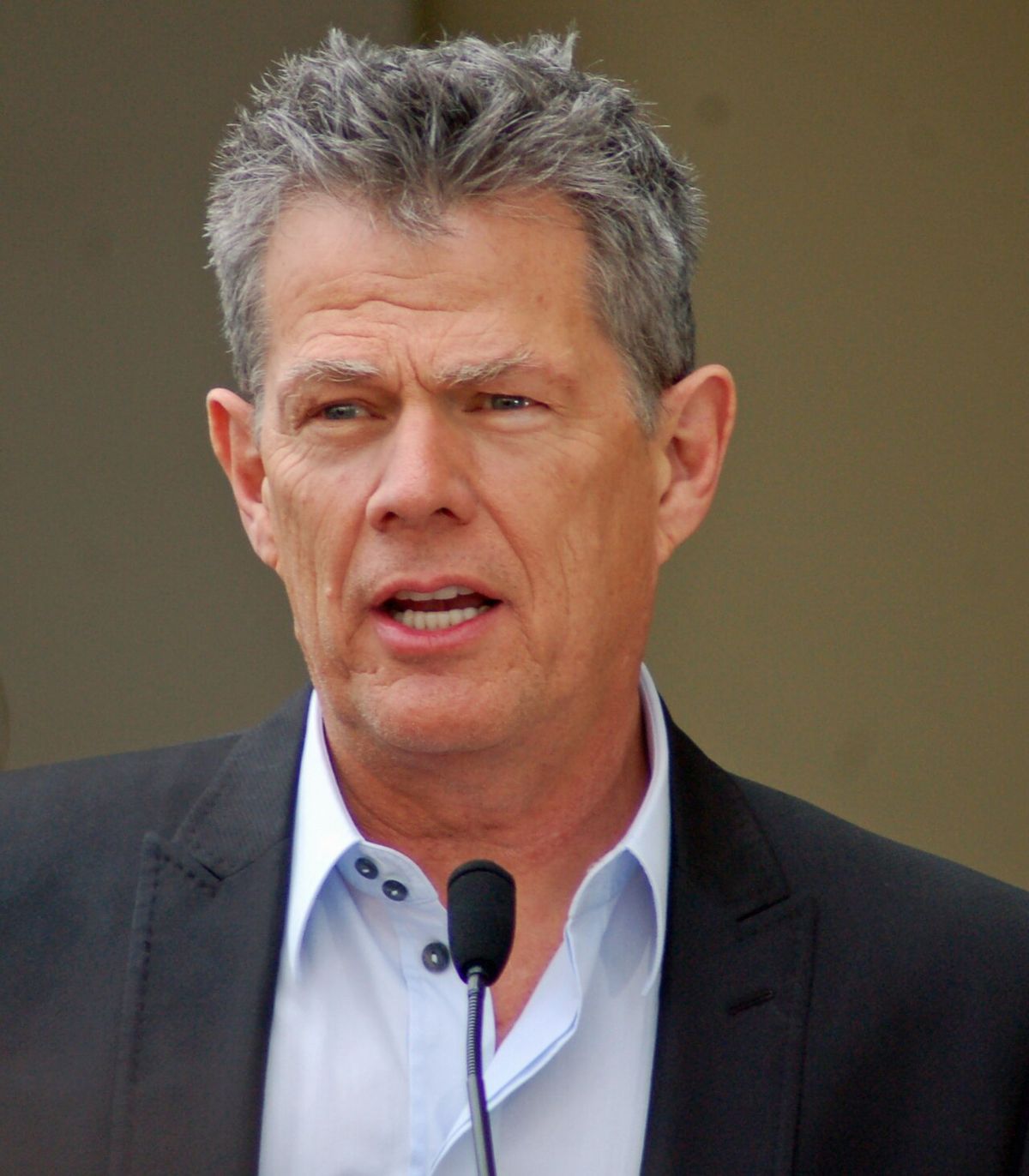
David Walter Foster is a Canadian and American record producer, composer, arranger, and musician whose career has shaped the sound of popular music since the 1970s. A 16-time Grammy Award winner, Foster has composed and produced a large catalogue of chart-topping hits across multiple decades for artists ranging from Chicago and Earth, Wind & Fire to Whitney Houston and Celine Dion. His work, which includes well-known songs like "I Will Always Love You" and "After the Love Has Gone," has made him a central figure in the international music industry and a source of national pride in Canada. In recent years, he has expanded into musical theatre, composing the score for the Broadway production Boop! The Musical .
Early life and musical beginnings
David Foster was born in Victoria, British Columbia, to Maurice "Maury" Foster, an office worker, and Eleanor May Foster, a homemaker. He grew up in a family with six sisters, and his parents discovered his perfect pitch when he was approximately three years old. During his childhood, Foster studied both classical and jazz music, laying a diverse foundation for his future career. A key moment occurred at age 13 when he heard The Beatles on the radio, which solidified his ambition to pursue music professionally. He enrolled in the University of Washington's music program in 1963 and later attended Mount Douglas Secondary School from 1964 to 1966. Although he did not graduate at the time, the school awarded him his Dogwood Certificate in 1985 and named him Honorary Alumni President in 2010. While in school, he performed with the local band The Teen Beats, where he formed a lasting friendship with fellow member Chris Earthy, who would later become his production and tour manager.
Career development in the 1960s and 1970s
Foster's professional journey began in 1966 when he joined the stage band The Strangers, which soon moved to London and performed with rock and roll pioneers Chuck Berry and Bo Diddley. Diddley became a mentor, teaching Foster about musical groove during a period when he was struggling financially. In 1969, he auditioned for a band at a nightclub in Edmonton owned by jazz musician Tommy Banks, who provided crucial mentorship in jazz, record production, and the music business. Around this same time, Foster also performed with rockabilly singer Ronnie Hawkins. In 1971, while playing in Hawkins' band, Foster met singer B.J. Cook, and the two quickly formed the band Skylark, with Foster as keyboardist and de facto leader. The band moved to Los Angeles in 1972 after producer Barry De Vorzon showed interest in their demo for "Wildflower," a song that became a top ten hit in 1973. After Skylark disbanded, Foster remained in Los Angeles as a studio musician.
A major career turning point came in 1974 when Foster was invited to a weekly jam session hosted by drummer Jim Keltner, which brought his talent to wider industry attention. He played on George Harrison's 1975 album Extra Texture and later formed the band Attitudes with Keltner, Danny Kortchmar, and Paul Stallworth, releasing two albums. Foster gradually transitioned from studio musician to producer, entering a major management agreement with attorney Ned Shankman and Ron DeBlasio in the mid-1970s, a novel arrangement for a behind-the-scenes producer at the time. His first opportunity to produce an entire album for a major label came in 1978 with Hall & Oates's Along the Red Ledge, which began his long-time collaboration with engineer Humberto Gatica. That same year, he produced Alice Cooper's concept album From the Inside, demonstrating early versatility. In 1979, Foster made significant contributions to Earth, Wind & Fire's album I Am as a keyboardist, arranger, and composer, co-writing six tracks including "After the Love Has Gone," which earned him his first Grammy Award for Best R&B Song.
Chart dominance and production work in the 1980s
The 1980s established David Foster as a premier hitmaker and producer. He produced Boz Scaggs's 1980 album Middle Man, co-writing hits like "Look What You've Done to Me." He then helmed two albums for The Tubes, 1981's The Completion Backward Principle and 1983's Outside Inside, co-writing the US Top 10 hit "She's a Beauty." In 1982, he produced the original cast album for Dreamgirls, recorded in a single take, which won the Grammy for Best Cast Show Album. Foster played a central role in the revival of the band Chicago, producing Chicago 16 (1982), Chicago 17 (1984), and Chicago 18 (1986). He co-wrote their major hits including the US number one "Hard to Say I'm Sorry," "Hard Habit to Break," "You're the Inspiration," and "Will You Still Love Me?" For his work on Chicago 17, Foster won the Grammy Award for Producer of the Year in 1985.
Foster's work extended into film soundtracks, producing music for St. Elmo's Fire (1985), where John Parr's "St. Elmo's Fire (Man in Motion)" reached number one, and The Secret of My Success (1987). He composed the score for Stealing Home (1988). In 1985, he launched a major Canadian charity project, writing "Tears Are Not Enough" and assembling a host of famous Canadian artists to raise funds for African famine relief, which generated $3.2 million by 1990. He also produced Barbra Streisand's rendition of "Somewhere" for The Broadway Album in 1985, winning a Grammy for Best Instrumental Arrangement. Foster released his first international solo album, David Foster, in 1986, which was nominated for two Grammys. He composed "Winter Games," the theme for the 1988 Calgary Winter Olympics, and released the orchestral album The Symphony Sessions with the Vancouver Symphony Orchestra that same year. In 1986, he also founded the David Foster Foundation, dedicated to supporting families of children needing organ transplants.
Continued success and high-profile collaborations in the 1990s
The 1990s saw Foster maintain his status as a top producer while helping to launch global superstars. In 1990, he released his third solo album, River of Love, and played a crucial role in Celine Dion's breakthrough into the US market by producing several tracks on her first English-language album, Unison. He launched another charity project in 1991, producing "Voices That Care" to support soldiers in the Gulf War. A career highlight came with his production of Natalie Cole's 1991 album Unforgettable... with Love, which won Album of the Year at the Grammys and earned Foster the Producer of the Year award. The album's centerpiece, a technologically crafted duet between Cole and her late father Nat King Cole on "Unforgettable," was a landmark achievement.
Foster's most commercially monumental project of the decade was his work on Whitney Houston's 1992 soundtrack for The Bodyguard. He produced the global number one hit "I Will Always Love You," recorded in a single take based on a suggestion from songwriter Dolly Parton to restore a third verse. The album topped the Billboard 200 for 20 consecutive weeks, set new sales records, and was certified Diamond. Foster's collaborations remained diverse, and he continued to develop artists through his personal label, 143 Records, which he co-founded with managers Danny Goldberg and Brian Avnet in the late 1980s.
Major awards and honours
David Foster's career has been recognized with numerous prestigious awards, primarily for his production and songwriting. His 16 Grammy Awards, gathered from 45 nominations spanning four decades, highlight his lasting impact on the music industry. These awards include honours for production, arranging, and songwriting across pop, R&B, and traditional genres. Beyond the Grammys, Foster has been nominated three times for an Academy Award in the Best Original Song category. In 2025, his work on Boop! The Musical earned him a nomination for a Drama Desk Award for Outstanding Music. His charitable efforts have also been widely acknowledged, though his musical achievements form the core of his acclaim.
- Grammy Award for Best R&B Song (1980) for "After the Love Has Gone"
- Grammy Award for Best Cast Show Album (1983) for Dreamgirls
- Grammy Award for Producer of the Year, Non-Classical (1985)
- Grammy Award for Best Instrumental Arrangement Accompanying Vocal (1986) for "Somewhere"
- Grammy Award for Album of the Year (1992) as producer of Unforgettable... with Love
- Grammy Award for Producer of the Year, Non-Classical (1992)
- 16 Grammy Awards total from 45 nominations
- Drama Desk Award nomination for Outstanding Music (2025)
Business ventures and executive roles
Beyond the recording studio, David Foster has held significant executive positions within the music industry. From 1997, he served as a senior vice president at Warner Music Group, leveraging his expertise at a corporate level. In 2012, he took on the role of chairman for the legendary jazz label Verve Records, a position he held until 2016. Foster has also been an entrepreneur, co-founding and managing his personal record label, 143 Records, with managers Danny Goldberg and Brian Avnet in the late 1980s. The label was instrumental in discovering and developing new musical talent. His business acumen has been complemented by long-standing management partnerships, including his decades-long association with attorney Ned Shankman and Ron DeBlasio, which began in the 1970s.
Charitable work and the David Foster Foundation
David Foster has been deeply committed to philanthropy throughout his career, often leveraging his music for humanitarian causes. In 1985, inspired by the USA for Africa project, he wrote "Tears Are Not Enough" and united a host of famous Canadian musicians to record it, raising $3.2 million for African famine relief by 1990, with ten percent of funds directed to Canadian food banks. He repeated this model in 1991 with "Voices That Care," a charity single supporting US troops in the Gulf War. His most enduring philanthropic legacy is the David Foster Foundation, which he established in 1986. The foundation provides financial support to families of children in need of organ transplants across Canada, covering expenses not covered by government health plans or other community resources. This work has become a central part of his identity and contribution to Canadian society.
Recent projects and Broadway foray
In the 2020s, David Foster expanded his creative scope into musical theatre. He composed the score for Boop! The Musical, a stage production based on the cartoon character Betty Boop. The musical premiered in Chicago in 2023 and made its anticipated debut on Broadway in 2025. For this work, Foster received a nomination for a Drama Desk Award for Outstanding Music in 2025, marking a successful new chapter in his decades-long career. This project demonstrates his continued versatility and relevance in the entertainment industry, adding a significant theatrical credit to his vast repertoire of recorded music.
Selected chart achievements and notable productions
David Foster has composed and produced some of the most successful songs across multiple decades, with many reaching number one on the Billboard Hot 100. His notable songwriting and production credits include hits such as "I Will Always Love You," "After the Love Has Gone," "Hard to Say I'm Sorry," and "St. Elmo's Fire (Man in Motion)." He has worked with artists across various genres, contributing to their chart success. This extensive body of work has defined pop music for decades and is represented in the following table.
| Year | Artist/Project | Song/Album | Chart Peak (US) |
|---|---|---|---|
| 1973 | Skylark | "Wildflower" | Top 10 |
| 1979 | Earth, Wind & Fire | "After the Love Has Gone" | No. 2 |
| 1982 | Chicago | "Hard to Say I'm Sorry" | No. 1 |
| 1984 | Chicago | "Hard Habit to Break" | No. 3 |
| 1985 | John Parr | "St. Elmo's Fire (Man in Motion)" | No. 1 |
| 1986 | Peter Cetera | "Glory of Love" | No. 1 |
| 1992 | Whitney Houston | The Bodyguard soundtrack | No. 1 (20 weeks) |
| 1991 | Natalie Cole | Unforgettable... with Love | No. 1 |
Questions about David Foster
What Broadway musical did David Foster recently compose?
David Foster composed the score for Boop! The Musical, a stage production based on the character Betty Boop. The musical had its premiere in Chicago in 2023 and debuted on Broadway in 2025. For this work, Foster was nominated for a Drama Desk Award for Outstanding Music in 2025, marking his successful venture into theatrical composition.
What executive roles has David Foster held in the music industry?
David Foster has held significant executive positions beyond his work as a producer. He served as a senior vice president at Warner Music Group starting in 1997. Later, he was the chairman of Verve Records from 2012 to 2016. He also co-founded and managed his own label, 143 Records, which was active in artist development from the late 1980s onward.
How many Grammy Awards has David Foster won?
David Foster has won 16 Grammy Awards from 45 nominations. His nominations and wins span four consecutive decades: the 1970s, 1980s, 1990s, and 2000s. This remarkable achievement highlights his sustained excellence and influence in the music industry. His Grammy wins include awards for his production and songwriting work on major projects. For instance, he won the Grammy for Best R&B Song in 1979 for co-writing Earth, Wind & Fire's "After the Love Has Gone. He also earned the Producer of the Year award in 1984 for his work on Chicago's album Chicago 17.
What is the David Foster Foundation?
David Foster founded the David Foster Foundation in 1986. The foundation was established as part of his increasing engagement in charitable work during that period. This initiative followed his 1985 charity project, "Tears Are Not Enough," which raised millions for African famine relief. The foundation's establishment in 1986 represents a lasting institutionalization of his efforts to support charitable causes.
What was David Foster's role in Celine Dion's career?
David Foster played a key role in launching Celine Dion's career in the United States. In 1990, he produced several tracks on her first English language album, Unison. Dion has credited both her manager, René Angélil, and Foster for helping her reach the international music scene. Foster's production on Unison provided the crucial breakthrough that introduced her to a global audience. Following this initial success, he continued to collaborate with Dion on many albums over the subsequent decades, solidifying their productive professional relationship.
Which famous Canadian charity song did David Foster organize?
David Foster organized the famous Canadian charity song "Tears Are Not Enough" in 1985. He launched this project to support famine relief efforts in Africa, inspired by the USA for Africa initiative. Foster contributed the song and brought together a collective of renowned Canadian artists to produce and release it. The song was included on the album We Are the World. By 1990, the project had raised $3.2 million for famine relief, with ten percent of the funds allocated to support Canadian food banks.
Sources and further reading
- David Foster (Wikipedia)
- David Foster (cshf.ca)
Checked by the Yadude Books desk. Last updated 2026-10-21.