Invasive Spotted Lanternfly Detected in Canada for First Time, Threatening Agriculture and Ecosystems
The destructive spotted lanternfly has been confirmed in Windsor, Ontario, marking its first appearance in Canada and posing significant risks to vineyards, forests, crops and urban landscapes with potential widespread economic and ecological consequences.
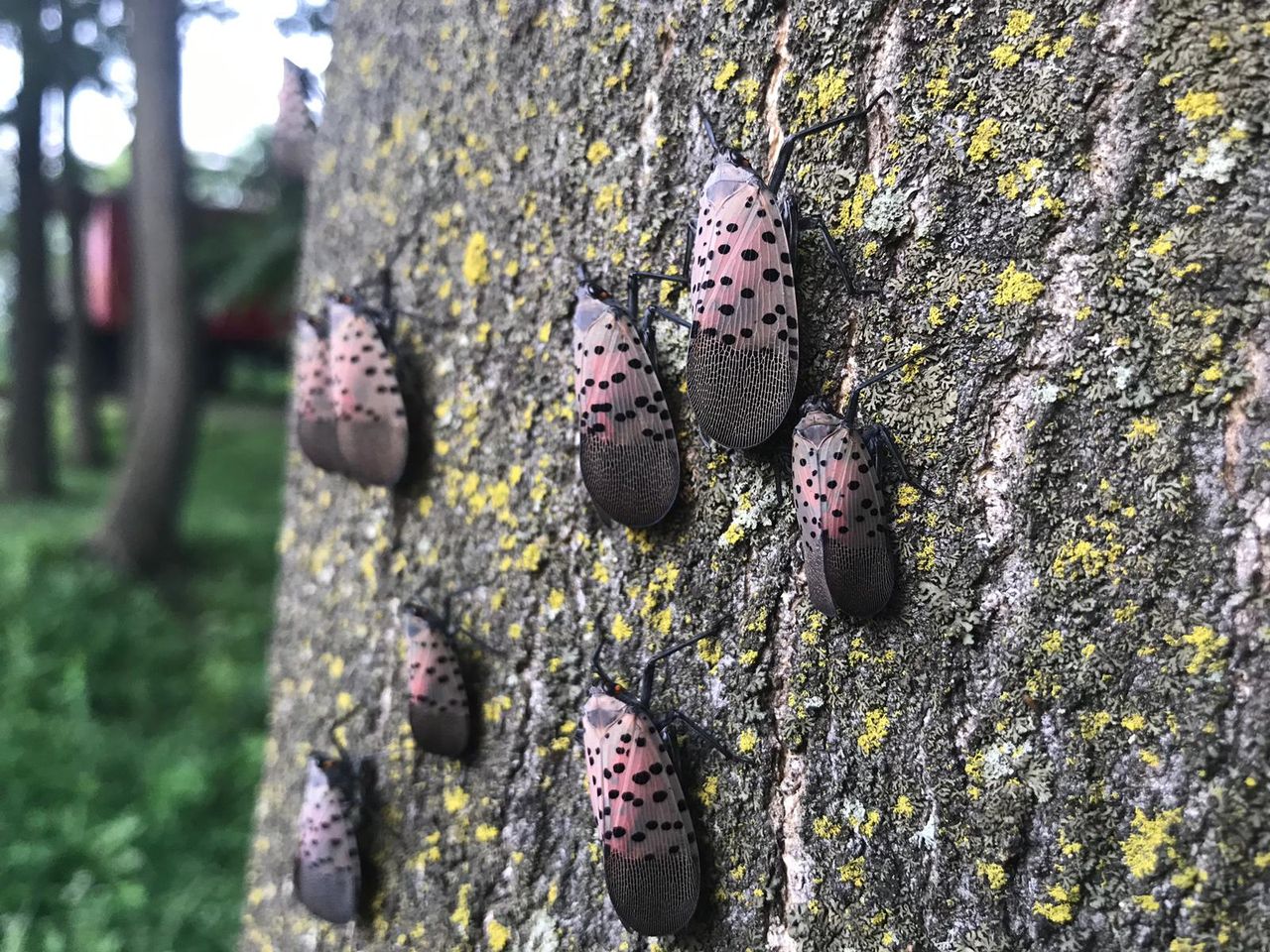
The Canadian Food Inspection Agency has confirmed the first detection of the invasive spotted lanternfly in Canada, with specimens found in Windsor, Ontario on September 15. This discovery marks a critical moment for Canada's biosecurity efforts as officials work to assess the potential impact of this highly destructive pest on the nation's agriculture and natural ecosystems.
A Destructive Pest With Far-Reaching Consequences
Twelve years after its initial detection in Pennsylvania in 2014, the spotted lanternfly has crossed into Canadian territory, presenting new challenges for agricultural producers and environmental managers. Native to China, India and Vietnam, this invasive insect has demonstrated remarkable adaptability to North American conditions. The lanternfly feeds on the sap of over 100 plant species, with documented cases of severe damage to grapevines that could significantly impact Ontario's $4.4 billion wine industry if populations become established.
The insect's life cycle presents multiple threats throughout the year. Nymphs and adults primarily target hardwood and fruit trees, including valuable black walnut, while showing particular preference for the invasive tree-of-heaven (Ailanthus altissima). This dietary flexibility allows the pest to exploit various ecological niches, increasing its potential for rapid population growth in new environments.
READ MORE: Health Canada recalls 10,000+ Galanz retro refrigerators due to fire and electrical hazards
READ MORE: Warmer, drier fall forecast for most of Canada with potential long-term impacts
The Invasive Species Centre has warned that uncontrolled spread could lead to
"widespread economic, ecological, and social impacts"across multiple sectors. Their analysis suggests that early detection and rapid response offer the most effective strategy to limit the pest's expansion into new areas before populations become unmanageable.
Immediate Containment and Surveillance Measures
In response to the Windsor detection, Canadian authorities have implemented immediate movement restrictions on regulated materials that could potentially carry lanternfly specimens or egg masses. These restrictions focus particularly on plant materials that may harbor hidden infestations. Intensive surveillance efforts are now underway in the Windsor region to determine the extent of local populations and identify potential points of origin.
The response follows established protocols within the CFIA's spotted lanternfly response framework, which was developed in anticipation of the pest's eventual arrival in Canada. This framework coordinates efforts between federal, provincial and municipal agencies while incorporating industry stakeholders in agriculture and forestry sectors.
Colin Cassin, Executive Director of the Invasive Species Centre, emphasized the critical role of public awareness in detection efforts:
"You can help identify and report new invasive species, such as spotted lanternfly. The earlier an invasive species is detected, the better the chances of reducing spread to other areas."This call to action reflects growing recognition of community science as a valuable tool in invasive species management.
Identification and Reporting Protocol
Officials have established a clear "spot it, snap it, catch it, report it" protocol for residents who encounter suspected lanternflies. The identification process requires attention to detail, as the insect's appearance changes significantly through its life stages. Adults display distinctive spotted wings with bright red underwings visible during flight, while nymphs progress through black with white spots to red with black and white markings.
When encountering specimens, residents should photograph or video any suspected spotted lanternfly egg mass, nymph or adult. Secure containment is crucial - collected insects should be placed in sealable plastic bags or containers, while egg masses can be carefully scraped into containers. All sightings must be reported immediately to the CFIA with precise location information and supporting visual documentation.
The agency has established dedicated response teams that will investigate credible reports, conducting site surveys and specimen collection where necessary. This targeted approach allows officials to focus resources on confirmed sightings while building a comprehensive understanding of the pest's distribution patterns.
Preventive Measures for Travelers and Residents
Beyond immediate reporting requirements, Canadians can take practical steps to limit the lanternfly's potential expansion. The insect's ability to hitchhike on vehicles and outdoor equipment makes human-assisted dispersal a significant concern. Travelers visiting known infested areas in the United States should conduct thorough inspections of vehicles, trailers, and outdoor gear before departing the area.
High-pressure car washes have proven effective at dislodging hidden specimens, particularly when focusing on wheel wells, undercarriages and other sheltered areas where lanternflies may congregate. Outdoor enthusiasts should pay special attention to camping equipment, lawn furniture and recreational gear that may have been stored outside for extended periods.
Firewood movement represents another critical pathway for accidental introduction. Authorities strongly recommend purchasing and burning wood locally rather than transporting it between regions, a practice that could unknowingly spread egg masses or nymphs to new territories. This precaution aligns with broader efforts to limit the spread of multiple invasive species through firewood transport.
Agricultural Vulnerabilities and Economic Impacts
The lanternfly's arrival threatens multiple sectors of Ontario's agricultural economy beyond the well-documented risks to viticulture. Grape growers face particular vulnerability as the insects' feeding can weaken and eventually kill vines through sap loss and secondary fungal infections. The pest also targets apple, peach and other fruit trees that form the backbone of Ontario's $3.5 billion fruit industry.
In forestry operations, valuable hardwood species including maple, oak and walnut face potential damage that could reduce timber quality and yield. The horticulture industry also remains vulnerable, as landscape plants and nursery stock could suffer aesthetic damage that reduces marketability. Collectively, these impacts could disrupt supply chains and increase production costs across multiple agricultural sectors.
Ecological Consequences and Biodiversity Risks
While the invasive tree-of-heaven serves as a preferred host, the lanternfly's broad dietary range increases risks to native ecosystems beyond agricultural concerns. Unchecked populations could alter forest composition by preferentially stressing certain tree species, potentially creating cascading effects on associated flora and fauna. The pest's feeding behavior may also create entry points for secondary infections and pathogens, compounding ecological damage.
Urban and suburban landscapes face aesthetic and recreational impacts as well. Public parks and residential yards containing susceptible tree species may experience increased maintenance costs and reduced visual appeal if infestations become established. These quality-of-life considerations add social dimensions to the pest's potential impacts.
A Critical Juncture for Canadian Biosecurity
This first Canadian sighting represents a watershed moment for invasive species management in southern Ontario. The region's climate and agricultural landscape create favorable conditions for lanternfly establishment, with Windsor's border location raising particular concerns about cross-border spread from established populations in Michigan and other Great Lakes states.
The effectiveness of current containment measures will likely determine whether Canada faces localized infestations or widespread colonization in coming years. Public participation in detection efforts remains crucial, as early intervention offers the best chance to prevent permanent establishment. The coming seasons will test Canada's invasive species response systems, with outcomes that could shape agricultural and environmental management practices for decades to come.
As authorities continue their surveillance and control efforts, residents across southern Ontario are encouraged to familiarize themselves with identification guides and reporting procedures. This collaborative approach between government agencies, industry stakeholders and the public represents Canada's best defense against the potentially devastating impacts of this invasive pest.