Warmer, drier fall forecast for most of Canada with potential long-term impacts
Meteorologists predict an unusually warm and dry autumn across much of Canada, with potential consequences for winter recreation, agriculture, and next year's wildfire season.
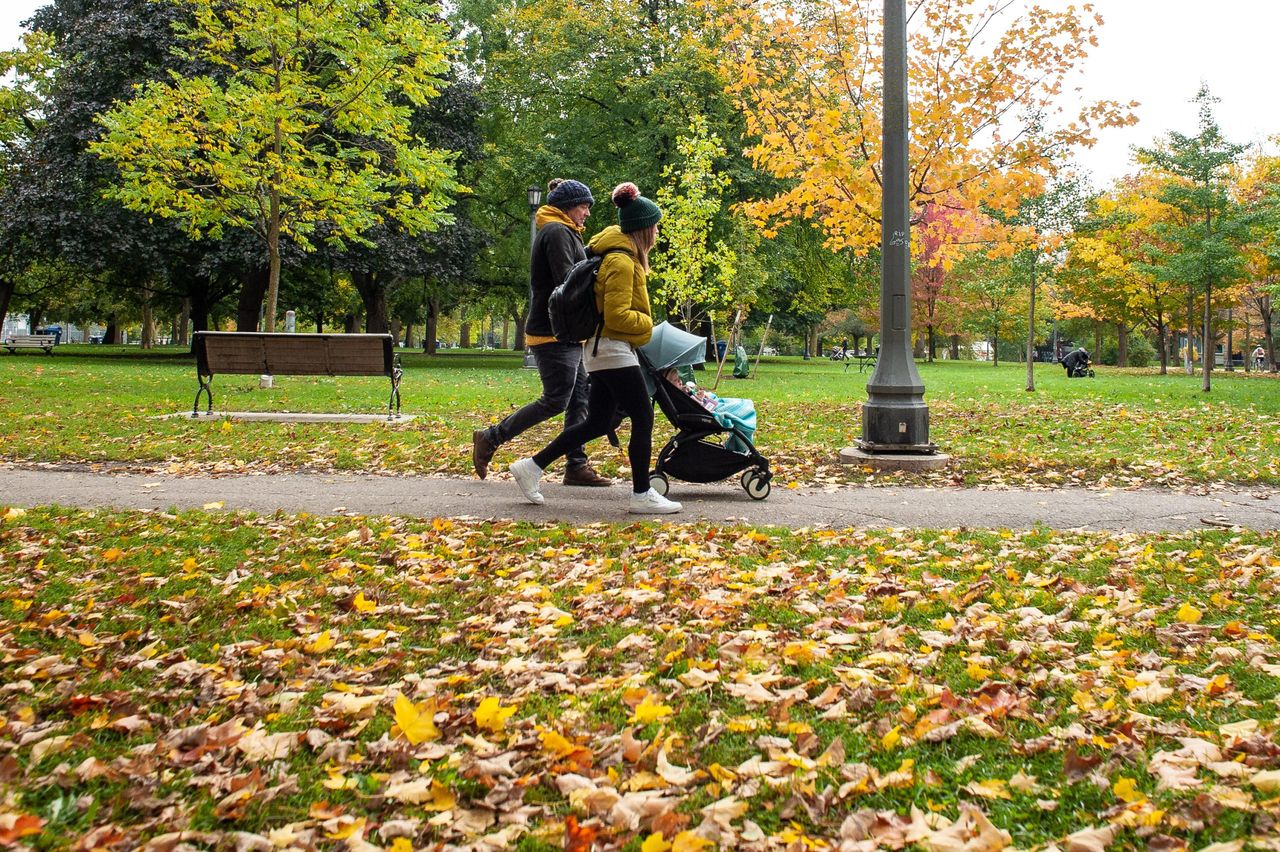
As autumn officially begins this week, Canadians across most regions should prepare for significantly warmer and drier conditions than seasonal averages. The meteorological outlook paints a concerning picture of temperature anomalies and precipitation deficits that could have cascading effects on ecosystems, agriculture, and urban infrastructure through winter and into next year.
National weather patterns and anomalies
The seasonal forecast reveals a stark divide in temperature patterns across Canada. Northern Canada is projected to experience the most dramatic warming, with temperatures deviating farthest from historical averages. This northern amplification follows established climate change trends where polar regions warm faster than temperate zones. Meanwhile, coastal British Columbia, Atlantic Canada, and the lower Great Lakes region may see conditions closer to their typical fall ranges, though still trending slightly warmer than average.
Precipitation patterns show equally significant departures from normal. CityNews Chief Meteorologist Natasha Ramsahai explains that a
"good chunk"of the country will receive below-average rainfall and snowfall. Only southern regions near the U.S. border, particularly around Lake Erie and southwestern Ontario, might experience near-normal moisture levels as weather systems graze these areas before moving southward.
Environmental and economic ramifications
The dry conditions forecast for fall may extend well into winter, creating compounding environmental stresses. Reduced snow accumulation threatens multiple ecological systems and economic sectors. Snowpack typically provides crucial insulation for plant roots and soil microorganisms while serving as a frozen reservoir that gradually replenishes groundwater and surface water during spring melt. Without this natural water storage, agricultural regions could face irrigation challenges next growing season.
Ramsahai specifically warns about implications for wildfire risks:
"If there's not a lot of snow melt, if there's no snow for insulation and we've got very dry soil and dry ground we'll be possibly talking about these implications for wildfire season next year."The scenario echoes conditions that preceded recent severe wildfire seasons where dry fall and winter periods allowed fuels to remain combustible through the following summer.
Regional impacts on Southern Ontario
The Greater Toronto Area and surrounding regions face specific challenges from the predicted weather patterns. Warmer temperatures may reduce the frequency and intensity of lake-effect snow squalls that typically blanket ski areas north of the city, potentially shortening winter recreation seasons and affecting local businesses dependent on snow sports.
Transportation infrastructure could suffer from more frequent freeze-thaw cycles that accelerate road surface deterioration. These temperature fluctuations between freezing and thawing states create ideal conditions for pothole formation, potentially leading to increased road maintenance costs and vehicle damage claims.
Great Lakes ecosystems may also face stress from reduced ice cover. Ramsahai notes that
"less ice on the Great Lakes as a whole is bad news for recreational activities and for the lakes themselves. We need that ice on there for fish ecosystems to thrive underneath the ice in the winter."Paradoxically, reduced ice could extend commercial shipping seasons while disrupting traditional winter fisheries and recreation.
Climate drivers behind the forecast
Three major climate phenomena are converging to create this seasonal outlook. The dominant influence comes from an exceptionally strong El Niño event developing in the equatorial Pacific. The Niño 3.4 region has already recorded sea surface temperatures 3.05°C above average, exceeding the threshold for a "super El Niño" classification before reaching its predicted peak intensity in November or December. Such events typically redirect weather patterns across North America, often bringing warmer conditions to Canada.
The North Atlantic Oscillation (NAO), currently in a neutral phase, may fail to establish its typical blocking pattern that normally channels cold Arctic air into eastern Canada. Without this atmospheric blockade, warmer air could spread more uniformly across the country. Meanwhile, the Pacific Decadal Oscillation (PDO) may partially counteract some El Niño effects, though meteorologists question how effective this moderation will be given the El Niño's record strength.
Changing winter traditions and hazards
The warming trend has already altered the probability of traditional white Christmases across Canadian cities. Statistical analysis comparing 1960-1984 with 1997-2023 shows Toronto's chances of December 25 snow cover have declined by 30%, while Montreal has seen a 16% reduction. These changes reflect broader shifts in winter weather patterns that affect cultural traditions and seasonal tourism.
Southern Ontario also faces increased risks of freezing rain events, where precipitation falls as liquid but freezes on contact with cold surfaces. When heavy rains fall on frozen ground, the impermeable surface can lead to rapid runoff and localized flooding, creating additional infrastructure challenges for urban areas.
Uncertainty in unprecedented conditions
Meteorologists emphasize that seasonal forecasts contain inherent uncertainty, especially during record-breaking climate events. Ramsahai cautions that
"this year's super El Niño is unprecedented and since it is new territory, we could be in for some surprises."Local weather effects remain difficult to predict months in advance, and atmospheric interactions may produce unexpected outcomes as the season progresses.
Broader climate context
These seasonal projections align with long-term climate change trends observed across Canada. Warming temperatures, shifting precipitation patterns, and increasing weather variability have become more pronounced in recent decades. The potential impacts extend beyond immediate seasonal inconveniences to fundamental changes in water resource availability, agricultural practices, and ecosystem health.
For urban centers, the predicted weather patterns may accelerate infrastructure decay while altering energy demands for heating and cooling. The ecological consequences for freshwater systems and wildlife habitats could persist for years, particularly if drought conditions extend through multiple seasons. As Canada faces these interconnected challenges, the autumn forecast serves as both a short-term planning tool and a reminder of the nation's evolving climate reality.