Liberals propose higher threshold for strike interventions in sweeping labour code changes
The federal government's proposed labour code amendments would require ministers to meet stricter conditions before intervening in strikes, sparking debate over workers' rights versus economic stability.
The Liberal government has introduced legislation that would significantly alter how federal ministers can intervene in labour disputes, proposing stricter conditions before using Section 107 of the Canada Labour Code to end strikes. Bill C-39, titled the Building Canada Strong Act, represents the government's attempt to balance competing demands from labour groups seeking stronger protections and employers calling for government action during economically disruptive work stoppages.
Detailed changes to strike intervention powers
The proposed legislation focuses primarily on modifications to Section 107, which currently allows ministers to refer deadlocked bargaining parties to the Canada Industrial Relations Board. Under existing rules, the board can declare an impasse, end a work stoppage and force binding arbitration without significant constraints on ministerial discretion.
The new framework would require ministers to meet two specific conditions before invoking these powers. First, they must formally declare that a dispute adversely affects what the legislation defines as the "national interest." This broad term encompasses several potential impacts including measurable effects on the Canadian economy, the creation of "serious social disruption," and considerations about how ministerial intervention might affect constitutional rights like freedom of association.
READ MORE: Liberals propose changes to labour code to intervene in strikes affecting national interest
READ MORE: Federal bill would give labour minister power to end strikes without parliamentary vote
Second, ministers would be required to consider a detailed report from a newly created special mediator position before making any intervention decision. These mediators would be tasked with documenting the parties' respective positions and could offer recommendations for new collective agreements. Unlike current mediation processes, these final reports would be made public, adding a layer of transparency to contentious negotiations.
Sharp disagreement over implications
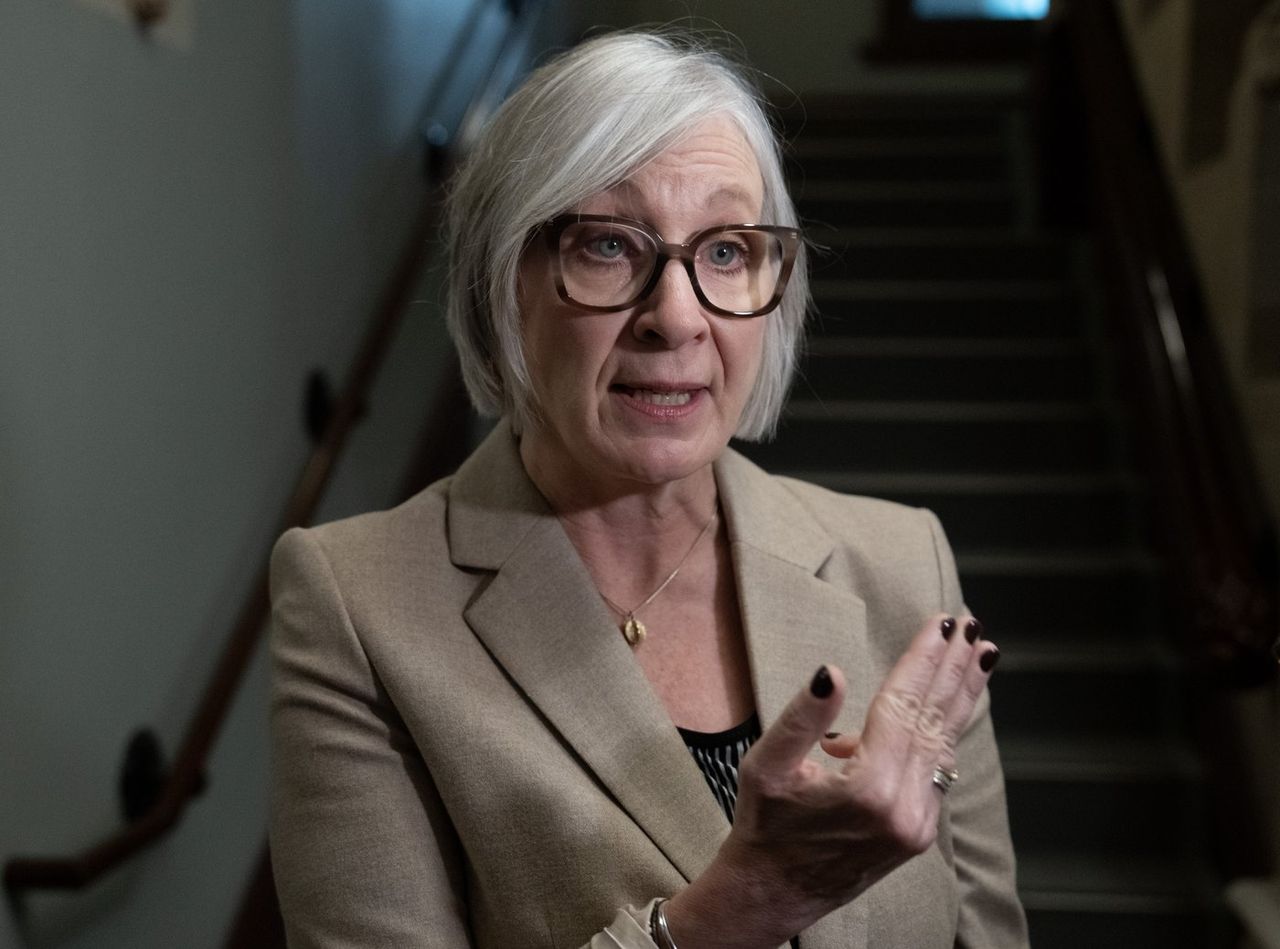
Jobs Minister Patty Hajdu presented the changes as increasing accountability and raising the threshold for government intervention in labour disputes.
"Section 107 is meant to be a measure of last resort, and it will remain that, when all other alternatives have been exhausted by the parties,"Hajdu told reporters on Parliament Hill. She emphasized that the legislation doesn't grant new powers but rather establishes clearer criteria for using existing ones.
Canadian Labour Congress president Bea Bruske offered a starkly different interpretation, arguing the national interest provision creates a dangerously broad justification for ending strikes.
"If government can end a strike because it is having an economic impact, employers have less reason to compromise and reach a deal,"Bruske said in a statement. She warned this dynamic could undermine collective bargaining by reducing employers' incentive to negotiate in good faith.
Recent applications of intervention powers
The federal government has invoked Section 107 multiple times in recent years to halt strikes affecting critical infrastructure and supply chains. Notable interventions include ending work stoppages at Canada Post in 2021, CN and CPKC railways in 2023, and ports in British Columbia and Montreal in 2024. These decisions often followed prolonged disputes that threatened to disrupt national commerce.
In 2025, Air Canada flight attendants became a rare exception when they successfully continued their strike despite a ministerial intervention order. Hajdu suggested some past interventions might have been avoided with the proposed mediator system, saying public reporting of negotiation sticking points could create pressure for more productive bargaining.
"If we had had that tool, there may have been additional pressure on the parties to behave in a way that's in the interest of workers and the corporation,"she remarked.
Additional labour measures in the legislation
Beyond Section 107 modifications, Bill C-39 contains several other significant labour provisions. It would require collective bargaining to begin six months before contract expiration for agreements older than five years or where previous bargaining led to work stoppages. The bill also mandates federally mediated "relationship repair work" following strikes and proposes stronger enforcement mechanisms against bad-faith bargaining tactics.
The legislation includes commitments to bolster administrative capacity, with plans to hire 26 additional Canada Industrial Relations Board staff to address complaint backlogs and 100 new health and safety officers to improve workplace inspections. Bruske acknowledged some positive elements, particularly new protections against wage theft, while maintaining her opposition to the core changes affecting strike interventions.
Economic and political context
Liberal ministers framed the legislation as part of a broader economic strategy responding to global competitive pressures, including U.S. trade policies affecting Canadian industries.
"We are fighting every single day to save jobs, to grow jobs and to make sure that we can actually build big things in this country and get our goods to market,"Hajdu said, connecting the labour changes to Canada's need for economic resilience.
NDP Leader Avi Lewis criticized this justification, accusing Prime Minister Mark Carney of exploiting economic anxieties to advance policies that weaken labour rights.
"Prime Minister Carney is using our fear and disorientation around the trade war to push through a series of unpopular measures that he did not run on, has no mandate for and would never get away with under normal circumstances,"Lewis told reporters.
Potential impacts on labour relations
The proposed amendments represent a significant development in Canadian labour policy with implications for federally regulated industries including transportation, telecommunications and banking. While the government presents the changes as creating necessary guardrails for intervention powers, labour advocates warn they could normalize government involvement in collective bargaining.
The legislation's fate in Parliament may hinge on whether opposition parties and labour groups can build sufficient resistance to the Section 107 modifications while supporting other provisions like wage theft protections. As debate begins, the bill has already exposed fundamental tensions between maintaining economic stability during disputes and preserving workers' bargaining power.
Historical context of labour interventions
The use of Section 107 has been a contentious issue in Canadian labour relations for decades. The provision was originally designed as an emergency measure to resolve intractable disputes in essential industries, but its application has expanded over time. Labour experts note that the frequency of interventions has increased in recent years, particularly in transportation and logistics sectors where strikes can quickly disrupt national supply chains.
This pattern reflects broader global trends where governments increasingly intervene in labour disputes during economic uncertainty. The proposed changes come at a time when Canada faces mounting pressure to maintain competitiveness while addressing concerns about workers' rights in federally regulated workplaces.
Technical aspects of the new mediator role
The creation of a special mediator position represents one of the bill's most significant structural changes to labour relations processes. These mediators would operate differently from existing conciliation officers by producing detailed, public reports about negotiation impasses. Their recommendations, while non-binding, could influence public opinion and potentially pressure parties to modify their positions.
The legislation specifies that mediators must outline the positions of both parties and may suggest terms for new collective agreements. This transparency mechanism aims to address criticism that past interventions occurred without sufficient public understanding of negotiation dynamics. However, some labour law experts question whether publicizing sensitive bargaining positions could inadvertently harden negotiating stances rather than facilitate compromise.