Travellers question Airbnb listings as AI-edited photos raise deception concerns
Experts warn easy-to-use AI tools make it harder for guests to know if rental photos reflect reality.
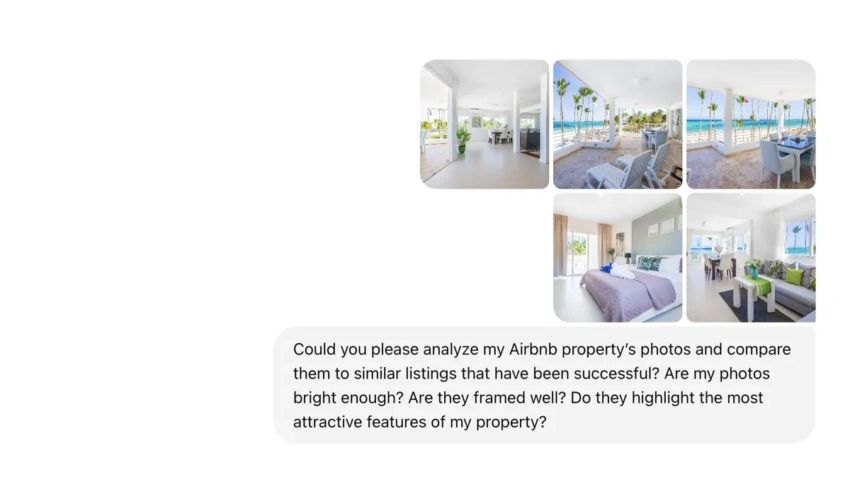
MONTREAL — An American student planning a trip to Montreal backed out of booking an Airbnb after suspecting the host's profile picture and listing photos were generated by artificial intelligence.
"Your average person taking an iPhone photo, there's obviously like a little bit of imperfections," Josh Wells told the CBC's Cost of Living. "The AI photos, they just looked too perfect."
Wells said a final red flag was wall art that read "Picasso" in one photo but appeared warped in another shot of the same room. "I'm just like, 'Yeah, OK, this is AI.'"
READ MORE: Canadians Face Limited Options in Bid to Ditch U.S. Tech Giants, Experts Say
READ MORE: Tech giants raise hundreds of billions in debt and equity for AI infrastructure
He opted for a hotel instead. "The fake profile picture is one thing, but listings of the actual place that you're staying at and spending thousands of dollars was an immediate no for me," Wells said.
Experts say the proliferation of free, quick AI tools is making photo editing increasingly tempting for hosts. "In a matter of 10 seconds, you can upload a picture to one of these sites and ask it to remove all the smudges or to change the furniture," said Francis Syms, associate dean at Humber Polytechnic in Toronto.
Daniel Guttentag, a professor of hospitality and tourism management at the College of Charleston, said it's difficult to know where enhancement becomes deception. "If you put in a fake hot tub on the back patio, I think basically everyone would agree that that is a blatant misrepresentation," he said.
"Whereas if you just start to play with the lighting a little bit … I think most people would be comfortable with that. But then there's a whole lot of space in between, when it crosses that line into, 'Wait, this isn't what I signed up for.'"
Guttentag said another concern is AI-edited images being used to make it appear guests have damaged a property. In 2025, a U.K. guest in Manhattan disputed a large damage claim after noticing inconsistencies in photos of a cracked table she suspected were digitally manipulated.
In a statement, Airbnb said its rules require listings to be "accurately represented" and that it may ask hosts to remove content using AI to "edit flaws, hide damage, add amenities … or otherwise materially misrepresent the listing."
The company said guests can report misleading listings and contact support if a property doesn't match its description.
Canada does not yet have AI-specific legislation addressing misleading advertising, said competition lawyer Steve Szentesi. He said the federal Competition Act, which prohibits misleading advertising, can already apply to deceptive AI-generated images.
Guttentag said if guests feel misled "one too many times," it could prompt them to stop using platforms like Airbnb altogether.
With files from CBC News