RCMP tells families of Air India Flight 182 victims no investigative leads remain in Canada's worst mass murder
Victims' families express profound frustration as RCMP confirms the 1985 bombing investigation will move to inactive status despite unresolved questions, marking a painful turning point in their 41-year pursuit of justice for Canada's deadliest terrorist attack.
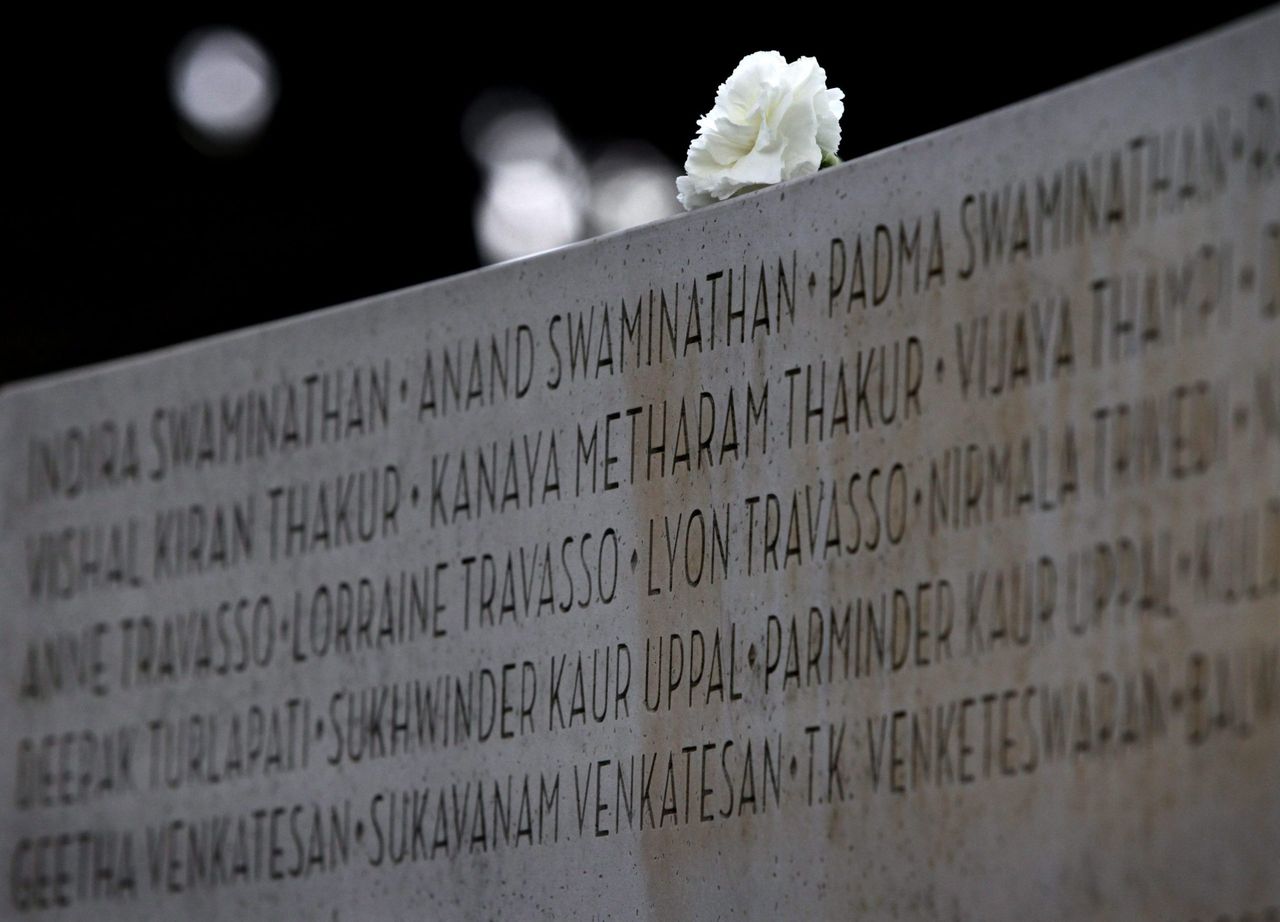
Families of those killed in the 1985 bombing of Air India Flight 182 received devastating news during a September 12 meeting with RCMP investigators, learning that Canada's worst mass murder case will move to inactive status after 41 years without full resolution. Approximately 65 relatives of victims attended the session where police confirmed no remaining investigative avenues exist, despite numerous unanswered questions about the deadliest terrorist attack in Canadian history that claimed 329 lives.
The RCMP's decision and its implications
According to OMNI News, RCMP officials stated there are currently no persons of interest or viable suspects under consideration, effectively ending active investigation into the bombing that occurred nearly four decades ago. While police emphasized the case technically remains open and would review any new credible information, victims' relatives argue this represents an abandonment of justice efforts. The RCMP's position has left families questioning whether sufficient investigative resources were dedicated to the case in recent years given the magnitude of the crime.
"By saying that it's open doesn't mean that there's anybody actually working on it,"said Deepak Khandelwal, who lost two sisters in the attack.
"There are no proactive investigative agents assigned to it. There's no proactive work that's being done on it."
Families' reaction to the development
Khandelwal expressed profound shock at the RCMP's announcement, emphasizing the bombing's historic significance as both "Canada's largest mass murder" and the deadliest act of aviation terrorism globally before the 9/11 attacks.
"Basically the RCMP is throwing their hands up and saying we can't do anything about this,"he told OMNI News. Families present at the meeting described pressing investigators for details about what specific investigative steps had been taken since the high-profile acquittals in 2005, but reported receiving vague responses that failed to demonstrate meaningful progress. This lack of transparency about investigative efforts since 2005 has compounded families' growing sense that justice remains unattainable four decades after their unimaginable loss.
READ MORE: Fourth Marineland Beluga Whale Dies Following Controversial Relocation to Chicago Aquarium
The devastating 1985 attack
On June 23, 1985, a bomb planted by Sikh extremists detonated aboard Air India Flight 182 while the aircraft flew over the Atlantic Ocean near Ireland, killing all 329 passengers and crew members aboard. The victims included 286 Canadian citizens of Indian descent, many from families who had immigrated to build new lives in Canada. The Boeing 747 had departed Toronto's Pearson International Airport en route to India via London, carrying predominantly Canadian passengers visiting family or conducting business abroad. A simultaneous bombing at Japan's Narita Airport that killed two baggage handlers revealed the coordinated, transnational nature of the terrorist operation. The twin attacks represented not just personal tragedies for hundreds of families, but a watershed moment that forced Canada to confront the realities of domestic terrorism and its global connections.
Legal proceedings and outcomes
The subsequent investigation became the longest and most expensive in Canadian history, yet yielded frustratingly limited legal consequences that failed to match the scale of the crime. Two accused individuals, Ripudaman Singh Malik and Ajaib Singh Bagri, stood trial beginning in 2005 - nearly two decades after the attacks - only to be acquitted of all charges due to insufficient evidence. Malik was later killed in a 2022 shooting in Surrey, BC, leaving unanswered questions about his potential involvement. The only conviction came against Inderjit Singh Reyat, who pleaded guilty to manslaughter and received an initial 10-year sentence, later extended by nine years for perjury during the Malik and Bagri trial. These legal outcomes have left families feeling that the immense loss of 329 innocent lives has never been matched by proportional accountability in Canada's justice system.
The unresolved mystery of Mr. X
Families expressed particular frustration about delays in receiving information regarding an individual referred to as "Mr. X," whom the RCMP had previously identified as connected to the case. Though police confirmed last year that this suspect had died before facing charges, relatives say they only received this update at the September meeting despite requesting details in June 2025. The RCMP stated they could not establish a definitive link between Mr. X and the bombing, and declined to release his name, leaving families without clarity about this potentially significant figure in the investigation. This pattern of delayed disclosure about key investigative developments has systematically eroded trust between victims' families and law enforcement over the decades.
Historical context of the attack
The bombings emerged from rising tensions within Canada's Sikh community following two pivotal 1984 events in India: the Indian military's Operation Blue Star at the Golden Temple and the subsequent assassination of Prime Minister Indira Gandhi by her Sikh bodyguards. Talwinder Singh Parmar, leader of the banned Babbar Khalsa terrorist group operating in both Canada and India, is considered the attack's mastermind. After orchestrating the bombing, Parmar returned to India where he was killed by Punjab police in 1992 without standing trial. This international dimension - with suspects moving between countries and attacks occurring across continents - complicated investigations and highlighted challenges in coordinating counterterrorism efforts during an era before modern intelligence-sharing protocols.
Broader impact and legacy
The Air India bombing fundamentally changed Canada's understanding of domestic security threats, exposing vulnerabilities in aviation security and law enforcement coordination. The attack revealed how geopolitical conflicts could manifest as violence on Canadian soil through diaspora communities, prompting later reforms in counterterrorism policies and intelligence sharing. The tragedy also highlighted systemic failures in how Canadian institutions addressed the needs of racialized victim communities, with many families feeling their losses were initially treated as a foreign tragedy rather than a Canadian catastrophe.
The diminishing prospects for justice
The RCMP's decision to move the case to inactive status marks a symbolic endpoint to Canada's most protracted terrorism investigation without delivering full accountability. For families, this development compounds decades of frustration with investigative delays, legal outcomes they view as inadequate, and a persistent sense that the magnitude of the crime - which claimed more Canadian lives than any terrorist attack before or since - never received commensurate attention from authorities. As witnesses age, suspects die, and evidence deteriorates over nearly four decades, the practical obstacles to achieving further justice grow increasingly insurmountable. The case's unresolved nature continues to raise difficult questions about Canada's historical handling of domestic extremism, its capacity to prosecute complex terrorism cases with international dimensions, and how societies can provide meaningful closure when legal systems fail to deliver satisfactory answers about mass tragedies that reshape countless lives forever.