Fourth Marineland Beluga Whale Dies Following Controversial Relocation to Chicago Aquarium
A fourth beluga whale from Ontario's defunct Marineland has died after transfer to Shedd Aquarium, marking another loss in the troubled mass relocation of captive marine mammals. The death raises serious questions about animal welfare protocols during large-scale cetacean transfers.
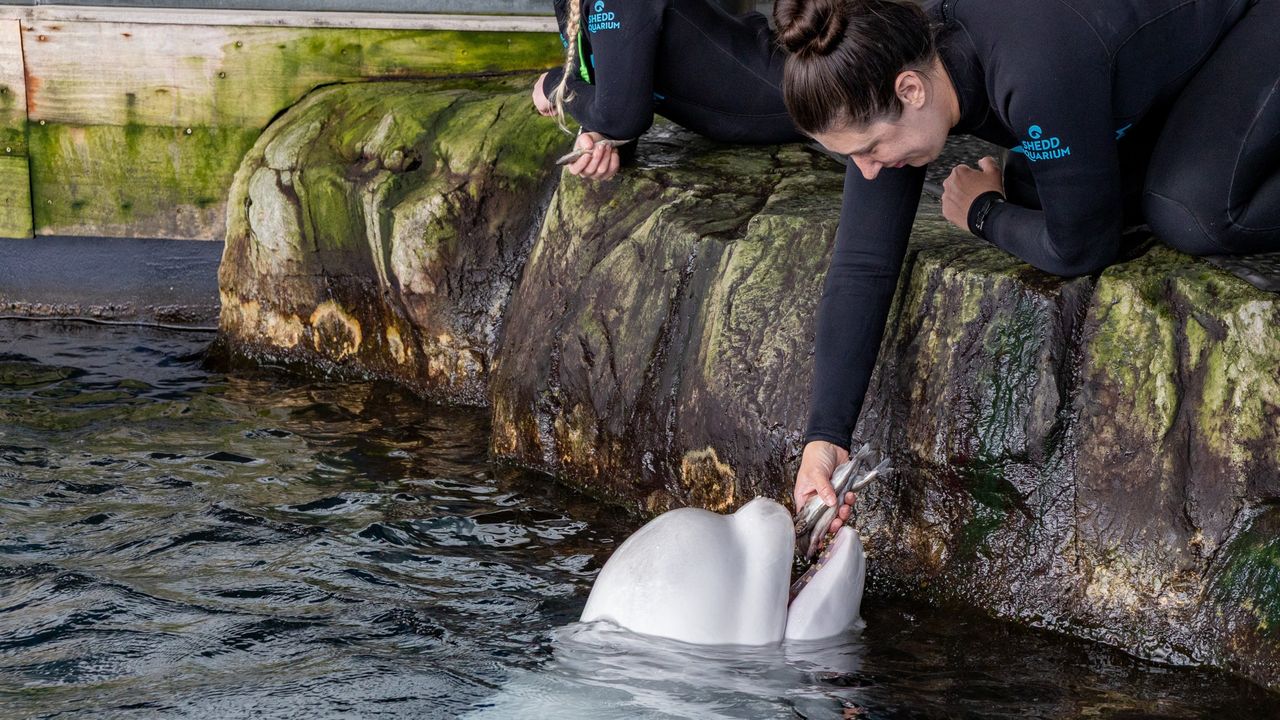
Another beluga whale from Marineland's unprecedented mass relocation has died, bringing the death toll to four among the transferred marine mammals and intensifying concerns about the welfare consequences of moving captive cetaceans between facilities. Osiris, a 26-year-old female beluga, passed away Monday morning at Chicago's Shedd Aquarium after showing sudden respiratory distress despite intensive medical intervention by veterinary staff. This latest fatality follows three other beluga deaths since July, when 30 belugas and four dolphins were evacuated from the financially collapsing Niagara Falls attraction to five international facilities in what was billed as the largest collective transfer of captive whales in history.
Detailed Account of Osiris' Decline
Shedd Aquarium's animal care team had been closely monitoring Osiris since her arrival, noting she was "not a consistent eater" though showing recent improvement with specialized fluid therapy and medication protocols. In a detailed statement, the aquarium described the critical final hours: "Our care team observed sudden changes this morning in both Osiris's behaviour and respiratory patterns. Respiratory rates are one of many measures we track closely and continuously, as changes can signal that an animal may need additional support." The emergency response included immediate transfer to a medical habitat where veterinary staff could provide intensive care, but the beluga's condition deteriorated too rapidly. The aquarium confirmed that "Osiris passed away despite lifesaving efforts by our veterinary and animal care teams," with a necropsy planned to determine the exact cause of death.
Alarming Mortality Pattern Emerges
This death represents the fourth fatality in a concerning mortality pattern among the relocated whales. Two other Marineland belugas, Rain and Peekachu, died at Shedd within weeks of their arrival this summer, while Jelly Bean perished last week at Spain's Oceanografic facility. These losses represent a 13% mortality rate among the 30 transferred belugas in just two months. Shedd Aquarium continues to monitor another struggling beluga named Secord, who "has not yet been consistently taking in the amount of food teams would like to see, even as they try different feeding approaches and offer different types of herring to gauge her preference" according to recent updates. The aquarium awaits pathology results from previous deaths while preparing to examine Osiris.
Controversial Approval Process
All receiving facilities had conducted veterinary assessments that cleared the animals for transfer, with final approval granted by Canada's Fisheries Minister Joanne Thompson. This regulatory endorsement occurred despite Marineland's troubled history, between 2019 and 2025, the park recorded 19 beluga and one orca death prior to relocation. The mass transfer became necessary after Canada's 2019 ban on new cetacean captivity, which grandfathered existing animals but prohibited breeding and performances, creating financial strain for the park. Marineland initially pursued selling its entire beluga population to Chimelong Ocean Kingdom in China, holder of the Guinness World Record for largest aquarium, before Minister Thompson blocked the transfer as inconsistent with Canada's animal welfare standards.
Marineland's Decline and Dispersal
The Niagara Falls attraction's financial collapse precipitated this unprecedented dispersal of marine mammals. Industry sources indicate the property has been sold with the condition that all animals be removed from the site near Horseshoe Falls. The North American-led relocation consortium required five facilities, Shedd in Chicago, SeaWorld locations in San Antonio and San Diego, Georgia Aquarium in Atlanta, and Oceanografic Valencia in Spain, to accommodate what was formerly the world's largest captive beluga pod. This complex logistical operation involved international transport coordination and veterinary oversight at each stage, raising questions about whether the stress of multiple moves contributed to the subsequent health declines.
Regulatory Disparities Between Countries
The receiving facilities operate under significantly different legal frameworks than Marineland faced in Canada. While Canadian law prohibited breeding and performances with the belugas, no such restrictions apply at the American and Spanish facilities that now house them. This regulatory difference creates ethical questions about the long-term welfare of the transferred animals, particularly regarding potential future breeding programs or entertainment uses that would have been illegal in their country of origin. The situation highlights the challenges of international animal welfare standards when captive animals are transferred across jurisdictions with varying protection laws.
Scientific and Ethical Implications
These deaths have intensified debate about the viability of large-scale cetacean relocations, even between professional facilities. Marine mammal experts note that belugas are highly social animals whose complex social structures may be disrupted by such transfers. The stress of transport, water chemistry changes, and adaptation to new social groups may compound existing health issues developed during years in captivity. Shedd Aquarium emphasized its comprehensive monitoring protocols, noting that respiratory patterns are among dozens of health indicators tracked continuously, yet these measures couldn't prevent the recent deaths. The outcomes may influence future policy regarding aging captive populations in jurisdictions phasing out marine mammal exhibits, potentially establishing important precedents for global animal welfare practices.
Future Considerations for Captive Cetaceans
The Marineland case presents a cautionary tale about the challenges of managing captive cetacean populations during industry transitions. As more countries restrict marine mammal captivity, facilities face difficult decisions about relocating animals versus creating permanent sanctuaries. The high mortality rate in this transfer suggests that even professionally managed moves between high-standard facilities carry significant risks for animals adapted to specific environments. This situation may prompt reevaluation of international standards for cetacean transfers and stimulate discussion about alternative solutions such as coastal sanctuaries for non-releasable marine mammals. The ongoing investigations into these deaths could yield important data about stress factors in cetacean relocation that informs future animal welfare policies globally.