Chronic Gastrointestinal Diseases Found in Deceased Marineland Belugas Following Relocation to Chicago Aquarium
Two beluga whales that died weeks after being transferred from Marineland to Chicago's Shedd Aquarium had long-standing gastrointestinal diseases, according to necropsy results. While officials confirmed the presence of severe chronic conditions and foreign objects in their digestive systems, they stopped short of directly linking these findings to the animals' deaths.
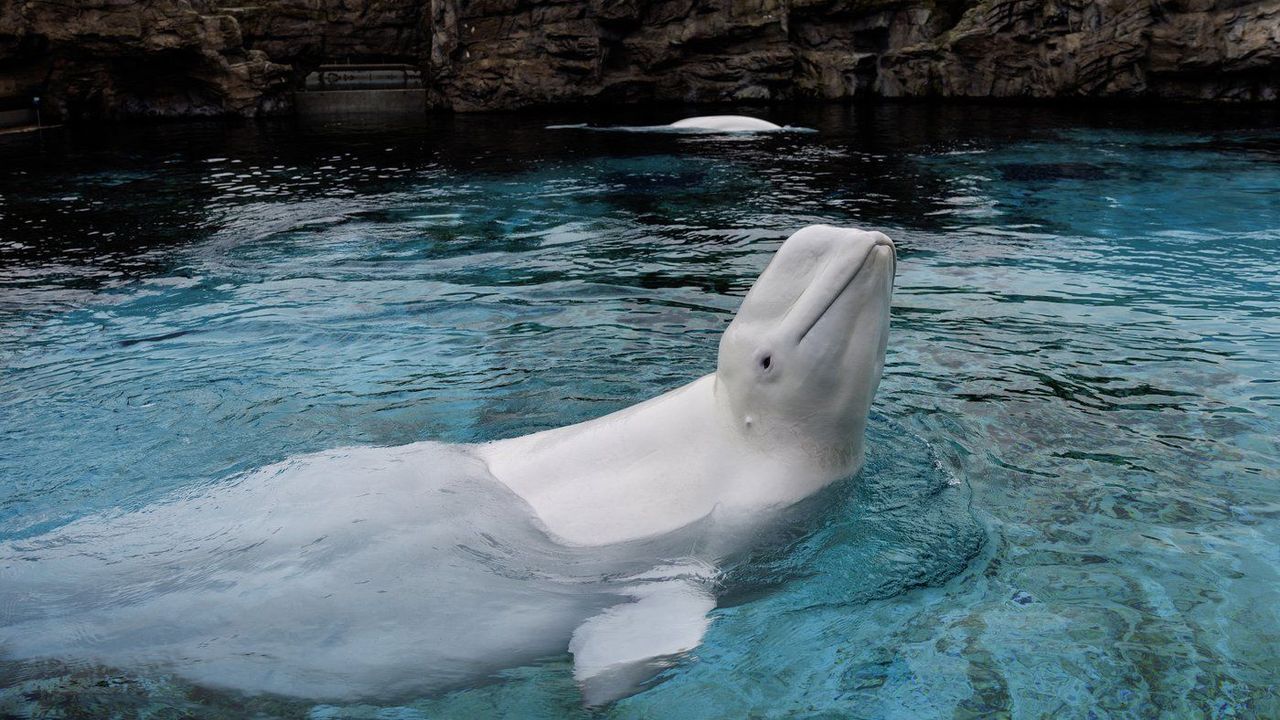
The deaths of two beluga whales recently relocated from Marineland Canada to Chicago's Shedd Aquarium have raised important questions about the health impacts of moving captive marine mammals between facilities. Detailed necropsy results released Friday provided critical insights into the animals' conditions but left unanswered questions about the complex factors contributing to their deaths.
Comprehensive Necropsy Findings Reveal Long-Term Health Issues
Veterinary pathologists at Shedd Aquarium conducted extensive post-mortem examinations on Peekachu, a 23-year-old female beluga, and Rain, a 20-year-old female beluga, both of whom died weeks after their transfer from Marineland. The examinations revealed chronic inflammatory disease affecting their entire gastrointestinal systems. The inflammation was categorized as significant in Peekachu's case and severe for Rain. The findings suggest these conditions had developed over an extended period, likely years rather than weeks or months.
Detailed histological analysis showed characteristic changes in the intestinal lining and specific patterns of immune cell infiltration that are hallmarks of chronic disease. These pathological changes indicated the whales' digestive systems had been compromised long before their relocation. According to Shedd's statement, the chronic inflammation would have made the animals more vulnerable to additional stressors, though the aquarium stopped short of declaring these conditions as the definitive cause of death.
READ MORE: Fourth Marineland Beluga Whale Dies Following Controversial Relocation to Chicago Aquarium
READ MORE: Trump announces U.S.-Denmark deal to expand military presence in Greenland
Additional findings included foreign objects in both whales' digestive tracts. Peekachu's stomach contained bird feathers, sticks, and several large porous rocks, while Rain's stomach held small flecks of material possibly from paint. Marine mammal experts note such findings are not uncommon in captive cetaceans, as their natural curiosity often leads to ingestion of environmental objects. Both Shedd and Marineland agreed these foreign materials were unlikely to have contributed to the deaths, with Marineland comparing the behavior to domestic dogs occasionally swallowing inappropriate items.
The Complex Logistics of Cetacean Relocation
The transfer of Marineland's belugas represented a landmark operation in marine mammal management. When Marineland announced it could no longer financially support its cetaceans, five accredited aquariums including Shedd, SeaWorld, and Spain's Oceanografic Valencia collaborated on a six-week operation to relocate all 30 belugas and four dolphins. This marked the end of whale and dolphin captivity in Canada.
The relocation required meticulous planning and veterinary oversight. Teams of marine mammal specialists from participating institutions spent weeks at Marineland conducting comprehensive health assessments before approving any animals for transport. Canada's Fisheries Minister Joanne Thompson reviewed and authorized the transfer plans, which represented the final implementation of Canada's 2019 law banning new cetacean captivity while grandfathering existing animals at Marineland.
Diverging Perspectives on Animal Care Standards
Marineland strongly defended its animal care practices following the necropsy results. The park emphasized its long-term success maintaining these whales, stating its teams had cared for Peekachu for 23 years and Rain for 20 years. They highlighted the stability of the whales' social structures and described their outdoor habitat as spacious, with two pools each containing approximately 40 million liters of water.
The park also pointed to the significant challenges of relocating animals after decades in one environment. Comparing their facility's water volumes to Shedd's 12 million-liter Abbott Oceanarium, Marineland characterized the situation as inherently complex, noting the whales had only weeks to adjust after more than 20 years in their previous home. This rapid transition between radically different environments may have presented additional stress factors for animals already dealing with chronic health conditions.
Government Response and Regulatory Context
Fisheries Minister Joanne Thompson expressed sorrow about the deaths while interpreting the necropsy findings as evidence of pre-existing health issues. Her office's statement described the discovery of foreign objects in the whales' stomachs as indicative of unacceptable pre-relocation conditions. However, officials maintained the transfer represented the best available option for the animals, characterizing it as a rescue mission aimed at providing better long-term care.
Marineland responded by noting the fisheries department had no formal oversight role in the park's animal care operations. The park stated its current focus remains supporting the ongoing care of transferred animals while investigations continue into the circumstances surrounding these deaths.
Historical Mortality Patterns and Previous Transfer Attempts
The recent deaths continue a concerning mortality pattern for Marineland's cetaceans. Records show 19 belugas and one killer whale died at the facility between 2019 and 2025, though the park had experienced over a year without whale deaths prior to the relocation. This history underscores the complex health challenges facing long-term captive marine mammals.
Before the current transfer, Marineland had negotiated to sell its marine mammals to Chimelong Ocean Kingdom in China, but Minister Thompson blocked that agreement. She cited concerns about China's lack of animal welfare laws comparable to Canada's 2019 marine mammal protections, which banned new captivity, breeding, and performances while grandfathering existing animals at Marineland.
Implications for Marine Mammal Welfare and Captivity
These cases highlight the significant challenges surrounding marine mammal relocation, particularly for animals with lengthy captivity histories. While the transfer aimed to improve long-term welfare, the deaths demonstrate how aged animals with chronic conditions may struggle to adapt to new environments. The divergent interpretations of the necropsy results reflect ongoing debates about captive cetacean care standards and the ethics of maintaining marine mammals in human care.
As Canada's last captive whales and dolphins adjust to new homes where breeding and performances remain legal, their experiences continue to inform global discussions about marine park operations. These events may prompt further examination of protocols for transferring animals between facilities and the long-term health monitoring of relocated marine mammals.
Future Directions in Cetacean Care and Policy
The deaths at Shedd Aquarium raise important questions about how best to manage aging marine mammals in captivity. While relocation can provide improved care in some cases, these events demonstrate the potential risks associated with moving animals with existing health conditions. The findings may influence future decisions about transferring marine mammals between facilities, particularly for older individuals.
These cases also highlight the need for comprehensive health assessments prior to relocation and careful monitoring during the transition period. As the marine park industry evolves, these events may contribute to the development of more robust protocols for managing the health of captive cetaceans throughout their lifespans.