FIFA President Gianni Infantino Proposes Independent Governance Review Amid Backlash Over Failed Funding Plan
FIFA President Gianni Infantino has proposed an independent review of FIFA's governance structure following intense criticism of the collapsed FIFA Forward Enterprise project, signaling potential reforms ahead of a crucial October 15 Council meeting as he faces opposition from key football bodies.
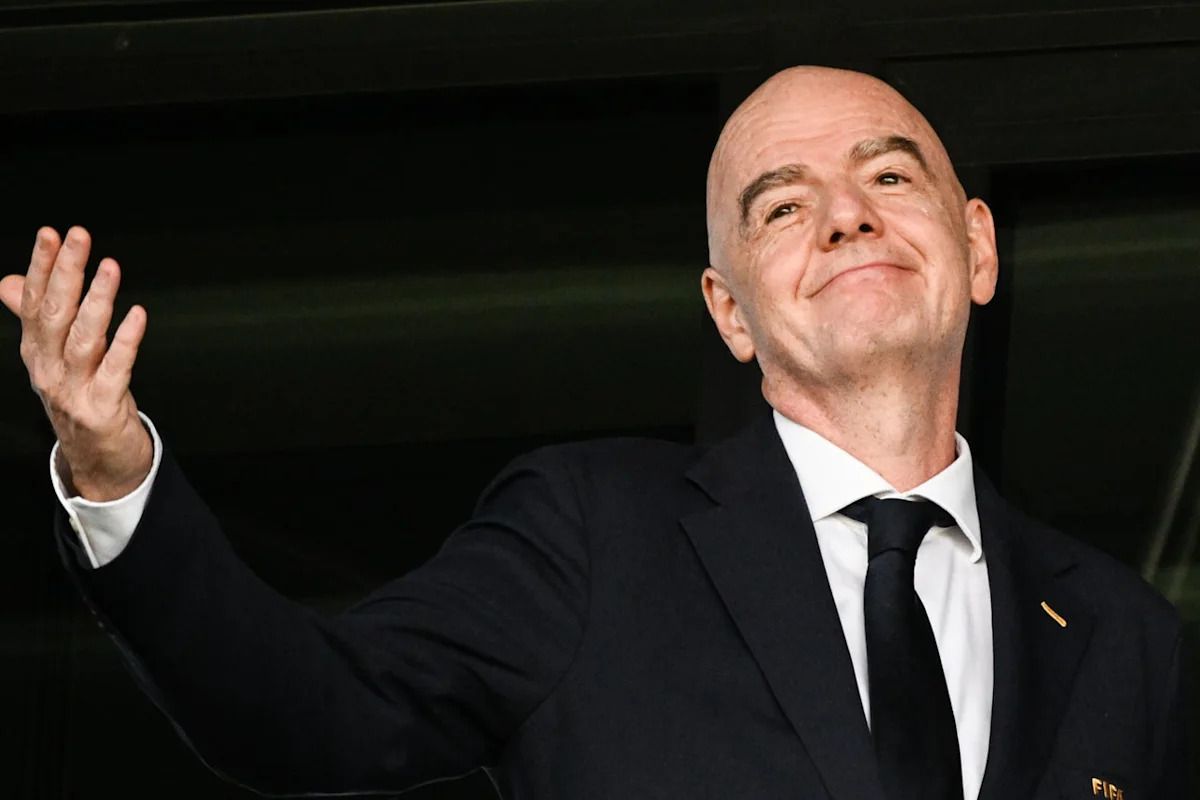
FIFA President Gianni Infantino has taken the unprecedented step of proposing an independent review of the organization's governance framework following widespread criticism of the failed FIFA Forward Enterprise (FFE) project. This move represents a significant concession to critics within world football's governing body as Infantino attempts to stabilize his leadership ahead of key organizational decisions.
Detailed Proposal for Governance Review
In a carefully worded letter sent to all FIFA Council members and the 211 national football associations, Infantino outlined his plan to potentially overhaul FIFA's decision-making processes. The document, obtained by The Associated Press, reveals the depth of concern within FIFA about its current governance challenges. Infantino wrote
"I will ask the Council whether it wishes to commission an external, independent assessment of FIFA's current governance framework for major strategic initiatives and to recommend potential improvements"suggesting this review would examine how FIFA develops and implements its most significant projects. The FIFA president further proposed
"a direct, structured, and time-bound consultation with the confederations and member associations on how to further strengthen FIFA's decision-making processes"indicating a potential shift toward more inclusive policy development.
Controversial Funding Plan Sparks Crisis
The immediate cause of this governance crisis stems from the FFE project, an ambitious but controversial plan that would have allowed private investors to purchase shares in FIFA's most valuable assets including the World Cup. This radical proposal represented a fundamental shift in how FIFA funds global football development, moving from its traditional model to one incorporating private investment. However, the premature leak of project details created significant backlash before FIFA could fully explain the initiative to stakeholders. Infantino acknowledged this misstep, stating
"The proposal entered the public domain before FIFA's planned institutional process had been completed and before it could be presented in full to the Council and the member associations."He admitted this early disclosure
"caused concern and created the impression that decisions had already been taken"when in fact the proposal remained under discussion.
READ MORE: NDP Leader Avi Lewis faces criticism for remarks on Jewish responsibility in Gaza conflict
READ MORE: Alberta mail-in referendum voting process faces scrutiny amid misinformation claims
UEFA Opposition and Legal Challenges
The backlash against the FFE proposal has been particularly severe from UEFA, European football's governing body and home to some of FIFA's most powerful member associations. The dispute escalated beyond policy disagreements when UEFA took the extraordinary step last month of drafting criminal charges against Infantino in U.S. courts specifically targeting the FFE plan. This legal action represents one of the most direct challenges to a FIFA president from within football's governing structures in recent history. The controversy has exposed deep divisions within FIFA's leadership at a time when consensus would be crucial for implementing major organizational changes.
Financial Goals Remain Despite Setback
While acknowledging the need to reconsider the FFE proposal, Infantino made clear that FIFA's financial ambitions remain unchanged. The president emphasized that withdrawing the controversial plan
"does not diminish our ambition or our responsibility to reinvest a greater share of the fruits of FIFA's success into football."This statement underscores Infantino's ongoing commitment to finding new revenue streams to support FIFA's global development programs, though the organization may now need to pursue less contentious funding models. Infantino's assertion that
"what changes is not the ambition, but the strength of the process"suggests a tactical retreat rather than a fundamental shift in financial strategy.
Political Implications for FIFA Leadership
The governance crisis emerges at a politically sensitive time for Infantino's presidency. With the next FIFA presidential election scheduled for March 2027, the 56-year-old administrator faces mounting pressure to demonstrate effective leadership while potential rivals have until November 18 to declare their candidacy. The controversy surrounding the FFE project and subsequent governance reforms could become central issues in any election campaign, potentially influencing how member associations view Infantino's leadership. His handling of this crisis may prove decisive in determining whether he can secure an unprecedented fourth term as FIFA president.
Historical Context of FIFA Reforms
This governance review proposal represents a critical moment in FIFA's ongoing efforts to reform itself following years of corruption scandals. When Infantino succeeded the disgraced Sepp Blatter in 2016, he positioned himself as a reformer committed to transparency. However, recent controversies have raised questions about whether FIFA has truly transformed its governance culture. The proposed independent assessment, if approved, could either restore confidence in FIFA's decision-making processes or expose deeper systemic issues requiring more comprehensive solutions. The outcome may significantly impact not just FIFA's internal operations but its relationships with continental confederations, member associations, and commercial partners worldwide.
Future of Football Financing Models
The FFE controversy has highlighted fundamental questions about how FIFA should fund its global operations and development programs. While the organization has achieved record revenues in recent years, reaching $7.6 billion in the 2019-2022 cycle, the proposed shift toward private investment reflected ambitions to further expand FIFA's financial resources. With this path now blocked by internal opposition, FIFA may need to develop alternative approaches to revenue generation that balance financial growth with maintaining trust among football stakeholders. How Infantino and FIFA handle this challenge could redefine the economic model that supports world football for decades to come.