LCBO deploys police officers and covert guards to curb organized liquor theft
The Ontario liquor retailer is hiring 40 paid duty officers and deploying plainclothes guards in an anti-theft blitz targeting organized crime.
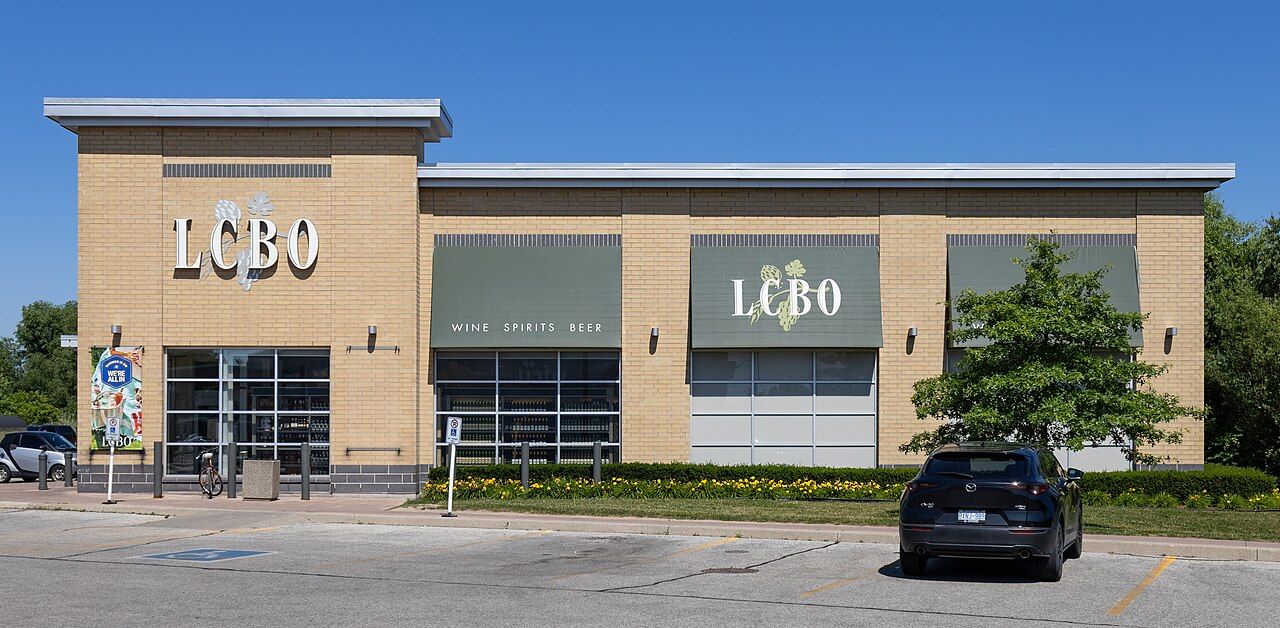
TORONTO · The Liquor Control Board of Ontario is hiring police officers to patrol dozens of its stores and deploying a covert security taskforce in a new blitz against organized theft. The government-run retailer said its "Operation Secure Stores" initiative will see 40 paid duty officers stationed at roughly 40 separate locations across the province. The LCBO said it will also add "double guarding" at other stores and deploy more members of its plainclothes security taskforce, who have specialized training and are permitted to make arrests inside stores. "We know there is a lot of repeat crime so we’re aware those operations exist," said LCBO media relations director Sebastian Skamski. He said the retailer is using internal data to identify its most vulnerable locations. "We’re very aware of the role of organized crime in theft at the LCBO, these are very sophisticated operations where they act in tandem to coordinate and target stores," Skamski added.
The LCBO's internal data indicates that 70 per cent of thefts are linked to organized crime. Former homicide detective and CTV News crime specialist Mark Mendelson said these are typically small groups working together. "This isn’t the Hells Angels or the mafia, this is a group of four or five criminals working together to hit up liquor stores," he said. Mendelson said thieves target high-value products, not low-end items. "They’re going for the high-end stuff. They’re not stealing bottles of Baby Duck."
Skamski pointed to the more than 2,000 arrests made last year in connection with LCBO thefts, noting that many did not occur where police were stationed. He said LCBO staff, guards and employees helped local law enforcement make those arrests. However, some crime experts question the effectiveness of the new measures, suggesting they may be more about public perception than crime reduction. Mendelson said criminals will likely adapt to the increased security. "The criminals are going to move on, they’re going to move onto softer targets, in often cases further outside big city limits," he said. An executive from a security guard company, who spoke on condition of anonymity, expressed doubt that the LCBO has the budget to effectively curb robberies at its nearly 690 stores provincewide. Mendelson suggested Ontario could look to other provinces for solutions, such as Manitoba's policy of requiring identification to enter most liquor stores. "Anything would help, we have to think outside of the box and come up with a sustainable plan to bring an end to this crime that’s flooding the black market with thousands in stolen booze," he said. The LCBO said it remains committed to reducing crime in its stores and keeping staff and customers safe.
With files from BNN Bloomberg