UK House of Lords Committee Calls for Near-Total Ban on Gambling Advertising, Citing Public Health Crisis
A House of Lords committee has urged sweeping restrictions on gambling advertising in the UK, framing the issue as a growing public health concern linked to rising problem gambling rates. The comprehensive report recommends banning direct marketing, inducements, and sports sponsorships while transferring regulatory authority to the Gambling Commission.
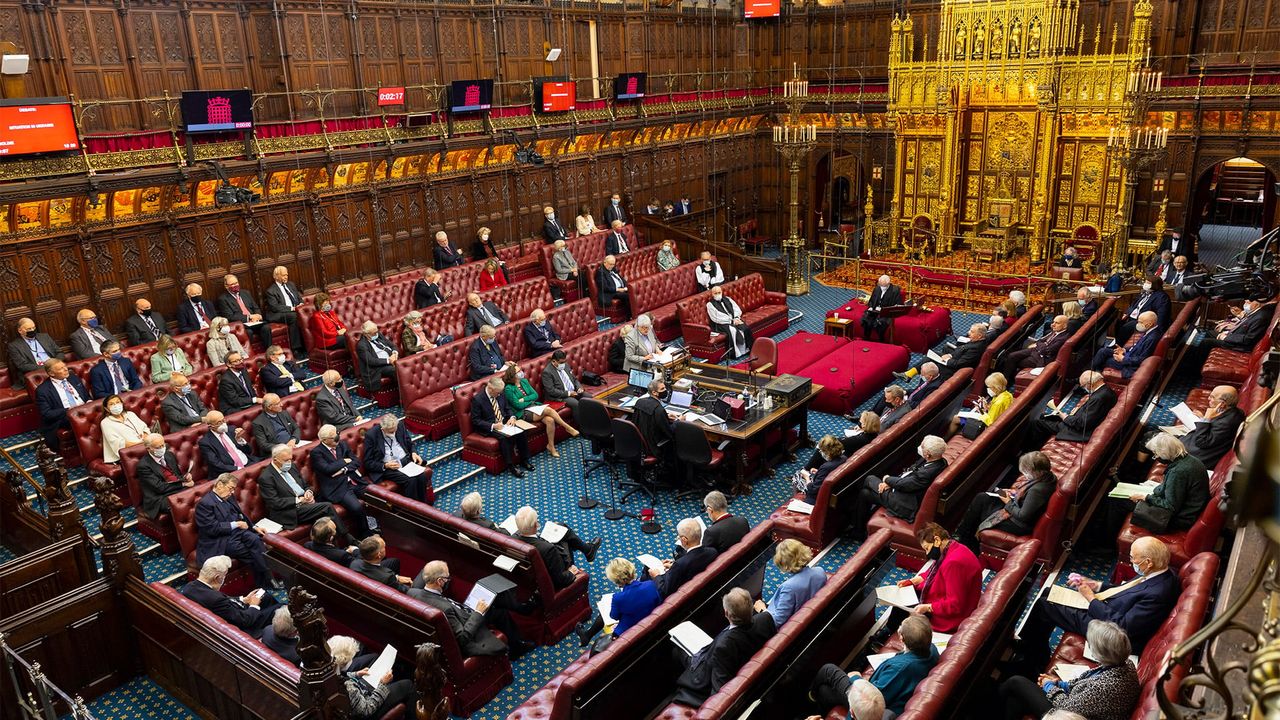
A cross-party House of Lords committee has issued a landmark recommendation for comprehensive restrictions on gambling advertising across all UK media platforms, presenting the measure as an urgent response to escalating gambling-related harms. Published on 17 September, the House of Lords Liaison Committee's follow-up report represents a significant escalation in political pressure to reform gambling marketing practices, building upon their 2020 inquiry into the industry's social and economic impacts.
The Scale of Problem Gambling in the UK
The committee's report establishes gambling harm as a pressing public health crisis through rigorous examination of current data. The Gambling Commission's Gambling Survey for Great Britain (GSGB) serves as the foundation for their assessment, revealing that between one and 1.5 million UK adults now score within the problem gambling range (8+) on the Problem Gambling Severity Index (PGSI). This measurement tool categorizes scores of 0-3 as low-risk, 3-7 as moderate-risk, and 8+ as indicative of problem gambling behavior. While some industry commentators have questioned the survey methodology, the committee maintains these figures demonstrate an undeniable public health challenge requiring immediate intervention.
Historical Context of Gambling Advertising
The report traces the dramatic expansion of gambling marketing to the pivotal Gambling Act 2005, which fundamentally transformed the industry's promotional landscape. Prior to this legislation, television and radio gambling advertising was strictly limited to products like bingo, football pools and the National Lottery. The Act's liberalization of advertising rules enabled licensed operators to dramatically increase their marketing presence across all media channels. According to committee findings, this policy shift has led to annual advertising expenditure by licensed operators ballooning to an estimated £1-2 billion, creating what they describe as an omnipresent gambling marketing environment.
READ MORE: UK gambling market hits £17.5bn as online growth outpaces retail decline
The Digital Transformation of Gambling Marketing
Committee Chair Lord Ponsonby of Shulbrede emphasized that the digital evolution of gambling marketing since 2020 has fundamentally altered the risk landscape. The proliferation of online platforms has enabled more sophisticated and targeted advertising techniques that the current regulatory framework was not designed to address. Lord Ponsonby stated
The time was right to reassess this crucial policy area, focusing on the topic of gambling advertising where the former committee's strong recommendations have been largely unaddressed and where substantial developments in the gambling advertising landscape since 2020 have demanded a re-evaluation of the policy options.This acknowledgment of rapid technological change underpins the committee's call for more comprehensive regulation.
Flaws in the Current Regulatory System
The committee proposes a complete overhaul of the existing self-regulatory framework, which they characterize as fragmented and ineffective. The current system relies on a patchwork of Advertising Standards Authority (ASA) codes, co-regulation for broadcasts, and voluntary industry measures. As evidence of systemic failures, the report highlights recent ASA rulings including Midnite's third violation for youth-oriented TikTok ads featuring young-looking characters. These repeated breaches demonstrate how the current system allows problematic marketing to persist despite regulatory oversight.
Specific Marketing Practices Under Scrutiny
The report provides detailed analysis of several high-risk marketing practices that would face prohibition under their recommendations. Direct marketing through emails, texts and push notifications would face near-total prohibition, with exceptions only for essential account or safety communications. The committee cites compelling research from Dr Philip Newall at the University of Bristol, who analyzed an Australian study demonstrating the impact of direct marketing restrictions. Dr Newall noted that
causality was established by getting a random subset of participants to opt-out of receiving direct marketing offers. This group then self-reported significantly lower expenditure and harms over the next two weeks.These findings provide empirical support for restricting direct marketing channels.
The Problem with Incentives and Bonuses
The committee advocates banning all inducements including free bets and sign-up bonuses, which they identify as particularly effective tools for stimulating betting activity and recruiting new or lapsed customers. Their analysis suggests these promotions not only encourage immediate gambling but contribute to longer-term behavioral patterns that can lead to harm. By targeting these incentives, the committee aims to reduce the industry's ability to actively cultivate new gamblers while maintaining pressure on existing customers.
Sports Sponsorship and Branding Concerns
Sports marketing relationships emerge as a persistent challenge in the committee's analysis, with particular focus on football. Despite the Premier League's voluntary ban on front-of-shirt gambling sponsorships implemented at the start of the current season, the report notes continued exposure through training kits, shirt sleeves and stadium advertisements. Dr Matt Gaskell MBE provided critical analysis of these voluntary measures, observing that
overall exposure (including shirts, hoardings, logos, sponsorship and related marketing) during live sports programmes does not show that self-regulation has reduced exposure meaningfully.The committee maintains its 2020 position advocating comprehensive bans on team apparel, stadium and broadcast advertising, with limited exceptions for horse and greyhound racing events where gambling is more integral to the sport.
Addressing Industry Concerns About Black Markets
The report systematically addresses concerns about potential unintended consequences of advertising restrictions, particularly the argument that marketing bans would drive consumers to unlicensed operators. Through examination of European jurisdictions with stricter advertising controls, the committee found no substantial evidence supporting this claim. Their research indicated that
interviews with representatives of state monopoly operators across European jurisdictions consistently suggested that advertising restrictions did not lead to consumer migration towards illegal operators.This finding directly challenges a frequent industry argument against stricter marketing controls and provides policymakers with evidence to counter such objections.
The Broader Policy Context
These recommendations arrive amid parallel gambling reform efforts, including the UK government's 2023 white paper introducing a statutory levy for research and treatment funding. The report aligns with growing cross-party sentiment in Parliament, including recent All-Party Parliamentary Group findings that labeled gambling advertising a public health issue requiring urgent action. While the Department for Digital, Culture, Media and Sport has appointed a research fellow to study innovations in online gambling advertising, including content creators, the committee warns against allowing such studies to delay necessary policy interventions. Their position reflects concern that protracted research timelines could allow harmful marketing practices to continue unchecked during the interim period.
Implementing a Public Health Approach
The committee's most significant conceptual contribution is advocating for application of a public health framework to gambling advertising regulation. This approach would shift the focus from individual responsibility to population-level interventions designed to reduce overall exposure and harm. By treating gambling marketing as a public health issue comparable to tobacco or alcohol advertising, the report provides a theoretical foundation for more restrictive policies. The recommendation to place advertising regulation on a statutory footing under the Gambling Commission would grant the regulator enhanced powers to proactively enforce rules and restrict problematic advertising channels effectively, mirroring regulatory approaches used for other public health concerns.
Conclusion: The Path Forward
The House of Lords report represents the most comprehensive parliamentary challenge yet to gambling marketing practices in the UK. By advocating for a public health framework and statutory regulation, the committee sets a high benchmark for forthcoming gambling legislation reforms. The detailed examination of specific marketing practices, combined with empirical evidence of their harms, creates a compelling case for substantial regulatory change. As policymakers balance public health protections with industry considerations, these recommendations will likely shape the ongoing debate about gambling's role in British society and the appropriate limits on its promotion. The report's timing and comprehensive nature suggest it may serve as a catalyst for more ambitious reforms than those currently proposed in the government's white paper.