Carney government pledges $29 billion to end homelessness within a decade
The federal budget commits $11.2 billion over four years and $17.8 billion over 10 years to create supportive housing and health services.
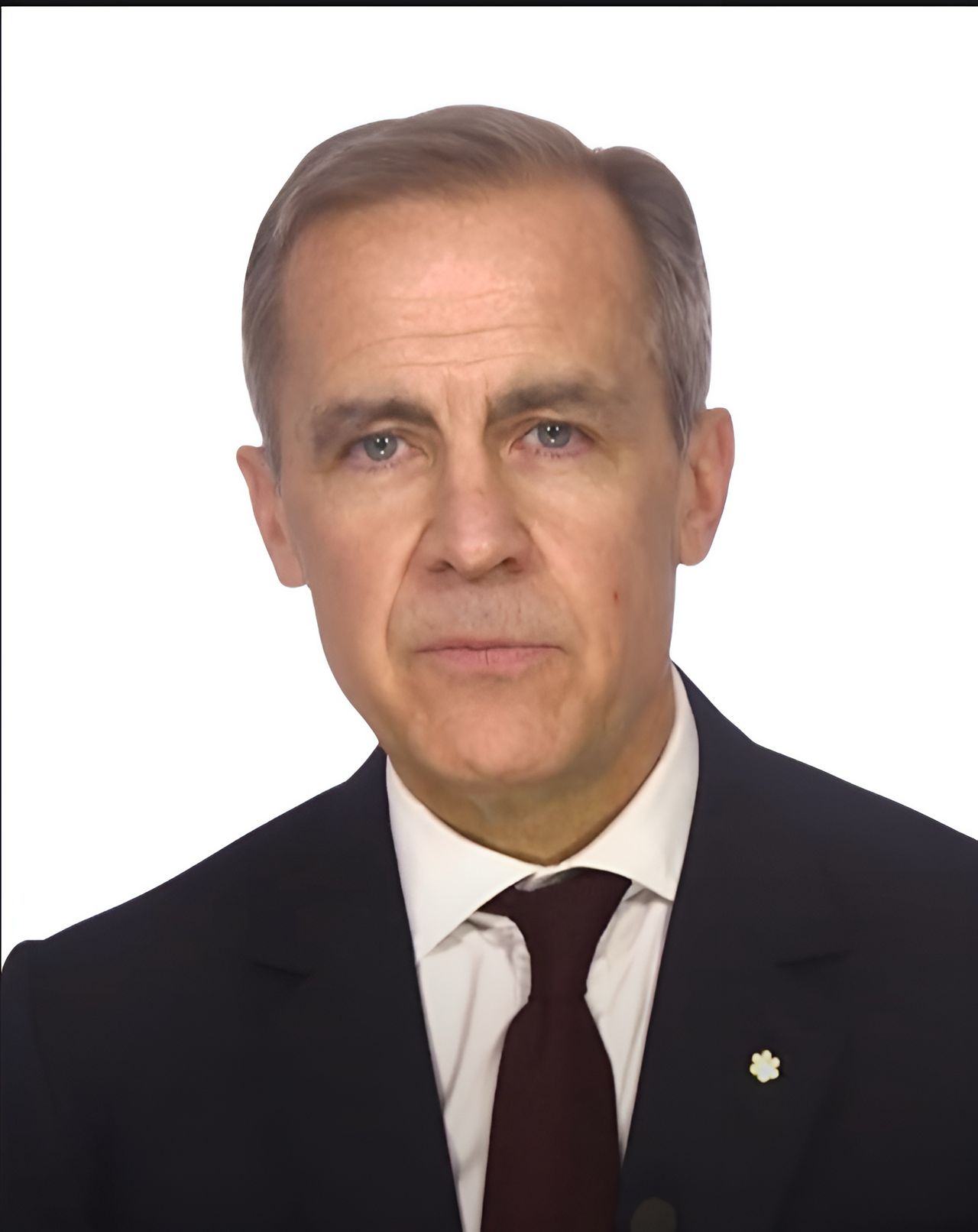
WINNIPEG · Prime Minister Mark Carney is in Winnipeg on Friday to promote a new federal budget pledge to end homelessness in Canada within 10 years. The 2026 budget, released Thursday, commits $11.2 billion over four years and $17.8 billion over 10 years to tackle the issue. The plan includes creating a new Integrated Supports Fund for transitional housing with mental health, addictions and social supports. Finance Minister François-Philippe Champagne called it one of the government's "flagship" policies.
"We are committed to changing how Canada addresses homelessness and supports those who are unhoused, because every Canadian should have the security of a warm home," the budget document says. The strategy proposes that Ottawa cover capital costs for new supportive and transitional housing while provincial and territorial governments pay for ongoing operations and services. The government says it will work to sign agreements with provinces and territories ahead of next year's spring economic update. Carney was joined by Manitoba Premier Wab Kinew, Winnipeg Mayor Scott Gillingham and Montreal Mayor Soraya Martinez Ferrada for the announcement. The budget says Winnipeg, where an estimated 2,000 people are currently unhoused, is where the new plans will begin. "We will work with public and private partners to build a new Centre for Mental Health and Addictions and add an additional 2,000 new transitional and supportive homes," the budget document states.
Support workers welcomed the ambitious goal but stressed the need for comprehensive support services. "Significant progress" can be made toward the budget's goal, but it will need the right supports, said Sara Goldvine, chief operating officer at Coast Mental Health in Vancouver. Nick Wells of Vancouver's Union Gospel Mission called the pledge ambitious and said leadership from the highest level of government will help co-ordinate efforts. "Long-term housing is the goal, but it's important to have those kind of wraparound supports in place for those looking to exit homelessness," Wells said. Goldvine echoed that sentiment, saying, "We know what works. There's been research that shows what works and it is housing that is affordable combined with the supports that people need." The budget estimates there are 65,000 homeless Canadians.
READ MORE: Carney government to table budget Thursday with focus on affordability, growth
READ MORE: Federal budget to reveal impact of energy shock and new spending
Tim Tierney, president of the Federation of Canadian Municipalities, said in a statement the budget enables decisive action that municipalities have long called for. "The test now will be turning that commitment into safe homes and lasting support for people," said Tierney. "Municipalities are ready to do our part. Provinces and territories must step up with the operating funding as well as health and social supports essential to success." The budget also commits to expanding non-market housing and building 200,000 new homes across Canada in the next decade. It proposes building new community mental health and addictions facilities with a $2 billion commitment and includes continued support for the Veterans Homelessness Program. A 2022 Statistics Canada study found nearly one in eight households reported experiencing some form of homelessness at some point, a rate that was more than one in four for Indigenous people.
Tim Richter, CEO of the Canadian Alliance to End Homelessness, said in a statement the federal budget is "the essential first step in ending homelessness." Richter's organization is holding a national conference in Winnipeg next week. "The critical next step is aligning all provinces, territories and cities around this shared national ambition," said Richter. "We know homelessness is solvable; communities across Canada are showing progress is possible. We're ready to get to work." NDP Leader Avi Lewis said the inclusion of $11.2 billion over four years to address homelessness was a "good thing," but the NDP would be watching to make sure that money remains set aside for public sector use. The budget says the plan to end homelessness will require collaboration with provinces, territories and municipalities. "This is a call to action for every level of government, Indigenous partners, the private sector, and the not-for-profit sector to come together to reach this goal," the document says.
With files from The Canadian Press, Narcity and BNN Bloomberg