Experts say an all-Canadian Thanksgiving feast is achievable on a budget
A renewed focus on Canadian ingredients for Thanksgiving is grounded in the country's harvest abundance, food experts note.
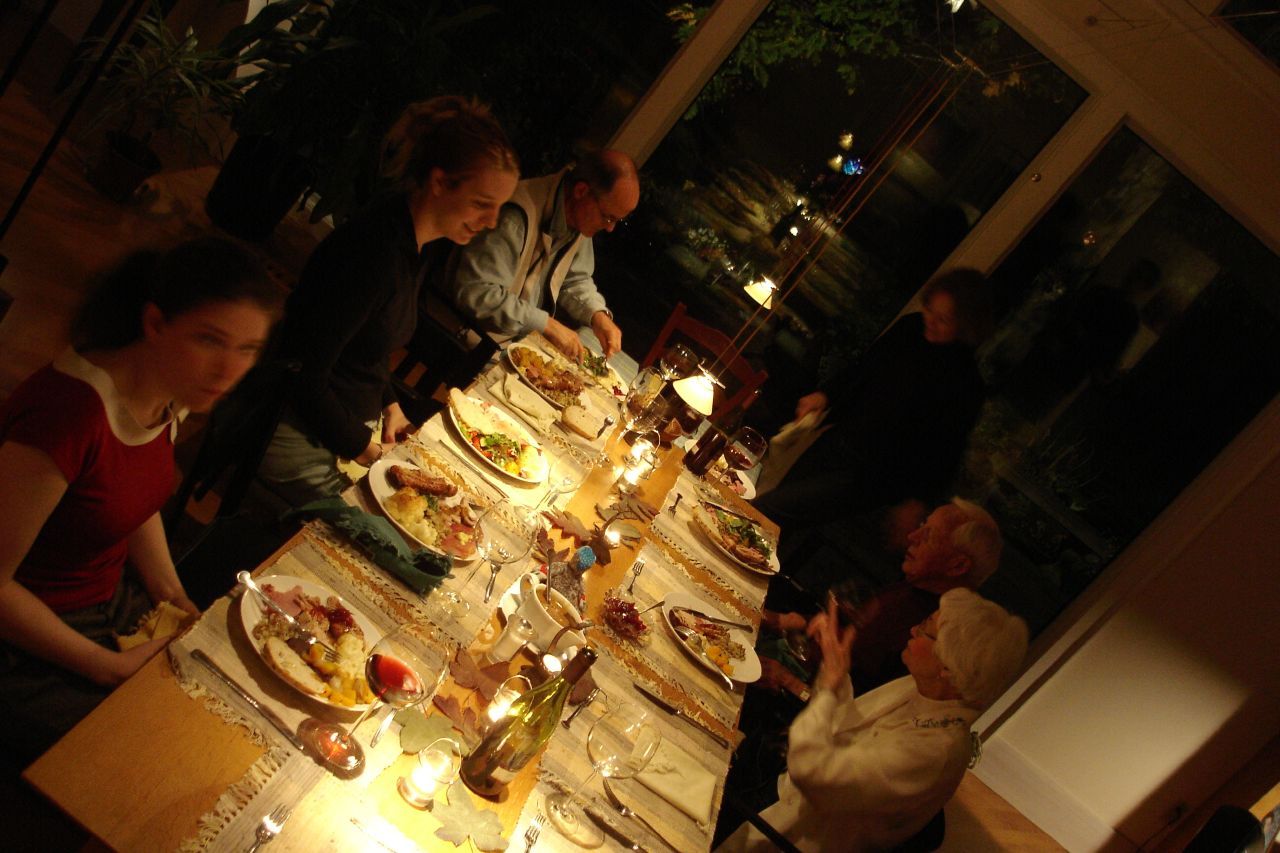
A resurgence of patriotism has some Canadians looking more closely at product origins to ensure their Thanksgiving celebrations feature a Canadian-sourced feast. Experts say an all-Canadian meal on a budget is not difficult, as long as it is grounded in the abundance of the harvest season and simple recipes. "Thanksgiving is really a harvest feast or harvest festival and coincides with peak agricultural production in Canada," said Paul van der Werf, an adjunct professor at Ivey Business School at Western University. He noted Canada produces lots of turkey and potatoes and is the world's second-biggest producer of cranberries.
Renewed trade tensions with the United States have many shoppers examining labels for origin information, though defining what is Canadian is not always easy due to intertwined North American supply chains. For example, U.S.-based co-op Ocean Spray processes some Canadian cranberries into a jelly sauce. Jeff Stewart, executive director of the non-profit Food Day Canada, said knowing what labels mean is important when looking for Canadian-made items, whether based on ingredient origin, manufacturing plants or brand ownership. He suggested building a holiday menu by walking around a grocery store or farmers market to see what is in season.
"Whatever is in abundance is what you're going to find the best prices on," said Stewart, who is also a chef in Elora, Ont. Farmers typically harvest a wide array of fresh produce in the fall, including pumpkins, squash, potatoes, apples and pears. Stewart said the menu would also look different based on region, noting an Ontario celebration would mean a homegrown turkey, while in British Columbia it might feature fish. However, pantry items like spices can thwart attempts at a fully Canadian meal, as Canada does not grow cinnamon, black pepper or produce olive oil.
READ MORE: Rising diesel prices threaten to push food inflation higher after Thanksgiving
READ MORE: Indigenous groups should have say in fate of cultural items in Risley company sale, experts say
Van der Werf said a classic Thanksgiving meal is Canadian through and through. "We've always had this real abundance of Canadian agricultural products of world-class quality," he said. "We've been reminded through geopolitical events that, 'Hey, you know what, maybe we'll want to think about that a bit more.'" Ontario alone produced 45 percent of the country's turkey in 2025, according to Statistics Canada. The country also hit an all-time high in potato production in 2024, the agency said in a separate report.
Stewart said convenience often leads people to choose boxed or prepared foods, where it may be hard to know how local the contents are. He recommended grounding the menu in simpler recipes, recalling meals with his grandparents. "Maybe it's time for people to think about simpler things in simpler times and go back to some of the ways that were maybe forgotten or maybe never learned," Stewart said. He acknowledged that serving a truly Canadian meal can take effort but said making a commitment to it gets easier over time.
With files from The Canadian Press and BNN Bloomberg