High fuel prices push global shift to renewables and EVs, cementing China's lead
Rising gasoline and diesel costs following conflict in the Middle East are accelerating a global move toward electric vehicles and renewable power.
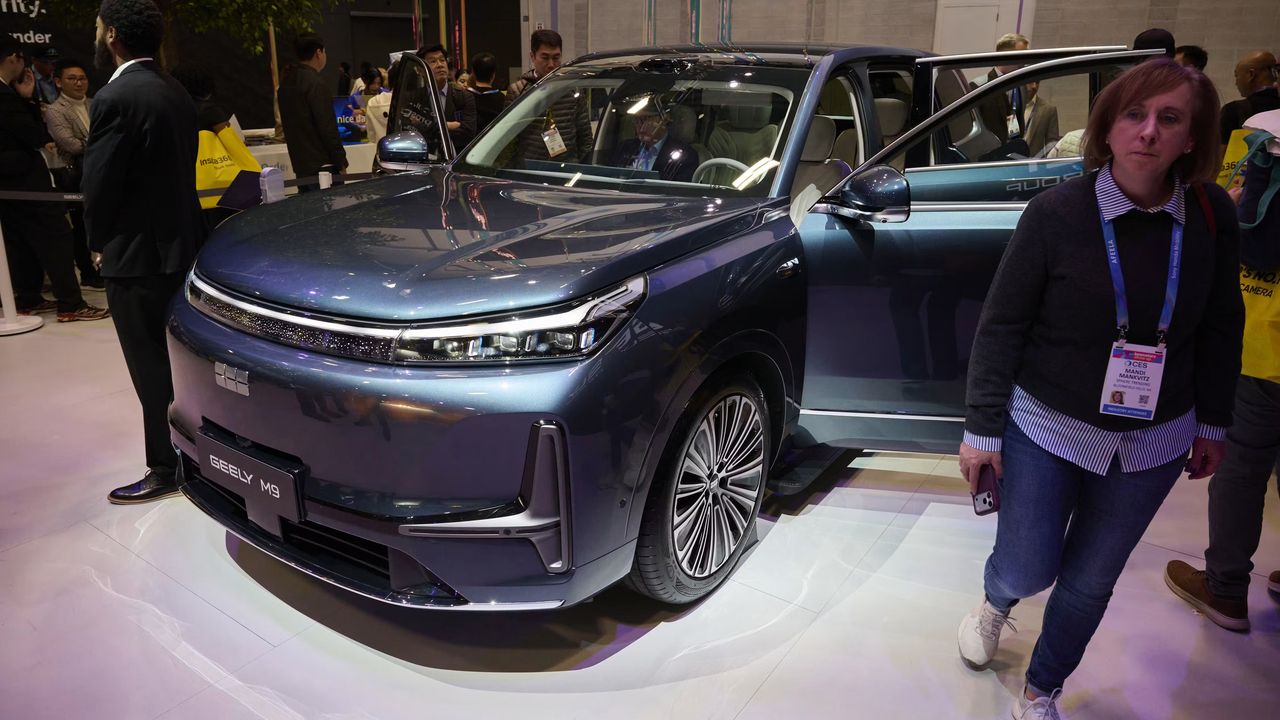
Rising prices for gasoline, diesel and natural gas are pushing industries and households toward renewable power and electric vehicles, solidifying China's lead in these global industries.
On Feb. 28, the U.S. and Israel attacked Iran, and oil and natural gas prices climbed when Iran retaliated by closing the Strait of Hormuz.
Today, the average price of a gallon of diesel is US$6.33, up from US$3.65 a year ago, according to the AAA Fuel Prices monitor.
READ MORE: Higher diesel prices threaten to push up food costs this winter
READ MORE: Bank of Canada governor says prolonged high energy prices complicate interest rate decisions
Regular gasoline is US$4.33, up from US$3.05.
Prices all over the world have climbed by similar margins, driving up inflation and government bond yields and driving down the U.S. Republicans' popularity ratings ahead of the U.S. midterm elections.
The high energy prices are driving industrial and consumer-choice changes that have a historical precedent.
In 1973 and 1974, the Arab oil embargo sent oil prices up nearly fourfold.
Today, the Hormuz-inspired energy crisis is pushing industries, businesses and consumers toward electrical power, preferably of the renewable kind.
China is the world leader in electrical power systems, including wind vanes, solar panels and EVs.
It is China's BYD, not Tesla, that is the world's leading producer of EVs.
China's lead in these industries, especially in EVs, has accelerated since the Iran war started and the conflict expanded to include Houthi attacks on Saudi airports and oil sites.
High oil prices are driving the new lunge for EVs.
On Friday, Brent crude, the international benchmark, traded at US$106 a barrel, up 73 per cent over 12 months.
Nikkei Asia reported that, for the first time, sales of new gasoline-powered cars globally shrank to less than 50 per cent in the first half of 2026.
Only five years ago, they held almost three-quarters of the new-car market.
EV sales in the European Union, plus Britain, Switzerland and Norway, rose 52 per cent in August from a year earlier.
They were up 75 per cent in Germany as gasoline hit the equivalent of US$10 a gallon.
In the export market, Chinese EV sales are surging.
They have, for instance, captured 70 per cent of the Mexican EV market.
Meanwhile, China has nailed down its control of the global market for wind-power equipment, at about 70 per cent, and photovoltaic modules, at about 80 per cent, according to the China Electric Power Planning and Engineering Institute.
Under former U.S. president Donald Trump, the United States removed federal financial and regulatory support for renewables and EVs that were launched by his predecessor, Joe Biden.
Emissions constraints were rolled back and millions of hectares of federal land, including Indigenous and protected wildlife areas, were opened for his "drill, baby, drill" campaign.
He even killed funding for EV charging points.
The United States is a net energy exporter and solidified its position as the world's largest oil producer.
But under Mr. Trump, the United States has become a laggard in these industries.
EV sales there represent less than 7 per cent of sales.
Meanwhile, the President's war on wind farms continues.
Talent tends to follow production and the clean-energy talent is going to China and, to lesser extents, South Korea and Europe.
It will be hard for any enlightened new U.S. president to take the lead in zero-emissions products, including EVs.
With files from The Globe and Mail