

Empower teens to take charge of their digital lives. Without avoiding the dark side of technology, this interactive and comprehensive reference book empowers teens to take charge of their digital life and improve their mental health and well-being. Quizzes and exercises guide readers through the process of evaluating their relationships with their screens, social media and tech in general. With a frank and humorous approach to a timely topic, award-winning author Alex J. Packer, Ph.D., pulls back the curtain on the hidden aspects of the digital world and shares:
We already know what climate change is and many of us understand the human causes. But what will climate change do to our world? Who will be affected (spoiler: all of us!) and how will our lives change in the future? Topics include sea levels, extreme weather, drought, animal and plant extinction, and human and animal migration. Drawing on real-life situations and stories, journalist Jeff Fleischer takes an informed, approachable look at how our world will likely change as a result of our actions, including suggestions on what we can still do to slow down these unprecedented effects.
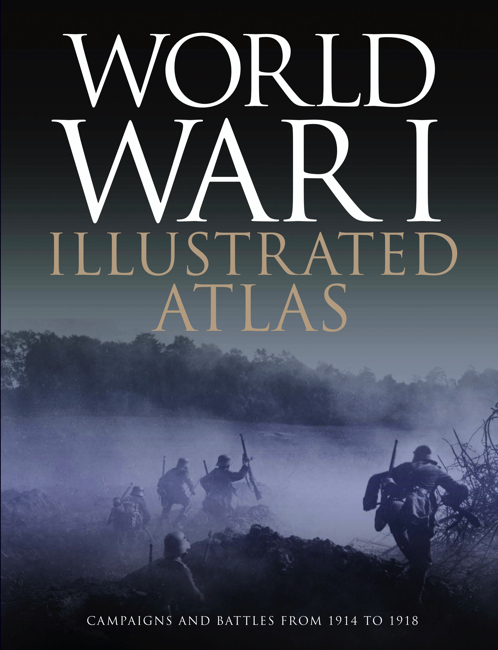
With expert, accessible text and accompanying archival photographs, this complete atlas provides an invaluable work of reference for both the general reader and the serious student of World War I.
One of my biggest regrets is never meeting my great-grandfather. All I know about him is he fought in World War One, was shot in the calf somewhere on the Western Front and abandoned in woodland while injured. They left him there for four days, by which time the gangrenous leg needed removing.
Perhaps it’s this regret, but I’ve always loved books like this World War 1 Illustrated Atlas. I used to love the battlefield diagrams and trying to understand the order of movement.
When I received this book, I read the introduction and immediately went to the battles I knew from high school. The Somme. Passchendaele. Verdun. I devoured these pages and felt a new appreciation for their scale and cost. I wanted a little more of the human element, however. I realise this is a book of maps, but I’d have loved some stories about men who fought in the battles pictured or even to know the butcher’s bill.
Antarctica is the coldest, windiest, highest, driest and most remote part of the world. It’s the world’s largest polar desert. Antarctica is a true wilderness.
Author Leilani Raashida Henry, daughter of George W. Gibbs, Jr., the first person of African descent to go to Antarctica, recounts her father’s expedition while educating readers on the incredible geography, biodiversity and history of the continent. Using diary entries from Gibbs' expedition, The Call of Antarctica takes readers on a journey to the rugged Antarctic landscape to learn its history, its present and the importance of protecting its future.
The photography and layout of this book are stunning, and the broad array of facts and stories—involving everything from penguins to the Northern Lights—is enough to entertain an armchair adventurer and science lover for days.
But what makes this tome on Antarctica really special are the interspersed diary entries from the first Black Antarctica explorer, George W. Gibbs. It puts you right there, on the ships, on the ice and in the bitter cold. The wonder, the challenges, the seafaring knowledge and yes, the racism, are a door to another era in Gibbs’ own words.
It’s hard to think of anyone who wouldn’t be drawn in by the photos, maps, sidebars, history and science, especially with that personal touch of Gibbs’ first-person observations tying it all together.
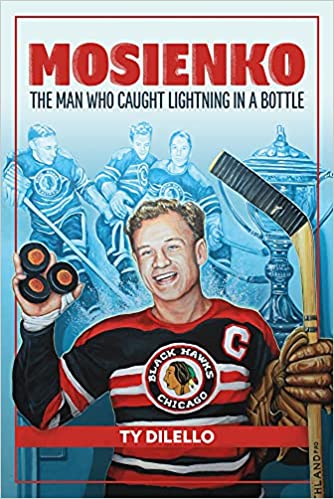
Bill Mosienko was one of Manitoba’s greatest hockey players and athletes. Mosienko became a hockey legend in 1952 when he recorded the fastest hat-trick in NHL history—a record that stands to this day. This biography tells the story of a Manitoba legend, from his childhood spent skating on the rinks of Winnipeg’s North End in the 1920s and 30s, to his illustrious fourteen-year NHL career, to his return to Winnipeg to play with the Winnipeg Warriors, to his post-retirement career as the owner of the iconic Mosienko Bowling Lanes. Through exclusive interviews with Mosienko’s friends, family, and teammates, Dilello paints a vivid picture of Mosienko, a man known for his sportsmanship and community spirit as well as his incredible hockey talent.
Ty Dilello’s beautifully written biographical account of William “Bill”Mosienko also depicts some of the National Hockey League’s other G.O.A.Ts. (Greatest of All Times). We follow their journey from virtually unknown to world famous players. The book chronicles the early days of immigrant families living in North End -- one of Winnipeg’s poorest neighborhoods, plagued by poverty and diseases -- and how they dealt with culture shock, economic hardships and racism.
The family’s initial trip should have taken them to Saskatchewan, but a chance encounter with the Shibickys (NHL star Alex Shibicky’s parents) may have been a blessing in disguise.Roman Shibicky somehow convinced them to go to Winnipeg and this is where Bill was introduced to the sport that would eventually make him a household name.
Daniel Mosienko certainly had it hard -- maintaining his extremely large family on such a minimal salary ($1.25 per hour) from his job as a boilermaker with Canadian Pacific Railroad. The depression certainly made life unbearable, yet amidst all that hardship, the Mosienkos found a way to make it through.