Conservative Leader Faces Internal Backlash Over Candidate Appointment in Ontario Byelection
Pierre Poilievre sparks party dissent by appointing Kevin Davis as Conservative candidate in Brantford-Brant South, bypassing local nomination process.
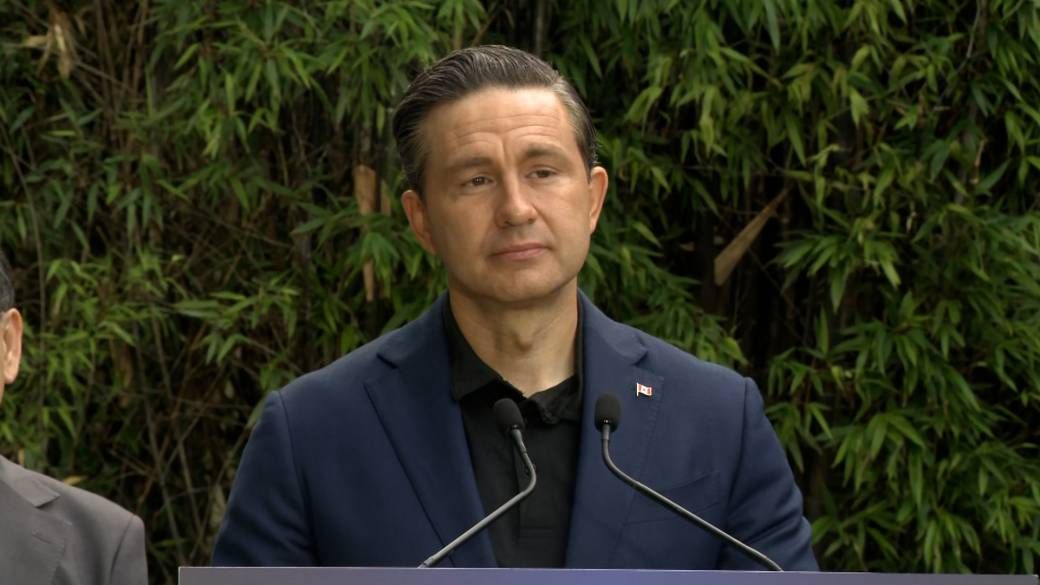
Conservative Leader Pierre Poilievre is facing significant internal party criticism after bypassing the traditional nomination process to appoint outgoing Brantford Mayor Kevin Davis as the party's candidate for an upcoming byelection in Brantford-Brant South. The decision has exposed deep divisions within Conservative ranks and reignited debates about democratic processes in candidate selection at a time when the party had pledged to empower local riding associations.
The Controversial Announcement
Poilievre made the surprise announcement at a rally in Brantford on Sunday, revealing Davis would carry the Conservative banner in the riding vacated by Larry Brock. The move shocked many party members, including Dave Carrol, a local pastor who had been actively campaigning for six weeks for the nomination with Brock's endorsement. Two former MPs for the area immediately walked out of the event in a visible display of protest that underscored the depth of dissatisfaction with the leader's decision.
Brock, who resigned Friday to return to his work as a Crown prosecutor, had publicly supported Carrol's candidacy in a social media video posted just one day before Poilievre's announcement. In the video with Carrol, Brock described the pastor as "well poised to take over" and credited him with helping win the riding in both the 2021 and 2025 elections. Seconds after Poilievre named Davis, Brock left his seat on stage, though MP Ned Kuruc later clarified on social media that Brock did not leave the event entirely.
READ MORE: B.C. Conservative Leader Kerry-Lynne Findlay Resigns Amid Deepening Party Crisis
READ MORE: RBC warns Canada's energy sector faces risk of costly overruns in $100-billion build-out
Internal Party Dissent
The backlash extended beyond Brock to other established party figures. Phil McColeman, who held the seat for 13 years before Brock, also walked out of the rally in protest. He later told the Brantford Expositor he objected fundamentally to the decision not to hold an open nomination contest, viewing it as contrary to Conservative principles of grassroots democracy.
Carrol articulated this perspective clearly on social media after the announcement, writing "I think an open nomination process is a good thing. It tests the candidates to prove they have the support of party members and the community." He noted how the party's grassroots tradition had originally drawn him to Conservatism and detailed his extensive local campaign work including fundraising and door-knocking.
A Conservative party spokesperson defended the move, with Sarah Fischer stating Poilievre exercised his authority "to ensure a candidate was in place and ready to hit the ground running." Fischer cited endorsements Davis received from local Conservatives including riding association president Caine Chapman and Brock's former campaign manager Phil Gillies, attempting to portray the appointment as having local support despite the visible dissent.
Historical Context of Nomination Disputes
This controversy follows a well-established pattern of nomination disputes within the Conservative party that have intensified in recent years. After the April 2025 election defeat, the party's national council changed rules to allow leaders to appoint candidates in up to eight ridings between elections - a response to widespread issues during nomination contests that year that had hampered campaign preparations.
The tensions reflect an ongoing struggle between centralized leadership control and local autonomy. In one notable 2025 case, longtime B.C. minister Michael de Jong was blocked from running in Abbotsford-South Langley despite securing local riding association support. De Jong told The Canadian Press he objected to the centralization of candidate selection and knew others shared his concerns. Similar complaints emerged when former Conservative MP Dave MacKenzie took the extraordinary step of supporting a Liberal candidate in Oxford, explicitly citing improper interference in the nomination process as his reason.
Grassroots Pushback and Recent Reforms
The depth of discontent became evident at the Conservative national convention in January 2026, where delegates approved constitutional changes meant to return more control over nominations to local ridings. The amended rules now state the national candidate selection committee can only override local decisions in exceptional circumstances, reflecting members' desire to rein in leadership powers that had expanded under previous reforms.
Poilievre himself acknowledged these concerns when speaking to delegates in Calgary, describing riding associations as "the backbone of our organization" and conceding lessons from the 2025 election loss about the need to hold open nominations sooner. However, his decision to appoint Davis just eight months later demonstrates the continued tension between these reform commitments and the practical political considerations that leaders face.
Political Implications
The Brantford-Brant South seat became vacant on September 16 when Brock resigned to return to legal practice. While a byelection must be called within six months, the timing remains uncertain. Davis brings immediate name recognition as outgoing mayor but now faces questions about his Conservative credentials after being appointed rather than winning a nomination contest - a vulnerability opponents may exploit during the campaign.
The incident highlights persistent tensions between party leadership and grassroots members over candidate selection that have plagued the Conservatives since at least 2023. While leaders argue appointment powers help secure strong candidates quickly and avoid divisive nomination battles, local activists increasingly view the practice as undermining democratic participation and disregarding local knowledge and preferences.
Broader Party Dynamics
This conflict occurs against a backdrop of evolving Conservative party governance that has seen repeated attempts to balance centralized leadership with grassroots autonomy. The 2026 constitutional changes limiting national committee powers over local nominations represented the latest effort to address these tensions, but Poilievre's decision to appoint Davis demonstrates how quickly practical political considerations can override such reforms when leaders perceive immediate electoral needs.
The situation also reveals differing visions of party renewal that have emerged since the 2025 defeat. While Poilievre appears focused on positioning Conservatives with recognizable candidates who can appeal beyond traditional bases - exemplified by choosing a sitting mayor - longtime members like Carrol represent the volunteer infrastructure and local connections that sustain campaigns between elections. This tension between expansion and preservation of core values continues to shape internal Conservative debates as the party prepares for future electoral challenges.
Local Impact and Moving Forward
In Brantford-Brant South specifically, the appointment risks alienating the activist base that had mobilized behind Carrol's candidacy. The pastor noted his extensive involvement in fundraising and campaign support over many years, suggesting such grassroots efforts might diminish if members feel their participation carries little weight in candidate selection processes.
Davis now faces the dual challenge of uniting divided local Conservatives while rapidly establishing his federal political profile ahead of the byelection. While his mayoral experience provides valuable governing credentials, his lack of direct connection to federal Conservative politics may complicate efforts to energize the party base at a time when voter mobilization will be crucial.
As the Conservatives prepare to contest the byelection, they must handle not only the usual political challenges but also the internal fractures exposed by this nomination controversy. How successfully they address these divisions may provide early indicators of the party's cohesion and readiness for the next general election campaign.