B.C. Conservative Leader Kerry-Lynne Findlay Resigns Amid Deepening Party Crisis
Kerry-Lynne Findlay steps down as B.C. Conservative leader after just four months, marking a dramatic collapse of her leadership amid mass defections, internal investigations, and failed caucus unity efforts.
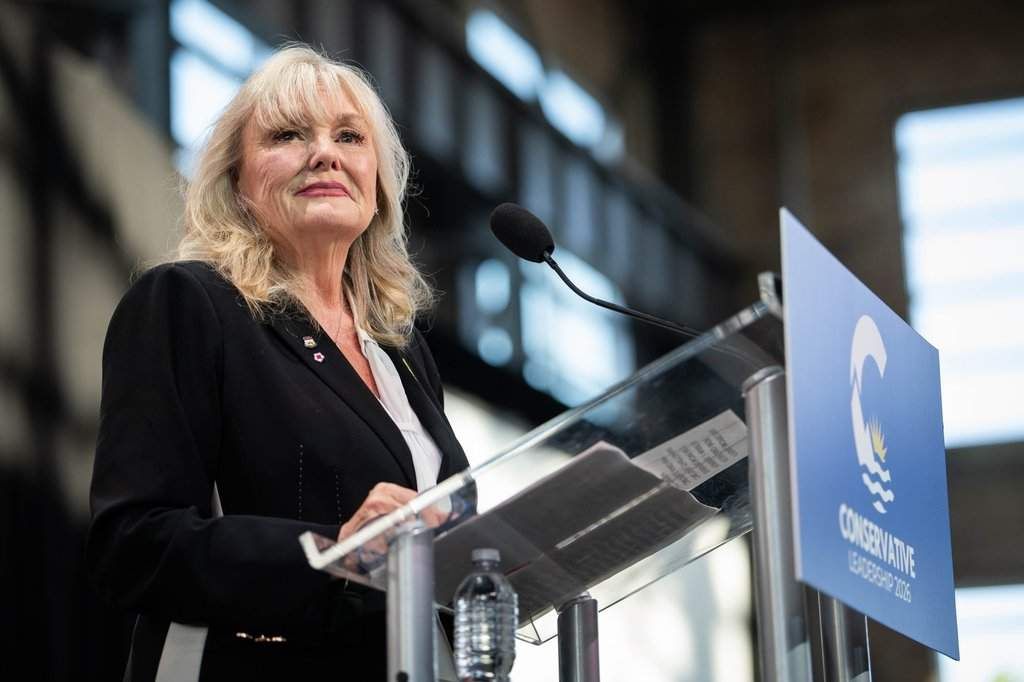
British Columbia's Conservative Party has been plunged into its deepest crisis yet as leader Kerry-Lynne Findlay announced her resignation Sunday after a mere four months at the helm. The former federal cabinet minister's abrupt departure follows weeks of escalating turmoil that saw 13 sitting MLAs abandon the official Opposition caucus, including three high-profile expulsions just days before her announcement. While Findlay will remain as the party's candidate in an upcoming byelection, her leadership collapse leaves the Conservatives in disarray as Premier David Eby's NDP government watches the opposition tear itself apart.
A Leadership Unraveled by Internal Warfare
Findlay's resignation statement posted to social media revealed a leader overwhelmed by infighting that derailed her brief tenure.
"I had hoped to spend the first months of my leadership travelling B.C., listening to residents and making the case for what a strong, united Conservative movement could accomplish,"she wrote. Instead, the former Stephen Harper-era minister described watching her leadership consumed by
"fighting amongst ourselves"when that energy should have targeted the governing NDP.
The final blow came hours after Surrey-Serpentine River MLA Linda Hepner became the 13th caucus member to exit since August, citing lost confidence in leadership's willingness to consider diverse perspectives. This mass exodus reduced the Conservative caucus from 37 to just 24 members in the legislature, with Independents swelling to 18. Hepner's departure followed Friday's explosive expulsion of former leader John Rustad and two other MLAs - former interim leader Trevor Halford and Skeena MLA Claire Rattée - which appears to have been the breaking point for many remaining members.
READ MORE: Conservative Leader Faces Internal Backlash Over Candidate Appointment in Ontario Byelection
The Private Investigator Scandal and Failed Unity
Findlay's leadership began crumbling almost immediately after taking the reins in May 2026, with revelations that the party had hired a private investigator to scrutinize internal critics. Political scientist David Black of Royal Roads University noted how Findlay compounded existing fractures rather than healing them.
"She declared a culture war in the middle of a trade war,"Black observed, criticizing her failure to integrate defeated leadership contenders or bridge divides between fiscal, social and cultural conservatives.
The private investigator scandal became emblematic of Findlay's troubled approach to dissent, with overnight caucus meetings last week featuring direct calls for her resignation. Her public insistence Thursday that she was
"not going anywhere"at the Union of B.C. Municipalities convention made Sunday's abrupt resignation all the more stunning. In her statement, Findlay acknowledged making decisions she would change
"with the benefit of hindsight"while condemning personal attacks that crossed into threats against family members.
The Rustad Factor and Leadership Void
John Rustad, the ousted former leader who built the Conservatives from one MLA after leaving the BC Liberals, immediately framed Findlay's departure as an opportunity. He told reporters the next interim leader need not be a sitting legislator but must unite members and articulate a compelling vision.
"People want change. We are going to deliver that for them,"Rustad declared in Victoria, positioning himself as a potential leadership contender despite his recent expulsion.
Claire Rattée, one of the other expelled MLAs, struck a similarly defiant tone, warning Premier Eby not to mistake Conservative
"growing pains"for weakness. Her pledge to run under the party banner next election suggests ongoing loyalty among some ousted members, complicating the path forward for whoever assumes leadership.
CentreBC's Rise as Conservative Alternative
The Conservative collapse has fueled the meteoric rise of CentreBC, which became the legislature's third-largest party overnight Friday when eight former Conservatives joined - including new leader Peter Milobar, the former Opposition finance critic. This exodus included six recent defectors plus Elenore Sturko, ousted from the Conservatives last year. CentreBC immediately vowed to run candidates in all 93 ridings if Eby calls an early election, branding themselves as the
"serious, stable option"to defeat the NDP.
Hepner's decision not to join CentreBC distinguishes her from most other defectors, suggesting lingering divisions even among those abandoning the Conservative banner. The rapid realignment has left the legislature's opposition landscape fractured, with the Conservatives, CentreBC, and Independents all vying to position themselves as the true alternative to Eby's government.
Findlay's Last Stand in Abbotsford-Mission
Despite stepping down as leader, Findlay will attempt to salvage her political career in the September 26 byelection for Abbotsford-Mission, where former MLA Reann Gasper vacated the seat specifically to enable her run. Opposition House Leader Sheldon Clare expressed sadness at Findlay's departure, blaming former colleagues who left caucus for pursuing personal agendas rather than party unity.
Political Earthquake with National Implications
The Conservative collapse represents more than mere party infighting - it signals a fundamental realignment of British Columbia's political landscape with potential national repercussions. As the official Opposition disintegrates, Premier Eby faces a stark choice: maintain stability by allowing the opposition to continue fracturing, or call an early election to capitalize on Conservative weakness. His noncommittal Friday response about election timing suggests the NDP is carefully weighing its options.
Meanwhile, the rise of CentreBC creates a new centrist force in B.C. politics that could redraw the province's political map. Their ability to attract high-profile Conservative defectors like Milobar demonstrates significant discontent with both major parties. However, with the legislature resuming next month, all opposition factions face immense pressure to present coherent alternatives to NDP governance before voters render their verdict - whether in a snap election or at the scheduled vote.
The speed of Conservative disintegration has shocked even seasoned observers, serving as a cautionary tale about the perils of internal division. Findlay's resignation statement contained a poignant warning applicable across the political spectrum:
"Disagreement should never become personal destruction."As British Columbia's opposition picks up the pieces, that lesson may prove the most enduring legacy of this spectacular political collapse.