Mark Carney urged to use symbolic gestures to reshape Canada's path
A professor suggests the prime minister could follow the example of Peter the Great to signal a new era for the country.
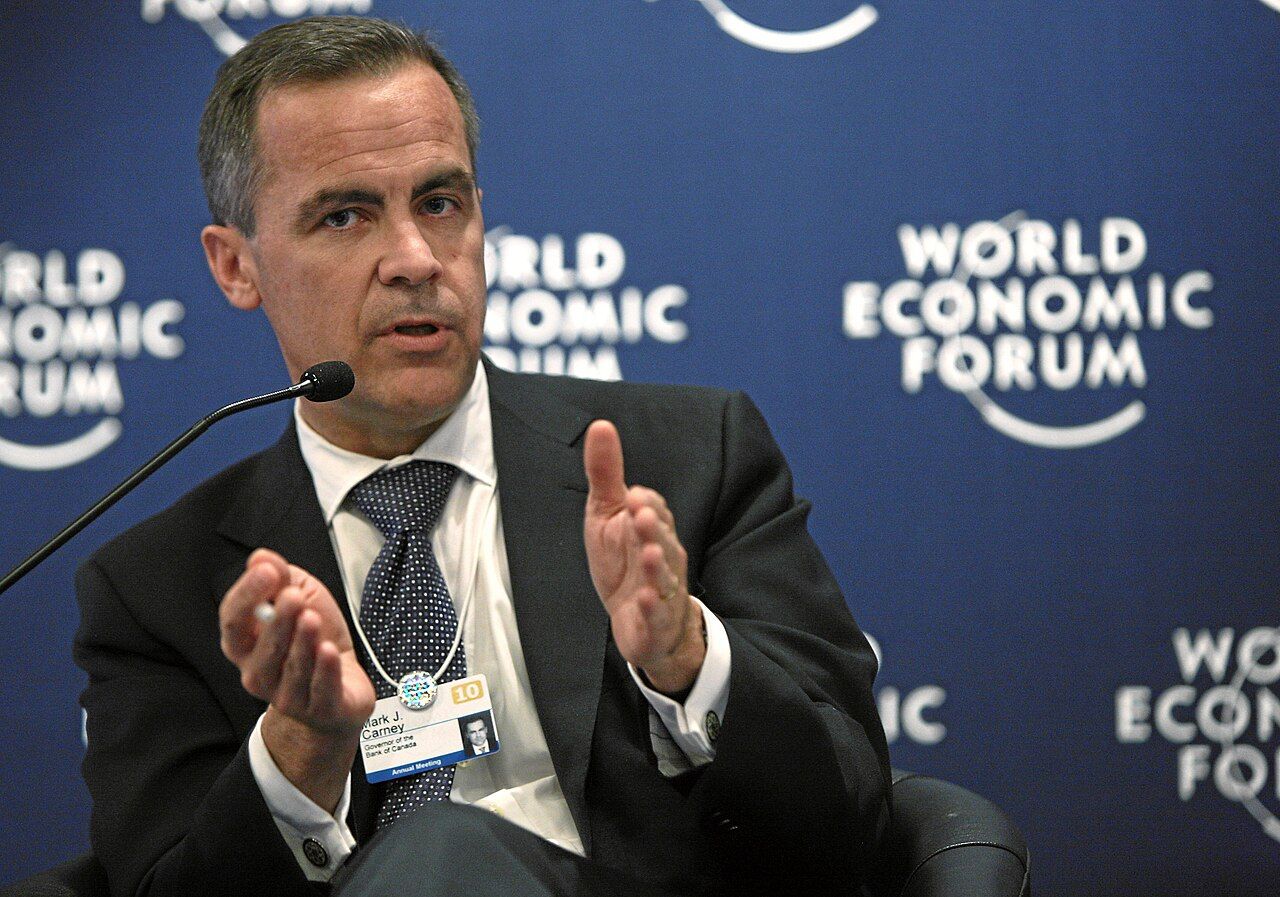
Prime Minister Mark Carney should deploy symbolic gestures to help set Canada on a new economic and political path, a professor suggests, drawing a parallel to the reforms of Russian emperor Peter the Great. Thomas Klassen of York University's School of Public Policy and Administration argues that dramatic symbolic acts can be effective when major national change is needed. He points to Peter the Great's famous edict ordering men to shave their beards as a way to shock citizens and signal that old ways were obsolete. In an essay for the Prosperity's Path series, Klassen says Carney's most powerful tools to alter Canada's future might be symbolic. "The power of symbols, and symbolic gestures, is well understood by another contemporary ruler in pursuing his trade and military objectives: U.S. President Donald Trump," Klassen wrote. He noted that Carney has already used public pronouncements, like a speech at the World Economic Forum in Davos, to make the international community pay more attention to Canada. The prime minister also had King Charles read the Speech from the Throne last year, a symbolic act that highlights Canada's different system of government.
Klassen proposes several symbolic ideas for Carney to consider. One is the creation of a "Canada Prize" along the lines of the Nobel Prizes, administered and presented in Canada. He also suggests reforming the Senate to make it central to advancing Canada's culture and values, or having provinces set their time zones at the half-hour to differentiate from the United States. Another move Klassen cites is Carney's effort to have the federal government use British English.
The essay draws a direct comparison between the challenges faced by Peter the Great over three centuries ago and those facing Canada today. It describes a ruler taking office in a large northern country with a stalled economy, inadequate domestic manufacturing and regional tensions, amid dangers from powerful neighbours. "Some of his solutions to the problems faced then sound familiar today: expand local manufacturing, strengthen the armed forces, search for new markets and trading partners, make new friends and allies, invest in new technology," Klassen wrote. Peter the Great's overriding ambition was to remake the Russian economy and diplomatic relationships, and even the Russian people themselves. Klassen notes that Carney follows some of the same playbook, arguing that Canada's comfortable niche beside the United States is no longer safe. Parliament has amended laws to allow for quick approval of national building projects, while military hardware is being acquired at breakneck speed.
READ MORE: Carney pursues trade, investment at Commonwealth summit in Antigua
READ MORE: Harper says he offered Carney a government role, not finance minister post
Klassen acknowledges that in contemporary Canada, the electoral process and its compromises will stall some of Carney's reforms, and a federal election will be held within three years. "Following Peter's example, Mr. Carney should remain laser focused on reform, regardless of how long his tenure lasts and what other priorities emerge," he wrote. Peter was an autocrat in power for 40 years, but the direction he set to make Russia equal to other major European empires was largely achieved by his successors. The professor also points to Carney's efforts to seek a vaguely defined associate membership in the European Union as having symbolic value. "There is little cost to such membership but it symbolically places Canada in a different geopolitical orbit," Klassen wrote. He noted that various European states objected to the label and the EU dropped the idea last month, but European Commission head Ursula von der Leyen continued to use the term.
"They should press on even if 'associate membership' never makes it into any formal paperwork," Klassen argued. "Who cares if the EU does not use it? Associate membership having no legal meaning is in fact advantageous. It means there's nothing stopping us from speaking it into existence." The essay concludes that evoking strong emotional responses from citizens is not something prime ministers are usually known for, but symbolic acts might be the most effective when dramatic economic changes are necessary.
With files from The Globe and Mail