Proposed pipeline unlikely to bring back Alberta oil sands hiring boom
Prime Minister Mark Carney's proposed pipeline could boost exports but is not expected to generate the thousands of high-paying jobs seen in the last boom.
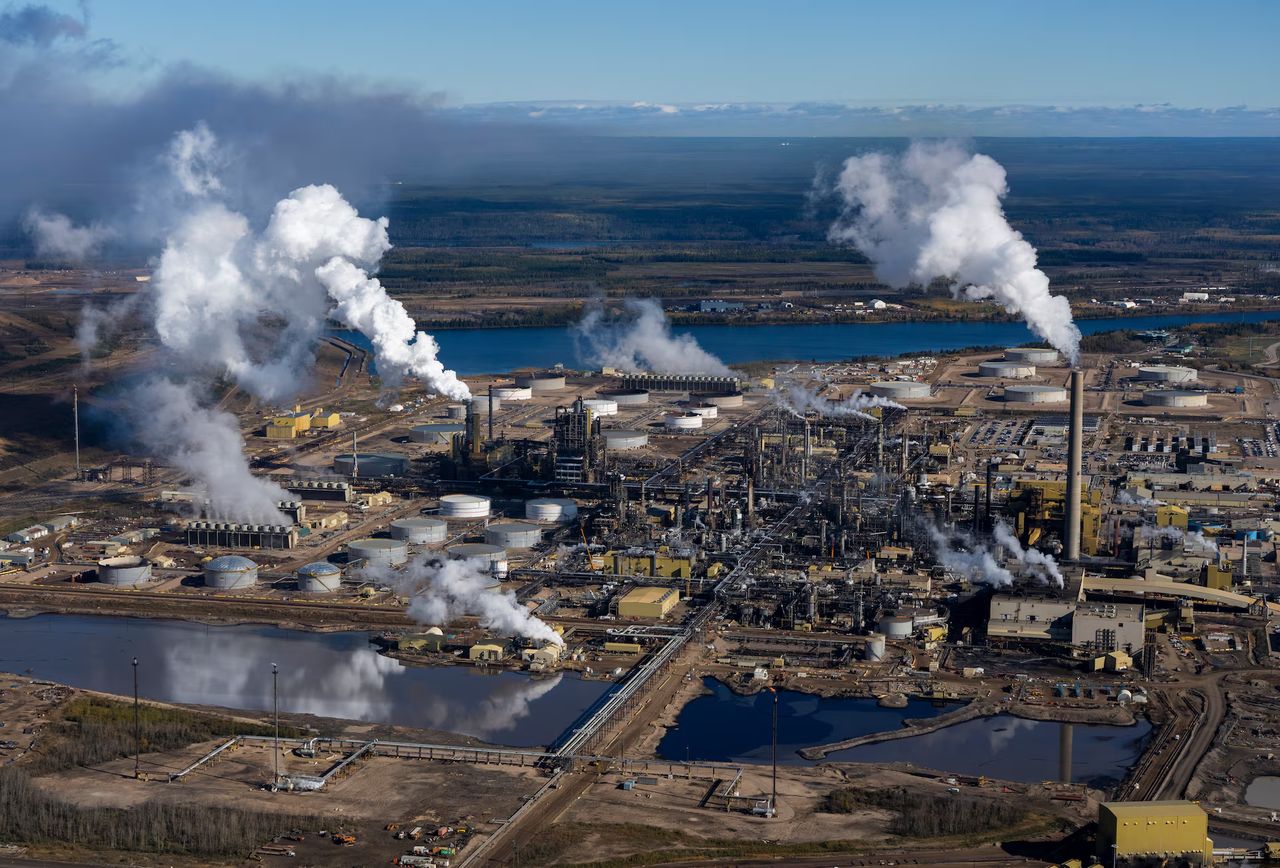
FORT MCMURRAY — Prime Minister Mark Carney's proposed pipeline to the Pacific Coast is unlikely to revive the high-employment boom that transformed Alberta's oil sands region more than a decade ago, experts and industry forecasts say.
During a recent visit to Fort McMurray, Carney cautioned against expecting another oil boom.
"I wouldn't use the term 'boom'," Carney said. "I would use 'sustained growth'."
The proposed pipeline would transport one million barrels of crude oil daily to a Pacific Coast port, opening greater access to Asian markets.
READ MORE: Pacific Link pipeline deemed in national interest, could spur oilsands growth
READ MORE: Carney rebuffs Musk's call for Quebec separation as Alberta vote looms
Carney wants to expand exports to Asia and reduce Canada's dependence on the United States, particularly as U.S. President Donald Trump's tariffs threaten the economy.
But automation and efficiency improvements are expected to drive much of the industry's growth, according to industry forecasts and interviews with company officials, workers, politicians and academics.
An August forecast from industry group Energy Safety Canada projects oil sands employment will fall by 920 jobs, or 4%, by 2035, even as production rises 6%.
The group said a new West Coast pipeline could reverse the expected job decline but may generate few permanent positions because companies are increasingly producing more oil with fewer workers.
Limited job creation could leave Carney facing criticism from both sides.
Environmental advocates say fast-tracking the pipeline risks weakening environmental protections, while conservatives argue that deregulation should deliver stronger growth, higher wages and more jobs.
Weak employment growth could also intensify Alberta's separatist movement, although a referendum on whether to proceed toward a vote on leaving Canada is expected to fail on Monday.
Alberta's oil and gas sector now employs about 435,000 people, including temporary and part-time workers, 85,000 fewer than in 2014, according to Servus Credit Union data.
Real disposable income remains 10% below its 2014 level, and housing values have dropped sharply.
From 2000 to 2014, energy companies poured billions of dollars into Alberta's oil sands, building massive mines and facilities to extract bitumen.
Fort McMurray became a magnet for workers who could earn six-figure salaries soon after high school.
Then oil prices crashed in 2015, followed by a devastating wildfire in 2016.
International companies pulled back as investor concerns about environmental, social and governance standards and the climate policies of former prime minister Justin Trudeau added pressure.
Statistics Canada data show annual oil sands capital investment fell from C$35 billion in 2014 to C$14.2 billion in 2024.
Suncor's Fort Hills project, which began operating in 2018, was the last major new oil sands development in the region.
Higher oil prices and rising output have brought some recovery, including population growth after a decade of stagnation.
Yet empty commercial properties and sparsely occupied flights into the region point to an economy still struggling.
"Things are not getting better," said Jenny Parsons, a truck driver and contractor who moved from Newfoundland to work in the oil sands 15 years ago.
Parsons said her hourly pay has barely increased since 2011.
She plans to vote in favor of holding a referendum on Alberta's separation from Canada.
Oil sands companies have yet to commit the estimated C$100 billion in private investment needed to supply the proposed pipeline and build the carbon capture and storage facilities required for federal approval.
Kendall Dilling, head of the Oil Sands Alliance, which represents five major producers, said the developments could generate thousands of jobs across Canada by the mid-2030s.
These would include positions in oil production, supply chains and pipeline construction.
But many would be temporary construction jobs, including in British Columbia, rather than permanent oil industry positions.
Automation is already reducing labor needs.
More efficient maintenance has cut the time companies spend on routine work, lowering demand for employees and contractors.
Dilling said future employment gains "may be less than the absolute peaks that we've seen in the past."
Jason Kenney, Alberta's conservative premier from 2019 to 2022, said he cut corporate taxes to encourage oil sands investment.
Yet even after oil prices recovered, companies favored shareholder returns over job creation, he told Reuters.
"I was certainly frustrated with them," he said. "The people need to see a benefit, not just the shareholder in New York."
The industry group representing oil producers did not directly address Kenney's criticism but said the pipeline could increase production, create jobs and boost government revenue.
Carney's pipeline support has eased tensions between Ottawa and Alberta's conservative leadership but angered some members of his own Liberal Party.
His government is embracing oil expansion to help shield Canada from Trump's tariffs.
Carney, who grew up in Edmonton, has reversed several environmental policies introduced by Trudeau, cut taxes on new capital investment and promoted Canadian oil to overseas investors.
An Angus Reid poll put Carney's approval rating at 62% in September.
But public support for energy development can shift as environmental concerns and economic priorities change.
"It's important to remember that the environmental policies of Justin Trudeau were widely popular at the time," said Lori Williams, a political science professor at Calgary's Mount Royal University. "If we see more environmentally friendly options starting to come on in the future then I think additional pipelines in Canada will be much harder to sell."
Fort McMurray's previous boom also strained infrastructure and fueled tensions between residents and temporary workers living in camps.
Some companies now recruit more local employees, reducing their reliance on fly-in, fly-out labor.
Still, longtime residents hope Carney's plans will bring renewed prosperity, even if the past is unlikely to return.
"Nobody should expect that something that happened 15 years ago will happen the same way today," said Dianna De Sousa, CEO of the Fort McMurray Chamber of Commerce.
With files from Belaaz