Scientists discover two new species of sea spiders in B.C.'s Salish Sea
University of British Columbia researchers have identified two previously unknown species of marine arthropods in coastal waters, including one with hairy legs and another named after an Indigenous village - the first such discovery in the region in nearly 100 years.
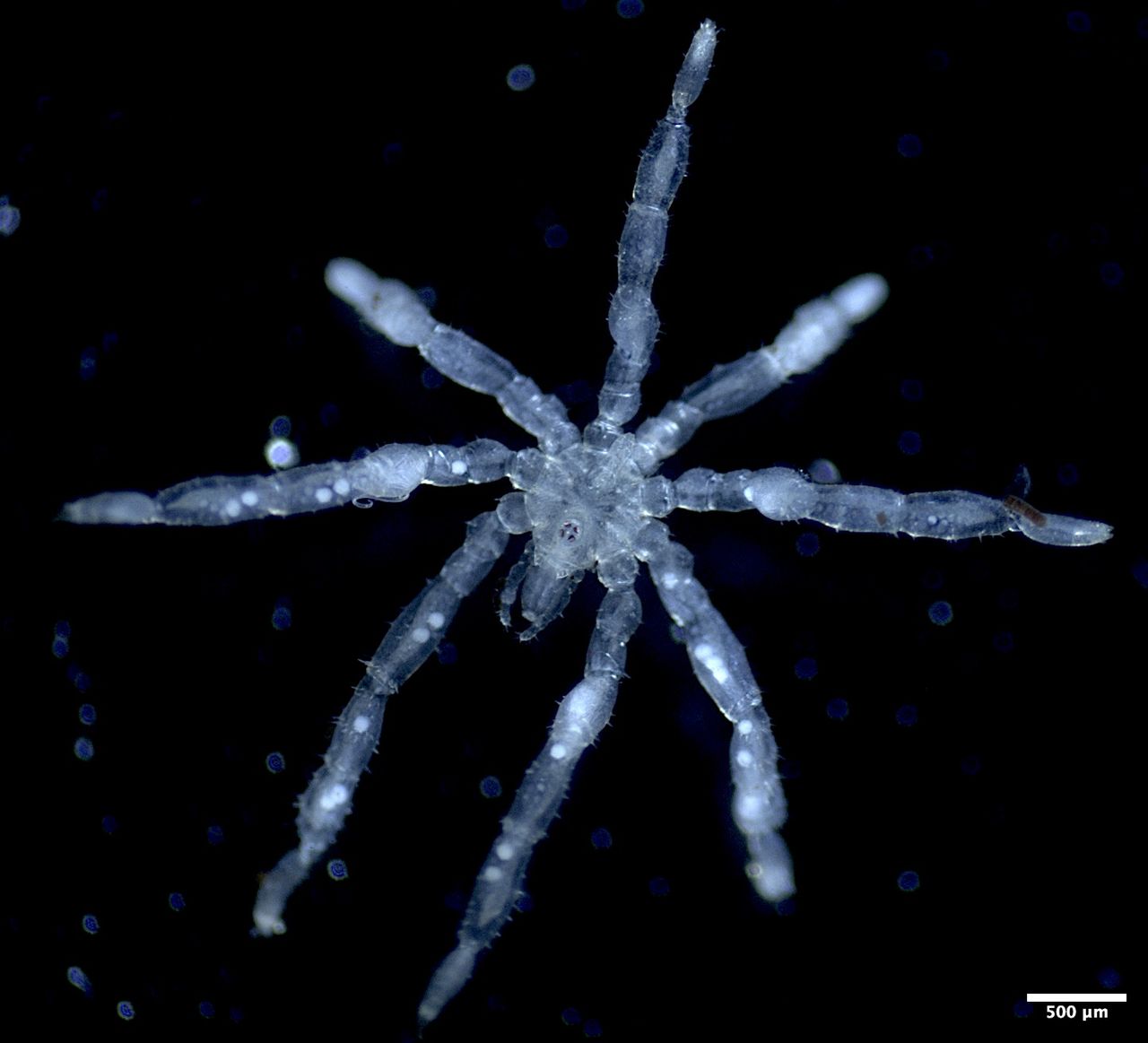
Researchers from the University of British Columbia have made a significant marine biological discovery in the waters off Canada's west coast, documenting two new species of sea spiders that represent the first such findings in the Salish Sea for almost a century. The marine arthropods, collected during field research conducted between September 2023 and August 2024, provide important new insights into the biodiversity of British Columbia's coastal ecosystems.
Distinctive physical characteristics
UBC's announcement about the findings included vivid descriptions of the creatures, particularly noting one species' potential to startle swimmers with its "tiny hairy feet tip-tapping their way higher and higher towards your face." Lead zoologist Cormac Toler-Scott emphasized the importance of the discovery, confirming these are the first new sea spider species identified in the region since scientific surveys began nearly 100 years ago. The researchers clarified that while these creatures bear superficial resemblance to spiders, they belong to a separate taxonomic class of marine arthropods with distinct evolutionary pathways.
The two species exhibit dramatically different morphological features. The first, scientifically named Callipallene pilosuspedes, derives its species name from Latin meaning "hairy feet" due to the long curved spines covering its lower legs. UBC researchers provided detailed observations of its physical traits including red eyes, a short proboscis equipped with claws for food grasping, and what they described as "a triangular, three-lipped mouth covered in sensory tendrils" reminiscent of fictional creatures from popular culture. This species also possesses specialized appendages used for self-grooming, an unusual feature among marine arthropods.
READ MORE: University of Manitoba researchers develop AI 'brain' for autonomous farm machinery
READ MORE: Three B.C. glaciers facing extinction within decades due to climate change, study warns
Evolutionary history and ecological roles
Sea spiders represent one of Earth's most ancient marine lineages, with fossil evidence suggesting they first evolved approximately 500 million years ago during the Cambrian period. They share distant evolutionary relationships with modern terrestrial arthropods including scorpions, spiders and horseshoe crabs, though they diverged along separate evolutionary paths early in their history. These marine creatures display remarkable size variation across species, ranging from specimens smaller than one centimeter to deep-sea varieties exceeding 70 centimeters in leg span.
"They've retained some weird traits," Toler-Scott noted about their biological adaptations. Many shallow-water species have developed parasitic lifestyles, using their specialized proboscis to extract nutrients from host organisms. This feeding method creates complex micro-ecosystems that the zoologist describes as "an ecosystem within an ecosystem within an ecosystem" - a phenomenon particularly observable in the second newly discovered species due to its unique biological characteristics.
Cultural and scientific significance of Tanystylum kiixin
The second newly identified species, Tanystylum kiixin (pronounced "kee-hin"), carries particular cultural significance as its name honors the Indigenous heritage of its discovery location near an ancient village site. Unlike its hairy-legged counterpart, this creature exhibits different physical attributes including smaller limbs and less effective grooming capabilities, often appearing covered in marine debris and microscopic parasites. Researchers suggest this characteristic makes each individual specimen a mobile microhabitat supporting other marine organisms.
Toler-Scott explained the naming decision reflects both scientific and cultural considerations: "It's important to acknowledge that we're working in territories with deep Indigenous history, and these discoveries contribute to our shared understanding of these ecosystems." The research team worked closely with local Indigenous communities to ensure appropriate recognition of traditional knowledge and place names associated with the discovery sites.
Research methodology and future directions
The specimens were collected from multiple marine locations including waters near Vancouver, Quadra Island, Bamfield and Victoria over twelve months of field research. Scientists employed specialized marine sampling equipment designed to gently collect the delicate creatures from their shallow-water habitats without causing damage. Following collection, the research team conducted detailed documentation of physical characteristics, observed behaviors and ecological relationships before formally registering both species in the World Register of Marine Species, the global biodiversity database.
"I only had one field season but there's definitely more diversity out there that we haven't documented," Toler-Scott said, suggesting British Columbia's coastal waters likely contain additional undiscovered species awaiting identification. The university's news release emphasized that despite their somewhat unsettling appearance to human observers, these marine creatures pose no threat to people and play important roles in their native ecosystems.
Evolutionary adaptations and marine biodiversity
Sea spiders continue to intrigue scientists due to their unusual anatomical features and evolutionary history. Their body structure differs fundamentally from terrestrial arthropods, with some species possessing extra leg pairs (up to 12 total) and unique circulatory systems that challenge conventional biological classifications. The proboscis feeding mechanism represents a highly specialized adaptation that has enabled these creatures to occupy diverse ecological niches across global marine environments.
Researchers hypothesize that the Salish Sea's distinctive oceanographic conditions - combining cold, nutrient-rich waters with varied underwater topography - may create ideal conditions for sea spider speciation. The discovery of two new species in such relatively accessible and well-studied waters underscores how much remains unknown about marine biodiversity, even in coastal regions adjacent to major population centers with extensive scientific infrastructure.
Conservation implications and indigenous collaboration
Beyond their value to basic scientific knowledge, these findings carry important implications for marine conservation policy and practice. The identification of new species in frequently visited waters suggests that even relatively accessible marine ecosystems may contain significant undiscovered biodiversity, reinforcing the need for comprehensive environmental protection measures. This research also demonstrates productive collaboration between Western scientific methods and traditional Indigenous knowledge systems, particularly through the naming conventions and cultural acknowledgment incorporated into the discovery process.
As climate change and human activities increasingly pressure marine ecosystems, thorough documentation of existing biodiversity becomes crucial for future conservation planning and ecological monitoring. The researchers note that their work provides baseline data that will help assess environmental changes over time while honoring the long-standing human connections to these marine environments through culturally sensitive naming and recognition practices.