Three B.C. glaciers facing extinction within decades due to climate change, study warns
A Simon Fraser University study reveals Whistler, Horstman, and Blackcomb glaciers could vanish completely due to decades of climate inaction, with the Whistler Glacier potentially disappearing within 10 years.
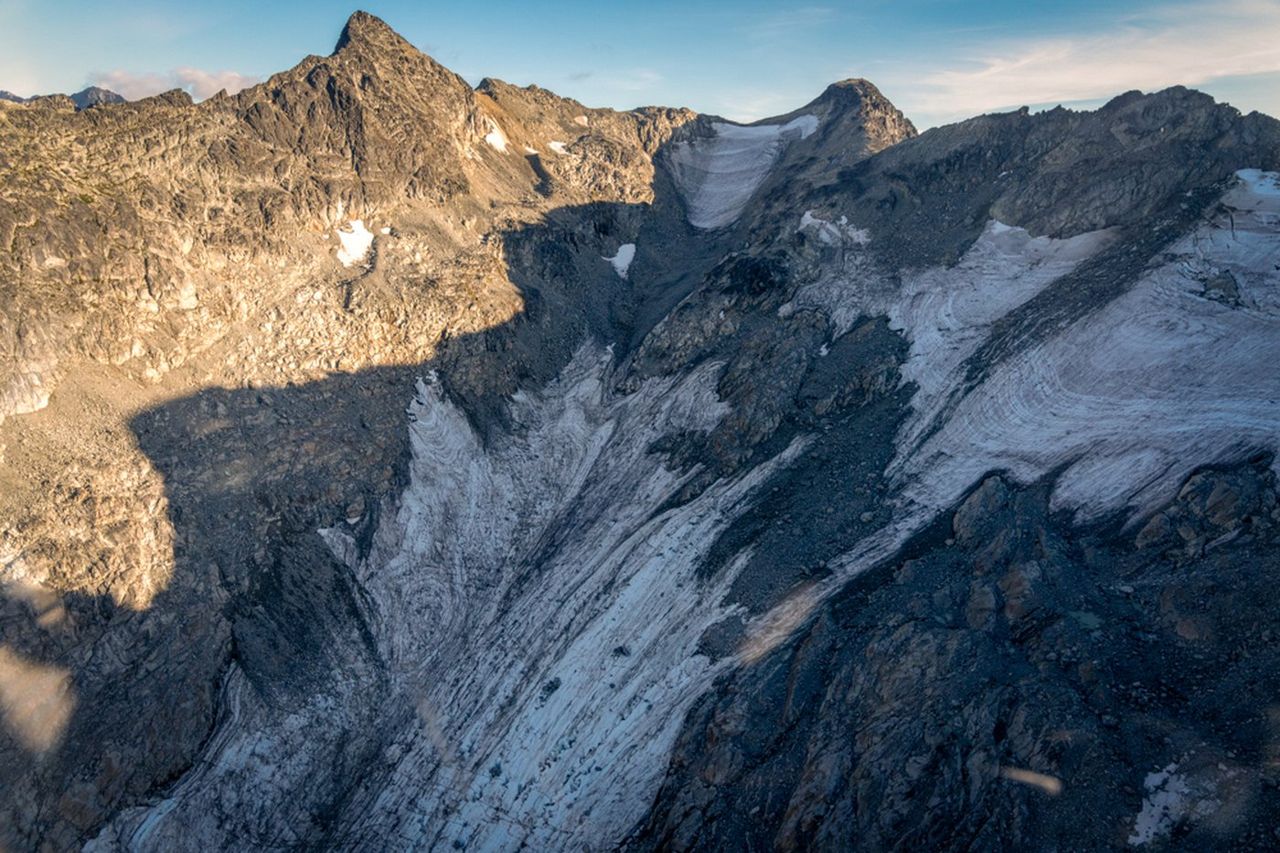
Three glaciers in British Columbia's southwest are rapidly approaching extinction due to decades of climate change, according to alarming new research from Simon Fraser University. The study, published in the journal Annals of Glaciology, provides detailed measurements showing how the Whistler, Horstman, and Blackcomb glaciers have dramatically retreated over the past half-century, with one potentially vanishing entirely within the next decade.
Catastrophic glacier retreat
The research documents unprecedented shrinkage across all three glaciers, with the Whistler Glacier showing the most severe decline. Analysis reveals this glacier has lost 95% of its area since the 1970s, leaving it fractured into three smaller ice masses that may no longer meet the scientific definition of a glacier. Lead researcher Chloé Monty explained that under some classifications, the Whistler Glacier has effectively already disappeared.
"Technically Whistler Glacier is a relict glacier," Monty said. "Has it disappeared? That depends on your definition. The question is really, when will it get to zero ice?"
The Horstman and Blackcomb glaciers show similarly concerning trends, having lost up to 75% of their area over the same 50-year period. Projections indicate these glaciers will likely disappear between three and seven decades from now if current climate patterns persist.
READ MORE: Deutsche Bank analysis warns UK Machine Gaming Duty hike could disproportionately impact Rank Group
READ MORE: Scientists discover two new species of sea spiders in B.C.'s Salish Sea
The climate change connection
Monty emphasized that these dramatic changes directly result from global climate change, though glaciers respond to atmospheric conditions with a significant time lag.
"Glaciers respond slowly to climate, so the changes that we're seeing now are reflecting the changes to the climate that have happened in the last several decades," Monty explained.This delayed response means current melting reflects historical emissions, suggesting further glacier loss is inevitable even with immediate climate action.
The study raises important questions about how scientists classify shrinking ice formations. As glaciers diminish below certain size thresholds, they may be reclassified as "ice patches," though researchers continue debating the precise terminology for these transitional formations.
Economic and recreational impacts
The disappearance of these glaciers has already significantly impacted British Columbia's winter sports industry. Both the Whistler and Horstman glaciers historically hosted summer ski camps, drawing athletes and enthusiasts to high-altitude training opportunities. However, summer skiing ceased on Whistler Glacier in the late 1990s as conditions deteriorated, and Whistler Blackcomb ski resort suspended summer operations on Horstman Glacier last year after offering the activity since the 1980s.
Monty noted that resorts are adapting appropriately to these environmental changes by developing alternative summer activities. Mountain biking has emerged as a popular replacement, helping maintain tourism revenue despite the loss of glacier skiing opportunities. This transition demonstrates how climate change is forcing businesses to rethink traditional recreational offerings.
Scientific methodology and definitions
The SFU research team employed rigorous measurement techniques to track glacier changes over time. They assessed coverage area to determine whether each formation still qualified as a glacier under scientific standards. The Whistler Glacier's dramatic shrinkage has already pushed it below these thresholds in the researchers' assessment, raising questions about when it will completely vanish.
Monty's team used historical image comparisons to document the glaciers' retreat, a method that revealed the shocking pace of change. These visual records provide compelling evidence of climate change's tangible impacts on British Columbia's mountainous regions.
Ecological and hydrological consequences
The disappearance of these glaciers carries significant implications beyond recreational impacts. Glaciers play crucial roles in local ecosystems and water cycles, serving as natural reservoirs that release water during dry periods. Their loss may disrupt seasonal water availability and affect downstream habitats.
As climate indicators, these shrinking glaciers demonstrate how rapidly environmental changes are occurring in Canada's mountainous regions. Their dramatic decline makes visible the often-invisible process of global warming, providing concrete evidence of climate change's accelerating impacts.
A call for climate action
The study ultimately underscores the urgent need for climate mitigation efforts. While these particular glaciers may be beyond saving, Monty's research demonstrates that decisions made today about carbon emissions will determine whether larger glaciers survive for future generations. The findings add to growing scientific evidence that immediate, substantial reductions in greenhouse gas emissions are necessary to prevent more widespread glacial losses.
As visible climate change indicators with delayed responses to atmospheric conditions, these shrinking glaciers serve as powerful reminders that the window for meaningful action is closing. Their rapid decline shows that climate change isn't a distant threat, it's actively reshaping British Columbia's landscape today, with consequences that will reverberate through ecosystems, water systems, and local economies.
Broader implications for glacier conservation
While the study confirms these three glaciers are likely beyond saving, Monty stressed that meaningful climate action could still preserve larger glaciers in Canada and worldwide.
"There's nothing that can be done to save those glaciers from extinction but it's not too late to prevent the larger glaciers in B.C. and Canada from disappearing," she said.
The research serves as both a warning and a call to action. Monty emphasized that reducing carbon emissions remains crucial to preventing more extensive glacier losses and mitigating sea level rise from melting ice sheets.
"This is definitely a very sad story," Monty acknowledged. "But it doesn't mean that there aren't things that we can do to reduce our carbon emissions now that would help prevent the loss of bigger glaciers."
Future projections and adaptation
The study's projections paint a grim picture for these three glaciers, with the Whistler Glacier potentially disappearing within 10 years and the others following within decades. This timeline highlights how quickly climate change is transforming mountain landscapes that have remained relatively stable for centuries.
Monty's comments about adaptation strategies for tourism operators suggest that while some climate impacts are unavoidable, proactive planning can help communities adjust. The shift from glacier-dependent activities like summer skiing to alternatives such as mountain biking demonstrates how businesses can evolve with changing environmental conditions.