Keystone Pipeline
The Keystone Pipeline System is a major oil pipeline network transporting crude oil from Alberta, Canada, to refineries and distribution hubs in the midwestern and southern United States. Originally commissioned in 2010 and owned by TC Energy, its liquids pipeline business was spun off into a separate publicly traded company named South Bow, effective October 1, 2024. The system is significant to Canada for its role in exporting Canadian oil sands production to key U.S. markets, influencing energy security, trade, and economic relations between the two nations. Its proposed Keystone XL expansion became a prolonged and highly contentious environmental and political issue, symbolizing the broader debate over fossil fuel infrastructure and climate change.
System Description and Phases
The Keystone Pipeline System is an integrated network designed to transport crude oil from the Western Canadian Sedimentary Basin. The operational infrastructure consists of three completed phases, with a fourth, the Keystone XL, having been proposed and subsequently abandoned before a new proposal emerged. Phase I became operational in June 2010, running 3,456 kilometres from Hardisty, Alberta, to Steele City, Nebraska, with extensions to the Wood River Refinery and Patoka Oil Terminal Hub in Illinois. This initial phase involved converting approximately 864 kilometres of existing natural gas pipeline in Saskatchewan and Manitoba to crude oil service and constructing 373 kilometres of new pipeline. The system includes numerous pump stations and terminals, with pipeline diameter primarily at 30 inches and a minimum ground cover of 1.2 metres.
Phase II, known as the Keystone-Cushing extension, was completed in February 2011. It added a 468-kilometre segment from Steele City, Nebraska, to a major tank farm in Cushing, Oklahoma, a crucial crude oil marketing and pipeline hub. This phase also included 11 new pump stations, increasing the system's total capacity to 590,000 barrels per day. The Gulf Coast Extension, or Phase III, was completed on January 22, 2014, adding a 784-kilometre pipeline from Cushing, Oklahoma, to refineries in Port Arthur and Nederland, Texas. This phase boosted the system's capacity to deliver up to 700,000 barrels per day to Texas Gulf Coast refineries, with a lateral to Houston, Texas, completed and online by 2017. The proposed Keystone XL Pipeline, designated as Phase IV, was a distinct expansion project. It was designed to transport up to 830,000 barrels per day, combining Canadian oil sands production with American light crude from the Bakken formation in Montana and North Dakota. The key components and capacities of the system phases are detailed in the following table.
| Phase | Route Segment | Status | Capacity (barrels/day) |
|---|---|---|---|
| Phase I | Hardisty, AB to Steele City, NE & Illinois | Operational (2010) | Part of 590,000 total |
| Phase II | Steele City, NE to Cushing, OK | Operational (2011) | Increased system to 590,000 |
| Phase III | Cushing, OK to Nederland, TX | Operational (2014) | 700,000 |
| Phase IV (XL) | Hardisty, AB to Steele City, NE | Proposed/Abandoned | 830,000 |
If fully completed, the Keystone XL would have increased the total system capacity to approximately 1.1 million barrels per day. The original Keystone Pipeline system cost an estimated US$5.2 billion to construct. From January 2018 through the end of 2019, development costs specifically for the Keystone XL project were reported at $1.5 billion. The U.S. portion of the initial Keystone Pipeline included 1,744 kilometres of new 30-inch pipeline across six states: North Dakota, South Dakota, Nebraska, Kansas, Missouri, and Illinois.
Ownership and Corporate History
The Keystone Pipeline System was conceived and developed by the Calgary based TransCanada Corporation, which proposed the project in 2005. The corporate ownership structure has evolved through several key transactions and a major corporate restructuring. In January 2008, ConocoPhillips acquired a 50 percent stake in the project, providing significant early investment. TransCanada later bought out ConocoPhillips' shares in 2009, reverting to sole ownership and consolidating control over the project's development and financing.
In May 2019, reflecting its expanding operations across North America, TransCanada Corporation changed its name to TC Energy Corporation. The company's business extends beyond Canada into the United States and Mexico, encompassing pipelines, power generation, and energy storage. A major corporate change occurred on October 1, 2024, when TC Energy completed the spin off of its liquids pipeline business, which included the Keystone system, into a separate publicly traded company named South Bow. Since that date, South Bow has been the owner of the Keystone Pipeline System, while TC Energy retained its other energy infrastructure assets. The project received its initial approval from Canada's National Energy Board in 2007, and the operator remains TransCanada Keystone Pipeline GP Ltd.
Regulatory and Political Timeline
The project's history is marked by a complex series of regulatory approvals, legal challenges, and shifting political directives in both Canada and the United States. Canada's National Energy Board, replaced in 2019 by the Canadian Energy Regulator, approved the construction of the Canadian section of the pipeline on September 21, 2007. In the United States, the Department of State issued a Presidential Permit for border facilities under President George W. Bush on March 17, 2008. The operational Phase I began delivering oil in June 2010 after years of permit acquisition and two years of construction. The South Dakota Public Utilities Commission granted a permit in late 2009, and the National Energy Board gave its final approval in March 2010.
The Keystone XL proposal, introduced in June 2008, initiated over a decade of controversy. Key milestones in its turbulent history include:
- November 2011: The U.S. Department of State postponed a final decision to investigate alternative routes in Nebraska.
- November 6, 2015: The Obama administration rejected the Keystone XL project, citing economic and environmental concerns.
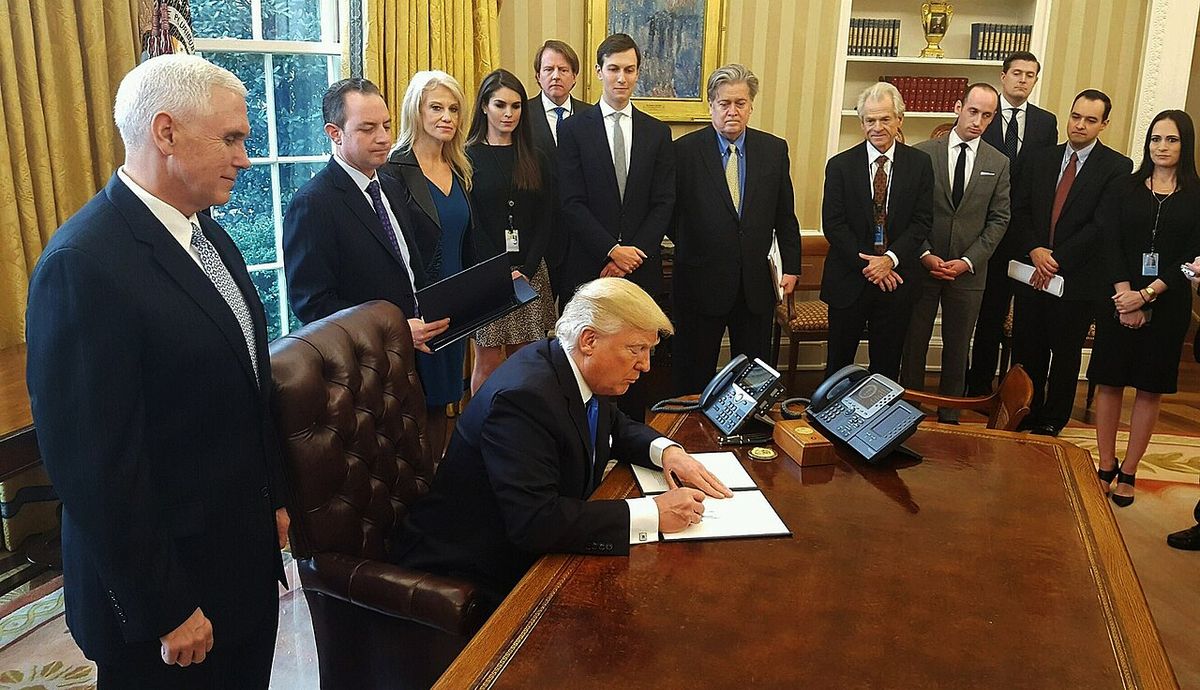
- January 24, 2017: President Donald Trump signed a memorandum to revive the project in his first week in office.
- March 24, 2017: President Trump signed a new presidential permit for Keystone XL.
- November 2017: The Nebraska Public Service Commission approved an alternative route for the pipeline.
- January 20, 2021: President Joe Biden revoked the Keystone XL permit via executive order.
- June 9, 2021: TC Energy formally abandoned plans for the Keystone XL Pipeline.
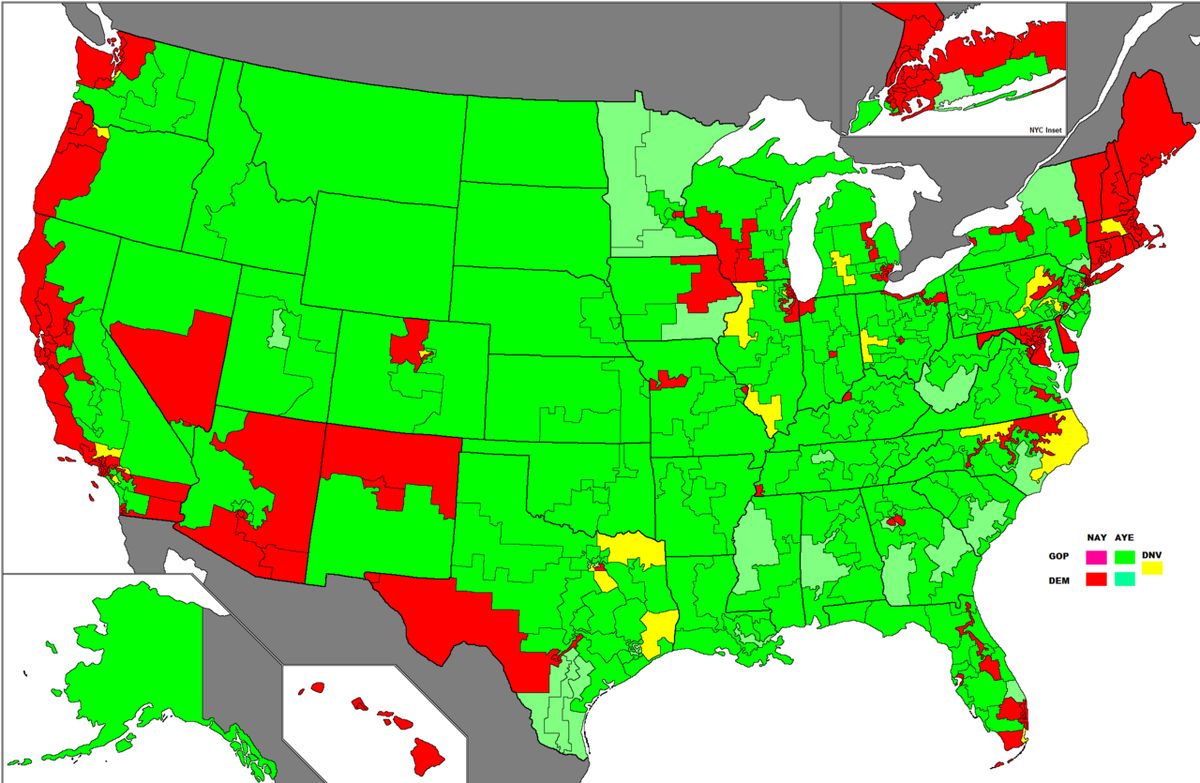
Legal battles were constant. In November 2018, U.S. District Judge Brian Morris enjoined construction and vacated the 2017 permit, a ruling later appealed. In March 2020, Alberta Premier Jason Kenney announced the provincial government was taking an equity stake and providing a loan guarantee totaling just over $7 billion to support the project. Despite TC Energy CEO Russ Girling announcing construction would proceed on March 31, 2020, U.S. courts continued to issue suspensions. The Supreme Court of the United States ordered all Keystone XL work halted on July 6, 2020, in the case US Army Corps of Engineers v. Northern Plains Resource Council. Earlier legislative attempts saw the U.S. House of Representatives pass an approval bill in November 2014, but it was rejected by the Senate, and a second bill passed in January 2015 was vetoed by President Obama in February 2015.
Environmental and Safety Record
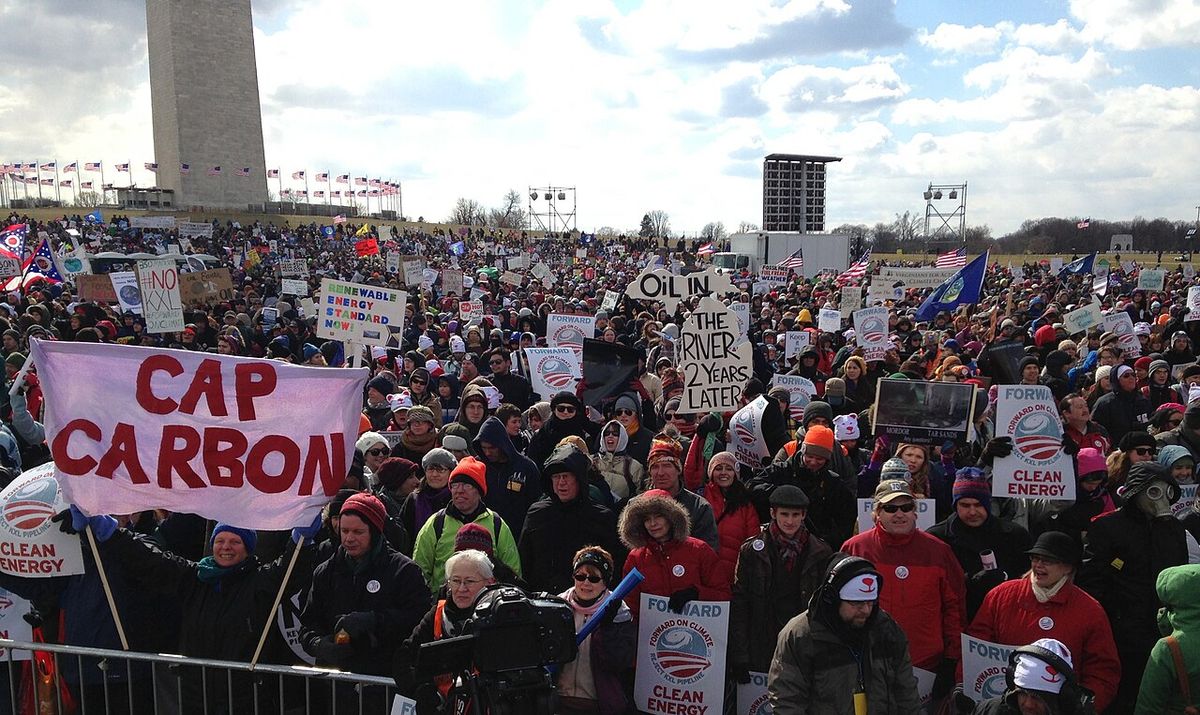
The Keystone Pipeline System has been a focal point for environmental concerns and has experienced several operational incidents. Opposition from environmental groups centred on the potential for increased greenhouse gas emissions from oil sands development, risks to sensitive ecosystems, and the potential for spills. The proposed XL route through Nebraska's Sandhills region and over the Ogallala Aquifer was particularly contentious, leading to extensive route studies and the eventual selection of an alternative path by Nebraska regulators. In response to 2011 concerns, TransCanada studied fourteen different routes, including eight in Nebraska, with one alternative designed to avoid the Sandhills and aquifer entirely.
The pipeline's safety record includes a number of leaks since its inception. The Pipeline Hazardous Materials and Safety Administration (PHMSA) issued a Corrective Action Order to TransCanada on June 3, 2011, for leaks that occurred in May of that year. Significant incidents followed:These incidents fueled ongoing debates about pipeline safety and spill response preparedness. The U.S. Environmental Protection Agency criticized an early draft environmental impact study in July 2010 for neglecting concerns about oil spill response plans and greenhouse gas emissions. The final environmental impact report from August 2011 stated the pipeline would pose no significant impacts to most resources if protections were followed, but acknowledged significant adverse effects to certain cultural resources.
On November 3, 2015, U.S. Secretary of State John Kerry determined that the Keystone XL project was not in the public interest. He found there was a perception the project would increase greenhouse gas emissions and that the decision would undercut the credibility and influence of the United States in climate change negotiations. Following a leak in South Dakota in November 2017, TransCanada worked with the Pipeline Hazardous Materials and Safety Administration to determine the structural cause of that failure. Earlier, the U.S. Department of State's January 2014 Final Supplemental Environmental Impact Statement had concluded that broader market dynamics and options for crude oil transport meant the proposed project was unlikely to substantially alter upstream or downstream activities whether it was built or not.
Economic and Employment Impact
The economic rationale for the Keystone Pipeline has been debated by proponents who emphasize energy security, job creation, and market access, and opponents who question its necessity and long term value. Proponents argued the pipeline would create thousands of construction jobs and provide a stable export route for Canadian crude. A March 2017 Angus Reid Institute poll showed 48 percent of Canadians supported reviving the Keystone XL project, with noted positive impacts from support by Alberta's NDP government and the federal Liberal government under Prime Minister Justin Trudeau. At a CERAWeek conference in Houston that month, Trudeau and Alberta Premier Rachel Notley promoted the project.
Critics, including labour and environmental groups, challenged these claims. In October 2007, the Communications, Energy and Paperworkers Union of Canada asked the federal government to block approvals, arguing the pipeline would create few permanent Canadian jobs, reduce energy security, and hinder investment in the Canadian energy sector. A September 2011 report by the Cornell ILR Global Labor Institute evaluated the pipeline's impact on employment, the environment, and the economy. The U.S. Department of State's January 2014 Final Supplemental Environmental Impact Statement concluded that broader market dynamics meant upstream and downstream activities were unlikely to be substantially different whether or not the Keystone XL was built.
Market factors also evolved. By 2015, innovations in fracking had increased U.S. domestic oil production, reducing demand for foreign oil to an all time low since 1985. Shifts to gasoline for cargo vehicles, new technologies promoting fuel efficiency, and export restrictions that reduced the price of oil were cited by the Obama administration as factors weakening the project's economic imperative when it was rejected in November 2015. In 2013, the first two phases delivered up to 590,000 barrels per day, which was a significant volume though less than the 9.4 million barrels per day averaged by U.S. petroleum production in the first half of 2015.
Recent Developments and Future
Following the abandonment of the original Keystone XL plan in June 2021, the project entered a new chapter with a revised proposal under a subsequent U.S. administration. On April 30, 2026, President Donald Trump signed an executive order restarting a pipeline expansion described as between South Bow Pipeline and Bridger Pipeline. This new proposal involved a slightly altered 1,038 kilometre route intended to avoid previous environmental concerns, with a revised endpoint at Guernsey, Wyoming. This development signalled a potential revival of the expansion concept under the pipeline's new corporate owner, South Bow. On August 18, 2026, President Trump posted on Truth Social that the Keystone XL Pipeline plan may come back, indicating continued political support.
The ownership transition to South Bow on October 1, 2024, marked a significant corporate restructuring, separating the liquids pipeline business from TC Energy's broader portfolio. This move could allow for more focused management and investment in the existing Keystone system and any future expansions. The operational Keystone Pipeline System continues to transport substantial volumes of crude oil, with Phases I through III delivering Canadian oil to key U.S. refining centres. The system remains a critical piece of North American energy infrastructure, subject to ongoing operational oversight, market forces, and political directives. The project's history demonstrates the intense scrutiny applied to cross border energy infrastructure, involving multiple levels of government, courts, and public opinion in both nations. The future of any new expansion will depend on sustained regulatory approvals, legal outcomes, and the economic viability of transporting Canadian crude oil to U.S. Gulf Coast markets.
Questions about Keystone Pipeline
What is the current route of the Keystone Pipeline?
The operational Keystone Pipeline runs from Hardisty, Alberta, in Canada to multiple destinations in the United States. The mainline travels through Saskatchewan, Manitoba, North Dakota, South Dakota, and Nebraska to Steele City, Nebraska. From there, one branch extends to refinery hubs in Wood River and Patoka, Illinois. Another segment runs from Steele City to Cushing, Oklahoma, and a third, Phase III, continues from Cushing south to refineries in Port Arthur and Nederland, Texas, with a lateral connection to Houston. The system also includes the Keystone Hardisty Terminal in Alberta and delivery facilities in Illinois.
Why was the Keystone XL Pipeline cancelled?
The original Keystone XL Pipeline project faced numerous regulatory and legal hurdles and was ultimately cancelled. President Joe Biden revoked its presidential permit on January 20, 2021, fulfilling a campaign promise. Facing continued legal uncertainty and changing market conditions, TC Energy formally abandoned its plans for the Keystone XL Pipeline on June 9, 2021. The project had been previously rejected by the Obama administration in 2015 over environmental and economic concerns, including the perception it would increase greenhouse gas emissions and was not in the U.S. national interest.
How much oil can the Keystone Pipeline carry?
The combined capacity of the operational phases of the Keystone Pipeline System is significant. Phases I and II together have the capacity to deliver up to 590,000 barrels of oil per day to Midwest refineries and the Cushing, Oklahoma hub. The separate Gulf Coast Extension, Phase III, has the capacity to deliver up to 700,000 barrels per day to refineries in Texas. The proposed but cancelled Keystone XL would have added capacity for 830,000 barrels per day, which would have increased the total system capacity to approximately 1.1 million barrels per day.
Has the Keystone Pipeline had any spills?
Yes, the Keystone Pipeline has experienced several spills since it began operations. Notable incidents include a leak in May 2011 that led to a federal Corrective Action Order, a 16,800 US gallon leak in South Dakota in April 2016, and a larger spill of approximately 9,700 barrels in Marshall County, South Dakota, in November 2017. These incidents have been managed by the operator under the oversight of the Pipeline Hazardous Materials and Safety Administration. The pipeline restarted at reduced pressure after the April 2016 leak following regulator approval of corrective actions.
Is the Keystone XL project being revived?
A new proposal for a pipeline expansion under the Keystone name emerged in 2026. On April 30, 2026, President Donald Trump signed an executive order restarting an expansion described as between South Bow Pipeline and Bridger Pipeline. This plan involves a new 1,038 kilometre route, slightly altered to address previous environmental concerns, and would end at Guernsey, Wyoming. This indicates a potential revival effort under the pipeline's new corporate ownership, though it remains a distinct proposal from the previously cancelled Keystone XL route. President Trump later suggested the Keystone XL plan may come back in an August 2026 social media post.
Who owns the Keystone Pipeline now?
The Keystone Pipeline System is now owned by South Bow, effective October 1, 2024. This ownership change resulted from TC Energy's spin off of its liquids pipeline business into a separate publicly traded company. The pipeline system continues to be operated by TransCanada Keystone Pipeline GP Ltd. Prior to this restructuring, the pipeline was owned by TC Energy, which was originally named TransCanada Corporation. The system runs from the Western Canadian Sedimentary Basin in Alberta to refineries in Illinois and Texas, and also to Cushing, Oklahoma.
Sources and further reading
- Keystone Pipeline (Wikipedia)
- Pipeline Project, Keystone XL (alberta.ca)
- Keystone Pipeline Profile (apps.cer-rec.gc.ca)
- Our business (tcenergy.com)
- Resurrected Keystone pipeline would be great news for ... (fraserinstitute.org)
Checked by the Yadude Books desk. Last updated 2026-10-21.