Loews Cineplex Entertainment
Loews Cineplex Entertainment was a major North American movie theatre chain with a significant historical footprint in Canada. Originally founded in 1904 as Loew's Theatres by Marcus Loew, the company evolved through numerous ownership changes, including periods under Sony Pictures and Universal Studios. Its 1998 merger with the Canadian-based Cineplex Odeon Corporation created a dominant exhibition force across the continent, operating under various banners like Cineplex Odeon and Magic Johnson Theatres. Following a 2001 bankruptcy and subsequent restructuring, its Canadian operations were merged into what is now Cineplex Entertainment, while its U.S. assets were ultimately absorbed by AMC Theatres, which phased out the Loews name in 2017.
Founding and Early Expansion
Entrepreneur Marcus Loew established Loew's Theatres Incorporated in Cincinnati, Ohio, in 1904, beginning with a chain of nickelodeon theatres that showed short silent films in storefront locations. The company quickly expanded beyond these modest beginnings, opening vaudeville houses and grand movie palaces across the United States. Its primary concentration of theatres was in East Coast and Midwestern cities, establishing a strong regional presence. To ensure a steady supply of films for his growing exhibition network, Loew orchestrated the merger that formed Metro-Goldwyn-Mayer (MGM) in 1924, combining Metro Pictures, Goldwyn Pictures, and Louis B. Mayer Productions. For decades, Loew's Incorporated served as the distribution arm and parent company for the MGM studio, creating a powerful vertical integration in the film industry.
This integrated structure was forcibly dismantled following the landmark 1948 United States Supreme Court ruling in United States v. Paramount Pictures, Inc., which mandated the separation of film production and exhibition. The official corporate split between Loew's Theatres and MGM occurred in 1959. In that same year, control of the theatre chain was acquired by the Tisch brothers, Robert and Laurence, who renamed the company Loews. Under their holding company, Loews Corporation, the theatre division became one part of a broader portfolio that later specialized in hotels and insurance, setting the stage for the chain's eventual sale.
Corporate Ownership Changes
Loews Corporation sold Loews Theatres to a group led by A. Jerrold Perenchio for $160 million in July 1985. Just over a year later, in October 1986, Tri-Star Pictures entered an agreement to acquire the chain for $300 million, closing the deal that December. This acquisition placed the theatres under the corporate umbrella of a major Hollywood studio. The chain's corporate parent changed again in 1987 when Tri-Star merged with Columbia Pictures, forming Columbia Pictures Entertainment. When Sony purchased Columbia Pictures Entertainment from Coca-Cola in 1989, it inherited the Loews theatre circuit.
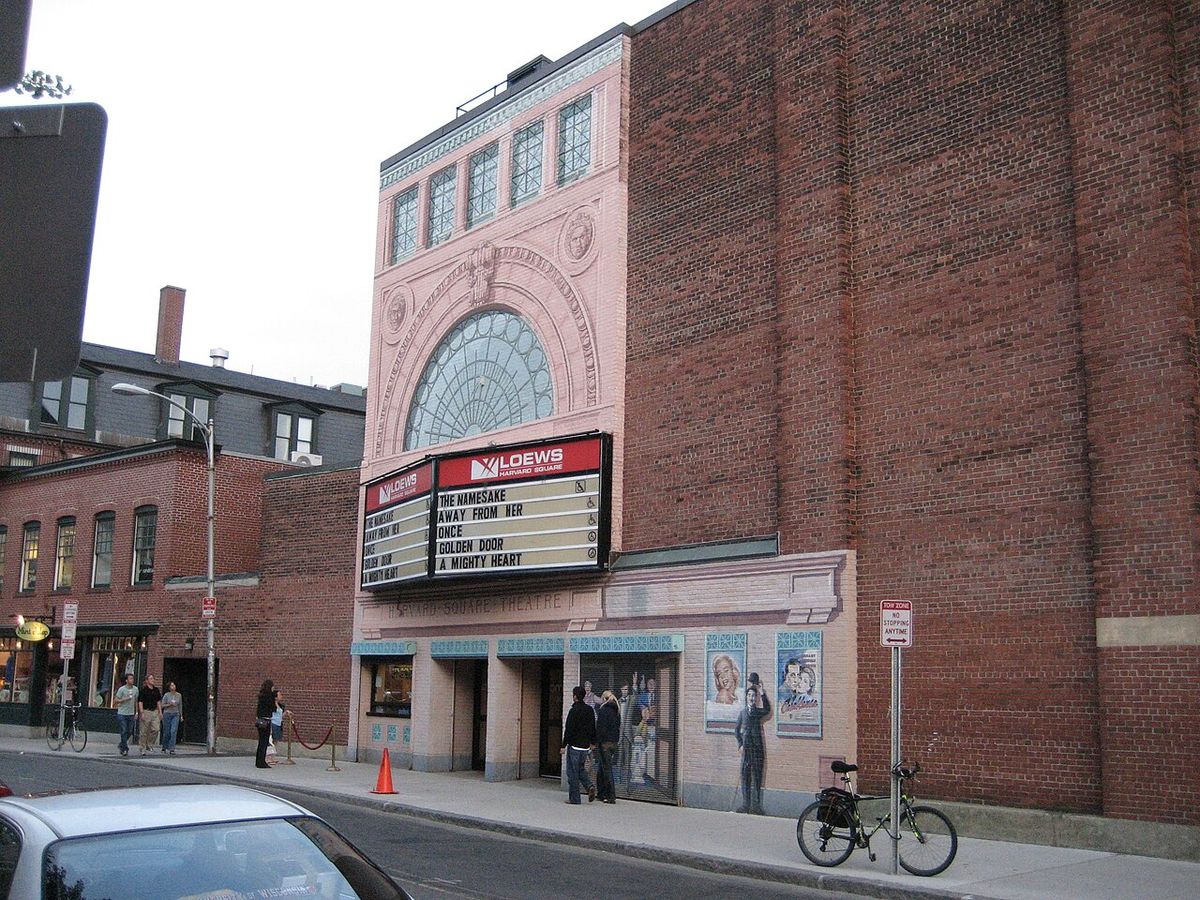
Under Sony's ownership, the chain was briefly renamed Sony Theatres in April 1994. The company also installed its proprietary Sony Dynamic Digital Sound systems in several locations to promote its cinema technology division. By October 1996, the chain began reverting to the Loews Theatres name, signalling a move away from direct studio branding. The most significant shift came in 1998 when Loews Theatres merged with the Canadian exhibition giant Cineplex Odeon Corporation in a $1 billion deal, approved by the U.S. Department of Justice in April and completed later that year.
Formation of Loews Cineplex Entertainment
The 1998 merger between Loews Theatres and Cineplex Odeon Corporation created Loews Cineplex Entertainment, a new joint venture co-owned by Sony Pictures and Universal Studios. The combined entity operated a vast international circuit of theatres across the United States, Canada, Mexico, South Korea, and Spain. To comply with regulatory concerns and focus on exhibition, the new company promptly sold its newly acquired Canadian film distribution subsidiary, Cineplex Odeon Films, to Alliance Atlantis. The merger brought together several well-known regional brands under one corporate roof, including the original Loews Theatres, Cineplex Odeon, Star Theatres, and the newly formed Magic Johnson Theatres.
As part of its bankruptcy restructuring, the company closed 46 theatres across North America. This included 21 Loews theatres in the United States and 25 Cineplex Odeon theatres in Canada. The company had declared Chapter 11 bankruptcy in 2001. This period of instability led to another change in ownership. The founding studios, Sony and Universal, sought to exit the exhibition business.
Bankruptcy, Restructuring, and Dissolution
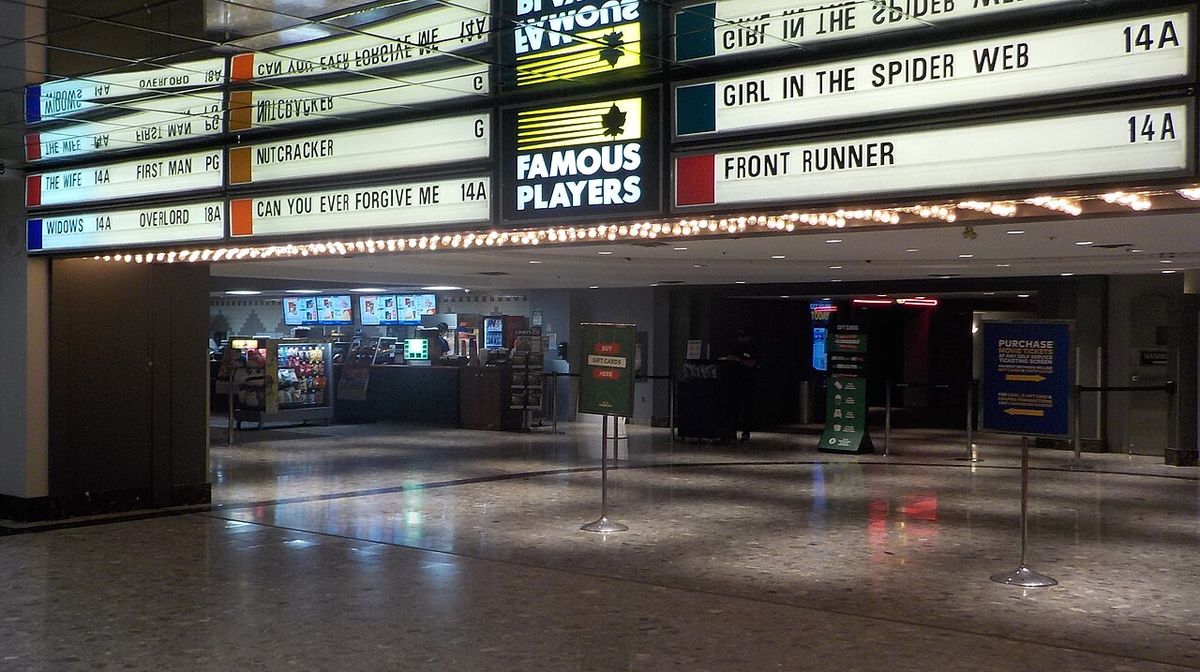
Following the 2001 bankruptcy, investment firms Onex Corporation and Oaktree Capital Management acquired Loews Cineplex from Sony and Universal in 2002 and prepared the company for an initial public offering. In 2004, this investor group sold the U.S. operations to a private consortium that included the Carlyle Group and Bain Capital. Onex Corporation retained the Canadian division of Loews Cineplex, separating it from the U.S. business. In 2003, Onex merged these Canadian assets with Galaxy Cinemas to form the Cineplex Galaxy Income Fund, which later evolved into the modern Cineplex Entertainment, Canada's dominant theatre chain. The fate of the U.S. operations was sealed in 2005 when AMC Theatres announced a merger with Loews Cineplex Entertainment, a deal finalized on January 26, 2006.
The merged entity adopted the AMC name, and at the time of the merger, Loews operated 198 theatres containing 2,235 screens. Many of these locations were temporarily rebranded as AMC Loews during a transition period. The Loews name was maintained in the market for over a decade but was ultimately phased out by AMC in 2017 as part of a broader brand simplification following AMC's acquisition of Carmike Cinemas. The company reorganized its theatres into three core divisions: AMC, AMC Classic, and AMC Dine-In, marking the end of the Loews Cineplex brand.
Operations and Theatre Brands
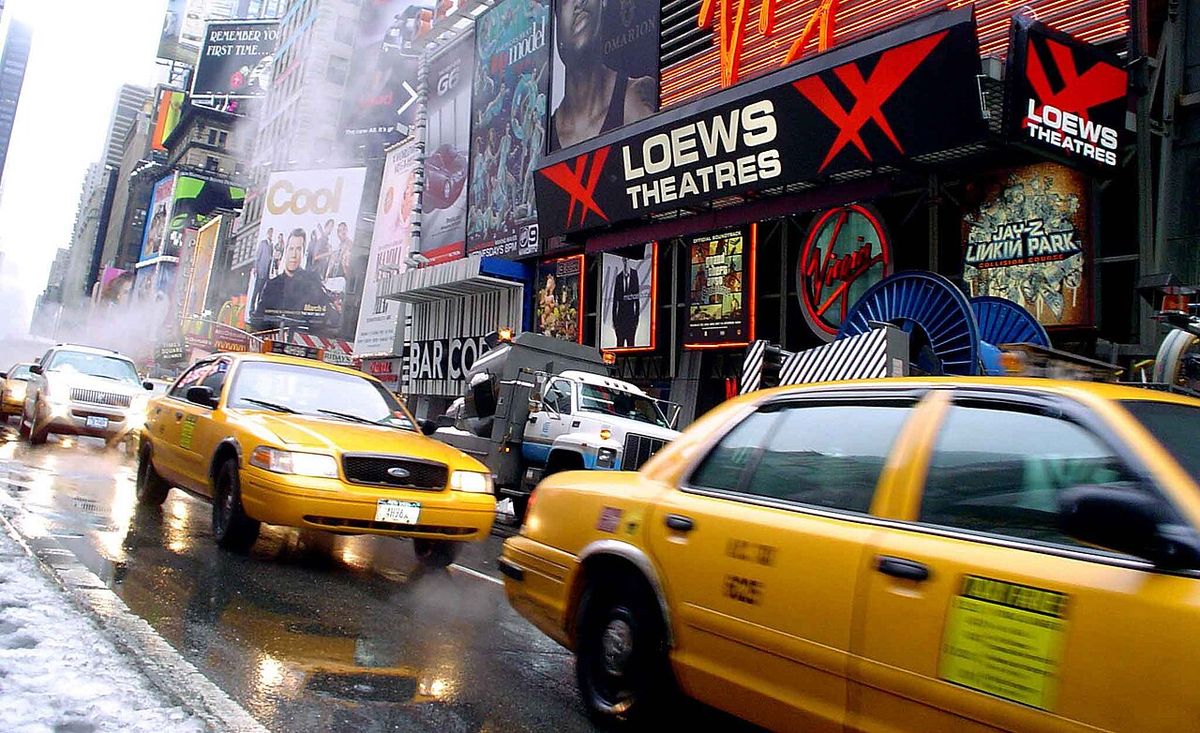
Throughout its history, the company operated theatres under a diverse array of brand names that reflected its various ownership eras and regional market strategies. The flagship name was Loews Theatres, which was used from the chain's inception until its final phase-out in 2017. The 1998 merger brought the prominent Canadian brand Cineplex Odeon into the fold, a name with deep roots in the Canadian exhibition market. Other notable banners included Star Theatres, Magic Johnson Theatres, and, through international operations, Cinemex in Mexico and MEGABOX in South Korea. The company maintained dual corporate offices in New York City and Toronto, highlighting its binational operational focus during the Loews Cineplex Entertainment era.
The chain operated theatres under several brand names including Loews Theatres and Cineplex Odeon. It operated a mix of theatre types from its early history. Its geographic reach at its peak extended beyond North America. The company had holdings in the United States, Canada, South Korea, Spain, and Mexico. The parent company used this to promote Sony's cinema sound division. That sound division eventually shut down in 2002.
Key Acquisitions and Screen Growth
Following Tri-Star's purchase of the chain, an aggressive growth plan was announced in May 1987. This plan was executed through several major purchases, including the acquisition of USA Cinemas Inc. with 325 screens for $165 million in early 1988. Later that same year, Loews bought 48 screens in the Washington, D.C., area from Roth Enterprises and acquired M&R Theatres with 70 screens in the Chicago area. The chain also purchased JF Theatres, Inc., which added 66 screens in the Baltimore area, significantly increasing its market density in key regions.
- In January 1988, Columbia agreed to acquire USA Cinemas Inc., which operated 325 screens, for $165 million, closing the deal in March.
- Later in 1988, Loews purchased 48 screens in the Washington, D.C., area from Roth Enterprises.
- Also in 1988, the chain acquired M&R Theatres, which had 70 screens in the Chicago area.
- Another 1988 acquisition was JF Theatres, Inc., adding 66 screens in the Baltimore area.
Acquisitions and new theatre construction significantly increased the chain's screen count. For example, in 1988 Loews bought many screens in the Washington, D.C., Chicago, and Baltimore areas. The scale of the company is further illustrated by its footprint at the time of its final merger. At the time of its merger with AMC Theatres, Loews operated 198 theatres with 2,235 screens. The table below shows the screen count and number of theatres for Loews Cineplex Entertainment in its final independent year.
This substantial size made Loews Cineplex an attractive merger partner for AMC Theatres. AMC Theatres announced it would merge with Loews Cineplex Entertainment in 2005. The merged company adopted the AMC name. This merger created one of the world's largest theatre chains at the time. Many theatres were initially rebranded as AMC Loews.
Questions about Loews Cineplex Entertainment
What happened to Loews movie theatres in Canada?
The Canadian operations of Loews Cineplex Entertainment were separated from the U.S. business following the 2001 bankruptcy. In 2003, the Canadian investment firm Onex Corporation, which had acquired the chain, merged the Canadian Loews Cineplex assets with Galaxy Cinemas to form the Cineplex Galaxy Income Fund. This entity later became Cineplex Entertainment, which is now the largest movie theatre chain in Canada. Many former Loews and Cineplex Odeon locations across Canada continue to operate under the Cineplex brand today.
When did AMC buy Loews Cineplex?
AMC Theatres announced its merger with Loews Cineplex Entertainment in 2005. The merger was officially completed on January 26, 2006. The combined company operated under the AMC name, though many former Loews locations were temporarily branded as AMC Loews for a transition period. AMC ultimately phased out the Loews name entirely in 2017 as part of a company-wide brand consolidation following its acquisition of Carmike Cinemas.
Why did Loews Cineplex go bankrupt?
Loews Cineplex Entertainment filed for Chapter 11 bankruptcy protection in 2001. The filing was driven by heavy debt loads from its expansion and mergers, including the costly 1998 merger with Cineplex Odeon. Changing market conditions and increased competition also contributed to its financial distress. As part of its bankruptcy restructuring, the company closed 46 underperforming theatres across North America, which included 21 Loews theatres in the United States and 25 Cineplex Odeon theatres in Canada.
What was the connection between Loews and MGM?
Loews Theatres and Metro-Goldwyn-Mayer (MGM) were originally part of the same corporate structure. Founder Marcus Loew created MGM in 1924 to produce films for his theatre chain. Loew's Incorporated served as the parent company and distribution arm for MGM for decades. This vertical integration was broken up by the 1948 Paramount antitrust decree. The two companies were officially separated in 1959, the same year the Tisch brothers acquired the theatre chain, which was then renamed Loews.
Who owned Loews Cineplex before AMC?
Before its merger with AMC, Loews Cineplex Entertainment had a complex ownership history. It was originally a joint venture between Sony Pictures and Universal Studios formed after the 1998 merger with Cineplex Odeon. Following the 2001 bankruptcy, it was acquired by the investment firms Onex Corporation and Oaktree Capital Management in 2002. In 2004, a private investor group including the Carlyle Group and Bain Capital purchased the U.S. operations from Onex and Oaktree, owning it until the AMC merger in 2006.
What were Magic Johnson Theatres?
Magic Johnson Theatres was a mini chain of movie theatres specifically geared toward inner city communities. It was formed on April 27, 1994, as a partnership between Sony Theatres, the then owner of Loews, and basketball player Magic Johnson. The concept was part of the company's operations during the period when it was owned by Sony Pictures Entertainment. This brand was one of several operated by Loews Cineplex Entertainment, reflecting different ownership periods and regional markets. Other brands under the company included Loews Theatres, Cineplex Odeon, Star Theatres, Cinemex, and MEGABOX. The theatres operated under the Loews Cineplex umbrella until the company's various mergers and eventual rebranding.
Sources and further reading
- Loews Cineplex Entertainment (Wikipedia)
- Loews Cineplex Entertainment (avid.wiki)
- Loews Cineplex Entertainment, Products, Competitors, ... (cbinsights.com)
Checked by the Yadude Books desk. Last updated 2026-11-06.