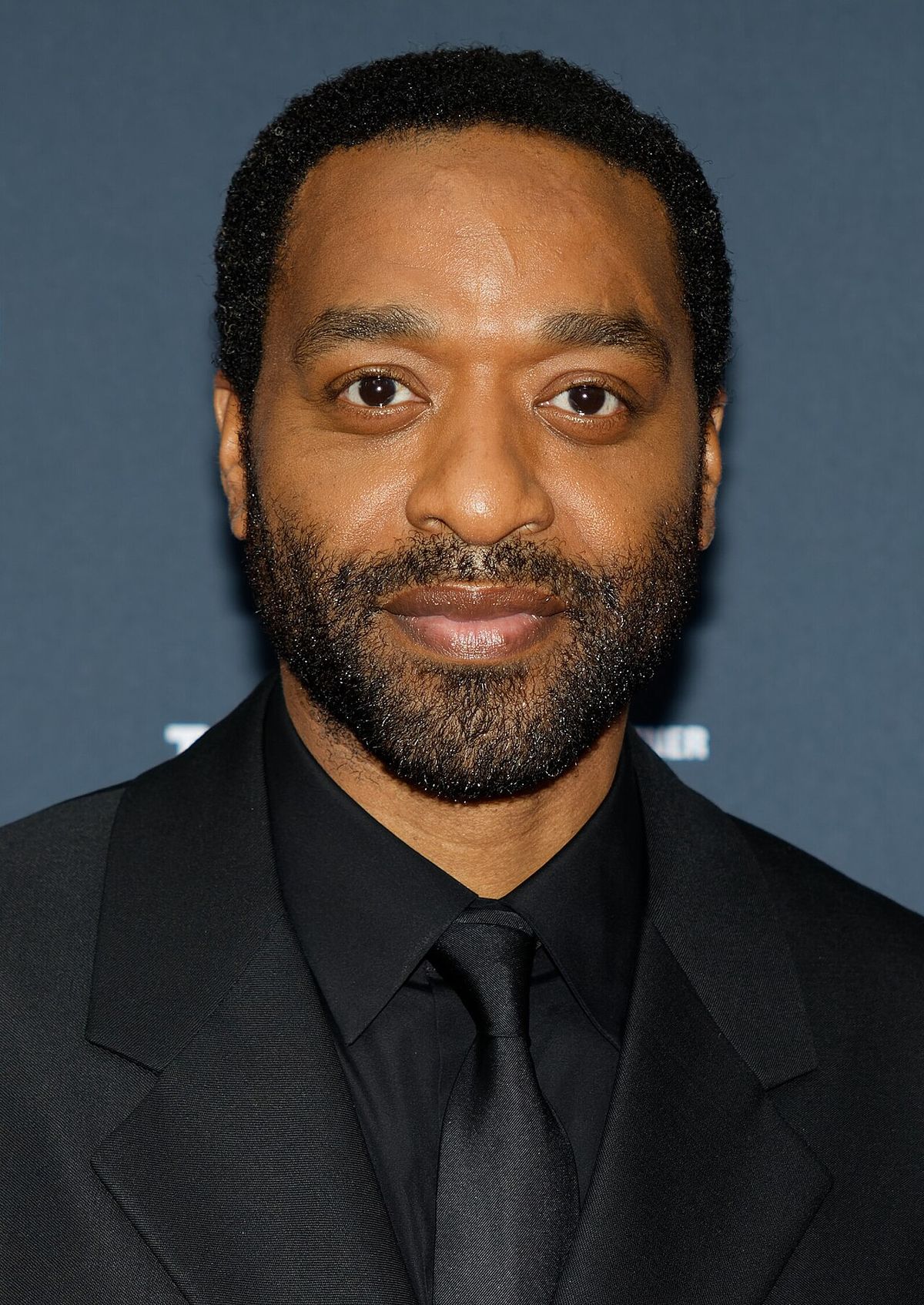
Blade (1998 film)
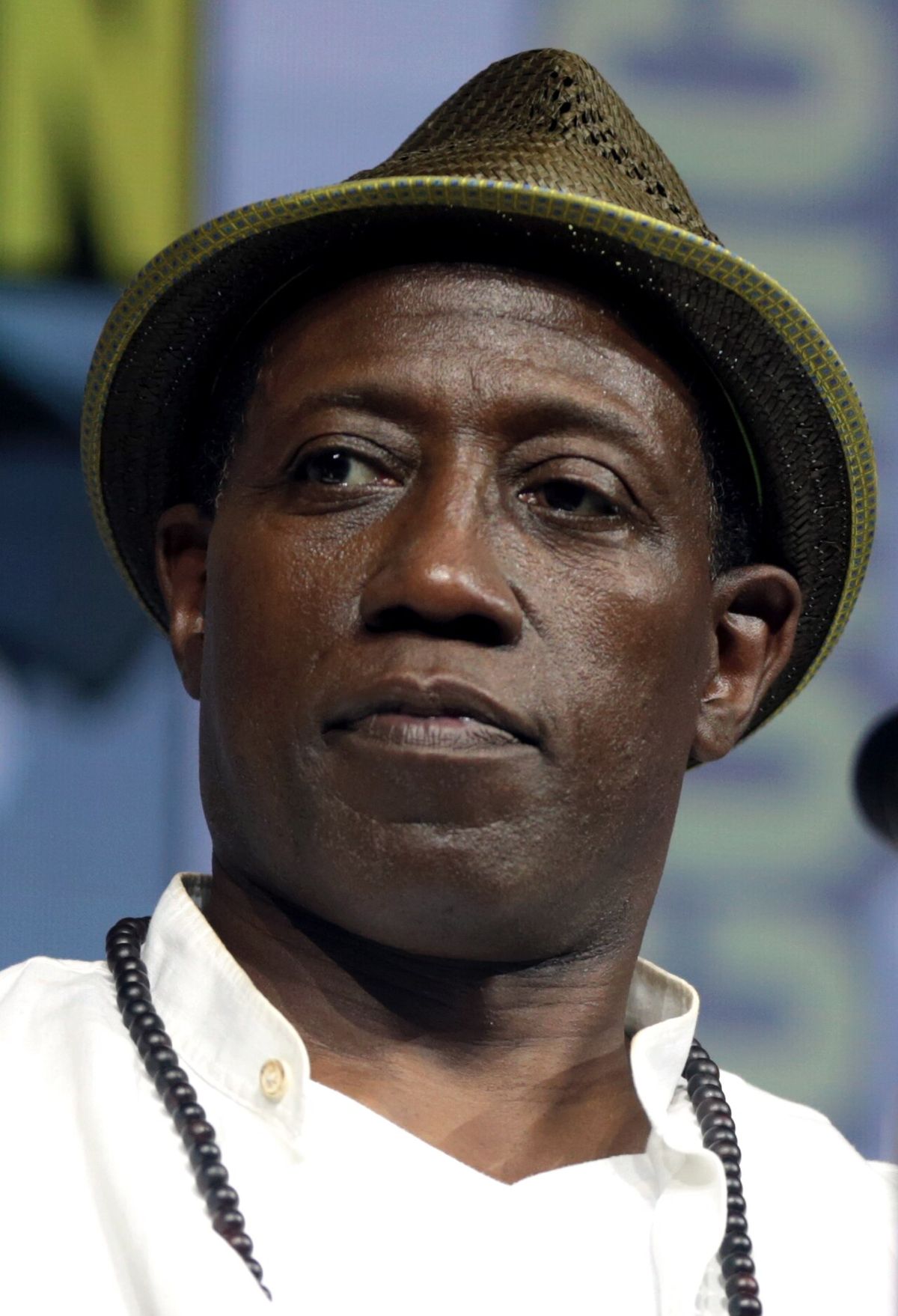
Blade is a 1998 American superhero horror film based on the Marvel Comics character of the same name. Directed by Stephen Norrington and written by David S. Goyer, the film stars Wesley Snipes as the titular half-vampire 'Daywalker' who wages a war against the vampire underworld. A significant commercial success, grossing over $131 million worldwide, Blade is widely credited with proving the viability of darker, R-rated comic book adaptations and revitalizing Marvel's film fortunes after a series of box office disappointments. The film's stylish action and Snipes's performance established a new template for superhero cinema and spawned a film trilogy, influencing a generation of genre films that followed.
Plot summary
The film opens in 1967 with a pregnant woman, Vanessa Brooks, being attacked by a vampire, causing her to give birth prematurely before she dies. The child, Eric Brooks, grows into the vampire hunter Blade, a unique human-vampire hybrid known as a Daywalker who possesses vampire strengths without their weaknesses, save for a thirst for human blood. Working with his mentor and weaponsmith Abraham Whistler, Blade raids a vampire-controlled rave club, setting off a chain of events that leads him to cross paths with hematologist Karen Jenson after she is bitten. Blade and Whistler take Karen to their safe house to protect her, explaining their secret war against vampires who exploit human familiars. The primary antagonist is the ambitious vampire Deacon Frost, who seeks to overthrow the pure-blood vampire elders and awaken an ancient blood god named La Magra. Frost discovers that Blade's unique blood is the key to the ritual and captures Karen to lure him into a trap. The climax sees Blade confronting Frost after he has absorbed La Magra's power, ultimately defeating him with a synthesized anticoagulant. In the aftermath, Karen offers to find a cure for Blade's condition, but he chooses instead to continue his crusade with an improved serum.
Production and development
The character Blade was created by writer Marv Wolfman and artist Gene Colan for Marvel Comics' The Tomb of Dracula in 1973. Development for a film adaptation began in earnest in the early 1990s after New Line Cinema acquired the rights, with David S. Goyer hired to write the script. Goyer aimed to modernize the character for a 1990s audience, grounding vampirism as a biological disease and shifting Blade's aesthetic from using teakwood daggers to a more samurai-inspired look with a sword. The studio initially envisioned the project as a potential spoof, but Goyer successfully argued for a serious, horror-action tone. Wesley Snipes, who also produced through his company Amen Ra Films, signed on to star in 1996 after earlier attempts to develop a Black Panther film stalled. Snipes worked with the writers to infuse the story with elements of classical tragedy, aiming to heighten the emotional drama of the characters. Principal photography took place largely in Los Angeles from February 5 to June 6, 1997, with sets constructed in a former shampoo factory in Canoga Park. The film's extensive post-production included significant reshoots and edits after a disastrous 140-minute test screening, most notably adding the final sword fight between Blade and Deacon Frost which was absent from the original cut.
The original ending featured Deacon Frost transforming into La Magra as a large swirling mass of blood, but this was scrapped due to unsatisfactory special effects. A cameo by Marvel co-creator Stan Lee, playing a police officer at the blood rave, was ultimately cut from the final film. Goyer insisted that both Marv Wolfman and Gene Colan receive credit for creating the characters, overcoming initial resistance from the studio and Wolfman's representatives. The film's special effects were handled by Flat Earth Productions, and the production faced a lawsuit from three extras who claimed the stage blood used in the rave scene caused permanent skin blemishes.
Cast and characters
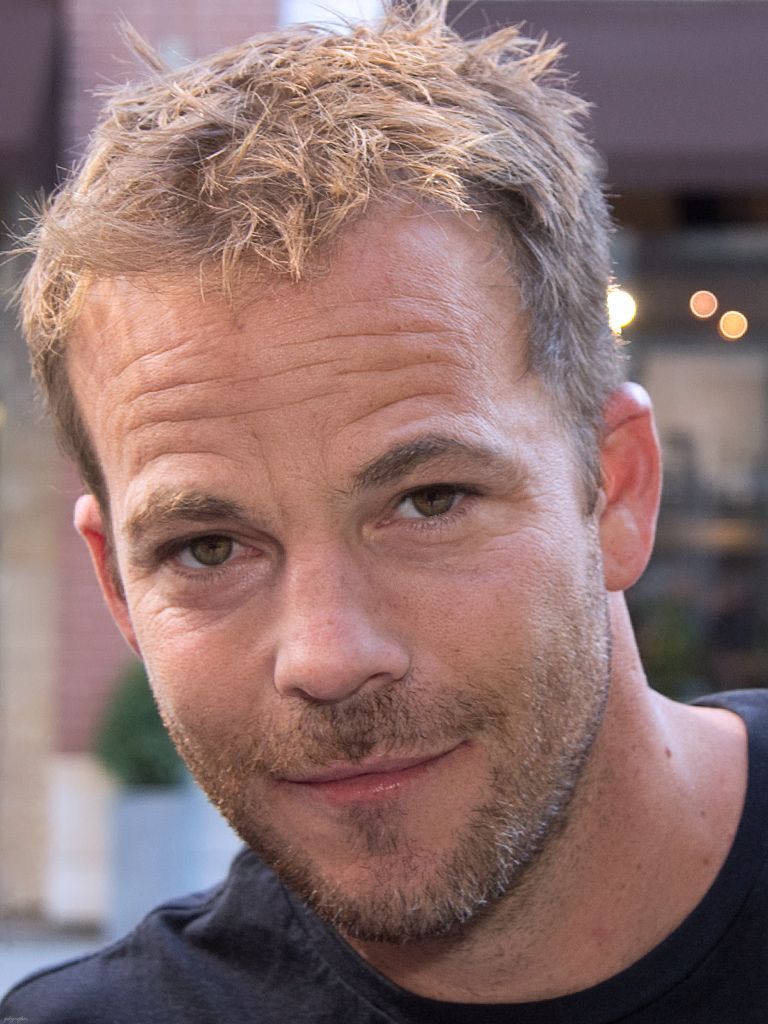
The film features an ensemble cast led by Wesley Snipes in the title role of Eric Brooks, also known as Blade. Stephen Dorff portrays the primary antagonist, the ambitious and rebellious vampire Deacon Frost. Kris Kristofferson plays Abraham Whistler, Blade's mentor, father figure, and skilled weaponsmith. N'Bushe Wright appears as Dr. Karen Jenson, a hematologist who becomes entangled in the vampire war after being bitten. The supporting cast includes Donal Logue as Frost's resilient enforcer Quinn, Udo Kier as vampire elder Gitano Dragonetti, and Sanaa Lathan as Blade's mother, Vanessa Brooks. Other notable roles include Arly Jover as the vampire Mercury, Traci Lords as the seductive Racquel, and Tim Guinee as Karen's ex-boyfriend Dr. Curtis Webb, who undergoes a failed transformation. The casting process saw Snipes as the first and only serious choice for the lead role, with Denzel Washington and Laurence Fishburne also suggested by studio executives early on. For the role of Whistler, Patrick McGoohan was the first choice of director Stephen Norrington, and Jon Voight was also considered before Kris Kristofferson was cast.
Release and reception
Blade premiered in New York City at the Sony Theaters Lincoln Square on August 19, 1998, with a follow-up screening at Grauman's Chinese Theatre in Los Angeles the next day. It opened wide across North America on August 21, 1998. The film was a major box office success, debuting at number one and ending the four-week reign of Saving Private Ryan. The film grossed $17.1 million in its opening weekend from 2,322 screens and remained atop the North American chart for two weeks until overtaken by There's Something About Mary. Its final worldwide gross totalled $131.2 million, with $70 million earned domestically and $61 million internationally. Critical reception was mixed but leaned positive, with the film earning a 59% approval rating on Rotten Tomatoes based on 114 reviews. The critical consensus notes that while the plot may be lacking, the action is fierce and stylish. On Metacritic, it holds a weighted average score of 47 out of 100, indicating mixed or average reviews. Audiences responded more favourably, giving the film an 'A, ' grade in CinemaScore exit polls. The film's success was a financial windfall for New Line Cinema, though Marvel Comics reportedly received only a flat fee of $25,000. The release was not without controversy, as the film was banned in Malaysia and three extras from the blood rave scene sued the production over skin blemishes allegedly caused by stage blood.
The film received several award nominations following its release. It was recognized by genre-specific awards bodies and popular vote ceremonies. The film was nominated for Best Horror Film and Best Make-up at the 1999 Saturn Awards. At the 1999 MTV Movie Awards, Stephen Dorff won the award for Best Villain, while Wesley Snipes received a nomination for Best Fight. The film's soundtrack, featuring hip hop and electronic music, was released on August 25, 1998, by TVT Records and Epic Records. It peaked at number 36 on the Billboard 200 chart and number 28 on the Top R&B/Hip-Hop Albums chart. The British techno band The Prodigy was initially approached to compose the film's score but had to decline due to other commitments.
Sequels and expanded franchise
The commercial success of Blade directly led to the development of a film trilogy. Wesley Snipes reprised his role in Blade II, directed by Guillermo del Toro and released in 2002, and again in Blade: Trinity, released in 2004. The franchise also expanded to include a television series. In August 2014, Snipes expressed his interest in returning to the role, stating he was open to it and believed there were stories left to tell. In 2019, Marvel Studios announced a reboot of the character within the Marvel Cinematic Universe, with Mahershala Ali set to star. Wesley Snipes publicly supported Ali's casting, saying he would 'do great'. However, after years of production setbacks including script and director changes, the reboot project was officially cancelled in 2026. Snipes later returned to the role for a cameo appearance in the 2024 film Deadpool & Wolverine. A video game prequel was published by Activision in 2000 for the PlayStation and Game Boy Color, though it received mixed reviews from critics.
Cultural impact and legacy
Blade is frequently cited as an important film in the superhero genre, demonstrating that darker, R-rated comic book adaptations could achieve mainstream commercial success. The film's aesthetic, which combined martial arts, gunplay, and gothic horror, along with its detailed production design, influenced numerous subsequent genre films. Critics such as A. Asbjørn Jøn have noted the film's significant place in the wider vampire genre and have drawn intertextual links between the Whistler character and a similarly named character in Nancy A. Collins's 1996 novel A Dozen Black Roses . The film's approach to vampires as a secret society with a biological basis, rather than as romantic figures, represented a distinct shift from popular portrayals in the 1990s like Interview with the Vampire . David S. Goyer's early script drafts took a similar postmodern approach to vampire mythology as films like From Dusk till Dawn and Vampire in Brooklyn, which were released shortly before Blade entered production.
Home media and ancillary products
Blade was first released on VHS and DVD on December 1, 1998, by New Line Home Entertainment. It received subsequent high-definition releases, including a Blu-ray edition on June 19, 2012, and a 4K Ultra HD Blu-ray release from Warner Bros. Home Entertainment on December 1, 2020. The film also spawned a video game prequel in 2000, developed for the PlayStation and Game Boy Color. The PlayStation game, published by Activision, received mixed reviews from critics, earning a weighted average score of 51% on Metacritic based on 11 reviews. The various home video releases often include special features detailing the film's production, including scenes from the original cut that were removed after test screenings. These features show the original ending with La Magra as a blood mass and the extended scene where Karen and Deacon Frost discuss the logistics of feeding if all humans were turned into vampires, a concept involving keeping humans in giant blood bags that was later used in Blade: Trinity.
Box office performance by region
Blade was a significant financial success against its $45 million production budget. The film performed strongly in its North American opening, dislodging the previous box office leader and maintaining the top position for two weekends. Its international rollout saw varied results, with particularly strong performances in several European and South American markets. The table below details its opening performance in several key international markets following its North American debut.
| Country/Region | Opening Result | Notes |
|---|---|---|
| United States & Canada | $17.1 million (weekend) | Debuted at #1 across 2,322 screens |
| United Kingdom | $5.7 million (over 10 days) | Released on November 13, 1998, alongside Hope Floats |
| Spain | $1.5 million | From 200 theatres |
| France | $1.9 million (in 5 days) | From 241 cinemas |
| Brazil | $855,000 (in 4 days) | From 133 cinemas |
| Flemish Region, Belgium | $323,000 | From 20 cinemas |
| Netherlands | $246,000 | From 44 cinemas |
The film Blade was a commercial success, grossing 131 million dollars on a budget of 45 million dollars. It topped the box office in North America for two weekends. The film saw strong returns in some international markets, such as the United Kingdom and Brazil. However, it had more modest returns in other markets like Hong Kong and South Africa. Its final worldwide cumulative gross reached 131.2 million dollars. The success of the film ensured the greenlighting of sequels.
Critical analysis and notable reviews
Contemporary reviews of Blade highlighted its visual style and action sequences while often critiquing its narrative depth. Roger Ebert of the Chicago Sun-Times awarded the film three out of four stars, praising its high visual style, extreme camera angles, bizarre costumes, and confident editing. James Berardinelli gave the film two and a half stars out of four, noting that it opened brilliantly with fast-paced, visually engaging scenes but ultimately wore out its welcome by continuing too long. Dennis Harvey of Variety wrote that the film was slick and diverting but had trouble meshing its disparate elements of horror, superhero fantasy, and straight action into a workable whole. John Krewson of The A.V. Club was critical of the story and dialogue but praised the creative cinematography and non-stop, decently choreographed violence. The film's place within the vampire genre has been the subject of academic analysis, with scholars noting its departure from the romantic vampire archetype and its treatment of vampirism as a secret society and biological condition. The character of Whistler has been compared to a similar character in vampire literature, highlighting the film's connections to a broader genre tradition beyond its comic book origins.
Questions about Blade (1998 film)
Who plays Blade in the 1998 film?
Wesley Snipes stars as Eric Brooks, also known as Blade, in the 1998 film. Snipes was also a producer on the project through his company Amen Ra Films. He reprised the role in two sequels, Blade II and Blade: Trinity, and later made a cameo appearance as the character in the 2024 film Deadpool & Wolverine. Snipes's performance is widely considered one of his signature roles.
What is a Daywalker in the Blade movie?
In the film, a Daywalker is a unique human-vampire hybrid. Blade possesses the superhuman strength, speed, and regenerative abilities of vampires but does not share their weaknesses to sunlight, silver, or garlic. His only vampiric trait is a physiological need to consume human blood, which he suppresses with a special serum. This makes him the perfect hunter, able to operate in daylight while his prey is forced into hiding.
Was the Blade movie filmed in Canada?
No, principal photography for Blade did not take place in Canada. The film was shot primarily in Los Angeles, with some scenes filmed in Death Valley. All the soundstage work and set construction occurred in a former Redken shampoo factory located in Canoga Park, California. The production lasted from February 5 to June 6, 1997.
How much money did the first Blade movie make?
Blade was a major box office success, grossing a total of $131.2 million worldwide. It earned $70 million domestically in the United States and Canada and an additional $61 million internationally. The film was produced on a budget of $45 million, meaning it earned nearly three times its production cost. It debuted at number one in North America, ending the four-week box office reign of Saving Private Ryan.
Are there any sequels to the 1998 Blade film?
Yes, the success of the 1998 film led to two direct sequels. Blade II was released in 2002 and was directed by Guillermo del Toro. Blade: Trinity followed in 2004. Wesley Snipes starred as Blade in both follow-ups. The franchise also expanded to include a television series. A planned Marvel Cinematic Universe reboot starring Mahershala Ali was announced in 2019 but was cancelled in 2026 after years of development problems.
Who created the Blade comic book character?
The character Blade was created by writer Marv Wolfman and artist Gene Colan. He first appeared in Marvel Comics' The Tomb of Dracula in 1973. In the original comics, Blade was a fully human vampire hunter who used teakwood knives. The film adaptation updated the character into a 'Daywalker' hybrid, and the comics later revised the character to align with this popular cinematic interpretation. Both Wolfman and Colan received a 'based on characters created by' credit in the film.
Sources and further reading
- Blade (1998 film) (Wikipedia)
- Blade (1998) directed by Stephen Norrington (letterboxd.com)
Checked by the Yadude Books desk. Last updated 2026-11-07.