Legends of the Fall
Legends of the Fall is a 1994 American epic historical Western drama film directed by Edward Zwick. Based on Jim Harrison's 1979 novella, the film chronicles the tumultuous lives of the Ludlow family on a remote Montana ranch across five decades of the early 20th century, exploring themes of love, betrayal, war, and the American frontier. For Canadian audiences, the film holds particular significance as its sweeping landscapes and World War I sequences were filmed entirely on location in Alberta and British Columbia, utilizing local extras and scenery from the Ghost River Wilderness Area and Banff National Park. The film achieved notable commercial success and earned an Academy Award for Best Cinematography, cementing its place as a visually striking, if melodramatic, entry in the period drama genre.
Plot Summary
The narrative begins in the early 20th century with Colonel William Ludlow, a disillusioned veteran who retreats to a remote Montana ranch with his three sons: the responsible Alfred, the wild and passionate Tristan, and the idealistic Samuel. Their mother, unable to endure the harsh frontier life, departs for the East Coast, and Tristan vows never to speak of her again. The brothers' lives are irrevocably altered when Samuel returns from Harvard with his fiancée, Susannah, and promptly enlists to fight in the First World War alongside the Canadian Expeditionary Force. Alfred and Tristan follow him to the battlefields of Europe, where Tristan makes a solemn vow to protect his youngest brother. This promise ends in tragedy when Samuel is killed in action, an event that fractures the family and sends Tristan into a spiral of grief and guilt, leading him to cut out his brother's heart and send it home for burial. Tristan returns home and begins a passionate relationship with Susannah, but his inner turmoil and sense of responsibility for driving Alfred away compel him to abandon her and travel the world for years.
In his absence, Susannah marries Alfred, who has become a successful congressman in Helena, while their father William suffers a debilitating stroke that leaves him unable to speak. Tristan eventually returns in the 1920s, revitalizing the ranch and marrying Isabel Two, the daughter of ranch hand Decker, with whom he has two children. His involvement in small-scale rum-running during Prohibition brings him into conflict with the O'Banion brothers, a ruthless bootlegging gang. This feud leads to the accidental death of Isabel Two at the hands of a corrupt policeman working for the gangsters. Consumed by vengeance, Tristan beats the officer nearly to death, is jailed, and upon release exacts further retribution with Decker's help. This violence prompts Susannah, still emotionally tied to him, to take her own life. The final confrontation with the remaining O'Banions and corrupt lawmen results in a violent shootout at the ranch, where William and Alfred defend Tristan, killing the assailants. To protect him from further reprisals, the family stages a cover-up by burying the bodies and dumping a car in the Missouri River, and Tristan leaves his children in Alfred's care. The film concludes decades later in 1963, with an elderly Tristan meeting his end in a final, fatal struggle with a grizzly bear in the North Country wilderness.
Production and Filming in Canada
Principal photography for Legends of the Fall commenced in mid-July 1993 and concluded around January 1994, with the vast majority of filming taking place in Alberta and British Columbia. The production leveraged Canada's dramatic landscapes to stand in for the American West, creating a visual authenticity central to the film's epic scope. The Ghost River Wilderness Area in Alberta was transformed into the Ludlow family ranch, serving as the primary outdoor setting. The funeral and cemetery scenes were filmed along the Bow River near Banff National Park, utilizing the region's natural beauty. The extensive and harrowing World War I battlefield sequences, a crucial segment of the film, were shot over two weeks near Morley, Alberta. These scenes involved hundreds of local Albertans as extras, supplemented by a small number of Canadian Forces soldiers, to create the chaotic and muddy trenches of the Western Front where the Ludlow brothers serve in the 10th Battalion, CEF.
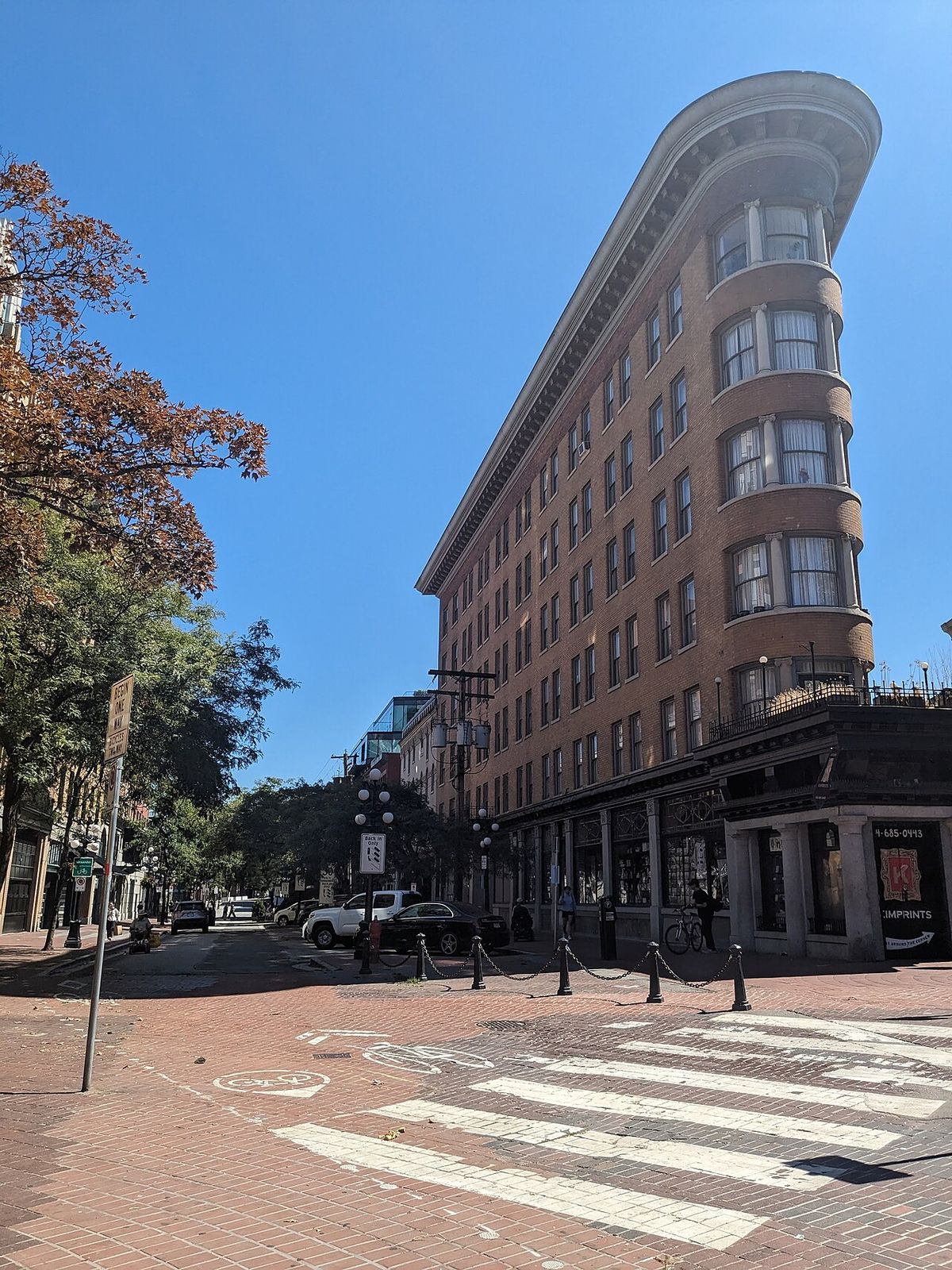
Urban scenes set in Helena, Montana, were filmed in Vancouver's historic Gastown district. The production augmented the existing heritage buildings with period facades to recreate an early 20th century town. Specific locations included Maple Tree Square and the Hotel Europe on Powell Street, which served as a key interior set. A limited number of scenes were also shot in Ocho Rios, Saint Ann, Jamaica. In 2024, director Edward Zwick released a memoir titled Hits, Flops, and Other Illusions: My Fortysomething Years in Hollywood, in which he detailed difficult experiences during production. Zwick described clashes with star Brad Pitt over the film's creative direction and characterized Pitt as volatile during the process, also noting Pitt was upset about the final cut. The film's connection to its source material is also noted through its portrayal of the Ludlow family as Cornish American immigrants, with occasional Cornish language terms appearing in both the novella and the film.
Cast and Characters
Brad Pitt plays the central figure of Tristan Ludlow, whose life is shaped by loss and a connection to the natural world, a character that multiple critics compared to his role in A River Runs Through It. Anthony Hopkins portrays Colonel William Ludlow, the patriarch whose principles and subsequent physical decline anchor the family's fortunes. Aidan Quinn takes the role of Alfred Ludlow, the eldest brother whose path leads to political power and a complex rivalry with Tristan, with some reviewers noting Quinn had the toughest role. Julia Ormond appears as Susannah, the woman whose love for Samuel, and later for Tristan and Alfred, becomes a catalyst for tragedy. Henry Thomas plays the youngest brother, Samuel Ludlow, whose idealism and death in war set the plot in motion.
The supporting cast includes several key figures who populate the Ludlow ranch and the broader narrative. Karina Lombard plays Isabel Two, who grows from a child on the ranch to become Tristan's wife and mother of his children. Gordon Tootoosis appears as One Stab, William's Cree friend and ranch partner. Paul Desmond plays Decker, a former outlaw and loyal ranch hand who is Isabel Two's father. Tantoo Cardinal plays Pet, Decker's Cree wife. The antagonistic forces are represented by the O'Banion brothers, Irish bootleggers and gangsters played by John Novak and Rob McEwan, and a corrupt law enforcement officer played by Kenneth Welsh. The cast also includes Christina Pickles as Isabel Ludlow, the mother who leaves the family.
- Brad Pitt as Tristan Ludlow
- Anthony Hopkins as Colonel William Ludlow
- Aidan Quinn as Alfred Ludlow
- Julia Ormond as Susannah
- Henry Thomas as Samuel Ludlow
- Karina Lombard as Isabel Two
- Gordon Tootoosis as One Stab
- Paul Desmond as Decker
- Tantoo Cardinal as Pet
- Christina Pickles as Isabel Ludlow
- John Novak as James O'Banion
- Rob McEwan as Longley O'Banion
- Kenneth Welsh as Sheriff Tynert
Release and Box Office Performance
Sony Pictures Releasing launched Legends of the Fall in a limited theatrical release on December 23, 1994, positioning it for awards season consideration. The film expanded to a wide release across North America on January 13, 1995. Its strategic timing paid off during the Martin Luther King Jr. Day holiday weekend, when it debuted at number one at the domestic box office, grossing $14 million over the four-day period. The film demonstrated strong staying power with audiences, ultimately earning a final worldwide box office total of $160,638,883. Against a production budget of $30 million, this represented a significant financial success for the studio, proving the market viability of a sweeping, actor-driven historical drama. The film's commercial performance was a key factor in its longevity and multiple home media releases.
| Release Phase | Date | Box Office Note |
|---|---|---|
| Limited Release | December 23, 1994 | Initial launch in select theatres |
| Wide Release | January 13, 1995 | Expansion across North America |
| Final Total | 1995 | $160,638,883 worldwide gross |
| Budget | 1994 | $30 million production cost |
The film's box office success was achieved despite mixed critical reception. It reached number one at the domestic box office during a four-day January holiday weekend. The film grossed a final total of $160.6 million against a $30 million budget. This success facilitated subsequent releases on home video, beginning with a VHS release on May 31, 1995. Multiple DVD and Blu-ray editions were released over the following years, including a special edition DVD in 2000 and a Blu-ray in 2011.
Critical Reception and Accolades
Critical opinion on Legends of the Fall was divided, resulting in what aggregators classify as mixed or average reviews. On Rotten Tomatoes, 61% of 61 critics gave the film a positive review, with an average rating of 6 out of 10. The site's consensus highlights the film's painterly photography and epic sweep while noting a lack of narrative momentum and glut of melodramatic twists. Metacritic assigned a weighted score of 45 based on 23 reviews, indicating mixed or average reviews. In contrast, audience reception was notably warmer. CinemaScore reported that polled moviegoers gave the film an average grade of A- on a scale from A+ to F. Many reviewers praised the film's technical achievements and performances, particularly Brad Pitt's work as the charismatic Tristan. Roger Ebert of the Chicago Sun-Times described it as pretty good with full-blooded performances and heartfelt melodrama. Peter Travers of Rolling Stone said Pitt carries the picture and proved himself a bona fide movie star, stealing every scene he is in. Chris Hicks of Deseret News noted Pitt was satisfying as the internalized, rebellious Tristan and that the film would cement his leading-man status.
Other critics were less forgiving of the film's narrative ambitions and melodramatic tone. Some, like Rita Kempley of The Washington Post, found the plot sprawling across the screen in all its panoramic idiocy. John Hartl of The Seattle Times felt the characters were archetypes lacking intimate development, while Terrence Rafferty of The New Yorker thought the saga grew sillier as it goes. Janet Maslin of The New York Times concluded that performances were smothered by music and overshadowed by a picture-postcard vision of the American West. Stephen Hunter of The Baltimore Sun criticized the film for romanticizing gunplay and male vengeance. Despite the polarized reviews, the film's craftsmanship was recognized by the Academy of Motion Picture Arts and Sciences. It received three Academy Award nominations and won the Oscar for Best Cinematography for John Toll's work, which captured the majestic Canadian landscapes. The film also appeared on several critics' year-end top ten lists, including those compiled by Bob Ross of The Tampa Tribune and Jeff Simon of The Buffalo News, both listed alphabetically and not ranked.
- Academy Award for Best Cinematography (Won), John Toll
- Academy Award for Best Art Direction, Set Decoration (Nominated)
- Academy Award for Best Sound Mixing (Nominated)
- Rotten Tomatoes Score: 61% positive based on 61 reviews
- Metacritic Score: 45 based on 23 reviews
- CinemaScore Audience Grade: A-
- Included in year-end top 10 lists by Bob Ross (The Tampa Tribune) and Jeff Simon (The Buffalo News)
Home Media Releases
Following its theatrical run, Legends of the Fall was made available on a series of home video formats, each offering varying levels of supplemental material. The first release was on VHS cassette on May 31, 1995, allowing viewers to own the film shortly after its cinema debut. The transition to digital media began with the film's first DVD release on April 29, 1997, during the format's early adoption phase. A more substantial special edition DVD followed on October 17, 2000, which included significant bonus content aimed at fans and cinephiles. This edition featured two separate audio commentary tracks, a collection of deleted scenes with optional director's commentary, and two behind-the-scenes featurettes exploring the making of the film. A deluxe edition DVD was released on November 29, 2005, often repackaging the special edition content. As high-definition formats became standard, the film was released on Blu-ray disc on February 8, 2011, offering improved picture and sound quality for a new generation of home viewers.
These successive releases have helped maintain the film's visibility in the home entertainment market. The special edition DVD released on October 17, 2000, included bonus content such as audio commentaries and deleted scenes. A deluxe edition DVD was later released on November 29, 2005. The film was also released on Blu-ray on February 8, 2011. This ongoing release strategy reflects the film's lasting commercial appeal.
Cultural Impact and Lasting Presence
The film contributed to the career momentum of Brad Pitt, following his roles in Thelma & Louise and A River Runs Through It, by presenting him as a romantic leading man capable of carrying a major studio film. Critics at the time noted that the character of Tristan would likely influence baby names in the coming years. The film's visual style, defined by John Toll's Academy Award-winning cinematography, set a standard for the portrayal of the American West on film, utilizing Canadian landscapes to create an idealized, majestic frontier. Its score by composer James Horner became a recognizable element of the film's emotional texture, and the story's multi-generational saga of the Ludlow family, with its themes of brotherly conflict, forbidden love, and violent retribution, drew comparisons to earlier Hollywood epics like East of Eden and Giant.
While some reviewers felt the plot was better suited for a miniseries format, its compression into a feature film resulted in a dense, event-driven narrative that resonated with a wide audience. The film's depiction of World War I service through the Canadian Expeditionary Force provides a specific historical context often less explored in American cinema. The 2024 revelations from director Edward Zwick about a difficult production with Brad Pitt have added a new layer to the film's behind-the-scenes legacy, illustrating the creative tensions that can exist during major filmmaking projects. The film continues to be discussed for its blend of visual grandeur and narrative melodrama, ensuring it remains a reference point for similar period family sagas.
Questions about Legends of the Fall
Where was Legends of the Fall filmed?
Legends of the Fall was filmed primarily on location in Alberta and British Columbia, Canada. Key locations include the Ghost River Wilderness Area and areas near the Bow River and Banff National Park in Alberta, which stood in for the Montana ranch and wilderness. The World War I trench warfare scenes were shot over two weeks near Morley, Alberta, using hundreds of local extras and some Canadian Forces soldiers. Urban scenes set in Helena, Montana, were filmed in Vancouver's historic Gastown district, Maple Tree Square, and at the Hotel Europe on Powell Street, with additional scenes in Ocho Rios, Jamaica.
Did Brad Pitt and the director get along during filming?
According to director Edward Zwick's 2024 memoir, Hits, Flops, and Other Illusions: My Fortysomething Years in Hollywood, their working relationship was difficult. Zwick described Brad Pitt as volatile and claimed they clashed over their creative visions for the film. Zwick also stated that Pitt was upset about the final cut of the movie. These revelations, made decades after the 1993 to 1994 production, provide insight into the behind-the-scenes tensions during the making of this epic drama, though the conflict did not prevent the film's commercial success.
What awards did Legends of the Fall win?
The film's most significant award was the Academy Award for Best Cinematography, which was awarded to John Toll for his work capturing the film's landscapes. Legends of the Fall received two other Oscar nominations for Best Art Direction and Best Sound Mixing. While critical reception was mixed, the film was a major box office success and resonated strongly with audiences, who gave it an average grade of A- in CinemaScore polls. The film also appeared on several critics' year-end top ten lists in publications like The Tampa Tribune and The Buffalo News.
Is Legends of the Fall based on a true story?
No, Legends of the Fall is not based on a true story. It is a work of fiction adapted from the 1979 novella of the same name by American author Jim Harrison. The story follows the fictional Ludlow family, portrayed as Cornish American immigrants, through several decades of the early 20th century. While it incorporates historical events like World War I and Prohibition, the characters and their specific saga are products of Harrison's imagination. Both the book and film contain occasional Cornish language terms reflecting the family's background.
How did the film perform at the box office?
Legends of the Fall was a substantial commercial success. It opened in wide release in January 1995 and reached number one at the domestic box office during its first holiday weekend, grossing $14 million over the four-day Martin Luther King Jr. Day period. The film went on to earn a final worldwide box office total of $160,638,883. This was achieved against a production budget of $30 million, making it a profitable venture for Sony Pictures Releasing and demonstrating the audience appeal of its epic drama and star-driven narrative.
Who composed the music for Legends of the Fall?
The film's score was composed by James Horner. His musical accompaniment is a notable element of the film, enhancing its epic and melodramatic tone. The score works in tandem with John Toll's Oscar-winning cinematography to create the film's atmospheric and emotional landscape, contributing significantly to its audience appeal despite some critical reservations about the plot. Horner's work for the film is part of his extensive catalogue of major Hollywood film scores from that era.
Sources and further reading
- Legends of the Fall (Wikipedia)
- Legends of the Fall (Special Edition) (Bilingual) (amazon.ca)
- Review and Summary: Legends of the Fall (1994) (ashleyhajimirsadeghi.com)
- Legends of the Fall | Film Review (spiritualityandpractice.com)
Checked by the Yadude Books desk. Last updated 2026-11-07.