The Shape of Water
The Shape of Water is a 2017 period romantic dark fantasy film directed by Guillermo del Toro. The story, set in 1962 Baltimore, follows a mute cleaner who falls in love with a captured amphibian humanoid creature and orchestrates his escape from a government laboratory. The film holds significant Canadian connections, having been entirely shot on location in Toronto and Hamilton, Ontario, utilizing local studios and landmarks. It achieved major critical and awards success, winning the Academy Award for Best Picture and Best Director, among other honours.
Plot summary
Set in Baltimore, Maryland, in 1962 during the Cold War, the film centres on Elisa Esposito, a mute janitor who works at a secret government laboratory. Elisa, who communicates through sign language, lives a quiet life with her friends Giles, her closeted gay neighbour, and Zelda, her talkative coworker. The facility’s security chief, Colonel Richard Strickland, brings in a captured humanoid amphibian creature from South America for study. Elisa discovers the creature and begins visiting him in secret, forming a deep bond through shared meals and sign language. Strickland, under pressure from General Hoyt to gain an edge in the Space Race, plans to vivisect the creature, while Soviet spy and scientist Robert Hoffstetler is ordered by his handlers to kill it.
Learning of the planned dissection, Elisa resolves to free the Amphibian Man. She enlists the reluctant help of Giles, who has recently faced professional and personal rejection. Hoffstetler and Zelda also become involved in the escape plan, which succeeds in moving the creature to Elisa’s apartment. She keeps him in her bathtub, planning to release him into a canal during a heavy rainstorm that will provide access to the ocean. The creature’s health begins to deteriorate outside the water, and a tense intimacy develops between him and Elisa. Strickland, desperate to recover his asset, tortures the dying Hoffstetler for information and learns the creature’s location from Zelda’s husband.
The climax occurs at the canal as Elisa and Giles prepare to release the Amphibian Man. Strickland arrives, assaults Giles, and shoots both Elisa and the creature. In the ensuing struggle, the Amphibian Man heals his own gunshot wound and kills Strickland. As police arrive with Zelda, the creature carries the unconscious Elisa into the water. He kisses her and uses his healing power, which causes the scars on her neck to open into functional gills. Elisa revives, now amphibious herself, and embraces the creature as they swim away together into the canal.

Production and Canadian filming
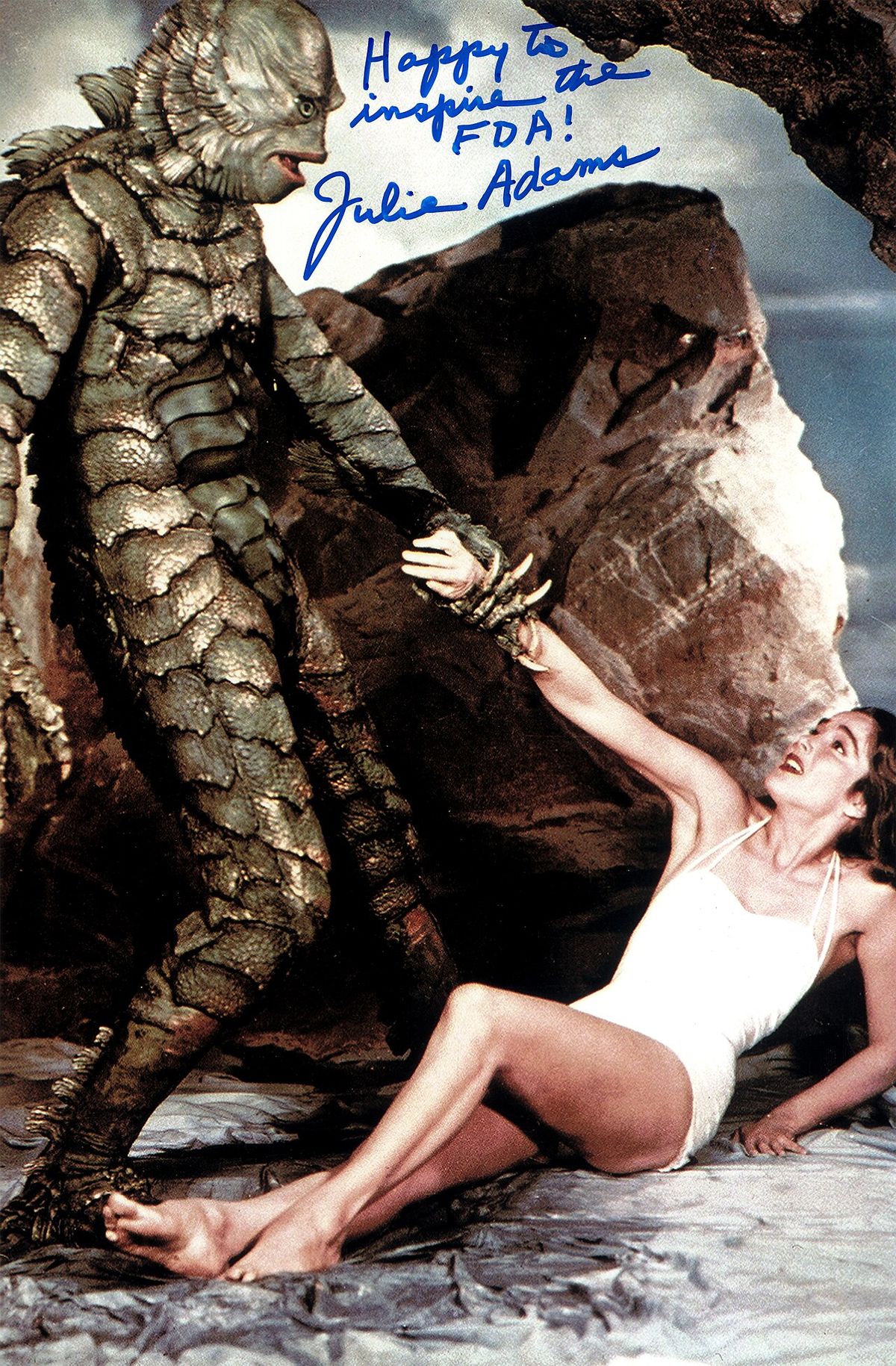
Guillermo del Toro conceived the film’s story in 2011 with writer Daniel Kraus, inspired by his childhood viewing of Creature from the Black Lagoon and a desire to reimagine its romance. He initially pitched a creature-centric version to Universal Pictures for a remake, but the studio rejected the concept. Del Toro set the story in 1962 to frame its themes of otherness and fear as a fairy tale, allowing audiences to engage with the issues more openly. The screenplay was co-written by del Toro and Vanessa Taylor, with del Toro producing alongside Canadian producer J. Miles Dale. Principal photography was conducted entirely in Ontario, Canada, from August 15 to November 6, 2016.
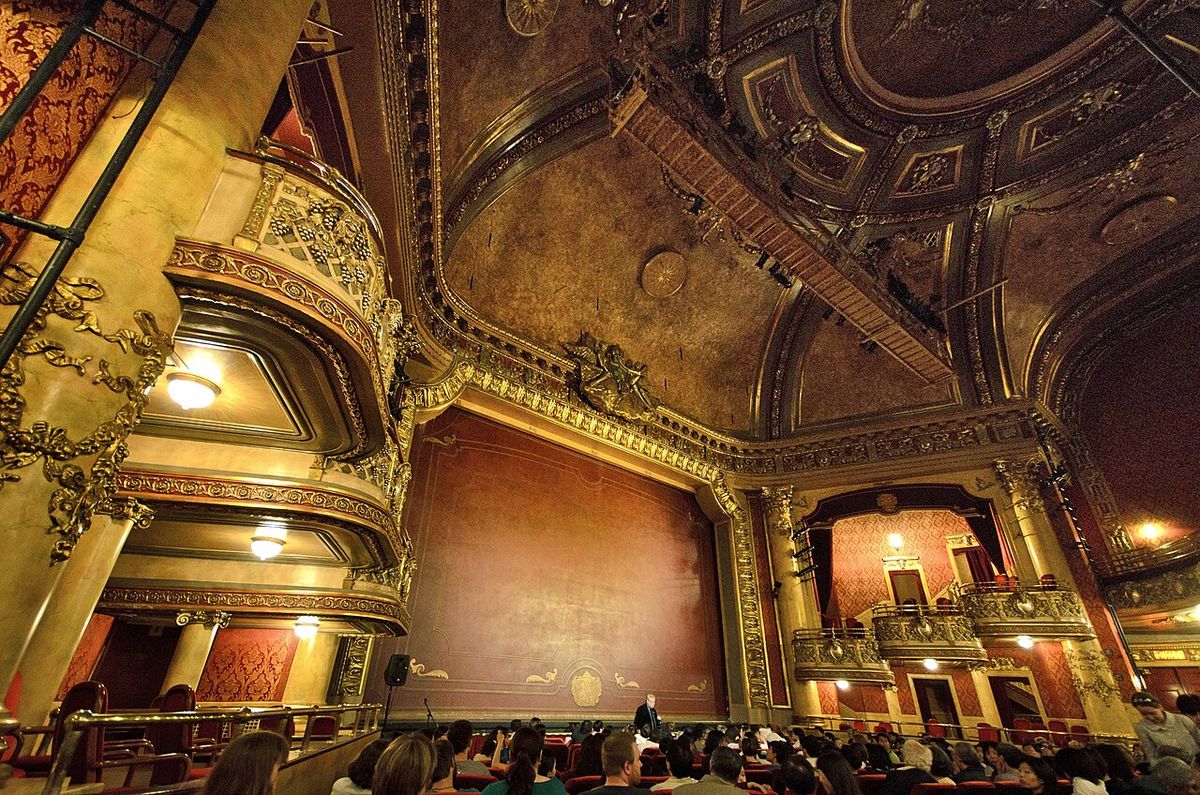
Principal photography for The Shape of Water took place in Ontario, Canada, from August to November 2016. Filming occurred on location in Toronto and Hamilton. Specific sites included the Elgin and Winter Garden Theatres, which served as the interior of a movie theatre, and the façade of Massey Hall, which was used as the theatre's exterior. Sets were built at Cinespace Studios in West Toronto for the characters' apartments, and parts of the government laboratory were filmed at the University of Toronto Scarborough campus.
- The interior of the Orpheum movie theatre was filmed at the historic Elgin and Winter Garden Theatres in Toronto.
- The exterior theatre façade was the Victorian Massey Hall, also in Toronto.
- The apartment building housing Elisa and Giles was a set constructed at Cinespace Studios in West Toronto.
- Scenes set in the government laboratory were shot in the Humanities Wing of the John Andrews Building at the University of Toronto Scarborough.
- Additional filming took place in Hamilton, Ontario.
Guillermo del Toro was offered a budget of $20 million to shoot The Shape of Water in colour or $17 million to shoot it in black and white. He ultimately chose to shoot the film in colour. Del Toro was concerned that a black and white version might feel overly postmodern and reflective, which could distance audiences from being immersed in the story. The film was a co-production between the United States and Mexico.
Cast and characters
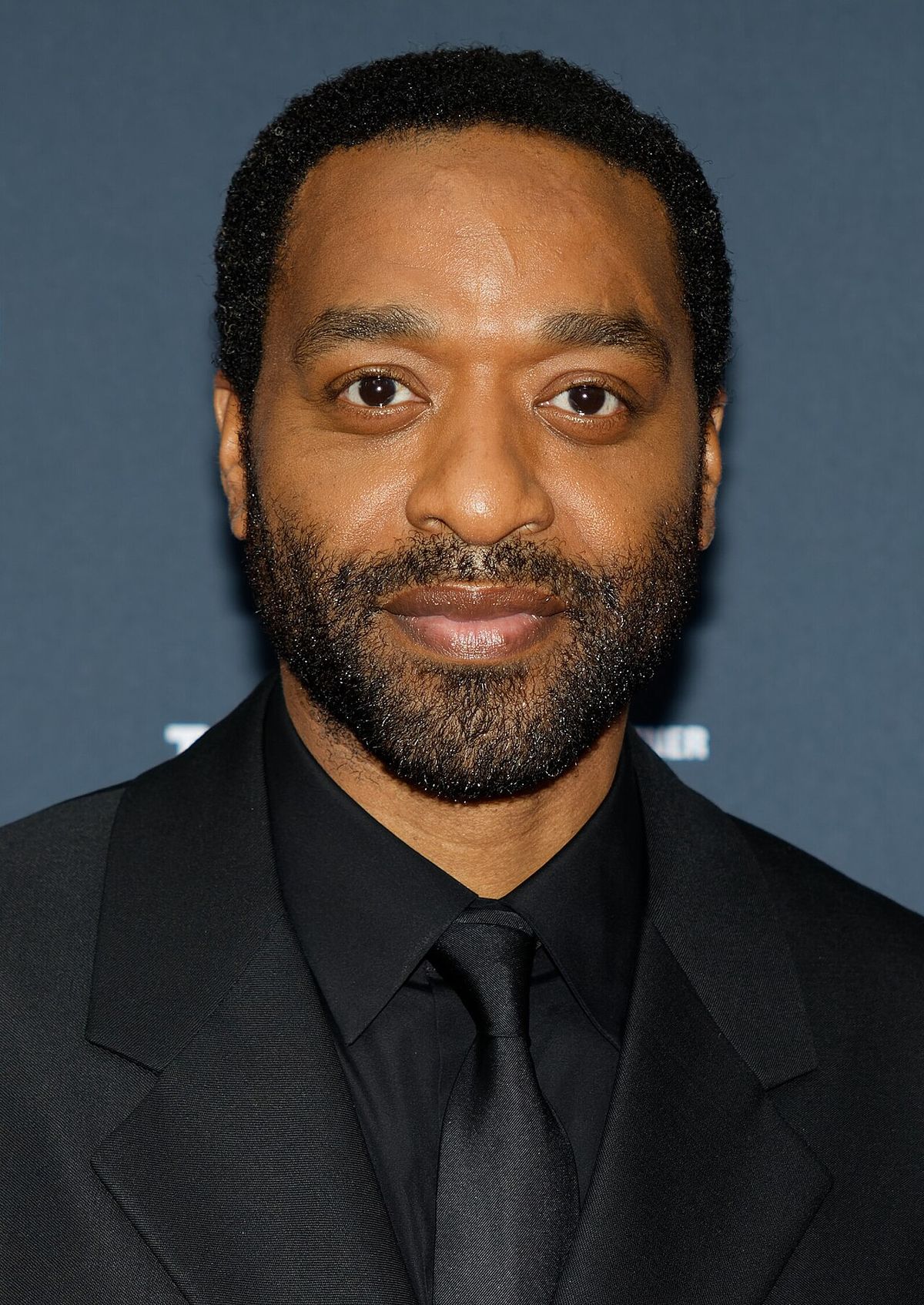
Del Toro wrote the lead role of Elisa Esposito specifically for British actress Sally Hawkins, having admired her previous work. Hawkins prepared by studying silent film comedians like Charlie Chaplin and Stan Laurel to convey emotion without dialogue. American actor Doug Jones, a frequent collaborator with del Toro, portrayed the Amphibian Man using physical movement and a specially designed suit. Jones worked to make the creature feel animalistic yet regal, incorporating elements of a matador’s posture. The creature’s vocalizations were created in post-production by supervising sound editor Nathan Robitaille, blending animal sounds and human breaths.
Richard Jenkins was cast as Elisa’s neighbour, Giles, after Ian McKellen, the initial inspiration for the role, proved unavailable. Michael Shannon played the antagonist, Colonel Richard Strickland, with discussions focusing on how the character would have been a hero in a 1950s film. Octavia Spencer took the role of Zelda, Elisa’s friend and interpreter at the lab. Michael Stuhlbarg played the dual role of scientist Robert Hoffstetler, who is also a Soviet spy. The supporting cast included several Canadian actors in minor roles, furthering the film’s local production ties.
Music and score
Composer Alexandre Desplat was approached about the film three years before its release and began composing after viewing a rough cut in January 2017. Desplat described the film as akin to a musical and sought to create a score that evoked the sensation of water and immersion. The central melody, which emerges in waves of arpeggios, was designed to give audiences a floating, warm feeling reflective of the love story. The score features two primary melodies, including Elisa’s Theme, which merge into a single piece by the film’s conclusion. Desplat intentionally used instruments like flutes, accordions, and whistles with blurred, ethereal tones to enhance the otherworldly atmosphere.
He composed the score over six weeks, deliberately avoiding a distinct melodic theme for the villainous Strickland to maintain focus on the central romance. The soundtrack was released by Decca Records on December 1, 2017. Desplat’s work was awarded the Academy Award for Best Original Score at the 90th Oscars, with the composer crediting the film’s visual beauty for making his task easier. On composing the score overall, he said that it was a matter of sculpting the music to take the shape of the storyline.
Release and box office performance
The Shape of Water premiered on August 31, 2017, at the 74th Venice International Film Festival, where it won the top prize, the Golden Lion. It subsequently screened at the Telluride Film Festival, the Toronto International Film Festival, and the BFI London Film Festival. The film began a limited theatrical release in two New York City theatres on December 1, 2017, before expanding to other cities. Its official wide release in the United States and Canada commenced on December 22, 2017. The film was released on Blu-ray, DVD, and digital platforms on March 13, 2018, featuring extensive special features including a making-of documentary.
The Shape of Water grossed $195.2 million worldwide against its $20 million production budget. It earned $63.9 million in the United States and Canada and $131.4 million in other countries. The film began a limited release in two theaters in New York City on December 1, 2017, before expanding wide on December 22. Its box office performance saw significant increases following major awards announcements.
| Release Phase | Weekend Gross | Notes |
|---|---|---|
| Limited Release (3 weeks) | $4.6 million (total) | Pre-wide release cumulative |
| Post-Oscar Nominations (Jan 27) | $5.9 million | 171% increase from prior week |
| Post-Oscar Wins (Mar 9-11) | $2.4 million | 64% increase from prior week |
The box office grosses for The Shape of Water saw significant boosts following its 13 Academy Award nominations in January 2018. They increased again after the film won four Oscars in March 2018. The film's final domestic total was $63.9 million. International markets contributed $131.4 million to its worldwide gross of $195.2 million.
Critical reception and accolades
The film received widespread critical acclaim upon release. On review aggregator Rotten Tomatoes, it holds a 92% approval rating based on 465 reviews, with a consensus praising del Toro’s visual style and Sally Hawkins’s performance. Metacritic assigned a weighted average score of 87 out of 100, indicating universal acclaim. Audience scores were also highly positive, with CinemaScore reporting grades ranging from A+ to A- across different age groups. Critics highlighted the film’s production design, cinematography, score, and its emotionally absorbing fairy-tale narrative.
The Shape of Water was a major awards contender, receiving a leading thirteen nominations at the 90th Academy Awards. The film won four Academy Awards. Its wins included the top prizes of Best Picture and Best Director for Guillermo del Toro. It also won awards for Best Production Design and Best Original Score for composer Alexandre Desplat.
- Best Picture
- Best Director (Guillermo del Toro)
- Best Production Design
- Best Original Score (Alexandre Desplat)
It was the second fantasy film ever to win Best Picture, after The Lord of the Rings: The Return of the King. The film also won two Golden Globes for Best Director and Best Original Score, three British Academy Film Awards including Best Director, and four Critics’ Choice Awards. The American Film Institute selected it as one of the top ten films of 2017. In 2025, it was ranked number 227 in a New York Times readers’ poll of the best 21st-century films. A novelization by del Toro and Daniel Kraus was published on March 6, 2018.
Controversies and legal challenge
In February 2018, the estate of playwright Paul Zindel filed a lawsuit in a California federal court against Guillermo del Toro and Daniel Kraus. The legal claim described the film as a brazen copy. A separate, minor controversy emerged in Canadian film circles regarding the film’s eligibility for the Canadian Screen Awards. Despite being filmed in Canada with a largely Canadian crew and a Canadian co-producer, J. Miles Dale, the film did not meet the financing requirements. Rules stipulated that for an international co-production to qualify, at least 15 percent of its funding must come from a Canadian studio, a threshold this film did not reach. Dale himself publicly supported the existing rules and agreed the film should not have been eligible.
Questions about The Shape of Water
What is the connection between The Shape of Water and Creature from the Black Lagoon?
Director Guillermo del Toro was inspired by the 1954 film Creature from the Black Lagoon from his childhood. He originally wanted to see the Gill-man succeed in a romance with the female lead. He later pitched a creature-centric remake to Universal Pictures, which was rejected. The Shape of Water is his original story that fulfills that romantic fantasy premise.
Where was The Shape of Water filmed in Canada?
The Shape of Water was filmed entirely in Ontario, Canada. Principal photography took place from August 15 to November 6, 2016, in Toronto and Hamilton. Specific locations included the interior of the Elgin and Winter Garden Theatres in Toronto, which served as the Orpheum movie theatre. The exterior of the theatre was the façade of Massey Hall. Sets for Elisa and Giles's apartment were built at Cinespace Studios in West Toronto, and parts of the government laboratory were filmed in the John Andrews Building at the University of Toronto Scarborough.
How many Academy Awards did The Shape of Water win?
The Shape of Water won four Academy Awards at the 90th Oscars. It secured the top prizes of Best Picture and Best Director for Guillermo del Toro. It also won Best Production Design and Best Original Score for composer Alexandre Desplat. The film was nominated for a leading thirteen awards that year, making it the most nominated film. It was the second fantasy film ever to win Best Picture, following The Lord of the Rings: The Return of the King.
Who plays the Amphibian Man creature in the film?
The Amphibian Man is played by actor Doug Jones, a frequent collaborator with director Guillermo del Toro. Jones prepared for the role by practicing movements in a dance studio, aiming to create a creature that was animalistic yet regal. He was directed to portray the character with a matador's grace. The creature's vocalizations were created in post production by supervising sound editor Nathan Robitaille, who blended animal sounds, his own voice, and recordings of del Toro breathing.
Why didn't The Shape of Water qualify for Canadian Screen Awards?
The Shape of Water was ineligible for Canadian Screen Awards due to financing rules. The Academy of Canadian Cinema and Television requires that for an international co production to qualify, at least 15 percent of its funding must come from a Canadian film studio. The film's funding structure did not meet this threshold, even though it was filmed in Canada with a predominantly Canadian crew. This position was supported by the film's own Canadian co producer, J. Miles Dale, who stated he did not believe the film should have been eligible under the rules.
What was the box office performance of The Shape of Water?
The Shape of Water was a commercial success, grossing $195.2 million worldwide. It earned $63.9 million in the United States and Canada and $131.4 million in other territories. Following its limited release, the film expanded widely in December 2017. Its box office saw significant boosts after receiving thirteen Oscar nominations in January 2018 and again after winning four Oscars in March, with weekly earnings increasing by 171 percent and 64 percent respectively during those periods.
Sources and further reading
- The Shape of Water (Wikipedia)
- SHAPE OF WATER, THE (amazon.ca)
- The Shape of Water (tv.apple.com)
Checked by the Yadude Books desk. Last updated 2026-11-06.