Titanic (1997 film)
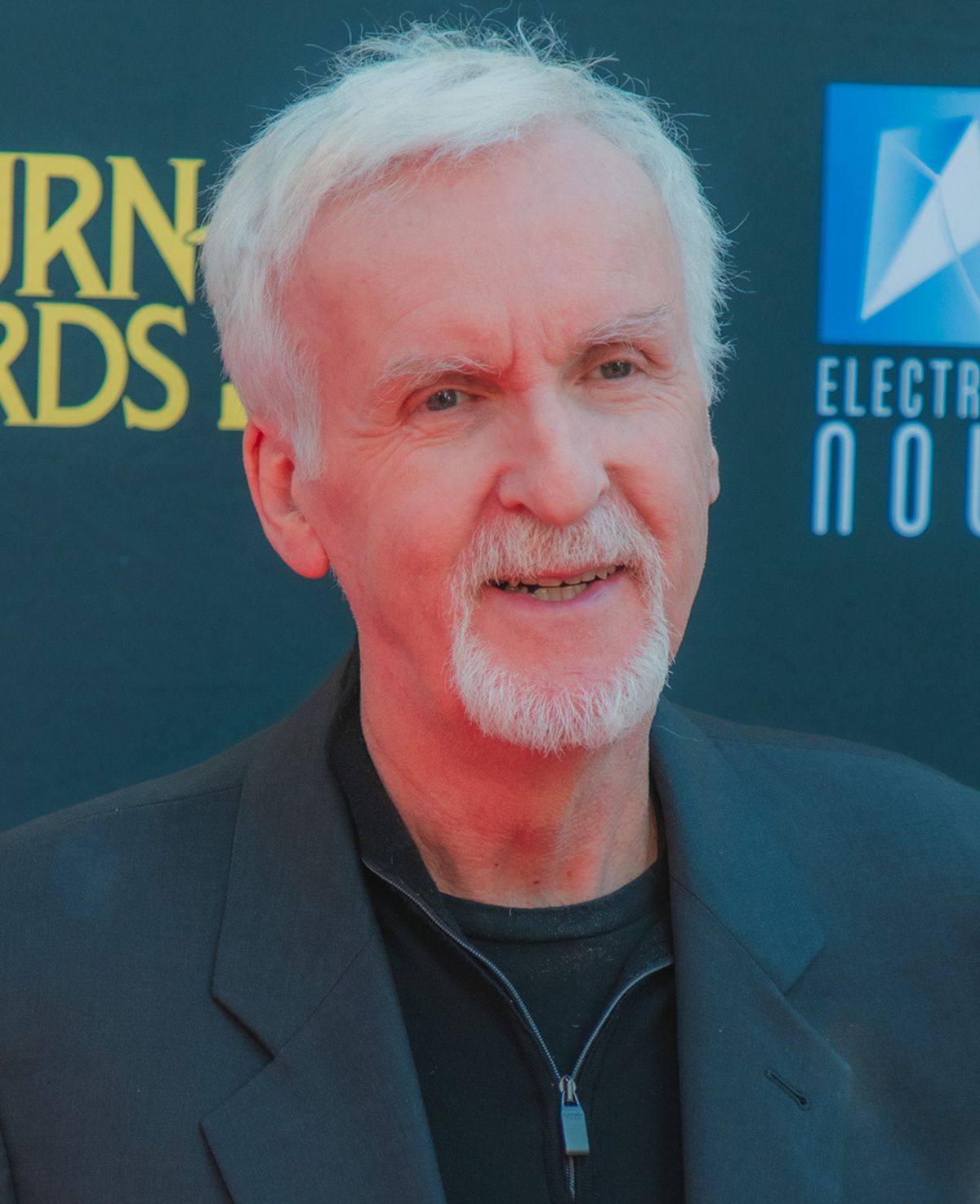
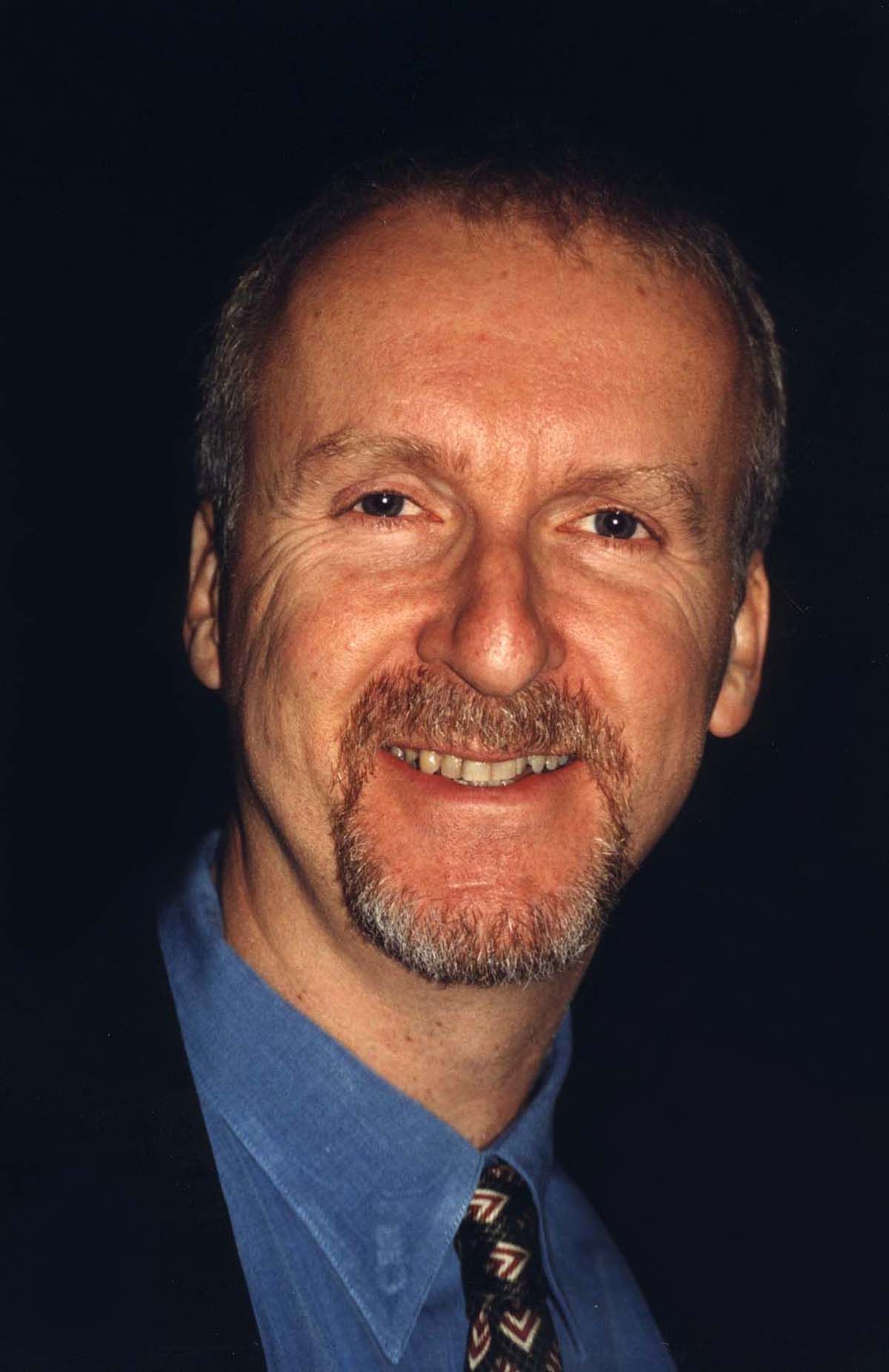
Titanic is a 1997 American epic historical romance film written and directed by James Cameron. The film tells the fictional love story of Jack Dawson and Rose DeWitt Bukater, played by Leonardo DiCaprio and Kate Winslet, set against the backdrop of the real-life sinking of the RMS Titanic in 1912. For Canadian audiences, the film holds particular resonance due to Halifax, Nova Scotia's role as the final resting place for many victims of the disaster, a connection highlighted by a notable gravesite in the film's lore. Upon release, Titanic became a global cultural phenomenon, breaking box office records and winning eleven Academy Awards, including Best Picture and Best Director.
Production and Development
James Cameron's inspiration for Titanic stemmed from his long-standing fascination with shipwrecks, and he believed a central love story was essential to convey the human tragedy of the 1912 disaster. Pre-production involved extensive research dives to the actual wreck site, with filming for these modern sequences beginning on September 1, 1995, aboard the Russian research vessel Akademik Mstislav Keldysh, which Cameron had previously used as a base for filming the wreck. The production utilized a combination of detailed scale models, pioneering computer-generated imagery, and practical effects to recreate the Titanic's opulence and its catastrophic sinking, with the flooding of the grand staircase set being one of the most complex practical sequences. The film's budget escalated during production, eventually reaching $200 million, which made it the most expensive film ever made at that time. The financial risk led 20th Century Fox to partner with Paramount Pictures, with Paramount handling distribution in the United States and Canada while Fox managed international release, a partnership forged due to the mounting costs and production delays.

Plot Synopsis
The film employs a framing device set in 1996, where treasure hunter Brock Lovett searches the Titanic wreck for a valuable diamond necklace called the Heart of the Ocean. Rose then recounts her memories of 1912, when as a 17-year-old first-class passenger named Rose DeWitt Bukater, she boarded the Titanic in Southampton with her domineering mother Ruth and her wealthy, arrogant fiancé Caledon Hockley. Despondent over her constrained future and a loveless engagement meant to solve her family's debt, Rose contemplates suicide by jumping from the ship's stern but is stopped by Jack Dawson, a penniless artist travelling in third class who had won his ticket in a poker game. The two form a deep connection, with Jack showing Rose a world of freedom and joy, culminating in a romantic relationship that defies the strict social hierarchies of the era, including a scene where Jack draws Rose wearing only the Heart of the Ocean necklace. Their love story unfolds as the ship sails toward its fateful encounter with an iceberg on the night of April 14, 1912, an event they witness from the forward deck.
After the collision, the narrative shifts to the chaos of the sinking as officers discuss the severity of the situation. Cal, having discovered Jack's sketch of Rose, frames Jack for theft by having his valet plant the necklace on him, leading to Jack's imprisonment in the master-at-arms' office. Rose rescues Jack as the ship begins to flood, and they reunite on deck amidst the frantic evacuation where women and children are being prioritized for the lifeboats. Cal persuades Rose to board a lifeboat, claiming he and Jack will follow on another, and he unwittingly gives her his coat containing the necklace, but she leaps back onto the sinking ship to be with Jack. The final act depicts Jack and Rose fighting for survival as the Titanic's flooded bow sinks and the stern rises into the air before the ship splits in two, with the stern section sinking into the freezing North Atlantic. Jack helps Rose onto a floating wooden panel, but he succumbs to hypothermia in the freezing water, making Rose promise to survive and live a full life before he dies. Rose is eventually rescued by the returning Lifeboat 6, overseen by Fifth Officer Harold Lowe, after she uses a whistle to attract attention, and she gives her name as Rose Dawson upon arrival in New York on the RMS Carpathia. In the film's conclusion back in 1996, Rose reveals she has possessed the Heart of the Ocean all along and drops it into the sea above the wreck, finally at peace, and Lovett abandons his search, moved by her story.
Principal Cast and Characters
The film features a large ensemble cast blending fictional and historical characters. Leonardo DiCaprio stars as Jack Dawson, a charismatic and impoverished itinerant artist from Chippewa Falls, Wisconsin, who has travelled the world and wins his third-class ticket aboard Titanic in a poker game. Kate Winslet plays Rose DeWitt Bukater, a 17-year-old from Philadelphia forced into an engagement to maintain her family's status after her father's death leaves them debt-ridden, who finds liberation through her relationship with Jack. Billy Zane portrays Rose's fiancé, the cruel and possessive steel heir Caledon 'Cal' Hockley, who is thirty years old and the heir to a Pittsburgh steel fortune. Frances Fisher plays Ruth DeWitt Bukater, Rose's mother, who arranges the engagement to Cal and believes social position is more important than a loving marriage, strongly disliking Jack despite him saving Rose's life. Bill Paxton appears as treasure hunter Brock Lovett, whose perspective on the disaster is changed by Rose's story, leading him to reflect that he never understood the Titanic until hearing her account.
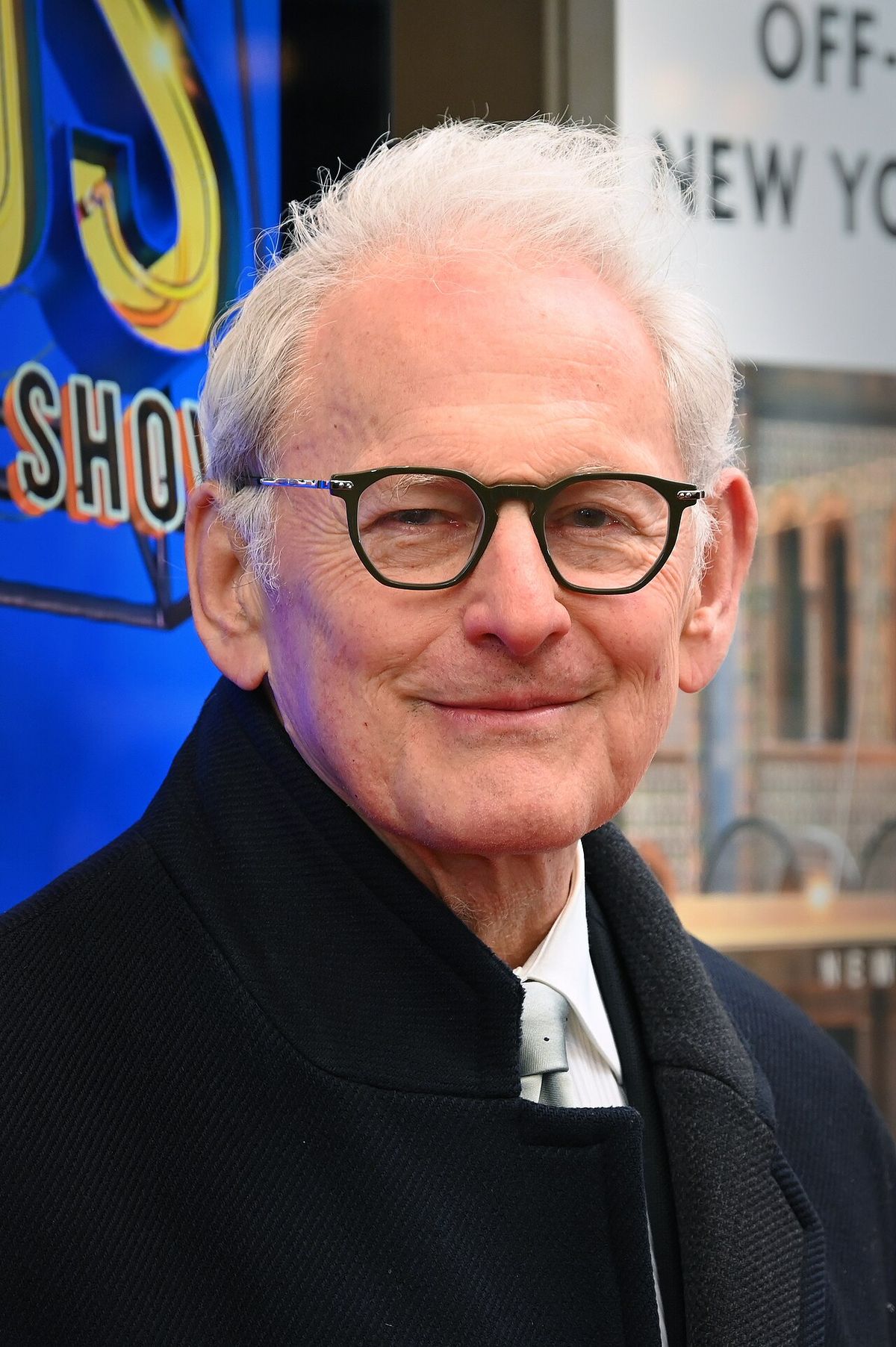
The supporting cast includes several historical figures portrayed within the fictional narrative, with Kathy Bates as Margaret 'Molly' Brown, the outspoken and kind-hearted first-class passenger who lends Jack a suit and is later dubbed 'Unsinkable.' Victor Garber plays Thomas Andrews, the ship's designer filled with remorse as his creation sinks, depicted standing in the first-class smoking room lamenting his failure. Bernard Hill portrays Captain Edward John Smith, who planned the voyage as his retirement trip and is shown retreating into the wheelhouse as the ship sinks. Jonathan Hyde plays J. Bruce Ismay, the managing director of the White Star Line, depicted as ignorant and boorish, influencing Smith to go faster and later boarding a lifeboat, which historically branded him a coward. Eric Braeden appears as John Jacob Astor IV, the richest man on the ship, who is last seen as the glass dome over the Grand Staircase implodes. Several officers are also depicted, including Ewan Stewart as First Officer William Murdoch, who is shown shooting passengers and then himself, a portrayal that led to a formal apology and donation from Fox to his hometown, and Ioan Gruffudd as Fifth Officer Harold Lowe, the only officer to return to rescue survivors, who saves Rose.
- Danny Nucci as Fabrizio De Rossi, Jack's Italian best friend who is killed when a funnel collapses.
- David Warner as Spicer Lovejoy, Cal's valet and ex-Pinkerton constable who dies when the ship splits.
- Suzy Amis as Lizzy Calvert, Rose's granddaughter in the modern scenes.
- Jason Barry as Tommy Ryan, an Irish third-class passenger accidentally shot by Murdoch.
- Jonathan Evans-Jones as bandmaster Wallace Hartley, who leads the band in 'Nearer, My God, to Thee.'
Release and Box Office Performance
Titanic had its world premiere at the Tokyo International Film Festival on November 1, 1997, before its wide release in North America on December 19, 1997, distributed by Paramount Pictures in the United States and Canada. The film's theatrical run was unprecedented, driven by strong word-of-mouth and repeat viewings, and it quickly became the highest-grossing film of 1997. It achieved the milestone of being the first motion picture in history to earn over $1 billion worldwide during its initial release, with a total of approximately $1.84 billion. This achievement made it the highest-grossing film of all time, a record it held for over a decade until it was surpassed by James Cameron's own Avatar in 2010. As of 2026, this cumulative figure makes it the fifth-highest-grossing film in history, having been the second film to cross the $2 billion mark after Avatar . The film's total financial intake, incorporating income from the initial theatrical release, retail home video sales, soundtrack sales, and United States broadcast rights, has been reported to exceed $3.2 billion.
Critical Reception and Awards
Upon release, Titanic received widespread critical acclaim, particularly for its groundbreaking visual effects, emotional storytelling, and the performances of its leads, including that of Gloria Stuart as the elder Rose. Critics praised James Cameron's ambitious direction, James Horner's musical score, Russell Carpenter's cinematography, and the film's meticulous production design and emotional depth. It went on to win eleven Oscars, tying the record set by Ben-Hur (1959), which made it the most successful individual film in Academy Award history at that time. The film's major Academy Award wins included Best Picture, Best Director for James Cameron, Best Art Direction, Best Cinematography, Best Costume Design, and Best Film Editing. It also won for Best Original Dramatic Score, Best Original Song for 'My Heart Will Go On,' Best Sound, Best Sound Effects Editing, and Best Visual Effects, demonstrating its technical and artistic mastery across many categories.
The film Titanic won four Golden Globe Awards for Best Motion Picture Drama, Best Director, Best Original Score, and Best Original Song. In 2017, the Library of Congress selected Titanic for preservation in the United States National Film Registry. The Library cited the film as being culturally, historically, or aesthetically significant. The film's success with awards guilds and international bodies solidified its status as a cinematic landmark. Titanic achieved a level of critical and commercial supremacy that few films have matched.
Cultural Impact and Legacy
Titanic left an indelible mark on global popular culture, becoming far more than a box office success and spawning a dedicated fandom. The film's soundtrack, featuring Céline Dion's 'My Heart Will Go On,' became a worldwide hit, topping charts for weeks and winning the Academy Award, and is inextricably linked to the movie's emotional core. The line 'I'm the king of the world!' delivered by Leonardo DiCaprio entered the cultural lexicon and is often parodied, while the film's depiction of romance and tragedy resonated deeply with audiences, sparking a renewed and lasting fascination with the historical disaster. In Canada, the film indirectly highlighted the country's connection to the tragedy, particularly through the notable grave of a J. Dawson in Halifax's Fairview Cemetery, which became a site of pilgrimage for fans despite the character being fictional, as the producers were unaware of the grave until after the film's release. The film's production also had a lasting impact on filmmaking technology, advancing the use of CGI for large-scale effects like the digital ocean and crowds, and pushing the boundaries of digital compositing and scale model work. The portrayal of First Officer William Murdoch sparked significant controversy, as his depiction shooting passengers and committing suicide was seen as damaging to his heroic reputation by his family. This led to a formal apology from Fox vice president Scott Neeson, who travelled to Murdoch's hometown of Dalbeattie, Scotland, to deliver it personally and present a £5000 donation to the local high school's William Murdoch Memorial Prize. James Cameron later apologized on the DVD commentary but defended the portrayal as that of an honourable man under immense pressure, citing historical accounts of officers firing shots.
Historical Depiction and Dramatic License
While Titanic is based on a real historical event, James Cameron took significant dramatic license in crafting the narrative, incorporating both historical and fictional aspects to serve the story. The central love story between Jack and Rose is entirely fictional, serving as an emotional vehicle to explore the class divisions and human drama of the sinking, though Jack's character was originally intended for River Phoenix before his death in 1993. The film incorporates many accurate details, such as the design of the ship, the sequence of events during the sinking, and the portrayals of certain historical figures like Thomas Andrews being shown in the smoking room and Captain Smith on the bridge. However, it also includes scenes and characterizations not supported by historical evidence, such as J. Bruce Ismay pressuring the captain for speed or the specific altercation involving Molly Brown commandeering a lifeboat, which is based on legend. The film's depiction of the ship's final moments, including its break-up and the angle of the stern, was informed by Cameron's own exploration of the wreck and was considered more accurate than previous film versions at the time, particularly the 1958 film A Night to Remember.
The movie successfully blended these elements to create a compelling and emotionally powerful story that introduced the history of the Titanic to a new generation. Specific historical accuracies include the portrayal of the band playing until the end, the use of distress flares, and the correct number of lifeboats, while inaccuracies include the portrayal of First Officer Murdoch's death and the extent of panic during the evacuation. Characters like Colonel Archibald Gracie and Benjamin Guggenheim are depicted in manners consistent with popular accounts, with Guggenheim famously stating he was prepared to go down as a gentleman. The film's framing device with the treasure hunt, while fictional, allowed for a modern connection to the wreck and commentary on the commodification of the tragedy. Ultimately, Cameron's approach prioritized emotional truth and narrative drive over strict historical fidelity, a choice that proved massively successful in engaging a global audience with the human stories behind the disaster.
Supporting Cast and Character Details
Beyond the principal actors, the film's extensive supporting cast filled out the world of the Titanic with both fictional and historical personas. Danny Nucci played Fabrizio De Rossi, Jack's Italian best friend who boards with him and is killed when one of the ship's funnels breaks and crashes into the water. David Warner portrayed Spicer Lovejoy, Cal's English valet and bodyguard, a former Pinkerton constable who monitors Rose and plants the necklace on Jack, dying when the ship splits. Warner had previously appeared in the 1979 TV miniseries S.O.S. Titanic. Suzy Amis appeared as Elizabeth 'Lizzy' Calvert, Rose's granddaughter who accompanies her to the Keldysh. Jason Barry played Tommy Ryan, an Irish third-class passenger who befriends Jack and is accidentally shot by First Officer Murdoch during a panic. Jonathan Evans-Jones had the role of bandmaster Wallace Hartley, who leads the band in performing 'Nearer, My God, to Thee' as the ship sinks, a detail based on survivor accounts. Other notable supporting performances included Victor Garber's poignant turn as Thomas Andrews, Bernard Hill's stoic Captain Smith, and Eric Braeden's brief appearance as John Jacob Astor IV. The officers were portrayed by a group of actors including Ewan Stewart (Murdoch), Jonathan Phillips (Second Officer Charles Lightoller), Ioan Gruffudd (Fifth Officer Harold Lowe), and Simon Crane (Fourth Officer Joseph Boxhall). Historical figures like Father Thomas Byles, played by James Lancaster, were shown praying with passengers, adding to the film's detailed representation of human responses to the crisis. Even smaller roles, such as Helga Dahl played by Camilla Overbye Roos, a Norwegian immigrant who has a reduced role from the original screenplay, contributed to the sense of a populated, living ship filled with individuals from all walks of life facing a shared catastrophe.
Questions about Titanic (1997 film)
Is the character Jack Dawson from Titanic based on a real person?
No, Jack Dawson is a fictional character created by James Cameron. However, a grave in Fairview Cemetery in Halifax, Nova Scotia, belonging to a Titanic victim is labeled J. Dawson. The film's producers did not know of this grave until after the film was released. Cameron's original choice for the role was actor River Phoenix, who died in 1993, before Leonardo DiCaprio was cast.
How much did it cost to make Titanic?
The production budget for Titanic was $200 million. This made it the most expensive film ever made at the time. Delays and a mounting budget resulted in 20th Century Fox partnering with Paramount Pictures for financial help. The film was a historic box office success, grossing over $1.84 billion in its initial worldwide release.
How many Academy Awards did Titanic win?
Titanic won eleven Academy Awards at the 70th Academy Awards. Its wins included Best Picture and Best Director for James Cameron. The film received fourteen nominations, tying the record set by All About Eve. Its eleven wins tied the record set by Ben-Hur, making Titanic the most successful individual film in Academy Award history at that time.
Was Titanic the highest-grossing film of all time?
Yes, following its release in 1997, Titanic became the highest-grossing film of all time, a title it held for over twelve years. It was the first film to gross over $1 billion worldwide during its initial theatrical run, finishing with about $1.84 billion. Its record was eventually surpassed by James Cameron's next film, Avatar, in 2010. As of 2026, with subsequent re-releases included, Titanic's worldwide theatrical total is $2.264 billion, making it the fifth-highest-grossing film globally.
What is the Canadian connection to the Titanic film?
Canada's primary connection stems from Halifax, Nova Scotia, which served as the base for recovery operations following the 1912 disaster, and where 121 Titanic victims are buried in local cemeteries. The grave marked 'J. Dawson' in Fairview Cemetery became a point of interest for film fans after the movie's release, though the character is fictional. The fictional character of Jack Dawson hails from Chippewa Falls, Wisconsin, which is relatively close to the Canadian border, though this is a minor narrative detail. The film's distribution in Canada was handled by Paramount Pictures.
Who composed the music for Titanic?
The score for Titanic was composed by James Horner. The soundtrack is notably famous for the song 'My Heart Will Go On,' with music by Horner and lyrics by Will Jennings, performed by Canadian singer Céline Dion. The song became a global hit and won the Academy Award for Best Original Song. Horner's sweeping orchestral score also won the Oscar for Best Original Dramatic Score, and the soundtrack album achieved massive commercial success worldwide.
Sources and further reading
- Titanic (1997 film) (Wikipedia)
- Titanic (1997) directed by James Cameron (letterboxd.com)
- Titanic (1997) (Film) (tvtropes.org)
Checked by the Yadude Books desk. Last updated 2026-10-20.