Leslie Cheung
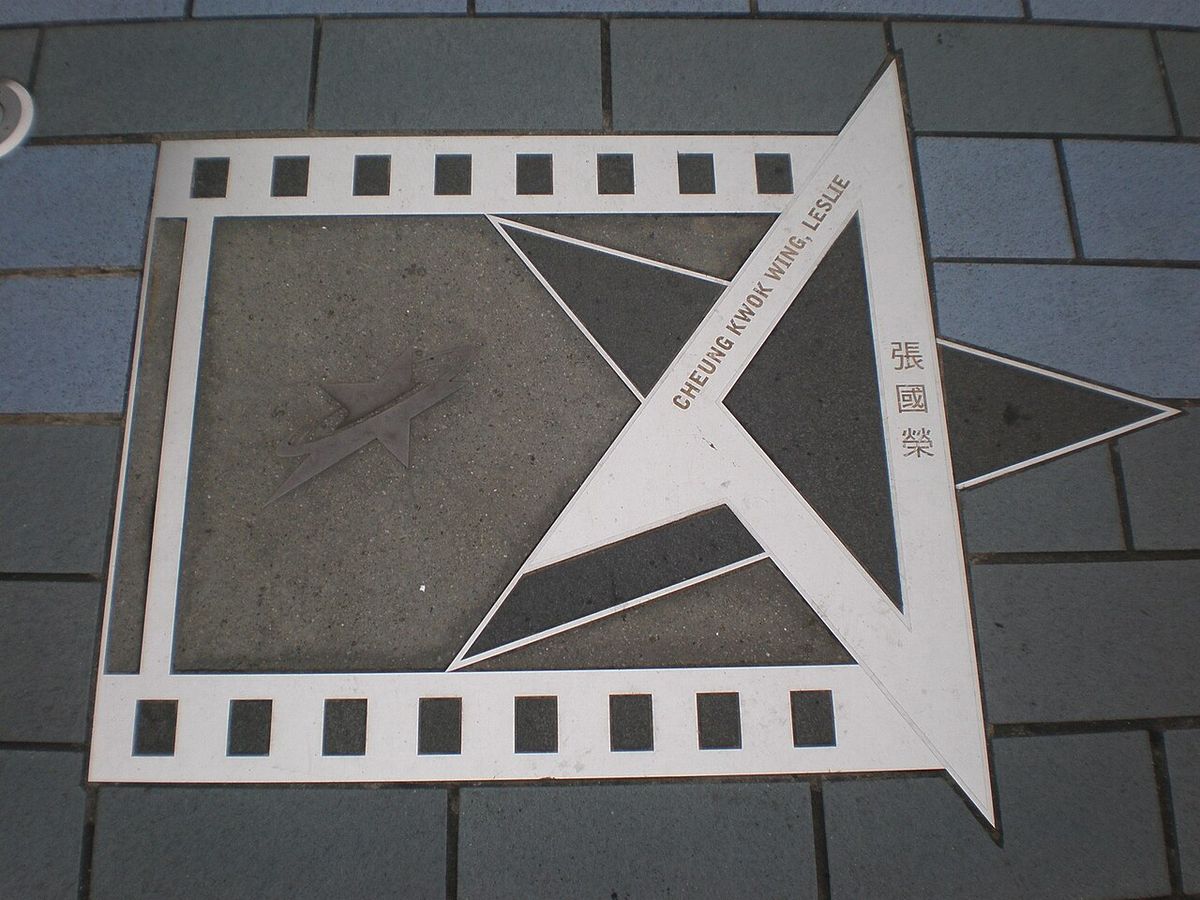
Leslie Cheung Kwok-wing was a Hong Kong singer, songwriter and actor who became one of the most influential cultural figures in the Sinophone world. Over a 26-year career, he released over 40 music albums and acted in 56 films, defining the sound of Cantopop in the 1980s and achieving pan-Asian fame through groundbreaking cinema. His connection to Canada includes a period of emigration to Vancouver following his initial retirement from music in 1989, and he performed for the Chinese diaspora in cities like Toronto and Calgary. Cheung's artistic work, marked by sonic experimentation and bold, androgynous imagery, continues to resonate globally, with major exhibitions and orchestral tributes honouring his work decades after his death in 2003.
Early life and education
Leslie Cheung was born Cheung Fat-chung on 12 September 1956 in Kowloon, British Hong Kong, as the youngest of ten children in a middle-class Hakka family. His father, Cheung Wut-hoi, was a renowned tailor whose clientele included Western film stars like Marlon Brando and Cary Grant. Despite this connection to fashion, Cheung described an unhappy childhood, feeling emotionally distant from his parents and siblings and deeply affected by his father's treatment of his mother. He was primarily raised by his grandmother, to whom he was very close, and later summed up his early years as filled with 'silent resentment'. Cheung attended Rosaryhill School in Hong Kong for his secondary education, where he excelled in English but struggled in other academic subjects. At the age of 12, he was sent to Eccles Hall School, a boys' boarding school near Norwich in England, where he encountered racial problems but managed to make friends. During weekends, he worked as a bartender and occasionally sang at a relative's restaurant in Southend-on-Sea. He adopted the English name Leslie, inspired by actor Leslie Howard, appreciating its unisex quality. Cheung later enrolled at the University of Leeds to study textile management but abandoned his studies after one year when his father suffered a stroke in 1976. Returning to Hong Kong, he worked as a salesman for Levi's jeans to support himself, feeling directionless during this period.
Career beginnings and early struggles
After returning to Hong Kong, Cheung re-enrolled in high school as a mature student and formed a band with classmates. In May 1977, he entered RTV's Asian Singing Contest as an individual contestant, finishing as first runner-up in the Hong Kong division and fifth overall in the pan-Asian competition with a rendition of 'American Pie'. This performance led to a three-year acting contract with RTV and a recording deal with Polydor Records. His career start was difficult, marked by commercial failure and critical disdain. His first film role was in the 1978 softcore production Erotic Dream of the Red Chamber. His first three albums, including the 1979 Cantonese release Lover's Arrow, sold poorly, and critics derisively compared his voice to a chicken's. A performance at the 1977 Hong Kong Pop Folk Music Festival saw him booed off the stage. Cheung later described this era as 'full of despair and obstacles', feeling he was 'running into a rock'. Seeing little potential in his early work, Polydor allowed him to leave the label on his own terms.
Rise to Cantopop stardom and film success
Cheung's career turned a corner in 1982 when he signed with Capital Artists, a label closely tied to the dominant TVB network. His cover of Momoe Yamaguchi's 'The Wind Blows On' became his first hit, revitalising his image and earning his first gold certification from the IFPI Hong Kong. His follow-up album, Craziness, featuring songs from TVB dramas, was also a gold-certified success. His acting career gained momentum with a role in the 1982 film Nomad, for which he received a Best Actor nomination at the 1983 Hong Kong Film Awards. The year 1984 cemented his mass appeal with the release of the single 'Monica', a cover of a Japanese song by Kōji Kikkawa. The upbeat dance track topped charts, won gold song honours, and helped define a new, energetic trend in Cantopop. His self-titled 1984 album, featuring 'Monica', sold over 200,000 copies and was his first to be certified platinum. Starring roles in the TVB drama Once Upon an Ordinary Girl and the film Behind the Yellow Line alongside Maggie Cheung and Anita Mui further established his status. A publicised rivalry with fellow singer-actor Alan Tam fuelled Cantopop's booming sales throughout the decade.
Cheung's subsequent albums with Capital, including For Your Heart Only in 1985, continued his chart dominance. His 1986 single 'Who Feels the Same?' won the prestigious Gold Song Gold Award at TVB's Jade Solid Gold Awards, solidifying his position as a Cantopop royalty. He then moved to Cinepoly Records, where his 1987 album Summer Romance became the year's best-selling Cantopop release, achieving seven-times platinum status with over 350,000 copies sold. Its lead single, 'Sleepless Night', also won the Gold Song Gold Award in 1987. His 1988 albums Virgin Snow and Hot Summer were both commercial successes. In film, roles in John Woo's A Better Tomorrow (1986) and A Chinese Ghost Story (1987) propelled him to pan-Asian fame, particularly in South Korea and Japan. His on-screen chemistry with Anita Mui in films like Rouge (1988) was noted for its unprecedented charisma. In 1988, he began a 23-date sold-out tour at the Hong Kong Coliseum, sponsored by Pepsi, which drew over 250,000 spectators and included shows for the Chinese diaspora in North American cities like Calgary, Toronto and Vancouver.
Retirement, emigration and focus on film
In the context of the 1989 Tiananmen Square protests and the impending handover of Hong Kong, Cheung announced his retirement from singing in 1989 and emigrated to Vancouver, Canada. Prior to his departure, he released three final albums with Cinepoly, Leslie '89, Salute, and Final Encounter, all of which achieved platinum certification. He won Most Popular Male Artist at the Jade Solid Gold Awards in both 1988 and 1989. His farewell concert tour in support of Final Encounter consisted of 33 consecutive sold-out shows at the Hong Kong Coliseum. He donated profits from his album Salute to the Hong Kong Academy for Performing Arts, which later established the Leslie Cheung Memorial Scholarship. During his music hiatus from 1989 to 1995, Cheung focused intensely on his film career. He won the Best Actor award at the 1991 Hong Kong Film Awards for his role in Wong Kar-wai's Days of Being Wild. He gained international acclaim for his performance as a cross-dressing Peking opera actor in Chen Kaige's Farewell My Concubine (1993), which won the Palme d'Or at the Cannes Film Festival. Although he did not release commercial music albums during this period, he composed over ten songs for films, winning the Best Original Movie Song award at the 1993 Golden Horse Film Festival for 'Red Cheek, White Hair' from The Bride with White Hair.
Artistic reinvention and later career
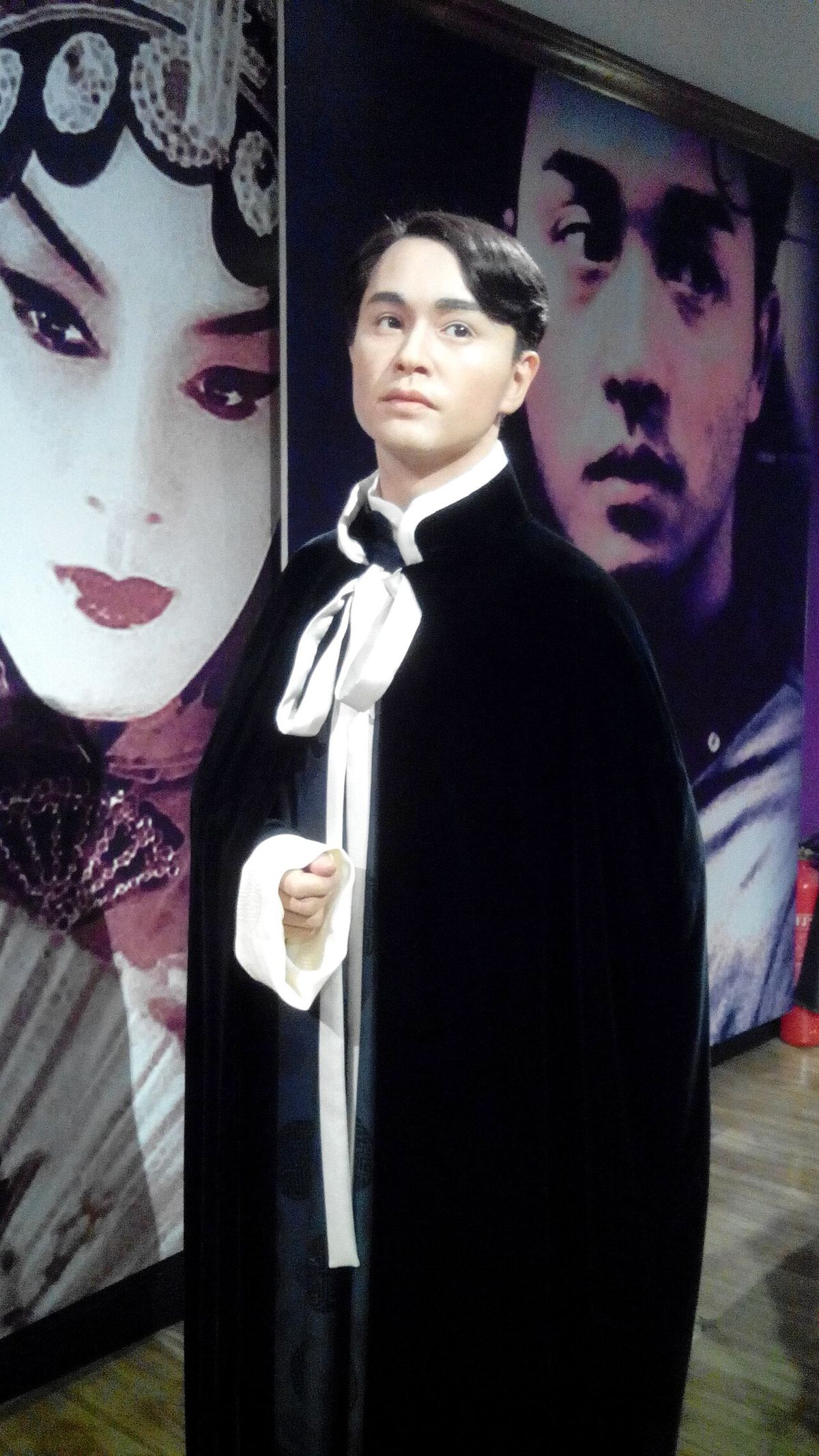
Cheung returned to the music industry in 1995, signing with Rock Records and releasing the comeback album Beloved, which won the IFPI Best Selling Album award. With his 1996 album Red, he began a full collaboration with composer C. Y. Kong and lyricist Lin Xi, embracing a daring, self-reflective, and sexually ambiguous style. His 1999 song 'Left and Right Hand' hinted at his sexuality, while his 2000 song 'I', with lyrics by Lin Xi, became known as his coming-out anthem. In 2001, he directed the music video for his song 'Bewildered', featuring intimate scenes with Japanese ballet dancer Nishijima Kazuhiro, which was banned by TVB for allegedly promoting homosexuality. In film, he received consecutive Best Actor nominations at the Cannes Film Festival for Temptress Moon (1996) and Happy Together (1997). In 1998, he served as a jury member at the 48th Berlin International Film Festival. His final concert series, the Passion Tour, ran from 2000 to 2001 in Hong Kong and internationally. For the tour, he collaborated with fashion designer Jean Paul Gaultier on costumes that explored themes of androgyny and bisexuality. The Passion Tour broke attendance records across Asia, including a record for the first foreign artist to hold 16 concerts in Japan. Despite acclaim abroad, the tour faced hostile criticism from some Hong Kong media for its gender-crossing aesthetics, which both Cheung and his agent later linked to his subsequent depression. Cheung's major concert tours included the following landmark series:
- 1988: 23-date Pepsi-sponsored tour at Hong Kong Coliseum and North America.
- 1989 to 1990: 33-show 'Final Encounter' farewell tour at Hong Kong Coliseum.
- 2000 to 2001: 'Passion Tour' in Hong Kong and overseas, featuring Jean Paul Gaultier designs.
Philanthropy and public service
Leslie Cheung was a dedicated patron of children's charities throughout his career. He was a major supporter of the Children's Cancer Foundation, donating HK$1 million in 1996 and launching five sets of RED charity cards to raise further funds. He pioneered the concept of charity fundraising at concerts, becoming the first Cantopop star to do so. For a 1997 concert, he set up a collection booth for the RED Card charity, raising over HK$800,000, to which he and friends added more to make a total donation of HK$1 million. He was also a patron of the End Child Sexual Abuse Foundation (ECSAF), founded by actress Josephine Siao, and served as its goodwill ambassador in 2002. In 1999, he participated in a relief fundraiser after the Taiwan earthquake, donating HK$250,000 for a bowl of fried rice, with fan donations matching the amount for a HK$500,000 total. He supported the 'Star Second-hand Shop' charity auction by Sun Entertainment, donating prized personal items including fashion pieces and a badminton racket. In 2003, he asked birthday party guests to give him cash instead of presents, which he then donated entirely to the Seedling protection fund.
Personal life and relationships
Cheung's personal life was a subject of public interest, though he maintained a degree of privacy. In 1977, while filming the RTV series Love Story, the 20-year-old Cheung met and began dating his 17-year-old co-star Teresa Mo. He proposed to her in 1979, but the sudden proposal startled her and led to their breakup. They later reconnected and remained close friends, co-starring in the 1992 film All's Well, Ends Well. Cheung had a brief relationship with actress Shirley Yim in 1980, which ended due to lifestyle incompatibility. From 1981 to 1983, he was in a relationship with model and actress Ngai Sze-pui, whom he met on the set of an ATV series. In 1984, he met Cindy Yeung, the youngest daughter of businessman Albert Yeung, who was seven years his junior and a fan. In his later years, Cheung was fairly open about his long-term relationship with boyfriend Daffy Tong. His 1997 film Happy Together, in which he played a gay man in a relationship, and his androgynous fashion statements, made him a pioneering figure for LGBTQ+ visibility in Hong Kong.
Death and cultural influence
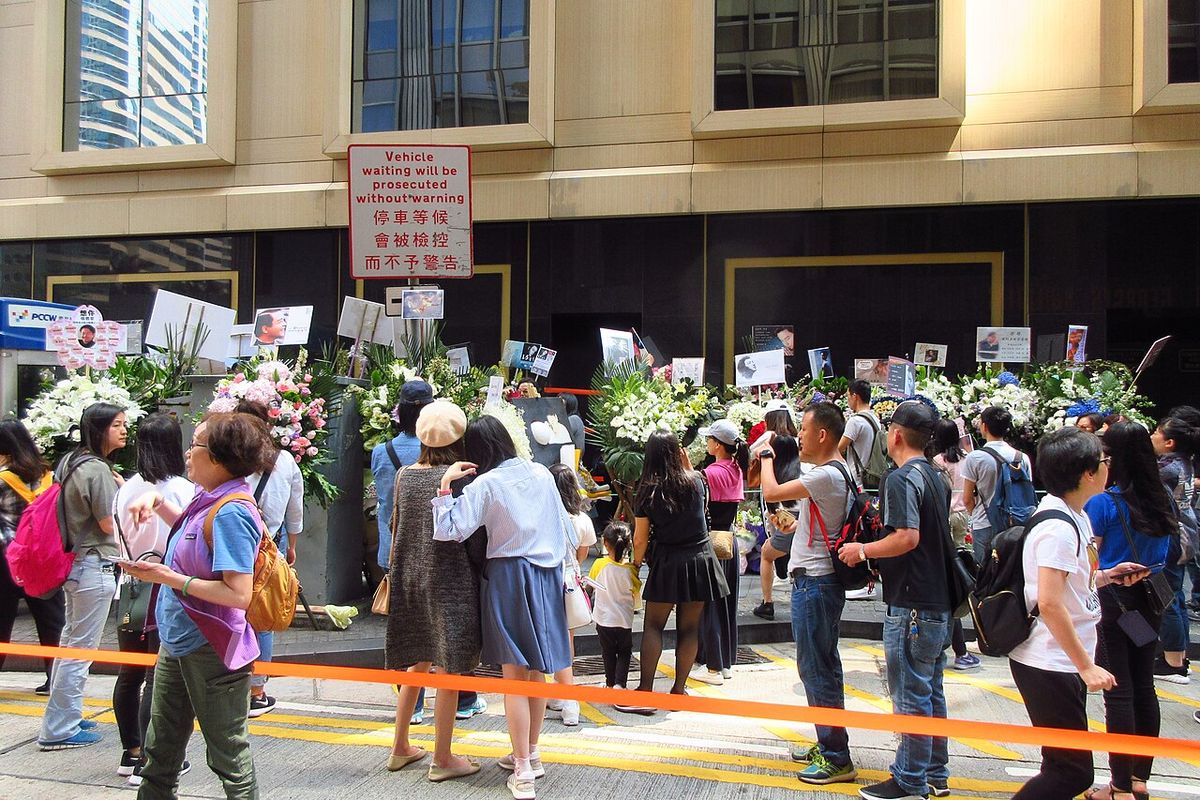
Leslie Cheung died by suicide on 1 April 2003 in Hong Kong. His death sent shockwaves through the entertainment world and among his global fanbase. In the years since, his artistic work has continued to be celebrated and studied. Major exhibitions have been mounted to honour his work, including the 'Miss You Much' retrospective celebrating his 70th birthday anniversary, which ran from September 2026 through May 2027 at the Hong Kong Heritage Museum. The exhibition featured personal items from his estate, shared by Daffy Tong, including stage costumes, awards, and vinyl records. Orchestral celebrations of his film music have been performed by groups like the Hong Kong Philharmonic. His music remains a staple in Cantopop events worldwide, with songs like 'Monica' and 'Sleepless Night' enduring as dancefloor classics. Cheung is remembered not only for his vast contributions to music and film but also for his role in challenging social norms and providing representation for LGBTQ+ communities. His work continues to attract new generations of fans, a phenomenon often referred to as 'Post-Leslie' fandom.
Discography and filmography highlights
Leslie Cheung's prolific output across music and film created a defining body of work for Hong Kong popular culture. His studio album Summer Romance (1987) sold over 350,000 copies, achieving seven-times platinum status and becoming the year's best-selling Cantopop release. His 1995 comeback album Beloved also sold over 300,000 copies and won the IFPI Best Selling Album award. Other key albums include For Your Heart Only (1985), Virgin Snow (1988), and the stylistically groundbreaking Red (1996). In film, his performances spanned a wide range of genres, from action and romance to intimate arthouse dramas. The following table highlights a selection of his most significant film roles and their accolades.
| Film | Year | Role Significance |
|---|---|---|
| A Better Tomorrow | 1986 | Propelled pan-Asian fame |
| A Chinese Ghost Story | 1987 | Consolidated pan-Asian fame |
| Days of Being Wild | 1990 | Lead role |
| Farewell My Concubine | 1993 | Cross-dressing opera actor |
| Happy Together | 1997 | Gay lead role |
Questions about Leslie Cheung
What was Leslie Cheung's connection to Canada?
Leslie Cheung emigrated to Vancouver, Canada, in 1989 following his announcement of retirement from singing. This move was part of a larger wave of Hong Kong emigration during that period. He also performed for the Chinese diaspora in several Canadian cities, including Calgary, Toronto and Vancouver, during his 1988 concert tour. His time in Canada represented a significant personal and professional hiatus before his return to Hong Kong and music in the mid-1990s.
What is Leslie Cheung's most famous song?
His 1984 hit single 'Monica' is widely considered his most famous song. It was a cover of a Japanese track by Kōji Kikkawa and topped charts in Hong Kong, winning gold song honours. The song's upbeat dance production helped define a new musical trend in Cantopop. It remains a staple at Cantopop events and is celebrated as a classic dance track over four decades after its release.
What charities did Leslie Cheung support?
Cheung was a dedicated patron of children's welfare charities. He was a major supporter of the Children's Cancer Foundation, donating HK$1 million in 1996 and organising charity fundraising at his concerts. He also served as a patron and goodwill ambassador for the End Child Sexual Abuse Foundation (ECSAF). He participated in disaster relief fundraising, such as for the 1999 Taiwan earthquake, and supported various charity auctions by donating personal items for sale.
For which film did Leslie Cheung win a Hong Kong Film Award?
Leslie Cheung won the Best Actor award at the 1991 Hong Kong Film Awards for his role in the film Days of Being Wild (1990). This film was directed by Wong Kar Wai and represented a major achievement in his acting career. The award solidified his status as a leading figure in Hong Kong cinema. Following this success, he gained further international acclaim for his role in Farewell My Concubine in 1993. His performance in that film also contributed to its historic Palme d'Or win at the Cannes Film Festival.
How is Leslie Cheung remembered in Hong Kong today?
Leslie Cheung is remembered as one of the most influential cultural icons in the Sinophone world and a founding father of Cantopop. Throughout his 26 year career, he released over 40 music albums and acted in 56 films, achieving pan Asian fame. His best selling albums, such as Summer Romance (1987), are among the top sellers in Hong Kong history. He is also recognized for his avant garde and androgynous stage presence, particularly during his later Passion Tour. Major exhibitions, like the 70th birthday retrospective planned for 2026, continue to celebrate his legacy in music and film.
What was significant about Leslie Cheung's Passion Tour?
Leslie Cheung's Passion Tour was significant for its artistic collaboration with fashion designer Jean Paul Gaultier, who created costumes focusing on Cheung's androgyny. The tour broke attendance records throughout Asia, setting a record for the first foreign artist to hold 16 concerts in Japan. However, it received hostile criticism in Hong Kong for its gender crossing themes. Both Cheung and his agent Florence Chen later attributed his depression to this negative media reception. Despite the local controversy, a 2011 CCTV review stated the tour represented the highest standard of Chinese concerts and had never been surpassed.
Sources and further reading
- Leslie Cheung (Wikipedia)
- Leslie Cheung: the artist who saved my life (ocultmag.com)
- Miss You Much.Leslie 70th Birthday.Exhibition (hk.heritage.museum)
Checked by the Yadude Books desk. Last updated 2026-10-27.