Steppenwolf
Steppenwolf, later known as John Kay & Steppenwolf, was an American rock band with significant ties to the Canadian music scene. Formed in Los Angeles in 1967 by singer John Kay, keyboardist Goldy McJohn, and drummer Jerry Edmonton, all former members of the Toronto band the Sparrows, the group became a leading force in hard rock. They achieved international recognition with hits like "Born to Be Wild," a song that introduced the phrase "heavy metal" into popular culture, and "Magic Carpet Ride," collectively selling over 25 million records. Their music, featured prominently in the film Easy Rider, and their Canadian origins secured them a lasting place in North American rock history, with four top 10 singles in Canada.
Origins in Toronto and Formation in Los Angeles
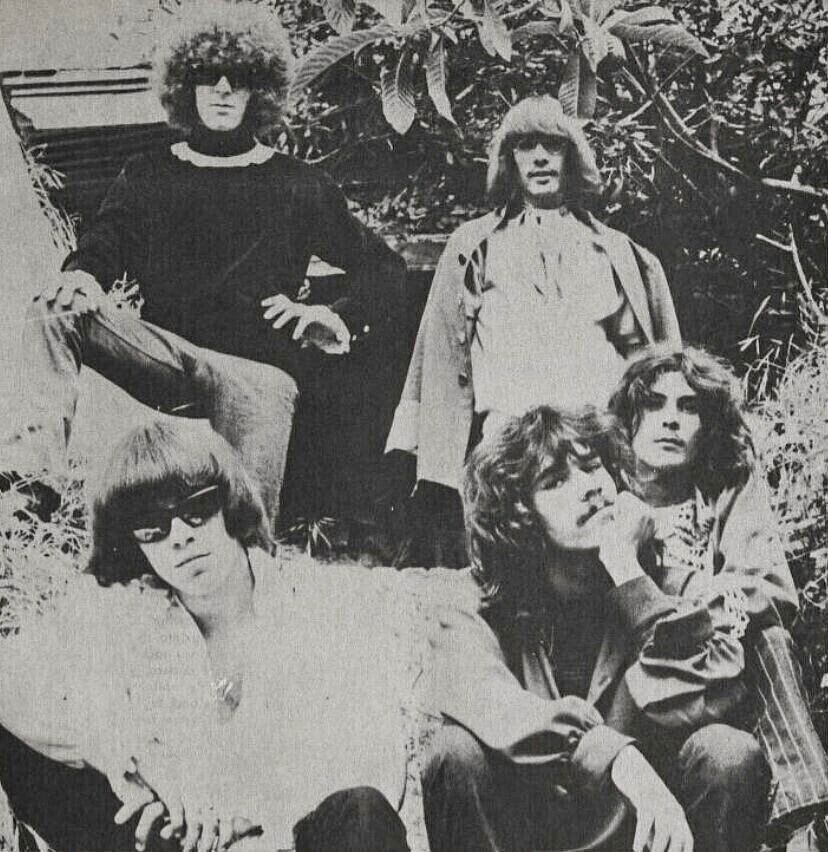
The musical journey that led to Steppenwolf began in 1964 in Toronto with the formation of the blues band the Sparrows. By 1965, the group's lineup included John Kay on vocals and harmonica, Goldy McJohn on keyboards, Jerry Edmonton on drums, his brother Dennis Edmonton on guitar, and Nick St. Nicholas on bass. They were a staple of the Yorkville coffeehouse scene, a centre for Canadian folk and rock music. Seeking broader success, the Sparrows travelled to New York and Los Angeles before settling in San Francisco by 1967, immersing themselves in the burgeoning psychedelic scene. It was there that producer Gabriel Mekler suggested singer John Kay reform the group with a new name, Steppenwolf, taken from the 1927 novel by German author Hermann Hesse. Kay, McJohn, and Jerry Edmonton moved back to Los Angeles and placed advertisements in local record and instrument stores to find guitarist Michael Monarch and bassist Rushton Moreve, finalizing the first Steppenwolf lineup in late 1967.
Breakthrough and Peak Commercial Success (1968 to 1970)
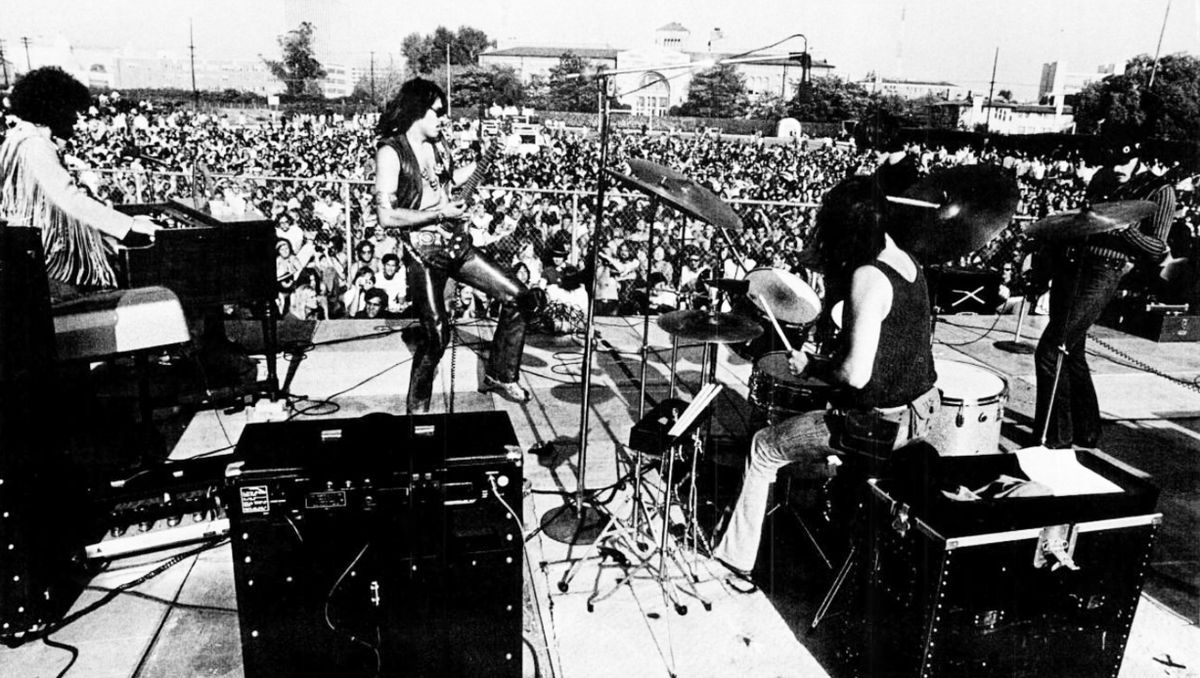
Steppenwolf's ascent to fame was rapid, driven by a raw, powerful sound that captured the rebellious spirit of the late 1960s. Their self titled debut album in 1968 contained two songs that would become counterculture landmarks: their version of Hoyt Axton's "The Pusher" and "Born to Be Wild." The latter, written by former Sparrow Dennis Edmonton under the name Mars Bonfire, was inspired by a roadside billboard advertisement Bonfire liked. Released as a single, it reached number two on the Billboard Hot 100 in August 1968, sold over one million copies, and was awarded a gold disc. The song's placement in the 1969 film Easy Rider, accompanying the opening credits of Peter Fonda and Dennis Hopper riding motorcycles, cemented its association with freedom and rebellion. The lyric "heavy metal thunder" was later adopted to describe a genre of music. That same year, the band played a major show at the Fillmore East in New York, sharing the bill with Buddy Rich and receiving rave reviews.
The band's second album, The Second, released later in 1968, produced another major hit with "Magic Carpet Ride." The song, written by John Kay and bassist Rushton Moreve, reached number three on the Billboard chart and also sold over one million copies. In 1969, the album At Your Birthday Party yielded the top 10 hit "Rock Me." Their following work took a more political turn with the 1969 album Monster, which questioned United States policy in the Vietnam War. The 1970 album Steppenwolf 7 included another Hoyt Axton penned song, "Snowblind Friend," which addressed the problems associated with drug use. During this peak period, Steppenwolf released seven gold albums and one platinum album in the United States, and charted 13 Billboard Hot 100 singles.
Personnel Changes and Initial Breakup
The band's early success was accompanied by frequent and often dramatic changes in membership. Bassist Rushton Moreve was fired in 1968 after missing gigs because he feared Los Angeles would be destroyed by an earthquake. He was briefly replaced by Rob Black before former Sparrow bandmate Nick St. Nicholas joined later that year. Lead guitarist Michael Monarch left in August 1969 due to a deteriorating relationship with John Kay, and was replaced by Larry Byrom. Nick St. Nicholas was let go in mid 1970. His on stage attire of muumuus and kaftans clashed with Kay's preferred leather vest and pants image. Bassist George Biondo was recruited, creating a lineup of Kay, Jerry Edmonton, Goldy McJohn, Larry Byrom, and George Biondo. Byrom himself quit in early 1971 over personal issues with McJohn, leading to the arrival of guitarist Kent Henry. This final core group recorded the 1971 album For Ladies Only, notable for its controversial cover art and for featuring several members on lead vocals. Internal conflicts culminated in a farewell concert in Los Angeles on Valentine's Day, 1972, after which Steppenwolf disbanded.
John Kay began a solo career, releasing the album Forgotten Songs and Unsung Heroes in 1972. The single "I'm Movin' On" from that album was a minor hit. A second solo album, My Sportin' Life, followed in 1973 on the Dunhill label but sold poorly. Later in 1972, a unique tour dubbed the RIP tour occurred, featuring both the John Kay Band and Steppenwolf at the top of the bill, promoting a Dunhill compilation album titled Rest in Peace.
Album Discography and Chart History
Steppenwolf's recorded output spans their initial fiery late 1960s period, a mid 1970s reunion, and the John Kay & Steppenwolf era that began in the 1980s. Their first eight albums for the Dunhill label, from 1968 to 1971, constitute their most celebrated work. These albums produced their three Billboard top 10 singles and addressed social and political themes. In Canada, they achieved significant chart success with four top 10 songs and a total of 14 entries in the top 100. Their later studio albums, such as Wolftracks (1982) and Rise & Shine (1990), continued to release new material for dedicated fans. A comprehensive 8 CD box set titled Magic Carpet Ride, The Dunhill / ABC Years 1967 to 1971 was released, containing all their albums from that period plus 26 bonus tracks from rare singles and mono mixes.
| Album | Year | Label | Key Single (Billboard Peak) |
|---|---|---|---|
| Steppenwolf | 1968 | Dunhill | "Born to Be Wild" (No. 2) |
| The Second | 1968 | Dunhill | "Magic Carpet Ride" (No. 3) |
| At Your Birthday Party | 1969 | Dunhill | "Rock Me" (No. 10) |
| Monster | 1969 | Dunhill | "Monster" |
| Steppenwolf Live | 1970 | Dunhill | , |
| Steppenwolf 7 | 1970 | Dunhill | "Snowblind Friend" |
| For Ladies Only | 1971 | Dunhill | , |
| Slow Flux | 1974 | Mums | "Straight Shootin' Woman" (Top 40) |
| Hour of the Wolf | 1975 | Epic | , |
| Skullduggery | 1976 | Epic | , |
The 1974 Reunion and Subsequent Legal Disputes
Steppenwolf reformed in 1974 with a lineup of John Kay, Jerry Edmonton, Goldy McJohn, George Biondo, and new lead guitarist Bobby Cochran, the nephew of rocker Eddie Cochran. They signed with Mums Records, partly due to Kay's dissatisfaction with Dunhill's support of his solo work. Their reunion album, Slow Flux, produced the band's final top 40 hit, "Straight Shootin' Woman." In February 1975, Goldy McJohn was dismissed for what Kay described as a decline in his performance quality and erratic behaviour. He was replaced by Andy Chapin on the 1975 album Hour of the Wolf, though McJohn still appeared on the artwork for the single "Caroline." After that album peaked at number 155 on the charts, Kay wanted to dissolve the band, but their label, now part of Epic Records, demanded one more album to fulfil their contract. The resulting album, Skullduggery (1976) with Wayne Cook on keyboards, was released without a supporting tour, and the band disbanded a second time in the fall of 1976.
Following this breakup, former members Goldy McJohn and Nick St. Nicholas formed a touring act called "New Steppenwolf" in the late 1970s. This group featured a revolving door of musicians, including vocalist Tom Holland and drummer Steve Riley, who later gained fame with W.A.S.P. and L.A. Guns. John Kay and Jerry Edmonton had initially licensed the use of the name but later sued for breach of contract. In 1980, St. Nicholas agreed to cease using the "New Steppenwolf" name, though legal disputes regarding promotional use of the Steppenwolf name continued until the year 2000.
John Kay & Steppenwolf Era and Final Years
The initial 1980 lineup featured Kay, guitarists Michael and Steve Palmer, keyboardist Danny Ironstone, and bassist Kurtis Teel. By 1981, Brett Tuggle replaced Ironstone and Chad Peery replaced Teel. The band released Live in London overseas. Keyboardist Michael Wilk joined in 1982, replacing Tuggle, and became a permanent fixture, later handling bass parts via keyboard sequencing. The 1982 studio album Wolftracks was notable as one of the earliest digitally recorded albums in the industry, captured live on a two track Sony digital system. Bassist Gary Link joined after that album's completion.
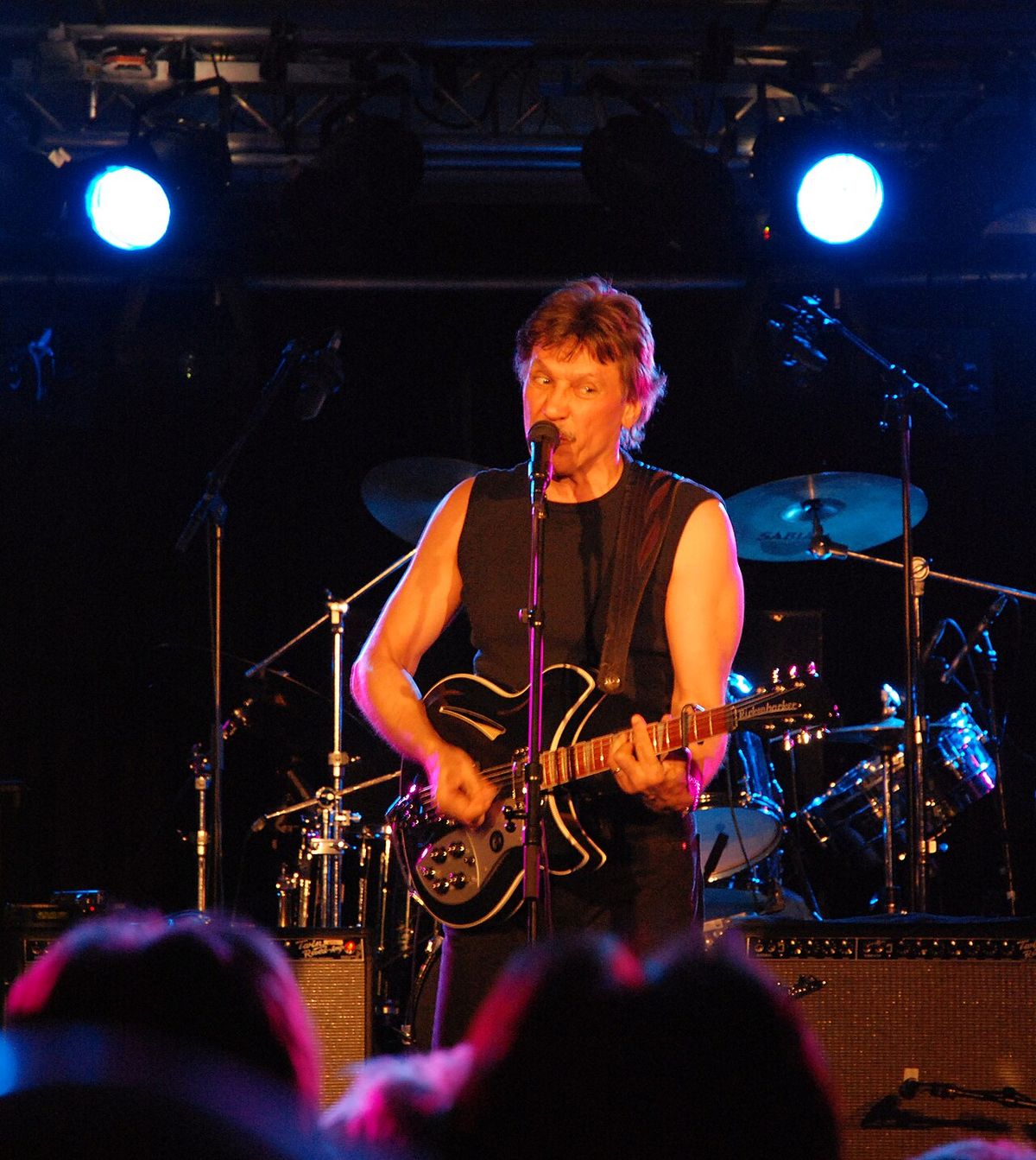
A major shift occurred in late 1984 when Kay and Wilk pared the band down to a quartet with drummer Ron Hurst and guitarist Rocket Ritchotte. This lineup released Rock N' Roll Rebels (1987) and Rise & Shine (1990). Guitarists Les Dudek and Steve Fister had brief tenures, with Danny Johnson taking over lead guitar duties in 1996 and remaining through the band's final show. The band performed a concert billed as their farewell on October 6, 2007, in Aberdeen, Maryland, but resumed touring in June 2009 with bassist Gary Link back in the fold. Their actual final concert as a band took place on October 14, 2018. John Kay announced this in November 2019, marking the end of Steppenwolf's touring career after more than five decades.
- The band's sound engineer for 30 years, Doug Adams, who worked on over 1,400 shows from 1988 to 2018, died on February 4, 2026.
- In 2002, the band performed at the International Hermann Hesse Festival in Calw, Germany, the author's birthplace.
- John Kay now performs solo acoustic shows, hosts a podcast titled "Rockstar to Wildlife Advocate," and focuses on the Maue Kay Foundation's wildlife and human rights work.
- Steppenwolf's song "Born to Be Wild" was selected as an inaugural inductee into the Rock and Roll Hall of Fame's singles category in 2018.
Members, Deaths, and Canadian Legacy
John Kay was the only constant member throughout Steppenwolf's history, serving as lead singer, rhythm guitarist, and primary songwriter from 1967 to 2018. The original 1967 to 1968 lineup that recorded the first hits consisted of Kay, Michael Monarch (lead guitar), Rushton Moreve (bass), Jerry Edmonton (drums), and Goldy McJohn (keyboards). The final touring lineup from 1996 to 2018 featured Kay, Michael Wilk (keyboards), Gary Link (bass), Ron Hurst (drums), and Danny Johnson (lead guitar). The band's story is marked by the loss of several original members. Keyboardist Goldy McJohn, a Canadian founding member, died of a heart attack in 2017 at the age of 72. Drummer Jerry Edmonton died in a car accident in 1993. Bassist Rushton Moreve died in 1981.
The band's connection to Canada is foundational. The core trio of Kay, McJohn, and Edmonton developed their sound in Toronto's Yorkville district with the Sparrows. John Kay himself immigrated to Canada in 1958, where he first heard American rock and roll on U.S. Armed Forces Radio and began his music career. As John Kay & Steppenwolf, the band maintained a strong touring presence in Canadian clubs and concert halls throughout the 1980s. Their musical legacy in Canada includes four top 10 singles and 12 top 40 entries, reflecting their enduring popularity with Canadian audiences who claimed them as their own due to their origins.
Cultural Impact and Post Band Activities
Steppenwolf's impact extends beyond record sales into film, language, and music history. Their music provided a crucial soundtrack for the 1969 film Easy Rider, with "The Pusher" accompanying a drug deal scene and "Born to Be Wild" setting the tone for the entire film. The latter song's lyric "heavy metal thunder" is frequently cited as the first use of the term "heavy metal" in rock lyrics, even if it originally described a motorcycle. The band's politically charged album Monster and socially conscious songs like "The Pusher" earned them a reputation as a thinking person's rock band. In 2017, the group was nominated for induction into the Rock and Roll Hall of Fame, a recognition of their influence, though they were not inducted.
Since the band's retirement, John Kay has focused on new ventures. He performs intimate solo concerts featuring blues rooted acoustic material, stories from his career, and new songs. He launched a podcast in 2026 called "Rockstar to Wildlife Advocate," which details his journey from music to activism. Together with his wife, he operates the Maue Kay Foundation, an organization dedicated to funding wildlife conservation and human rights projects globally. These activities represent a continued commitment to the ideals of personal freedom and social responsibility that were often present in Steppenwolf's music.
Questions about Steppenwolf
What is Steppenwolf's biggest hit song?
Steppenwolf's most successful and widely recognized hit is "Born to Be Wild," released in 1968. The single reached number two on the Billboard Hot 100 chart, sold over one million copies, and received a gold disc certification. Its inclusion in the opening sequence of the 1969 film Easy Rider permanently associated the song with motorcycle culture and rebellion. The track's lyrics also contain the phrase "heavy metal thunder," which later contributed to the naming of the heavy metal music genre.
Was Steppenwolf a Canadian band?
Steppenwolf was an American band formed in Los Angeles, but its founding members had strong Canadian connections. The band was created by three former members of the Toronto based blues group the Sparrows: singer John Kay (a German immigrant who came to Canada in 1958), keyboardist Goldy McJohn, and drummer Jerry Edmonton. Their early musical development occurred in Toronto's Yorkville village, and they frequently toured Canada throughout their career. This origin story makes them a band with significant Canadian roots, though they achieved their commercial breakthrough in the United States.
Why did Steppenwolf break up the first time?
Steppenwolf initially disbanded in 1972 due to persistent internal conflicts and clashing personalities among the core members. The intense pressure of worldwide success from 1968 to 1972, combined with numerous lineup changes, created an unsustainable environment. After their final album of that era, For Ladies Only (1971), the group played a farewell concert in Los Angeles on Valentine's Day, 1972. John Kay then began a solo career, releasing two albums on the Dunhill label before the band's first reunion in 1974.
Is Steppenwolf in the Rock and Roll Hall of Fame?
Steppenwolf has not been inducted into the Rock and Roll Hall of Fame as a performing group. However, the institution has recognized their contribution. The band was nominated for induction in 2017 but did not receive enough votes for inclusion. In 2018, their signature song "Born to Be Wild" was honoured as an inaugural selection in the Hall of Fame's new singles category, acknowledging the track's lasting cultural and musical influence.
What does John Kay do now that the band has ended?
Following Steppenwolf's final concert in October 2018, John Kay returned to performing as a solo acoustic artist. His shows include material from his solo albums, newly written songs, and stories from his five decade career in music. He also hosts a podcast launched in 2026 titled "Rockstar to Wildlife Advocate," which chronicles his life and advocacy work. His primary philanthropic focus is the Maue Kay Foundation, which he runs with his wife to support global wildlife conservation and human rights projects.
How many records did Steppenwolf sell?
Steppenwolf sold over 25 million records worldwide across their entire career. In the United States, they were awarded seven gold albums and one platinum album for their sales achievements. They placed 13 singles on the Billboard Hot 100 chart, with seven reaching the Top 40 and three, "Born to Be Wild," "Magic Carpet Ride," and "Rock Me", breaking into the top 10. Their chart success in Canada was also notable, with four songs reaching the top 10 and a total of 14 entries in the top 100.
Sources and further reading
- Steppenwolf (Wikipedia)
- Steppenwolf (steppenwolf.com)
- An Intimate Evening with JOHN KAY of Steppenwolf (parkcityshows.com)
- Steppenwolf (thecanadianencyclopedia.ca)
- Steppenwolf Tickets, 2026 to 2027 Concert Tour Dates (ticketmaster.ca)
Checked by the Yadude Books desk. Last updated 2026-10-30.