Ubisoft cuts 166 jobs at its Montreal and Quebec City studios
The video game giant is cutting production and support roles, representing less than four per cent of its Canadian workforce.
Explainer
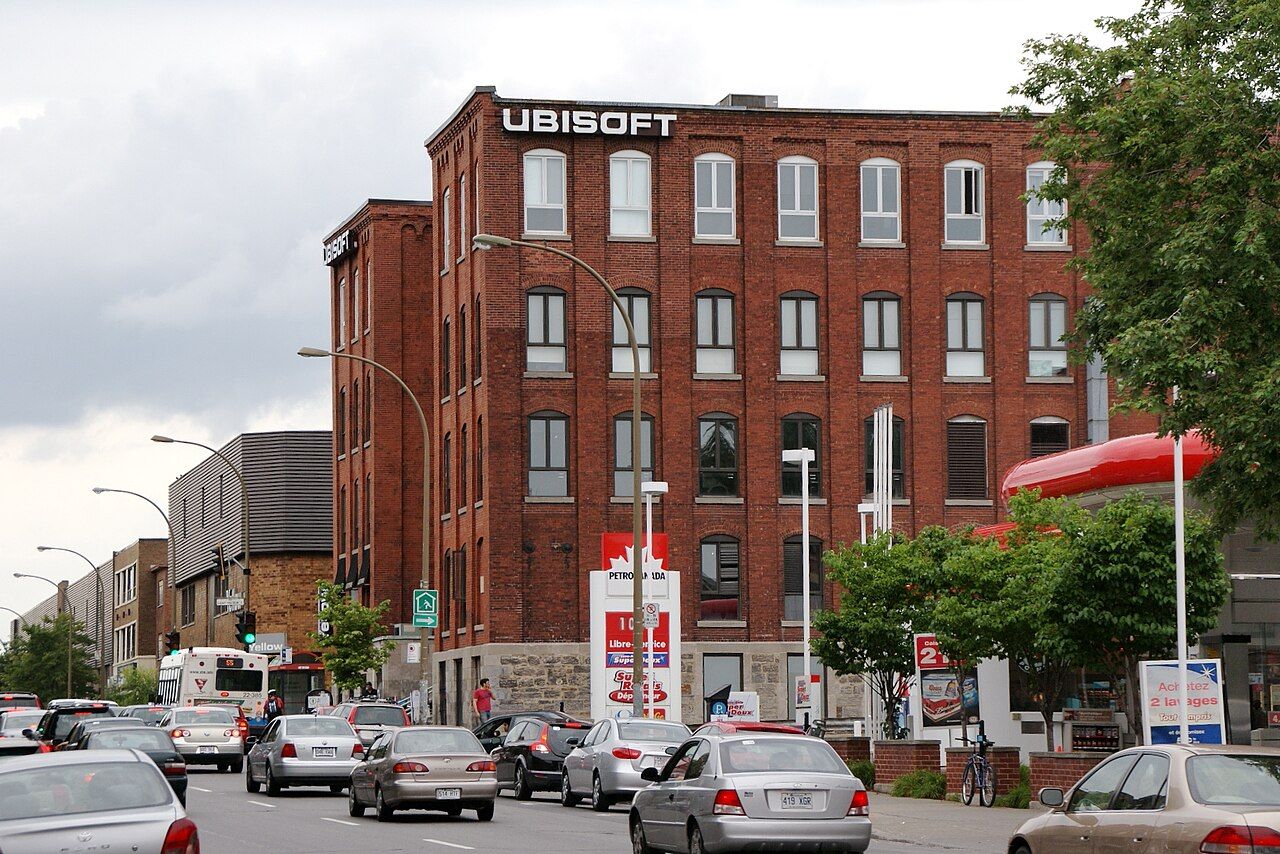
Ubisoft is eliminating 166 jobs at its Montreal and Quebec City studios, the company confirmed on Thursday. The layoffs affect 128 positions in Montreal and 38 in Quebec City, representing less than four per cent of the video game producer's Canadian workforce. A company spokesperson said the cuts impact production teams and some workers that support production. Those affected will receive severance pay, extended health care benefits and career transition services. "As our portfolio evolves, our production needs are changing, requiring us to adjust the size of some teams to ensure our resources are aligned with current production priorities and business needs," the company said in a statement. The company said it highly values the contribution of these teams and recognizes the impact this decision may have on colleagues, and is committed to supporting them throughout the process with care and respect. The company declined to specify which positions or projects were affected.
What other cuts has Ubisoft made this year?
The layoffs are part of a broader restructuring for the Paris-based company, which has cut about 800 jobs in 2026 in a bid to reduce expenses by $315 million. Ubisoft closed its Winnipeg studio in June, impacting about 65 employees. In January, the company shut down its Halifax studio, putting 71 employees out of work shortly after they formed the company's first union in North America. Ubisoft maintained the Halifax closure was a result of cost-cutting and efficiency measures and predated the unionization efforts. The union representing Halifax workers filed a complaint against the company after that studio was closed. GamesIndustry.biz reported that the latest cuts include members of Vantage Studios, the joint venture with Tencent that houses the Assassin's Creed, Far Cry and Rainbow Six franchises. Ubisoft has also closed studios including Ubisoft RedLynx and Ubisoft Belgrade this year.
READ MORE: Sherritt International to temporarily lay off nearly half of its Canadian staff
READ MORE: Stelco lays off 85 more workers as steel industry jobs shrink
How is the broader video game industry faring?
The video game sector is handling a prolonged rough patch after a surge in demand and investment during the COVID-19 pandemic. "Investments and team sizes boomed across the industry during the pandemic when consumers had more free time to spend gaming," said Brendan Sinclair, a journalist with The Logic. "But as lockdowns lifted and consumers spent less time gaming, some of those big bets on games didn't pay off." Sinclair added that the industry has lost a lot of its appeal for investors, particularly at the high end of the blockbuster video game market where Ubisoft operates. Other major developers in Montreal, including Eidos, Electronic Arts, Behaviour Interactive and Bethesda Game Studios, have all announced layoffs this year. Last month, Electronic Arts shut down its Edmonton-based game studio BioWare, cutting 50 jobs there and 400 in total. Despite the hype surrounding the release of Grand Theft Auto VI on Thursday, the industry continues to struggle to adapt to tougher market conditions.
What is the outlook for Quebec's gaming sector?
Jean-Jacques Hermans, executive director of La Guilde du jeu vidéo du Québec, says game developers have become more prudent, cancelling some projects or making cautious business decisions. "But big picture, he says, investments are still popping up in Quebec, including a new Hasbro studio in Montreal and a few new jobs with NBC Universal," according to CBC News. Hermans believes the industry is adjusting to current trends rather than struggling, and he remains hopeful Quebec's gaming industry will thrive. "We are still going to be at the top of the global hubs," Hermans said. "But we need to have a better understanding of what the impact [on] our employment is going to be in regards to AI integration and all that over the next few months and years." Yadude Books reported in November that while Quebec's regional economies have nearly caught up to Ontario's, Montreal's per capita GDP remains far behind Toronto's.
With files from BNN Bloomberg, CBC News and Montreal Gazette