Labour leaders warn of nationwide job action over Ottawa's labour code changes
The Canadian Labour Congress says it is setting up a "war room" to coordinate a response if the bill passes without amendments.
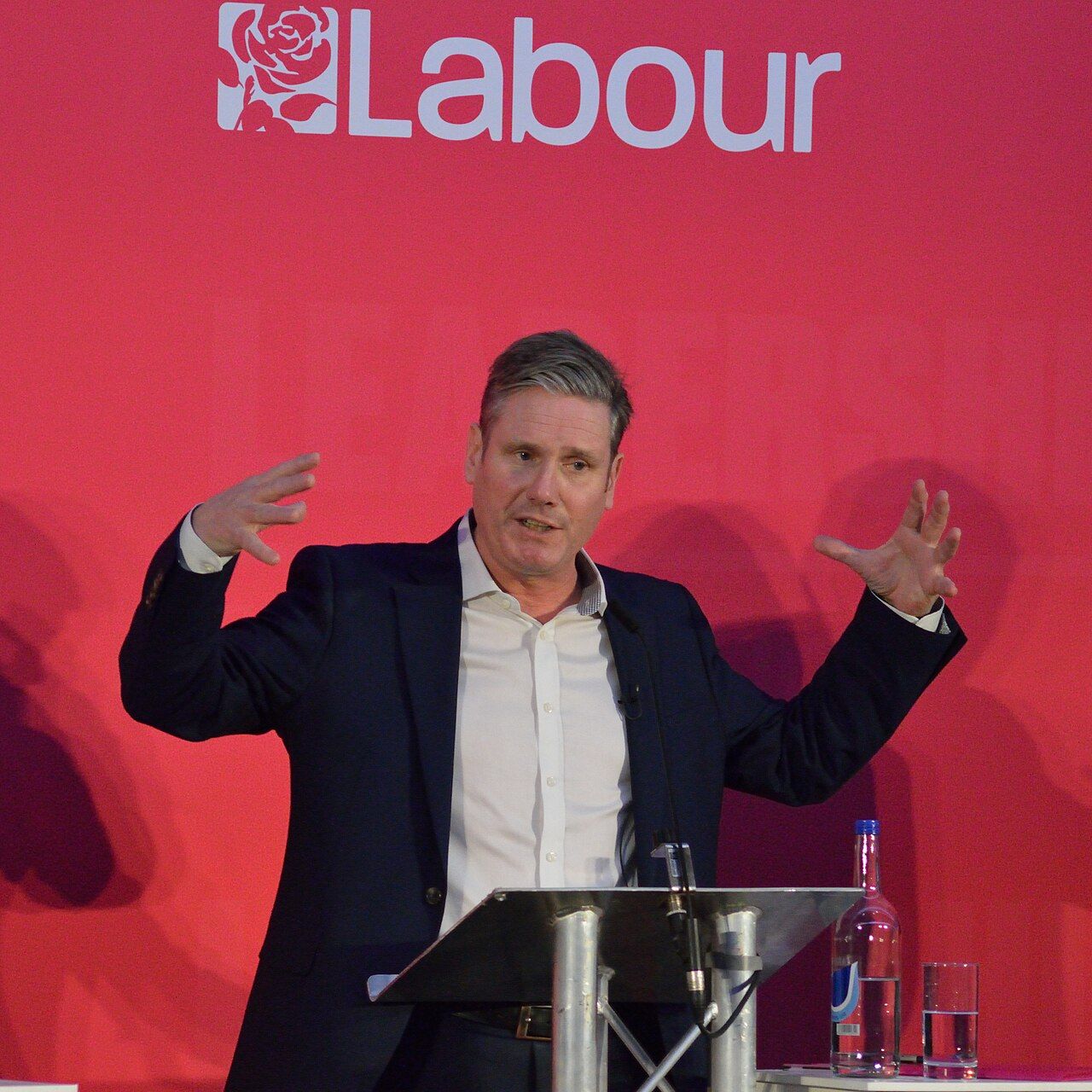
OTTAWA · Union leaders are threatening a nationwide job action if the federal government passes Bill C-39, a set of proposed changes to the Canada Labour Code, without amendments they say are necessary. The legislation clarifies a minister's power to use Section 107 of the code to order a federally regulated business to resume operations or to impose binding arbitration. The government argues the bill imposes conditions on using this power and restricts a minister's ability to intervene. Labour leaders contend that explicitly granting a minister the authority to end a work stoppage is an attack on the right to strike and undermines workers' bargaining power.
Canadian Labour Congress president Bea Bruske announced on Thursday that unions are establishing a "war room" to mount a coordinated defence should the government use the new powers. "If this bill moves forward without amendments that protect the right to strike, no union facing government intervention will be left to fight on its own," Bruske said. The collective response could involve sharing financial resources, legal expertise and other support for any affected local union. Bruske made the remarks at a CLC summit in Ottawa, surrounded by dozens of other union leaders.
When asked if this strategy could escalate to a general strike, Bruske said the ultimate decision to strike or defy an order rests with local memberships. "The rest of the labour movement has said we will step up in every single way that you need us to, whether it's resources, whether it is financial, whether its taking actions. And it could cumulate to a day of action, 100 per cent it could cumulate to that," she said. The government says it must follow several steps before invoking Section 107, including determining that a strike is affecting the national interest.
READ MORE: Labour leaders warn Bill C-39 threatens right to strike
READ MORE: Manitoba labour board declares Dynacare workers essential, limiting future strike action
Jobs Minister Patty Hajdu defended the bill last week before a special parliamentary committee studying the legislation. She argued that by removing the ability to use Section 107 before a labour disruption begins, the bill actually strengthens the right to strike. Hajdu said the government has a duty to act in an "exceptionally consequential" dispute. "Protecting workers and protecting the national interest go hand in hand," Hajdu said. The labour code changes are part of a broader government bill aimed at streamlining project approvals and providing certainty for businesses and investors.
The Canadian Labour Congress has put forward its own amendments to the bill. They propose requiring the government to make its case to Parliament before ending a legal strike and creating an independent expert panel to assess if a strike constitutes a genuine national economic emergency. Bruske said union officials are lobbying MPs and senators to get these amendments considered. She noted that while Hajdu has listened to their concerns, other figures in the Liberal government may not be open to significant changes. "I'm not sure that this government, in this moment, is willing to budge," Bruske said.
In a statement on Thursday, Hajdu's office said the deadline for submitting amendments is Nov. 4. "We respect the committee's independent work and the parliamentary process. It would be premature to comment on potential amendments before they have been formally submitted, debated and considered by the committee," the statement said. The office reiterated the government's position that Bill C-39 does not grant new powers but instead places guardrails on the existing Section 107. "The federal government will always protect the rights of Canadian workers, including the right to strike," the statement added. Bruske warned that the government's approach risks creating deeper labour strife rather than industrial peace. She suggested protracted legal battles with unions would not help advance Prime Minister Mark Carney's ambitious infrastructure plans. The bill incorporates feedback gathered from unions, employers and other stakeholders during consultations held in the spring and summer.
With files from The Canadian Press, BNN Bloomberg and CKPG Today